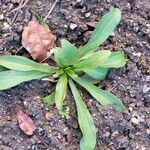
Digitalis lanata
Woolly digitalis · Grecian foxglove · Digitalis · Woolly foxglove · Aconitum vulparia
Description
Source: leafsnapDigitalis lanata, vernacularly often called woolly foxglove or Grecian foxglove, is a species of foxglove, a flowering plant in the plantain family Plantaginaceae. It gets its name due to the woolly indumentum of the leaves. D. lanata, like other foxglove species, is toxic in all parts of the plant. Symptoms of digitalis poisoning include nausea, vomiting, severe headache, dilated pupils, problems with eyesight, and convulsions at the worst level of toxicity. The plant is also harmful to other animals.
Care Guide
💧 Water
Grecian foxglove thrives best with moderate moisture and should be watered weekly to prevent waterlogging. Commonly grown outdoors for its ornamental beauty, it needs adequate drainage and good air circulation to avoid fungal diseases caused by excessive humidity.
How should I water my Grecian foxglove plants in the best way?
To properly care for the Grecian foxglove, it's important to use filtered water that is at room temperature. Tap water may contain harmful particles, so filtered water is preferred. The reason for using room temperature water is that the Grecian foxglove is used to warm environments and cold water can be a shock to it. Additionally, avoid watering the plant from above as it can cause issues with the foliage. Instead, water the soil directly until it is thoroughly moistened. This benefits the plant by providing moisture to the roots and allowing them to spread and gather nutrients from the soil.
What do I do if I give too much or too little water to my Grecian foxglove plant?
Both overwatering and underwatering can harm the health of your Grecian foxglove, but overwatering is more common. Overwatering can cause wilting, yellowing of the stems and leaves, and lead to diseases like root rot, mold, and mildew, which can be fatal for the plant. Underwatering is less common because the Grecian foxglove can tolerate drought, but it can still occur and result in brittle, brown leaves. It's crucial to recognize the signs of overwatering early on and reduce watering immediately. If the soil drains poorly, replace it with a well-draining potting mix. If your plant shows signs of needing more water, simply water it more regularly until the signs subside.
How frequently do I need to water my Grecian foxglove plant?
If your Grecian foxglove is in a pot, the most precise way to determine if it needs water is to check the soil moisture by sticking your finger into it. If the top two to three inches of soil feel dry, then it's time to water your plant. If you're growing the Grecian foxglove outdoors in the ground, you can use a similar method to test the soil. Again, if the top few inches of soil are dry, it's time to water it. Typically, during the spring and early fall, watering your plant once a week based on this method is usually sufficient. However, in extremely hot weather, you may need to increase watering to about twice or more per week. It's worth noting that mature, well-established Grecian foxgloves can tolerate drought quite well.
How much water does my Grecian foxglove require?
To properly water your Grecian foxglove, don't hold back on the amount of water you give. Make sure the top two to three inches of soil are dry before watering, and then give the plant a good, thorough soaking. The water should completely saturate the soil and drain out through the holes at the bottom of the pot. If you don't see any excess water draining, you may have not given enough water. However, be careful not to let water accumulate in the soil, as this can harm the plant. On the other hand, if water doesn't drain well from the pot, it could indicate that the soil is not draining properly, which is bad for the plant's health. If the plant is outdoors, it should receive about 1 inch of rain per week.
How should I water my Grecian foxglove as it grows?
The water needs of the Grecian foxglove can vary depending on its growth stages. In the first few years or after transplanting, the plant requires extra water to support root development and future growth. As the plant matures, it will need less water overall. Additionally, during the bloom period, the Grecian foxglove may need more water to support flower development.
☀️ Light Partial sun
Grecian foxglove prefers locations that receive sunlight for part of the day, though it can tolerate sites exposed to sun for longer periods. Sunlight stimulates its growth. Still, excessive or insufficient light can hinder its development. Its natural habitat mirrors this light preference.
What are the sunlight requirements for Grecian foxglove?
Grecian foxglove thrives in both partial and full sun conditions. It requires about 3-6 hours of sunlight per day for partial sun exposure and more than 6 hours for full sun exposure. Observing how sunlight moves through your garden allows for optimal placement, ensuring the plants receive a balanced amount of light and shade for their happiness.
How does sunlight impact Grecian foxglove's growth?
Sunlight significantly influences the growth of Grecian foxglove, providing the energy it needs to thrive. While this plant loves sunlight for a part of the day and can handle longer sun exposures, too much or too little light can negatively affect its development. Its native habitat conditions have shaped its light preferences, underscoring the importance of the right lighting conditions for optimal growth.
What are the guidelines for using artificial lighting with indoor plants?
For indoor Grecian foxgloves, adequate lighting is crucial, especially when natural sunlight is insufficient. Artificial lights, such as LED lights, can mimic natural sunlight by providing the necessary wavelengths for plant growth. The general guidelines include selecting the right type of light, adjusting the light intensity (30-50W/sq ft for full sun plants, 20-30W/sq ft for partial sun, and 10-20W/sq ft for full shade plants), setting the correct distance (12-36 inches above the plant), and ensuring the right duration of light exposure (8-12 hours per day) to promote healthy growth.
What are symptoms of light deficiency in Grecian foxglove?
When Grecian foxglove is grown indoors under insufficient light, it may exhibit several symptoms indicating light deficiency. These include smaller new leaves, leggy or sparse growth, faster leaf drop, slower or halted growth, lighter-colored new leaves, and symptoms of excessive light exposure like chlorosis, sunscald, leaf curling, wilting, and leaf scorching. These symptoms help identify when the plant is not receiving the optimal light conditions for its health.
How can I address lighting issues for Grecian foxglove?
Addressing lighting issues for Grecian foxglove involves several strategies depending on the plant's location. Indoors, gradually increase sunlight exposure or use artificial light to provide at least 8 hours of light daily. Outdoors, move plants to sunnier spots gradually to avoid shock and potential sunburn. If obstructions like trees block sunlight, consider pruning. For small plants, transplanting to a sunnier location with good drainage during their dormant period can also improve sunlight access. Note that while parts of the plant damaged by poor light might not recover, new growth should be healthy once conditions improve.
🌡️ Temperature 5–32.2°C
Grecian foxglove is native to temperate regions and needs temperatures of 68 to 95 °F (20 to 35 °C) to thrive. In colder months, consider bringing the plant indoors or providing protection to maintain the ideal temperature.
What is the native climate for Grecian foxglove to thrive?
Grecian foxglove, botanically known as Digitalis lanata, is native to temperate climates. It thrives in temperatures ranging from 68 to 95 °F (20 to 35 °C). In order to ensure its well-being, it's important to maintain these temperature conditions. During colder seasons, it may be necessary to move the plant indoors or provide it with some form of protection to keep it within its ideal temperature range.
How does Grecian foxglove handle cold temperatures and what are the recommended winter care instructions?
Grecian foxglove exhibits strong resistance to cold, meaning it can usually withstand the winter without needing special frost protection measures. However, if temperatures are expected to plummet below -30°C, protective measures should be considered to shield the plant from the cold. This could include covering the plant with soil or straw. Additionally, to mitigate the risks of drought and water scarcity during the winter and early spring, it's recommended to water the plant abundantly before the first freeze of autumn, ensuring the soil remains moist as it enters a frozen state.
What should be done if Grecian foxglove experiences low temperatures below its tolerance level?
Grecian foxglove manages quite well in cooler conditions and ideally should be kept in temperatures above 20°C. However, during winter, ensuring the temperature stays above 0°C is crucial. If temperatures fall below -30°C, the plant may not show noticeable changes during the winter but could suffer from decreased sprouting or fail to sprout at all come springtime. The recommended solution for such a scenario is to remove any parts of the plant that have failed to sprout in the spring.
How should Grecian foxglove be cared for during high temperatures?
During the summer months, it's important to keep Grecian foxglove's temperature below 35°C to avoid heat stress. Exposure to temperatures above 38°C can result in the plant's leaves becoming lighter in color, curling, getting sunburned, and in severe cases, the entire plant may wilt and become dry. To care for the plant under such conditions, trim away any sunburned and dried-up parts. Furthermore, relocating the plant to a shaded area during the midday and afternoon sun or using a shade cloth can be beneficial. Ensuring the soil remains moist by watering the plant in the morning and evening is also crucial under high-temperature stress.
💨 Humidity
🪴 Soil 5-7
🌱 Fertilizer
The best time to fertilize a Grecian foxglove is in early spring, as it is coming out of dormancy and beginning active growth. Fertilizing supplies essential nutrients needed for healthy development. Although Grecian foxglove has relatively low fertilizer requirements, applying fertilizer annually can improve its survival and encourage better, longer-lasting flowers.
Why should I add nutrients to my Grecian foxglove?
Fertilization is important for the Grecian foxglove because it provides essential nutrients for the plant's growth, both above and below ground. While the fertilization needs of the Grecian foxglove are generally low, annual fertilization can be highly beneficial. It not only helps to keep the plant alive but also promotes the production of longer-lasting, more beautiful flowers. Therefore, if you want your Grecian foxglove to look its best, it is recommended to fertilize it annually.
When should I fertilize my Grecian foxglove?
The best time to fertilize a Grecian foxglove is in late winter to early spring when the plant is coming out of its dormant phase and starting to grow. Fertilizing at this time helps promote healthy growth and sets the plant up for a successful season. While it is generally best to fertilize in early spring, it is also okay to fertilize in the fall. However, it is not recommended to fertilize during summer or winter.
When is the best time to not fertilize my Grecian foxglove plant?
To keep your Grecian foxglove healthy, it's best to only fertilize it during late winter and early spring. This plant doesn't need a lot of fertilizer, so one feeding per year is enough. Fertilizing during spring, summer, or fall can lead to overfertilization and its complications, unless you skipped fertilizing in spring, then it's okay to feed it in fall. During most of the growing season, it's best to avoid fertilizing altogether. The plant also doesn't need fertilizer during winter since it's in a dormant phase and not actively growing.
What kind of fertilizer does my Grecian foxglove plant need?
When fertilizing a Grecian foxglove, any general-purpose fertilizer with balanced nutrients will work. However, some nutrient blends can be especially beneficial. Many gardeners believe that higher levels of phosphorus lead to stronger roots and better flowers. Since Grecian foxgloves are flowering plants, using a phosphorus-rich fertilizer may be the best choice. Whether the fertilizer is granular or liquid doesn't matter as long as it contains sufficient nutrients. Additionally, you can improve the soil organically by using compost, manure, and similar materials. These will help create a healthy growing medium for your Grecian foxglove.
How can I give nutrients to my Grecian foxglove plant?
To fertilize a Grecian foxglove, the most common method is to use granular or pellet fertilizer. It is important to fertilize the plant when it transitions from its dormant winter phase to an active growth phase. In early spring, wait for shoots to emerge from the soil before applying fertilizer. Alternatively, some people prefer using liquid fertilizer, which should be diluted with water before application. Regardless of the type of fertilizer used, it is recommended to moisten the soil before, during, and after fertilization.
🪴 Pot & Repot
✂️ Pruning
For optimal growth, the Grecian foxglove, a biennial plant, needs strategic pruning. Pruning in early spring encourages new growth, while removing spent flowers in late spring enhances blooming and reduces self-seeding. Use sharp, sanitized tools to improve air circulation, prevent fungal problems, and maintain the plant's vigorous health.
🌿 Propagating
🐛 Diseases & pets
☠️ Toxicity
Characteristics
- Plant Type
- Herb
- Life Cycle
- Perennial, Biennial
- Genus
- Digitalis
- Family
- Plantaginaceae
- Hardiness Zone
- 4-8
- Mature Height
- 91 cm
- Mature Spread
- 40 cm
- Leaf Color
- Green
- Leaf Type
- Deciduous
- Flower Color
- White
- Flower Size
- 2.03 cm to 3.05 cm
- Bloom Time
- Early summer, Mid summer
- Planting Time
- Spring, Summer
- Harvest Time
- Late summer, Early fall