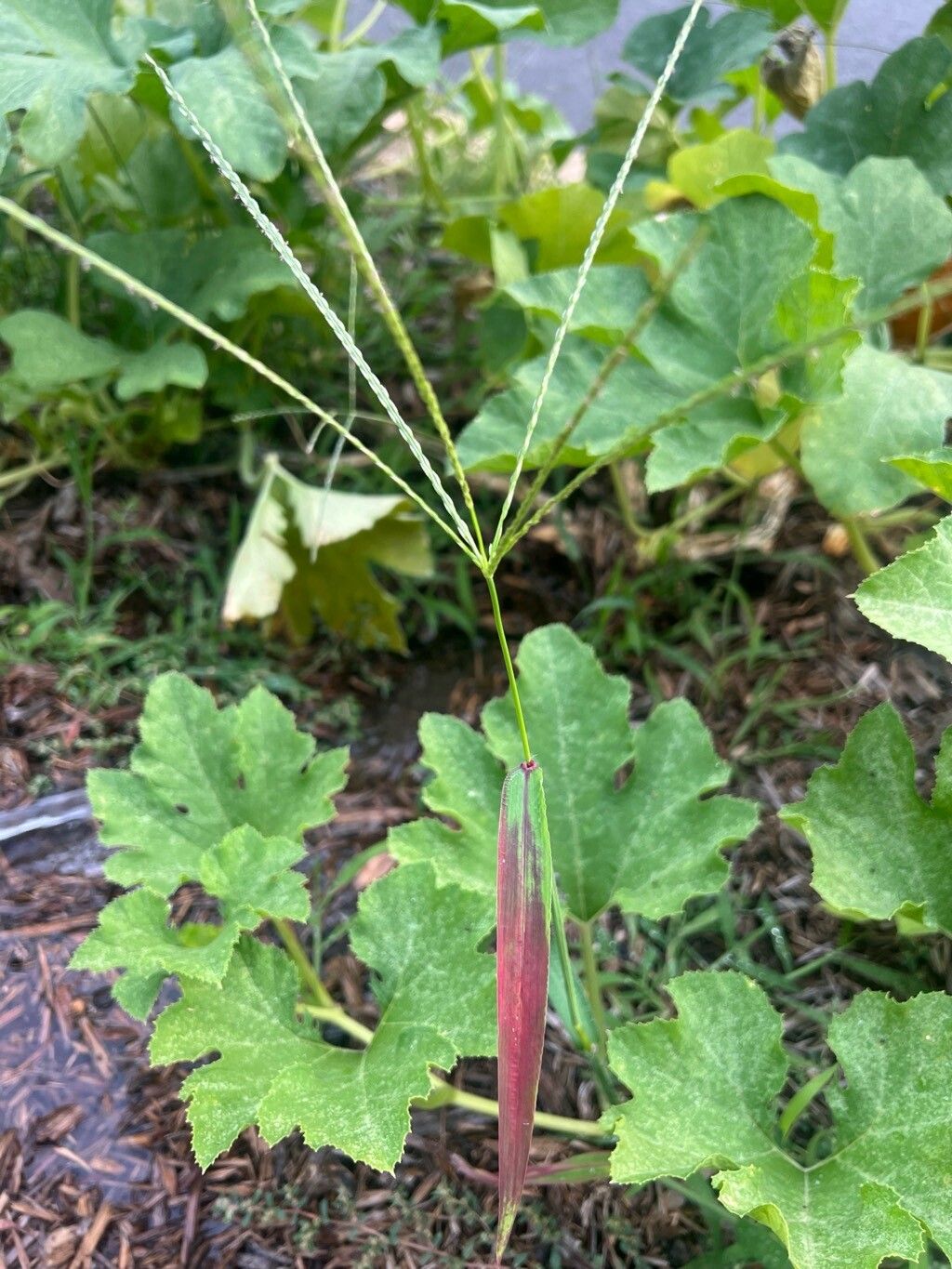
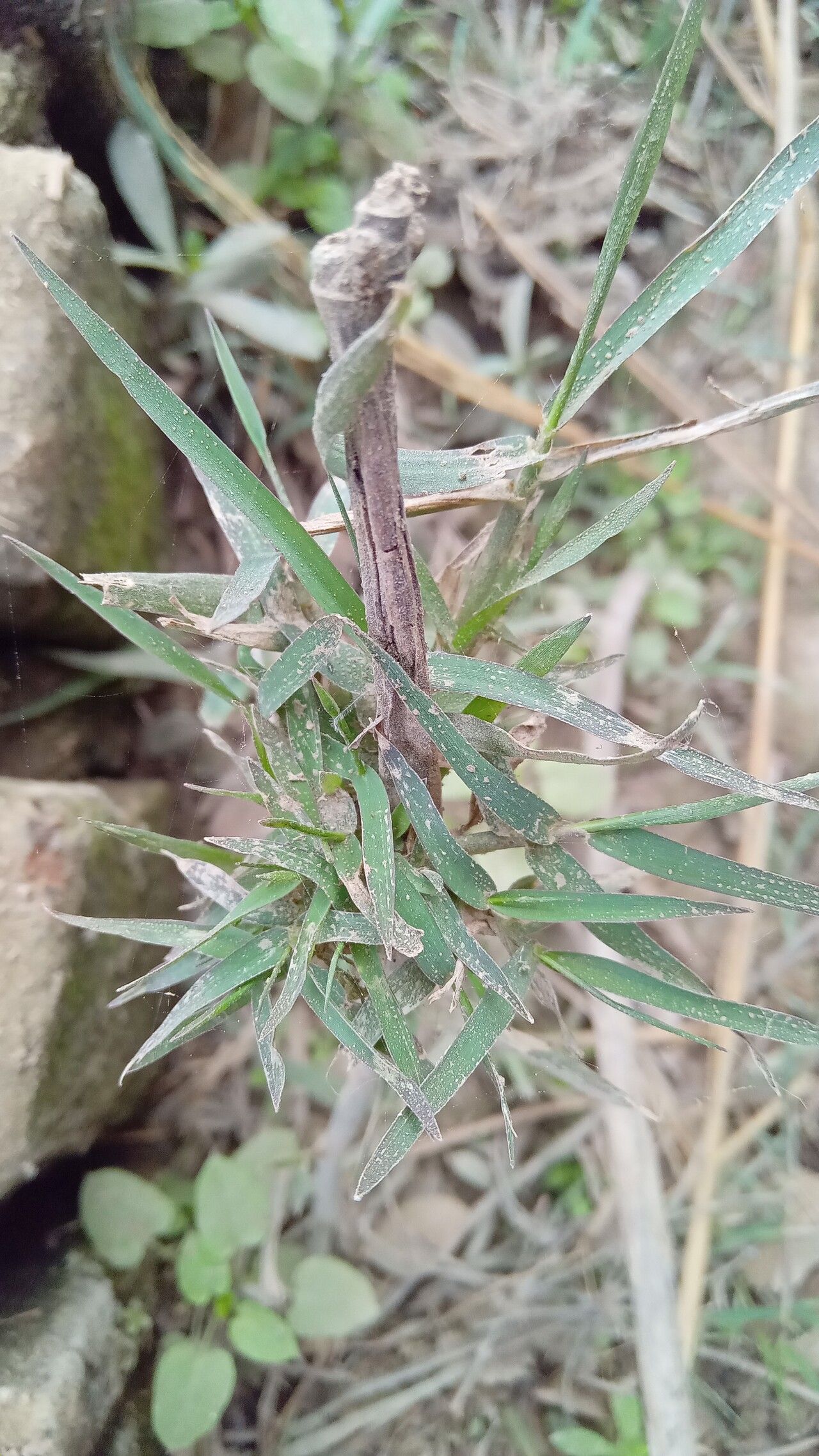
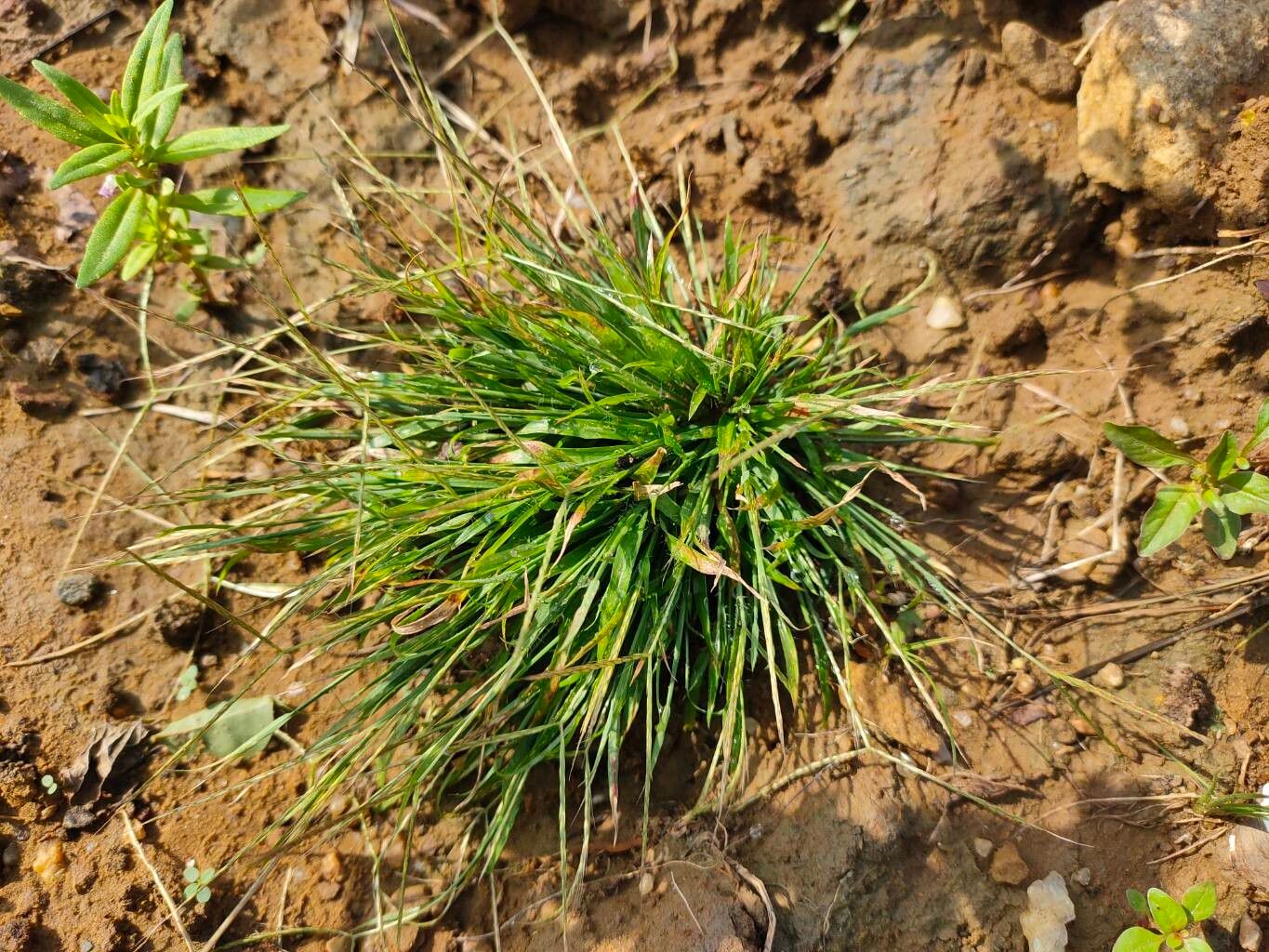
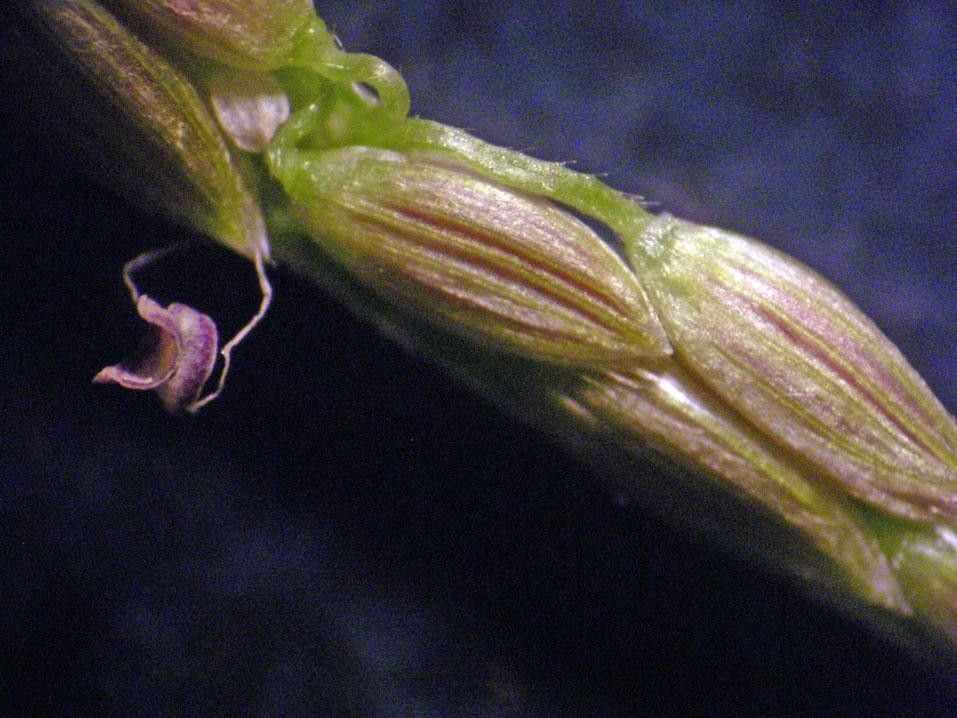
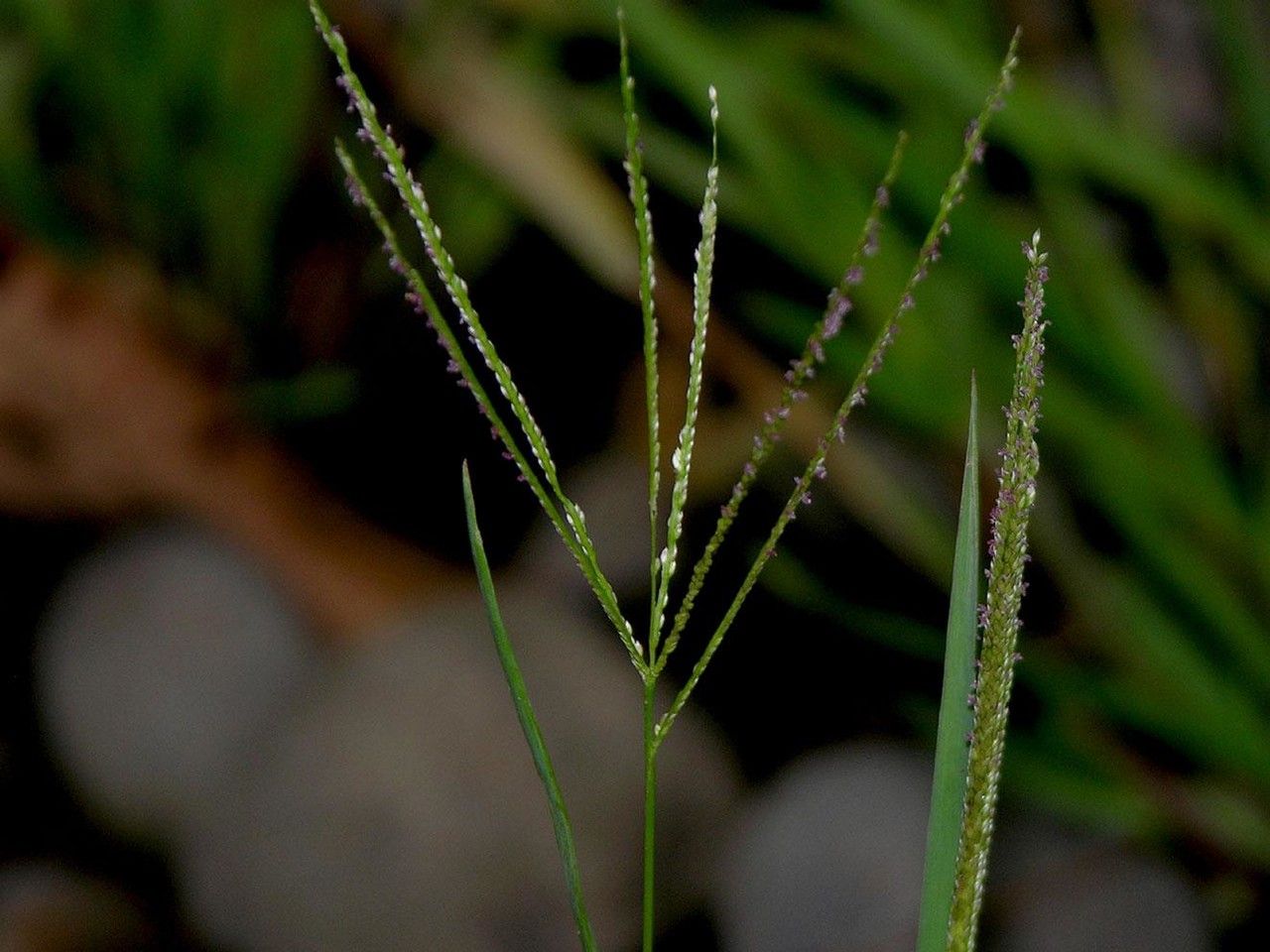
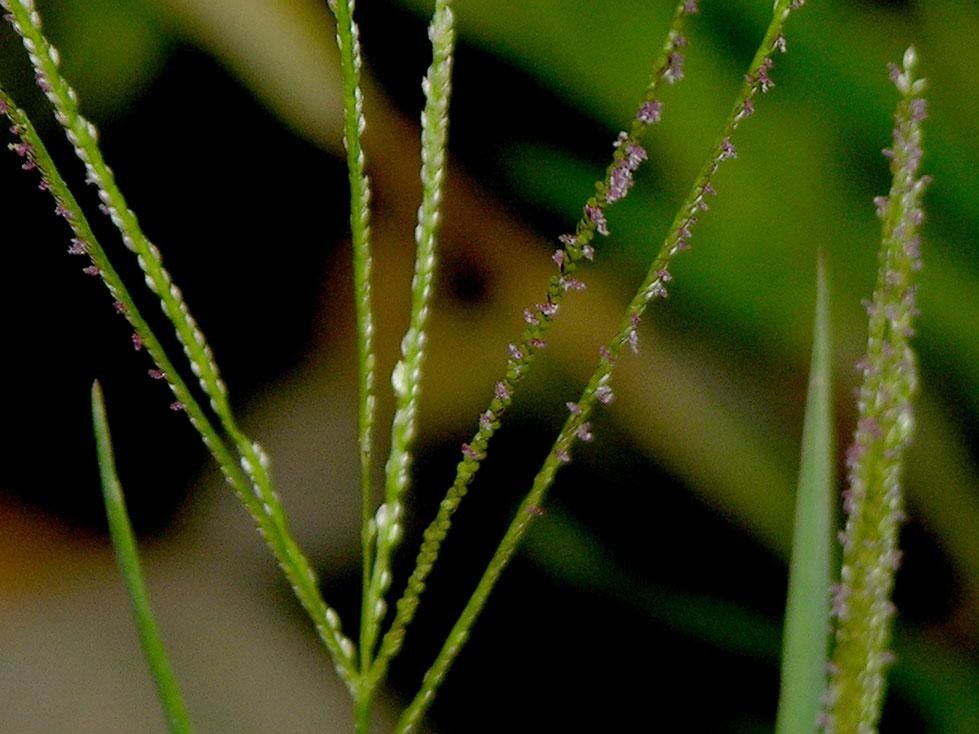
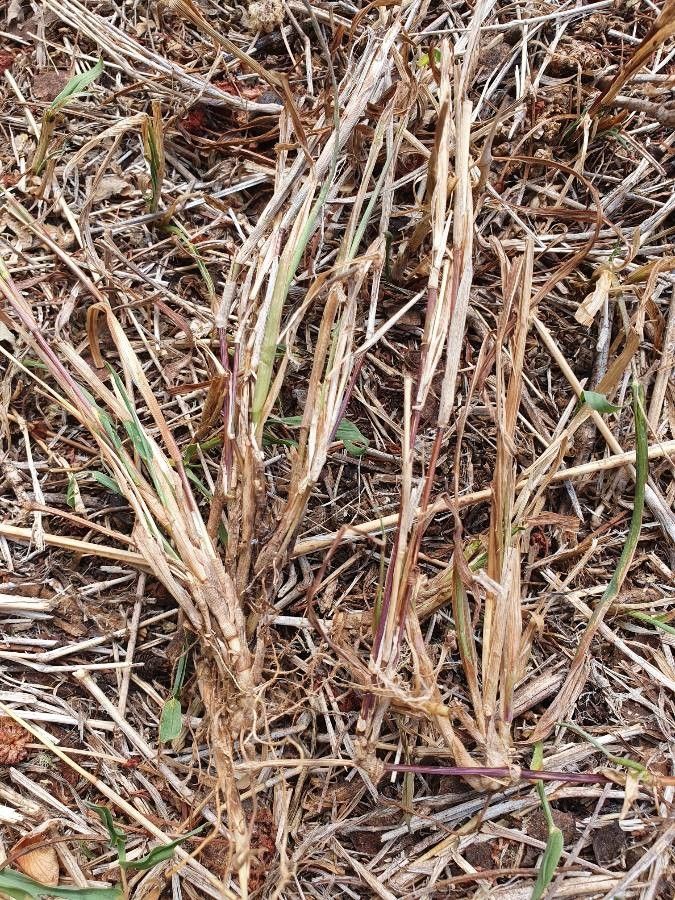
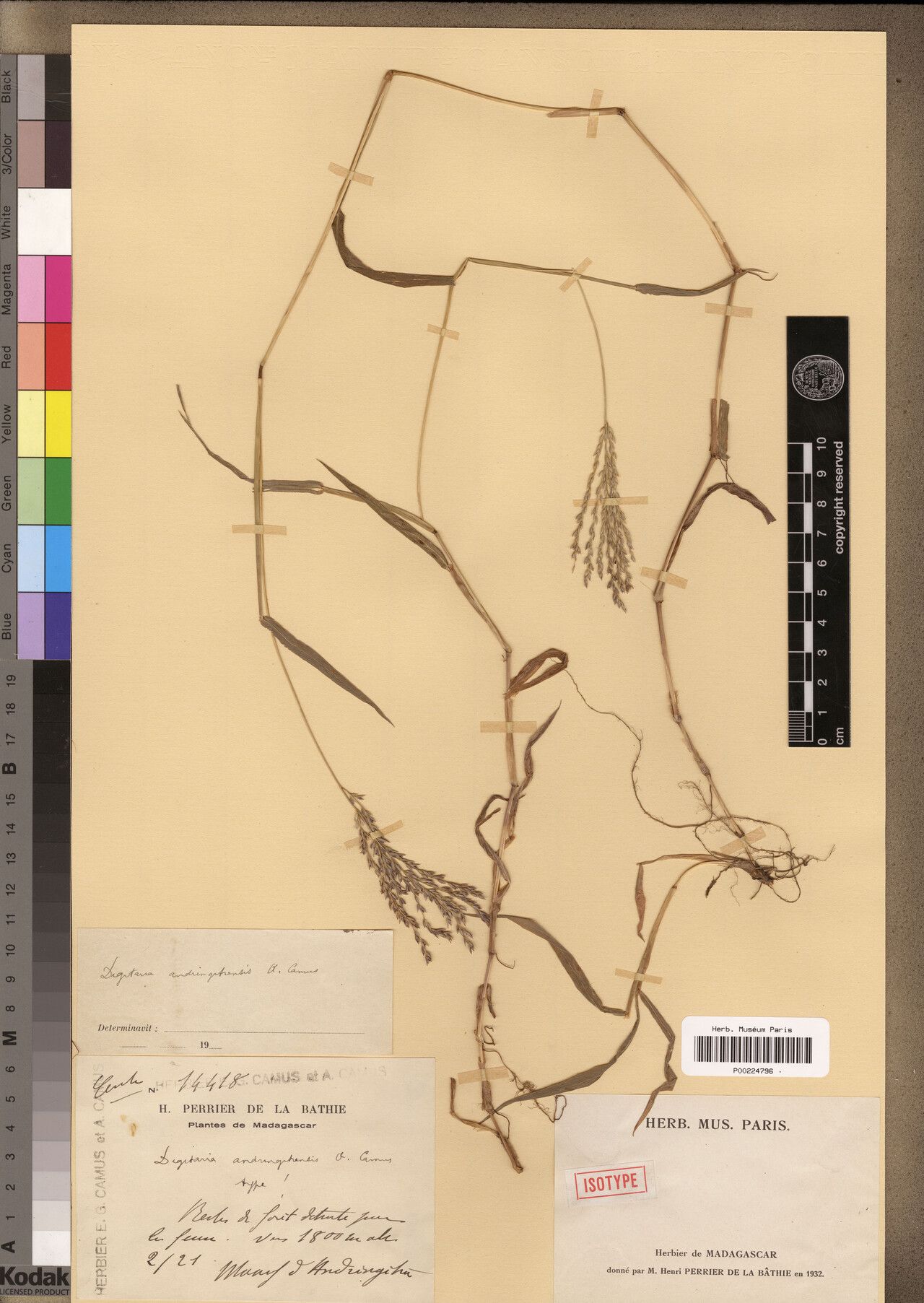
Violet crabgrass is well resistant to disease and is generally not vulnerable to illnesses. In terms of care, the plant is fairly low-maintenance. When grown outdoors it needs little watering, and larger plants typically do not require pruning. Smaller plants, however, should be pruned after they finish blooming. Violet crabgrass is suitable for anyone with an outdoor area, such as a garden or deck, and does not demand much prior experience in plant care.
How to keep Digitaria Violascens.
Light
The violet crabgrass hails from well-lit, open spaces and flourishes under direct sun. It can withstand part-shade conditions, yet it favors complete exposure to the sun for exceptional growth. This plant, which has an annual and biennial life cycle, is renowned for its predilection for sunlight.
Water
Violet crabgrass flourishes in tropical climates, where it thrives with consistent moisture and weekly watering to stay healthy. Although it can withstand short periods of dryness, it benefits significantly from steady humidity. As a grass species, its growth depends on adequate irrigation during the growing season, so attentive care is essential.
Temperature
The violet crabgrass is a plant native to tropical areas that are often hot and moist. Because of this, it is quite tolerant of high heat and humidity. However, it is not fond of abrupt changes in temperature and requires a consistent temperature setting, making it crucial to deter fluctuations in indoor temperature. It generally doesn't cope well with the cold and needs more elevated temperatures to grow. If the surrounding temperature gets too chilly, the plant's growth might halt, or it could even perish.
Pruning
Violet crabgrass, with its violet-tinged leaves, is an invasive plant that requires careful management. Pruning should be done from early to late spring to remove overgrown stems, which helps promote healthy growth and control the plant's foliage. Regular trimming can also help deter pests. It's important to use clean, sharp tools to prevent infections and improve the overall appearance of your landscape.
Botanical profile.
- Plant Type
- Grass
- Life Cycle
- Annual, Perennial
- Genus
- Digitaria
- Family
- Poaceae
- Hardiness Zone
- 8-11
- Mature Height
- 20 cm to 61 cm
- Mature Spread
- 15 cm to 30 cm
- Leaf Color
- Green
- Leaf Type
- Semi-evergreen
- Flower Color
- Yellow, Green, Brown
- Flower Size
- 5.08 cm to 10.16 cm
- Bloom Time
- Summer, Early fall, Mid fall
- Planting Time
- Spring, Summer, Autumn
- Harvest Time
- Mid summer, Late summer, Fall
- Native Area
- Sri Lanka, India, Malaysia, Mexico, Madagascar, Pakistan, Fiji, Jamaica, Tanzania, Cuba, Indonesia, Cambodia, Venezuela, Brazil, Koppen, South Korea, Nepal, Peru, Philippines, Laos, Panama, China, Colombia, Bahamas, Afghanistan, Bolivia, Vietnam, Myanmar, Japan, Bhutan, Nicaragua, Singapore, Ecuador, Azerbaijan, Costa Rica, Thailand
Other names.
Reader questions.
What should I do if I give my Violet crabgrass too much or too little water?
To keep this beautiful ornamental grass performing well, proper watering is essential. In the ground, any watering issues can usually be resolved. However, when growing in a container, it's important to avoid both overwatering and underwatering as either extreme can quickly kill the Violet crabgrass. If the Violet crabgrass doesn't receive the right amount of water, it may stop growing. Overwatering can cause yellow leaves with brown tips, while underwatering can result in drooping leaves, weak seed head production, and browned leaves. If you suspect improper watering, first determine whether it's too much or too little. If it's too much water, stop watering immediately. Heavy soil may take weeks to dry out, so patience is key. Once new growth appears, test the soil for moisture to decide if more water is needed. If the issue is too little water, a nice, deep drink should revive the grasses. Remember that a long, deep watering is always better than frequent shallow waterings. This encourages the growth of deep roots, making the grasses more resistant to drought and less susceptible to watering problems.
How many hours of sunlight does Violet crabgrass need each day to grow well?
To ensure the well-being of the plants, it's important to provide them with a minimum of 6 to 8 hours of sunlight per day. It is especially beneficial for them to receive more morning sunlight, particularly during the summer. The Violet crabgrass specifically thrives in full sun and benefits from an abundance of sunlight. When these plants receive ample light, they are able to produce more food, display stunning blooms, and enhance their overall survival.
How often should I give water to my Violet crabgrass?
The watering needs of Violet crabgrass depend on where it is planted. In general, it should be watered once a week. However, in hot climates, it may need watering once or twice a week during the summer. In moderate climates, watering once every seven days or more may be sufficient. Grass in containers usually needs more frequent watering than grass planted in the ground. The location of the grass also matters, as shaded grasses need to be watered less frequently than those planted in the ground. Violet crabgrass should only be watered when the soil is dry. You can check if the soil is dry by pressing your finger a couple of inches into it or by weighing the pot to see if it feels light. When the roots lack sufficient water, the grass blades may appear folded and thinner than usual. Despite its drought tolerance, regular, deep waterings will result in a beautiful color. In its natural habitat, Violet crabgrass grows in open scrubland, exposed to extreme heat, bright sun, and intermittent rain. Although it is drought resistant, it still requires care and attention. Gardeners agree that consistent water helps it thrive. When first planted, Violet crabgrass needs more frequent watering until it establishes deep roots. If it is grown in pots, the soil will dry out quickly, especially if the pot is in hot, direct sun. Test the soil every 3 to 4 days and water only when it feels dry. Violet crabgrass in the ground generally needs less watering, but this also depends on the type of soil. Clay soil holds water for a long time and may seem dry at the surface while retaining moisture below. Sandy soils that drain quickly will require more frequent watering.
What kind of sunlight does Violet crabgrass require?
For the best growth of Violet crabgrass, make sure to provide full sunlight. Avoid crowding them together to ensure even sun exposure. When planting in pots, place them in windows with direct sun to ensure herbaceous flowers receive full sunlight consistently. Partial or filtered light should be avoided as it may result in weak stems and unhealthy flowers. Always strive to keep the Violet crabgrass exposed to the sun.
What do I need to watch out for when I water my Violet crabgrass in different seasons, climates, or during different stages of growth?
To determine if you're watering enough, observe how quickly your grass is growing. Violet crabgrass, for example, can double in size within a year, especially during the hottest months. If it's not growing vigorously despite hot weather, you might need to adjust your watering schedule. In winter, watering once a month may suffice, but check the moisture level by touching the soil. During the growth cycle (warm months), the grass requires more water, whereas in winter and cooler months, watering needs decrease significantly. Remember that Violet crabgrass should always be planted in soil that is allowed to completely dry out before watering.
Can the sun harm plants? How can I protect Violet crabgrass from being damaged by sunlight and heat?
When the temperature exceeds 90℉(32℃), extreme heat can harm Violet crabgrass, especially if it is exposed to prolonged sunshine. It's best to provide some afternoon shade during the summer when the sunlight is stronger and lasts 50% longer than in winter. If the Violet crabgrass is stressed from sunlight, ensure they are well-hydrated by watering when the top of the soil is about 2 inches dry. If the plants are in containers, consider bringing them indoors if it gets too hot outside. It's normal for the leaves to wilt during the day, but they should recover at night. However, if the Violet crabgrass continues to droop, it indicates rapid water loss, and watering is necessary.
Should I keep Violet crabgrass away from the sun?
The Violet crabgrass thrives in the sun and does not require protection from it. In fact, some species of Violet crabgrass are heliotropic and specifically love the sun. It is recommended to plant them in south-facing gardens so they can receive morning to afternoon sun exposure. While the sun is beneficial, some Violet crabgrass may be susceptible to sunburn. To prevent this, consider providing protection from the afternoon and midday sun by placing them under the shade of a tree or against a wall. It is not possible to grow Violet crabgrass in shady areas as they require ample sunlight to support the growth and production of their larger flowers. Therefore, it is important to always provide ideal lighting conditions by placing them in an area with full sun for optimal results.
What will happen if Violet crabgrass does not get enough sunlight?
When the Violet crabgrass is not exposed to enough sunlight or is placed in areas with insufficient sunlight, its photosynthetic process slows down. This lack of sunlight causes the stems to become thin and long, as they attempt to seek more sunlight, resulting in a leggy appearance. In the shade, these plants will not bloom or produce seeds. Additionally, inadequate sunlight leads to the older leaves dying off, the new foliage appearing lighter in color than the old foliage, and the new growth being smaller in size compared to previous growth. While Violet crabgrass thrives in sunny conditions, it can wilt in extreme heat and ultraviolet light during the summer. To protect the leaves and flowers from scorching, consider using a net with a green shade, particularly during the summer. When grown indoors, using a fan can help reduce excessive heat.
Does Violet crabgrass need specific care regarding sunlight at different stages of its growth?
The younger Violet crabgrass plants require more light than the mature ones. It is important to ensure they receive sufficient light, but sudden exposure to full sunlight, especially if they are grown in a nursery, may be overwhelming for them. These young plants are more delicate and can be more sensitive to the intense summer sun, so it is advisable to gradually and slowly adjust the lighting conditions for them.
How much light does Violet crabgrass need to make food?
The Violet crabgrass requires 6 to 8 hours of direct light daily when planted outdoors during summer or late spring. However, when grown in pots or during winter, they need direct fluorescent lights to aid their growth. To ensure optimal sunlight for photosynthesis, place them indoors facing south or east.
Are there any warnings or advice for being cautious with sunlight and Violet crabgrass?
When transplanting plants, avoid exposing them to sudden sunlight. Let the Violet crabgrass grow and mature before moving it outside. Some herbaceous plant species can grow tall and cast shade on young plants. To ensure every plant receives at least 6 hours of sunlight each day, allow 80 to 100 days of growing season before planting another batch. Prioritize providing the best light for the Violet crabgrass, especially in a nursery. While these plants love the sun, excessive sunlight with high temperatures can harm their growth. Whenever possible, replace indoor lights with natural sunlight, as these plants require it daily.