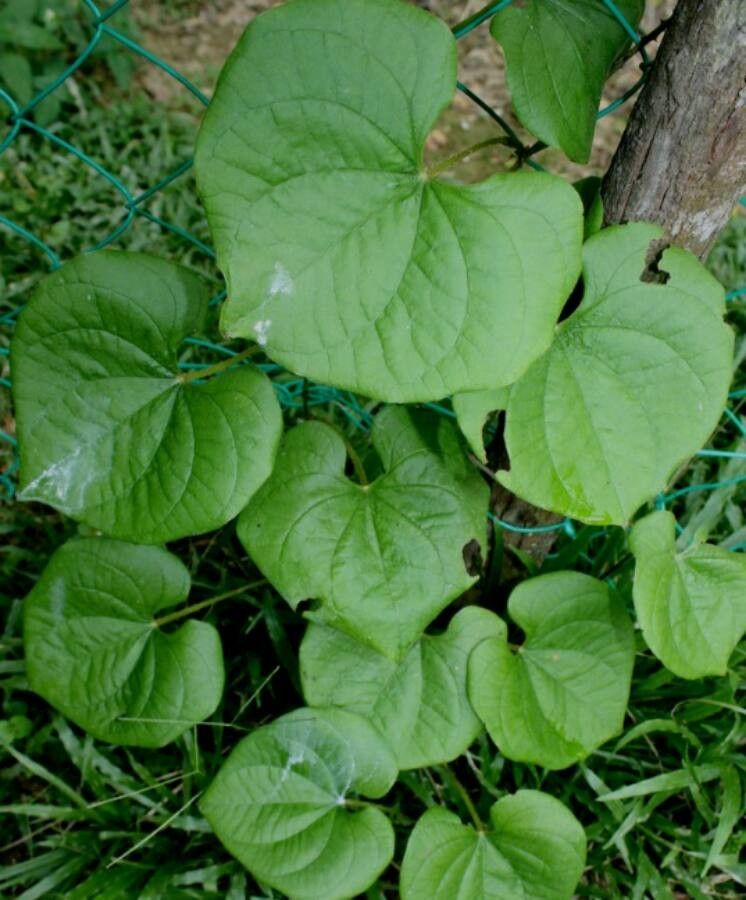
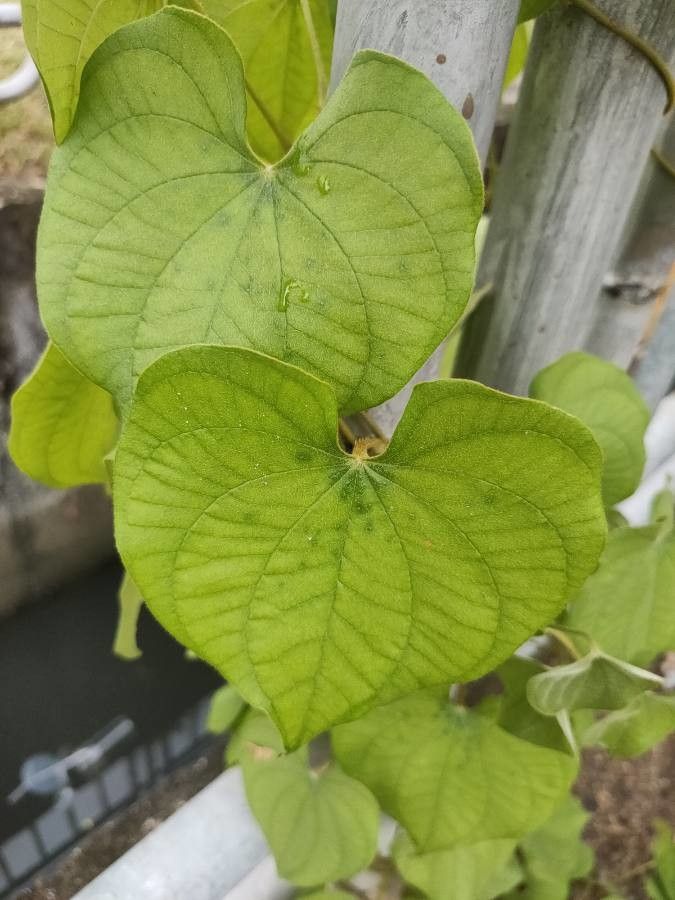
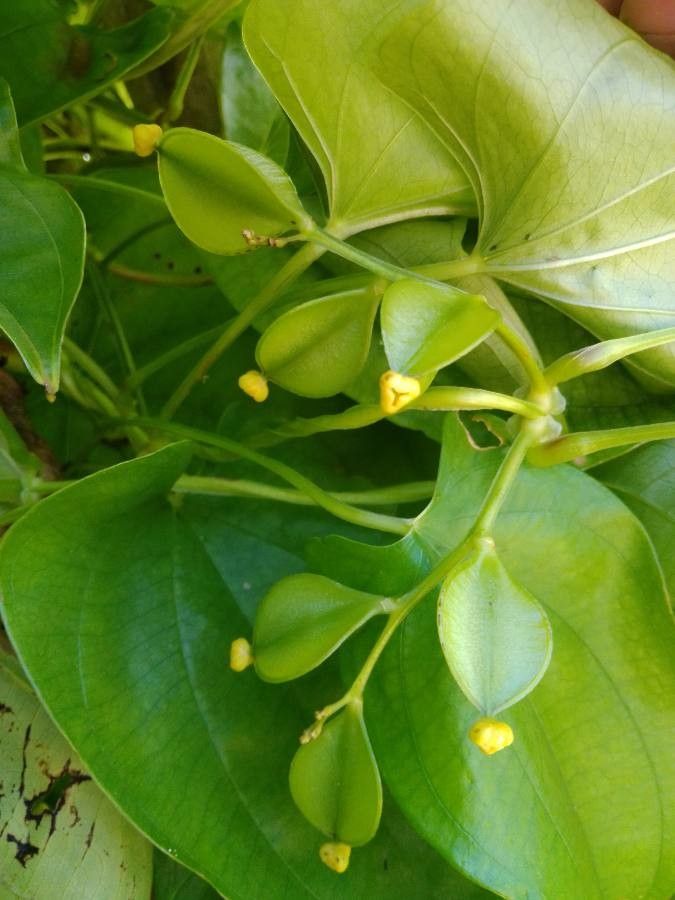
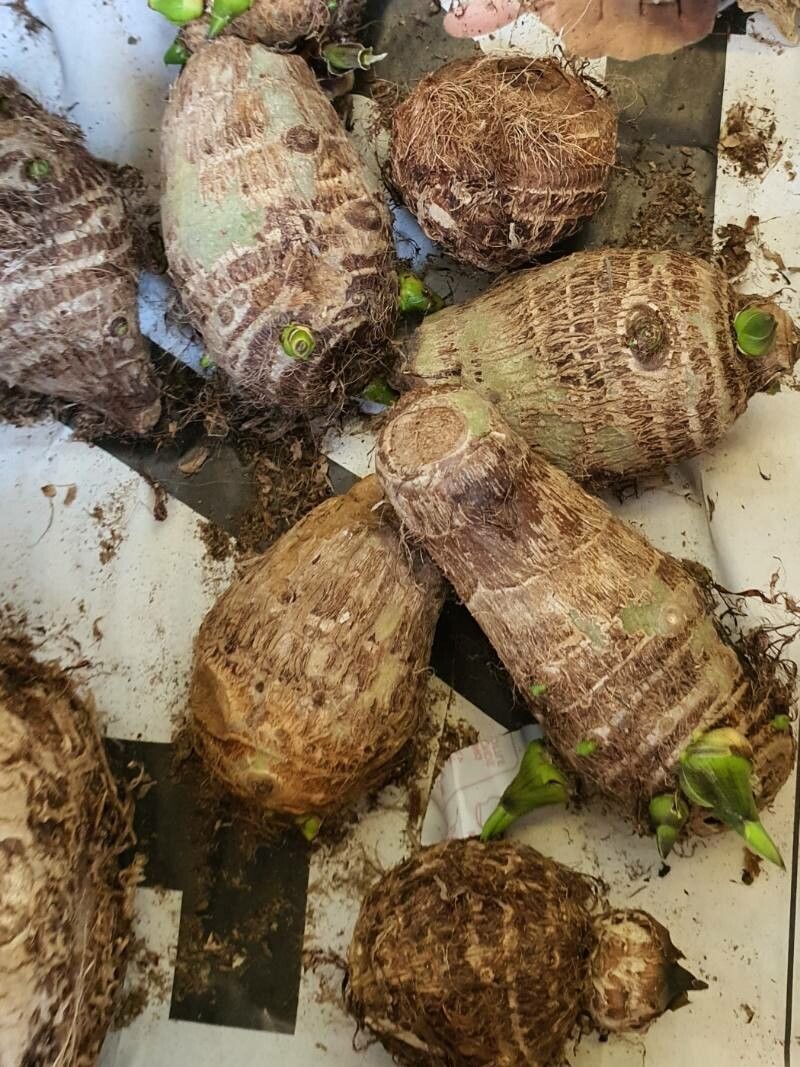
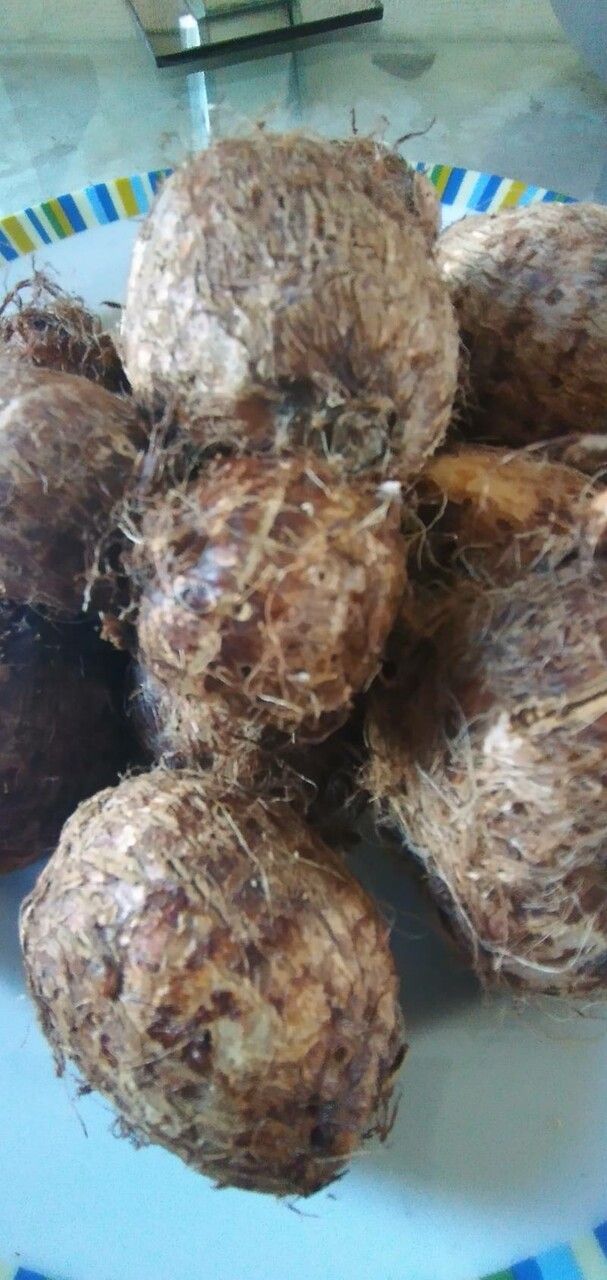
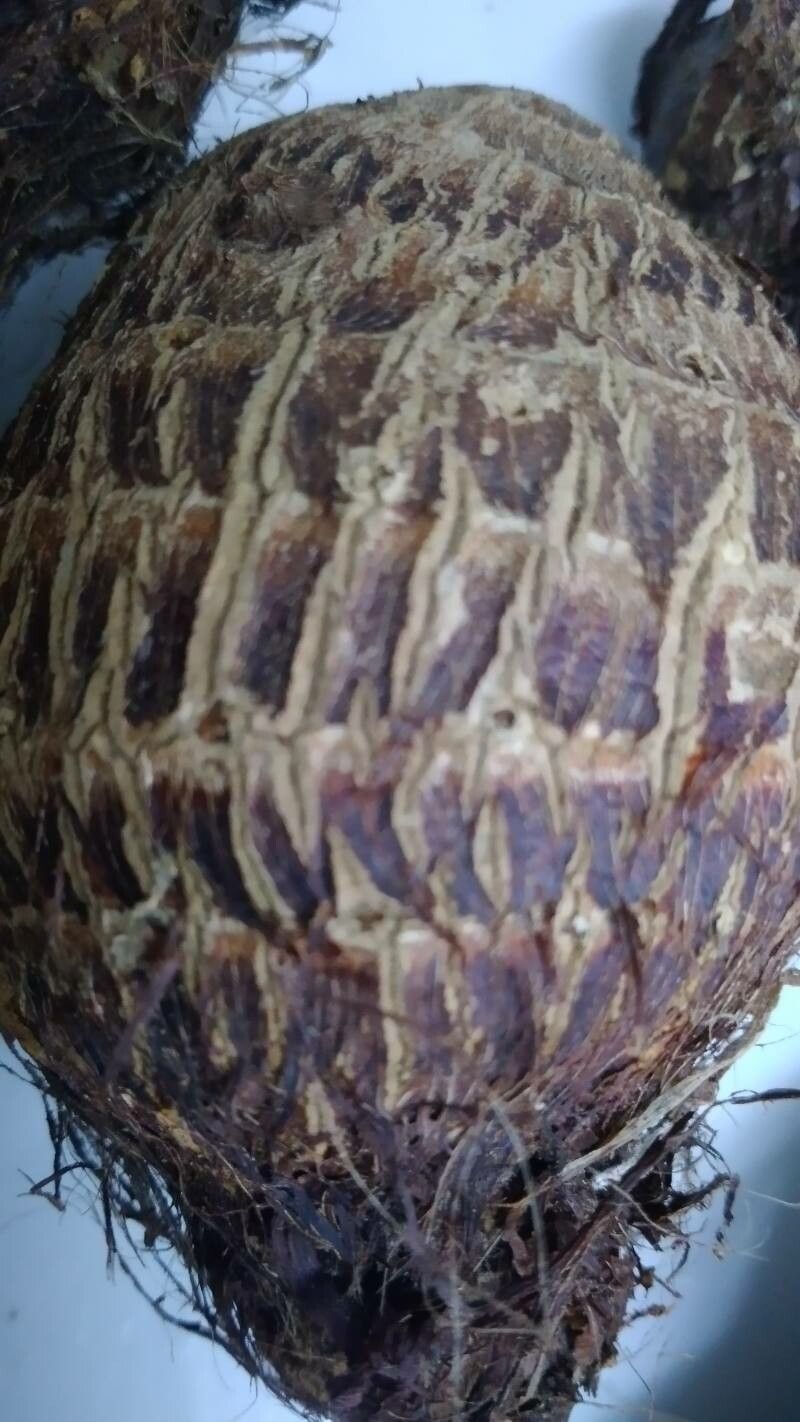
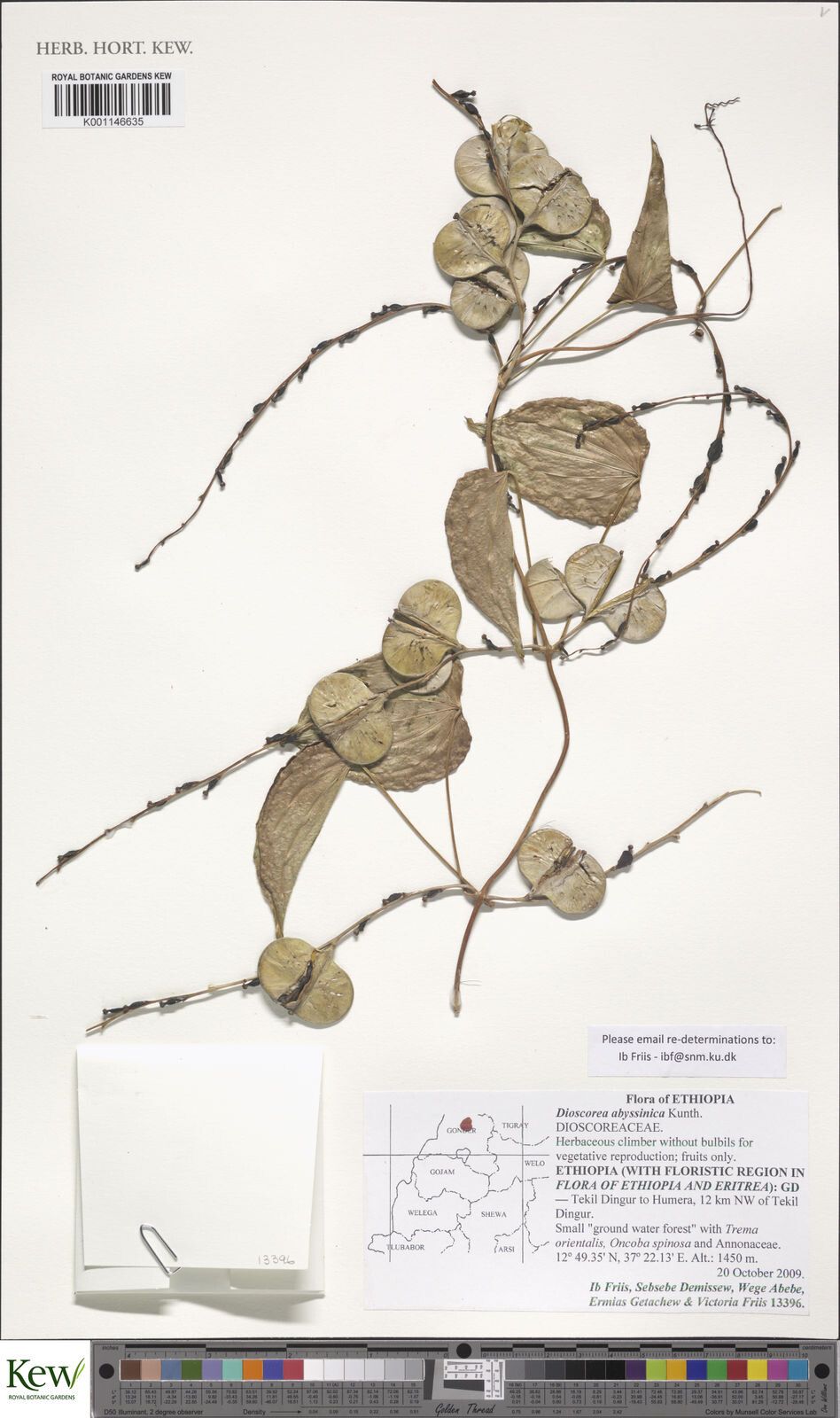
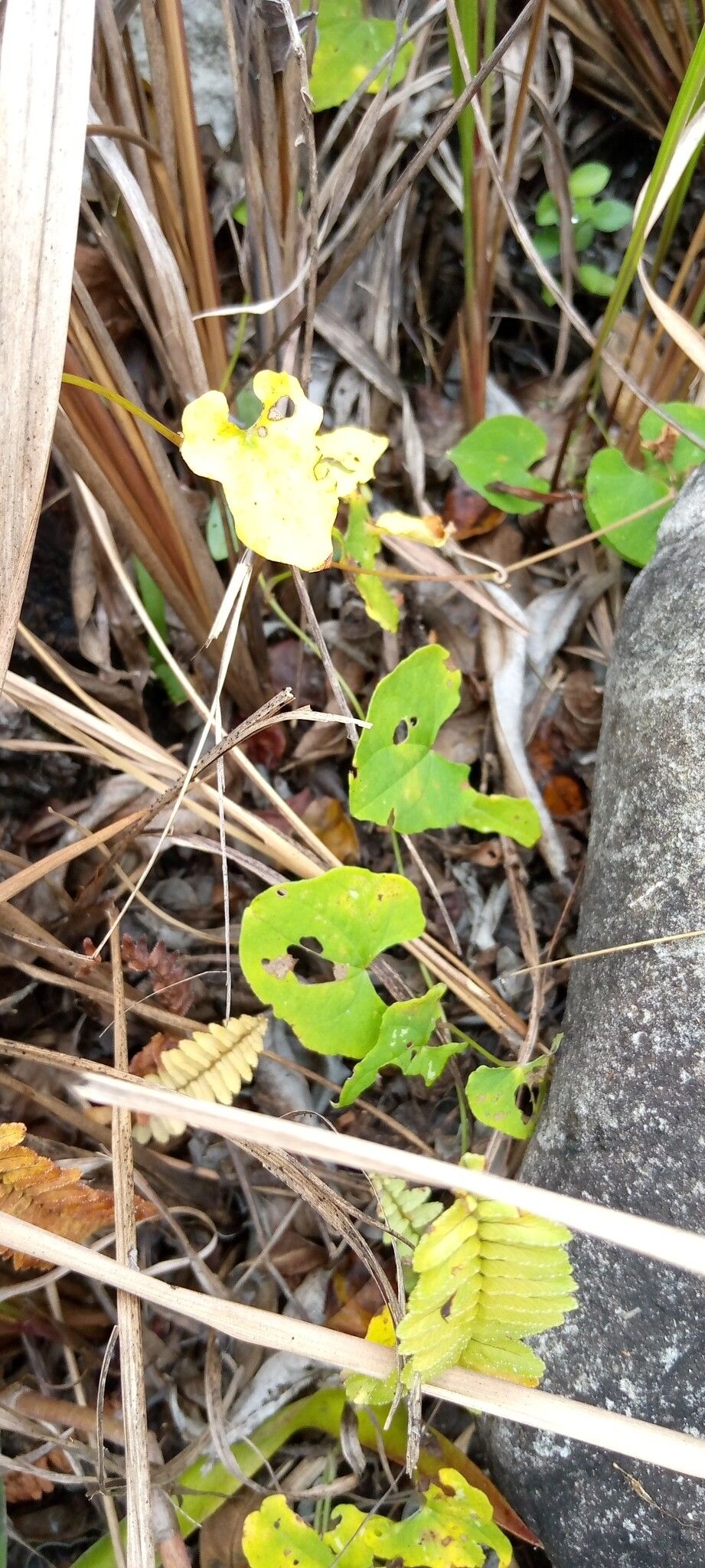
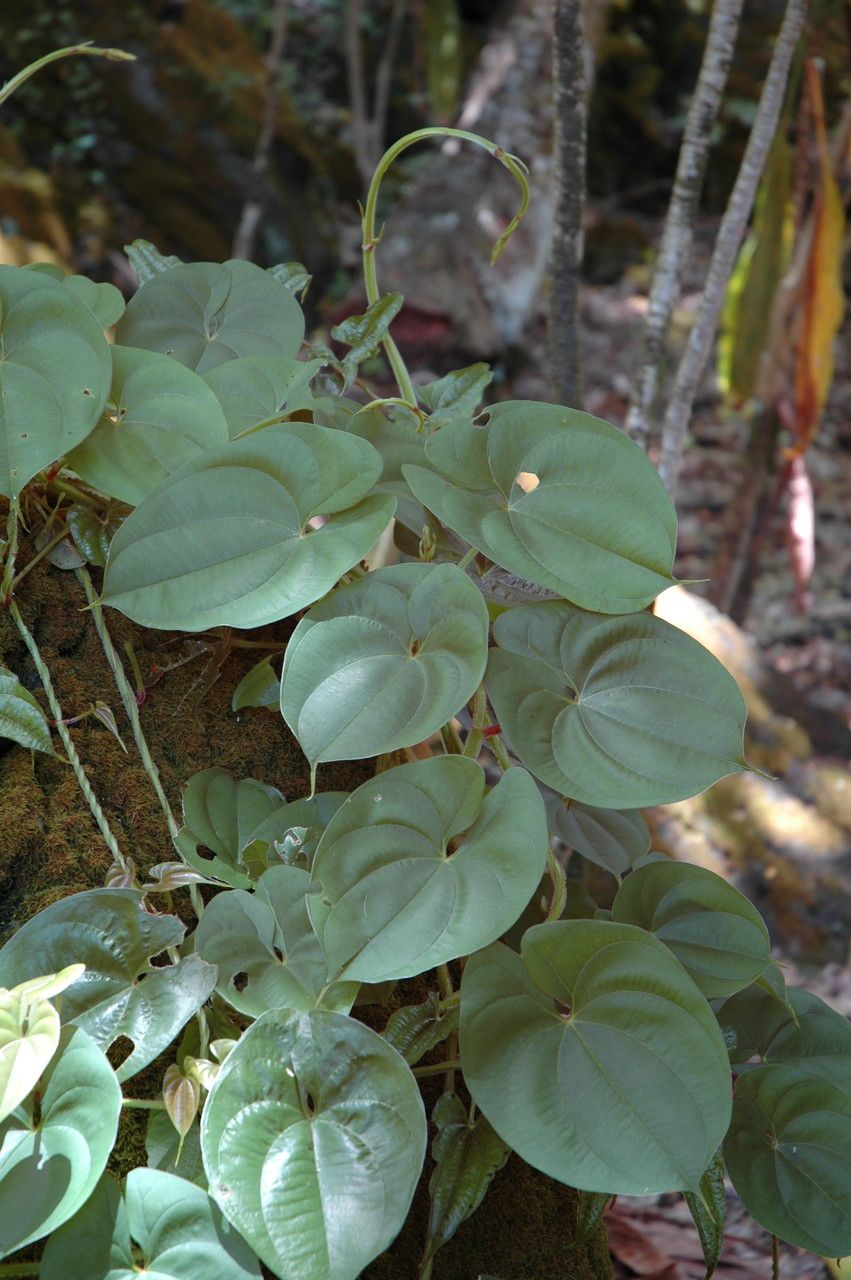
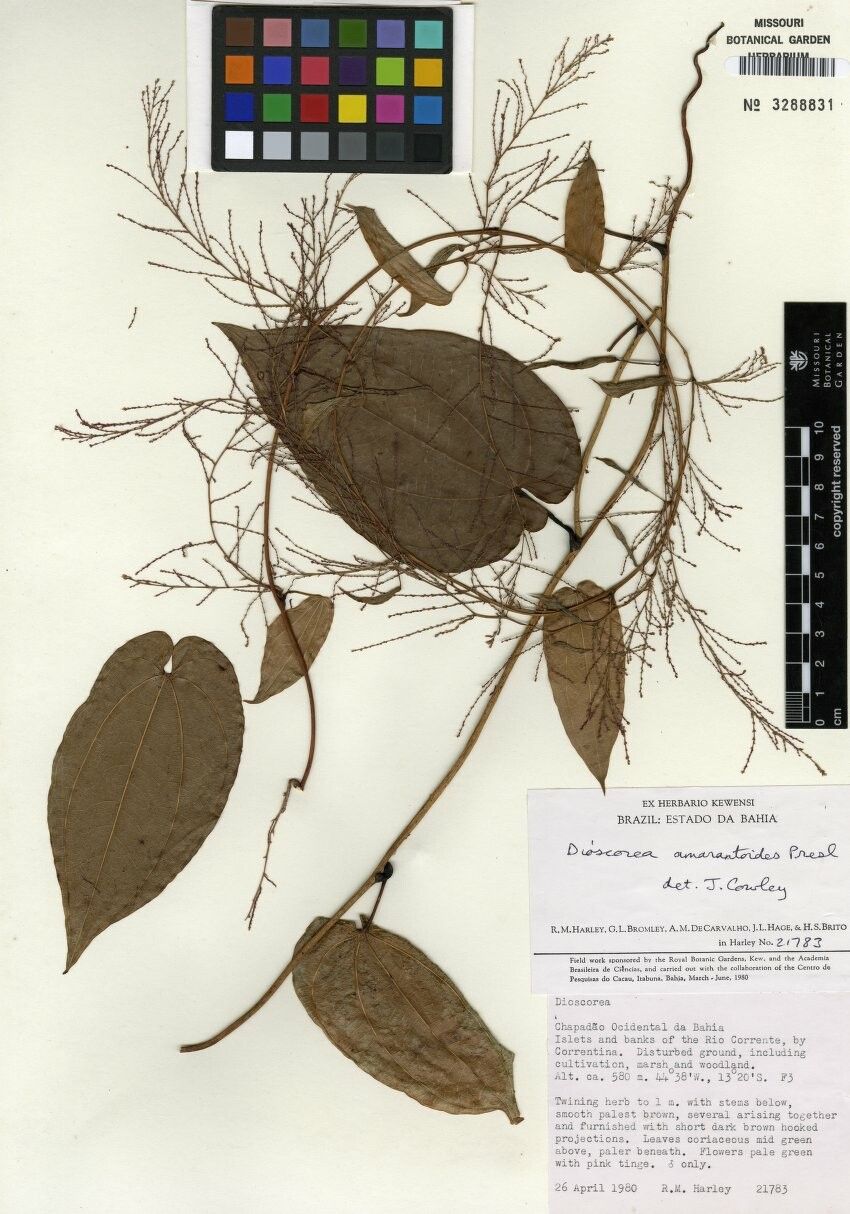
Dioscorea esculenta, commonly known as the lesser yam or water yam, is a perennial vine belonging to the family Dioscoreaceae. Native to Southeast Asia, it is widely cultivated in tropical and subtropical regions for its edible tubers. The plant features a twining stem that can reach up to 10 meters in length and produces heart-shaped leaves with pointed tips. The tubers of Dioscorea esculenta are elongated, cylindrical, or slightly flattened, with a rough brown skin and white flesh inside. They are rich in carbohydrates, dietary fiber, vitamins B6 and C, as well as minerals such as potassium, calcium, iron, and magnesium.
For centuries, Dioscorea esculenta has been used in traditional medicine for its various health benefits, such as improving digestion, reducing inflammation, and boosting immunity. Additionally, its high nutritional value presents potential applications in the food industry.
However, it is important to note that some species of Dioscorea contain toxic compounds called dioscorine, which can cause severe health problems if consumed raw or improperly prepared. Therefore, it is crucial to cook them thoroughly before consumption.
Overall, Dioscorea esculenta is an important crop with both nutritional and medicinal properties, making it an essential part of many cultures around the world today.
Botanical profile.
- Plant Type
- Vine, Herb
- Life Cycle
- Perennial
- Genus
- Dioscorea
- Family
- Dioscoreaceae
- Hardiness Zone
- 9-11
- Mature Height
- 2.13 m to 3.05 m
- Mature Spread
- 0.91 m to 2.13 m
- Leaf Color
- Green, Dark Green
- Leaf Type
- Deciduous
- Flower Size
- 0.25 cm to 0.51 cm
- Bloom Time
- Early summer, Mid summer
- Planting Time
- Spring, Summer, Autumn
- Harvest Time
- Late summer, Early fall, Mid fall
- Native Area
- Nepal, India, Malaysia, Indonesia, Cambodia, Vietnam, Myanmar, Philippines, Bangladesh, Laos, Thailand
Other names.