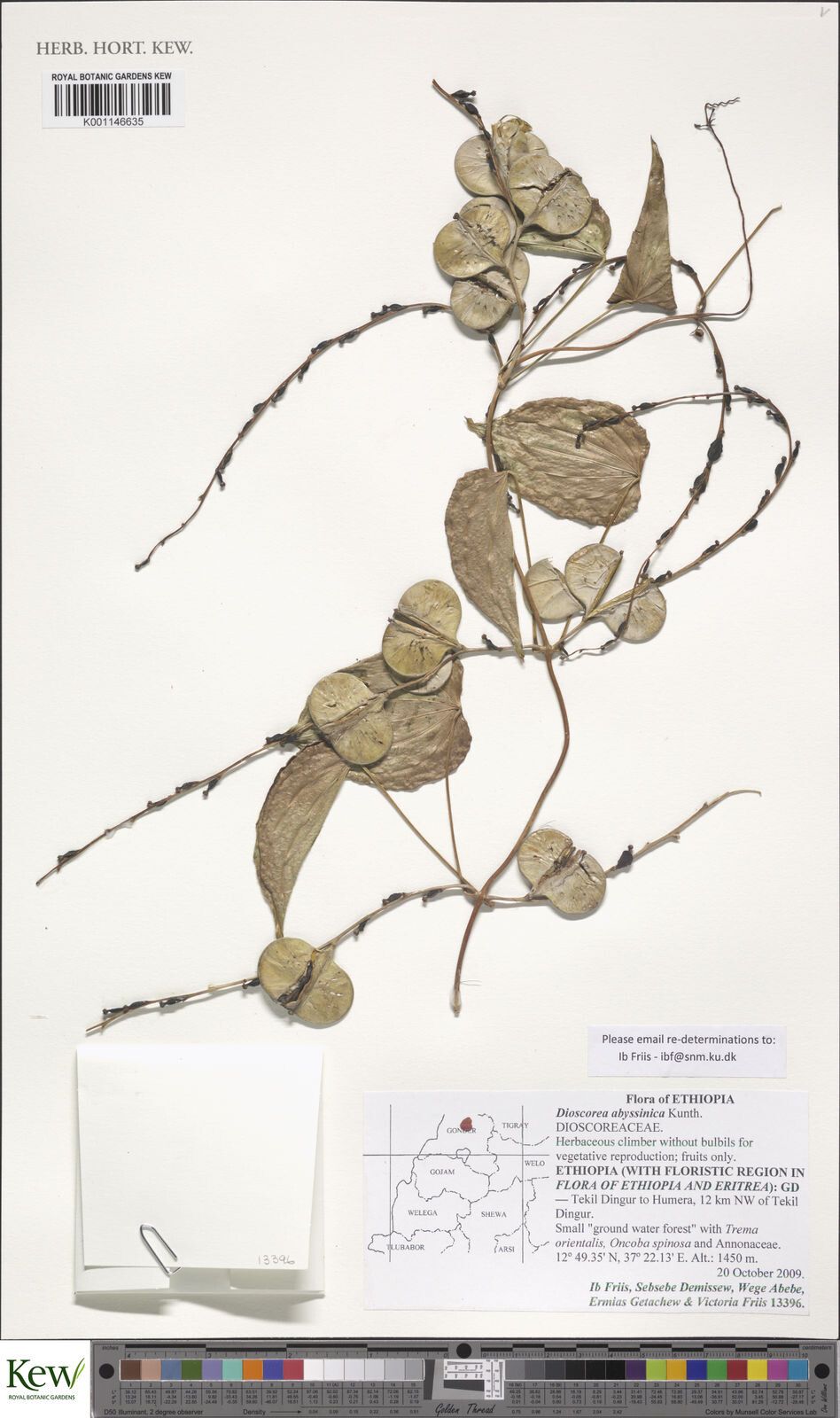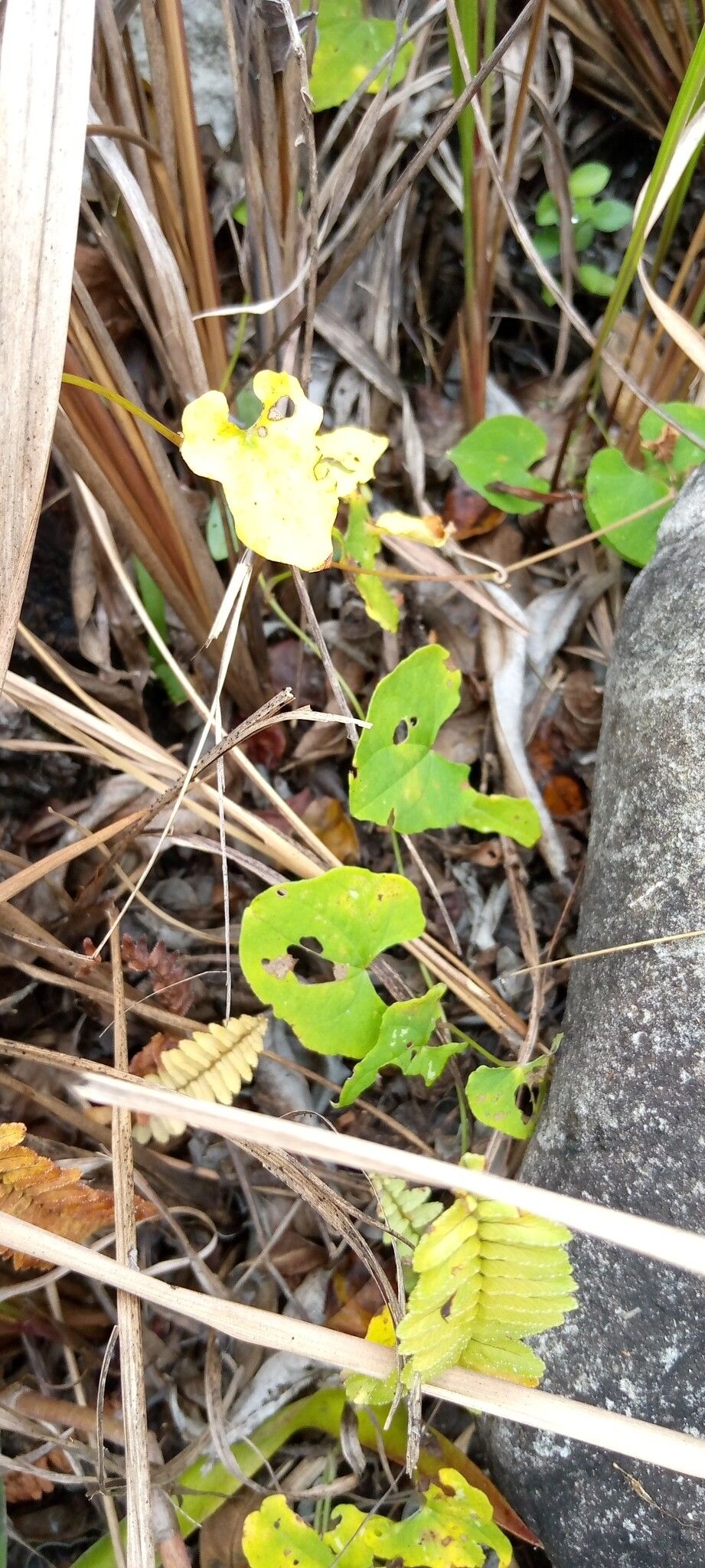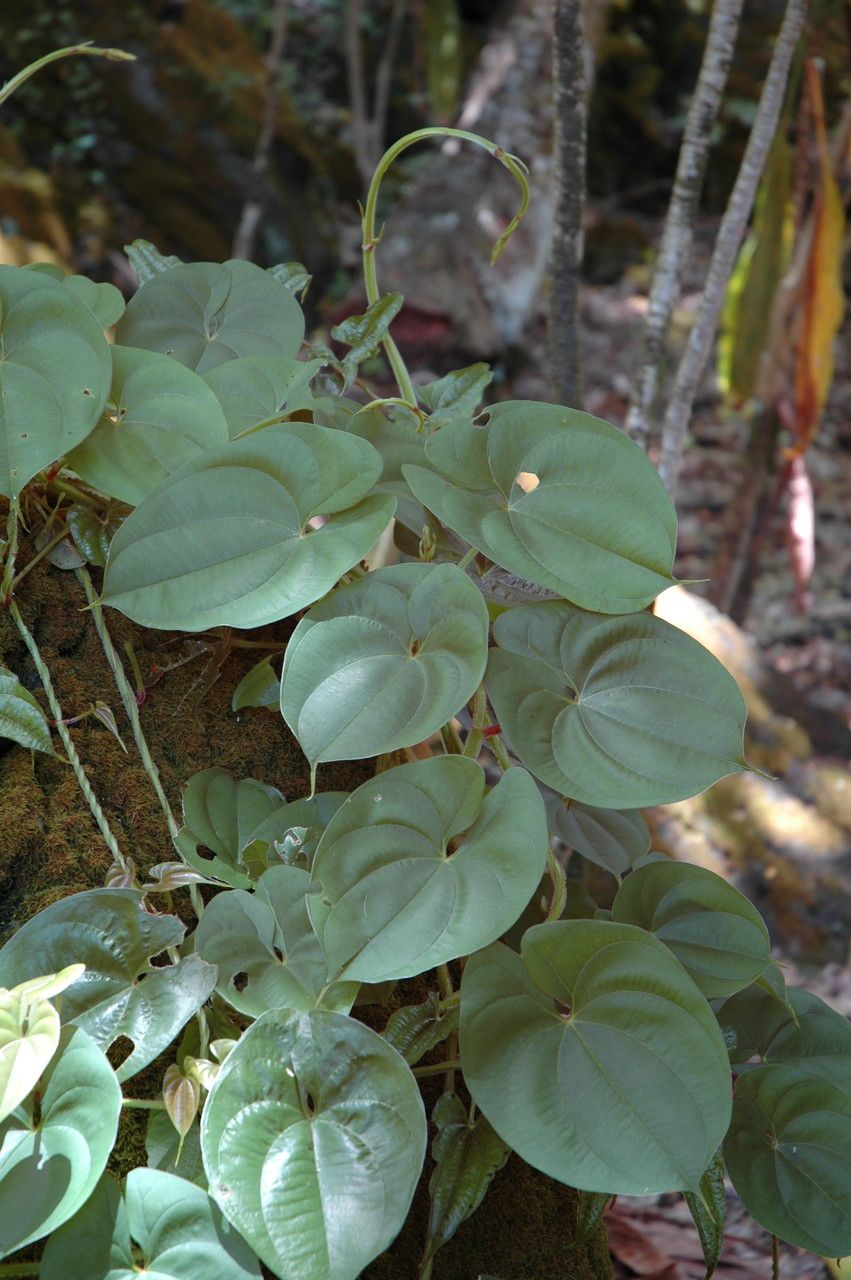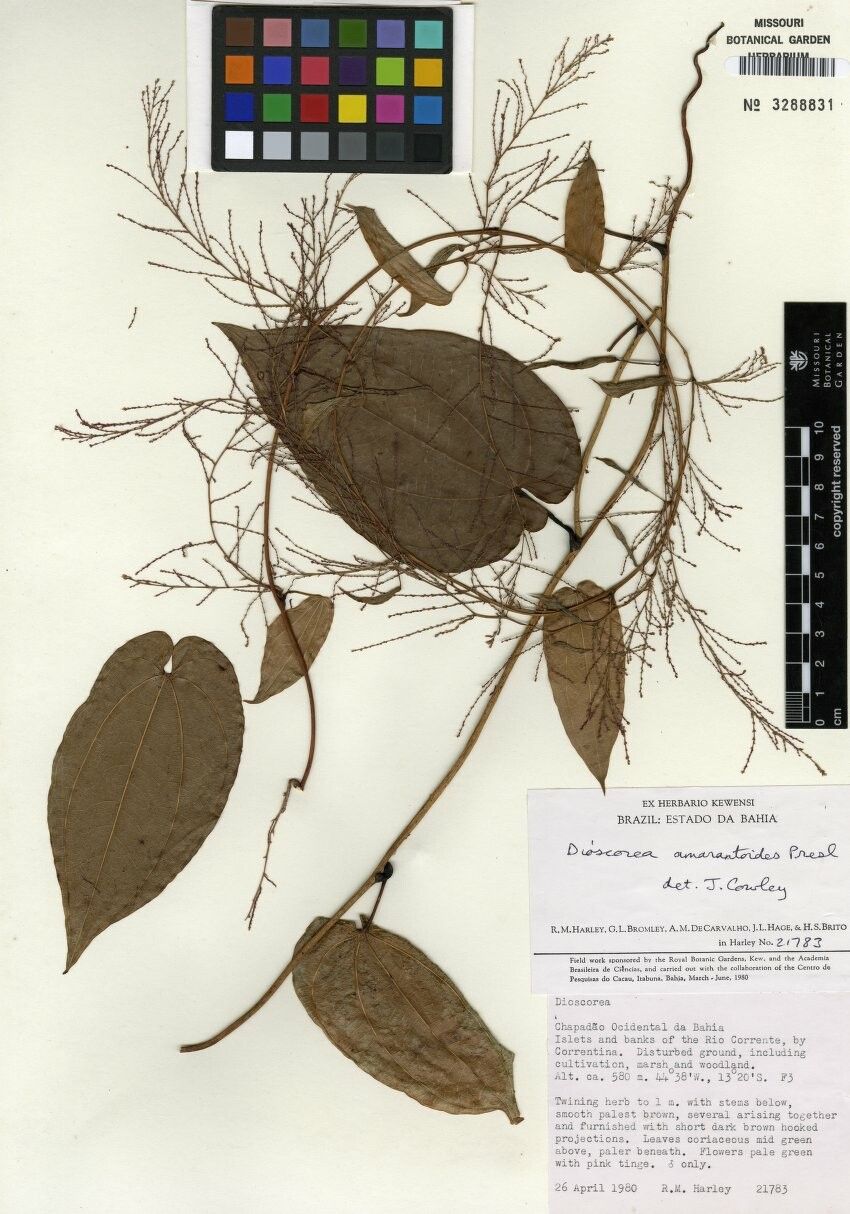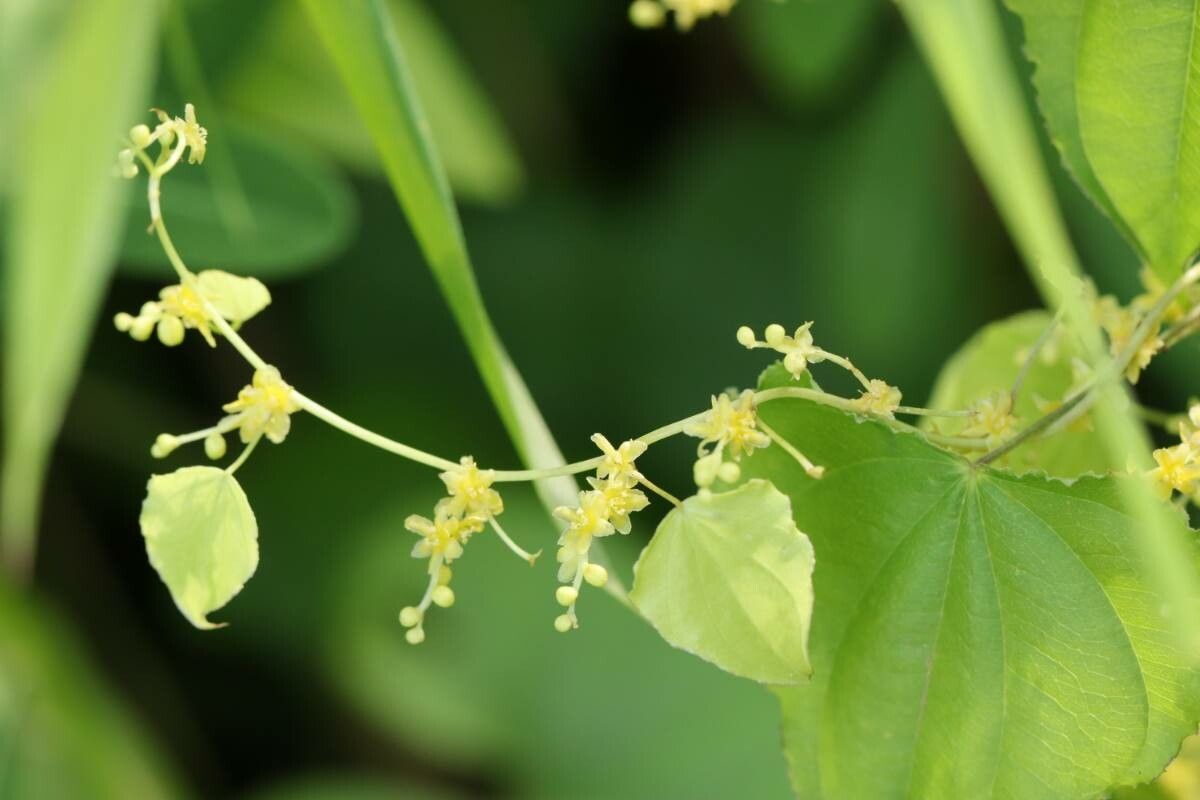
Dioscorea gracillima has moderate resistance to disease and can be susceptible to problems like leaf spot. Its vulnerability to insect pests may differ by variety, but most are less resistant to pests. For care, Dioscorea gracillima requires regular watering and fertilization, along with frequent removal of yellow leaves. It is important to manage pests and diseases when they appear and to harvest the plant promptly. Dioscorea gracillima is suitable for people who have some time and energy to commit to regular care.
How to keep Dioscorea Gracillima.
Light
Dioscorea gracillima procede de hábitats como el sotobosque forestal o áreas rocosas con sombra natural. Su condición lumínica ideal es la semi-sombra, aunque también puede tolerar el sol pleno cuando hace falta. Esta adaptabilidad le permite prosperar bajo distintas exposiciones a la luz solar.
Water
Dioscorea gracillima flourishes in regions with moderate rainfall and needs to be watered approximately every three weeks. The plant is drought-tolerant and conserves water during its dormant period, reflecting its adaptation to its natural habitat.
Temperature
Dioscorea gracillima prefers moderate temperatures, similar to those most people find comfortable. It does best in conditions that are neither very hot nor very cold. The main problem with high heat is the risk of sunburn, so offering some shade in summer is recommended to avoid excessive warmth. When temperatures decline, Dioscorea gracillima becomes dormant. If continuous growth is wanted, higher winter temperatures must be maintained. Frost can damage the plant and should be avoided.
Fertilizer
Species of Dioscorea gracillima thrive when given one or two applications of potassium and phosphorus-rich organic natural fertilizers. Include the fertilizer before planting, making sure it's well integrated and watered completely. Generally, a single application is enough, but another one can be applied after the seedlings take root. Overuse of fertilizers should be avoided as it could harm the plant.
Pruning
Dioscorea gracillima is characterized by its twining vines and tuberous roots. To ensure healthy growth, prune the plant in early spring before new growth begins. Focus on removing dead stems and any weak or crossing stems to improve air circulation and enhance the plant's structure. It's important to make clean cuts using sanitized tools to prevent disease and encourage robust growth.
Botanical profile.
- Plant Type
- Vine
- Life Cycle
- Perennial
- Genus
- Dioscorea
- Family
- Dioscoreaceae
- Hardiness Zone
- 9-11
- Mature Height
- 2.13 m to 3.05 m
- Mature Spread
- 49 cm to 91 cm
- Leaf Color
- Forest Green, Dark Green
- Leaf Type
- Semi-evergreen
- Flower Color
- Yellow, Green
- Flower Size
- 0.51 cm to 1.02 cm
- Bloom Time
- Early summer, Mid summer
- Planting Time
- Spring, Summer, Autumn
- Harvest Time
- Late summer, Early fall, Mid fall
- Native Area
- Japan, China