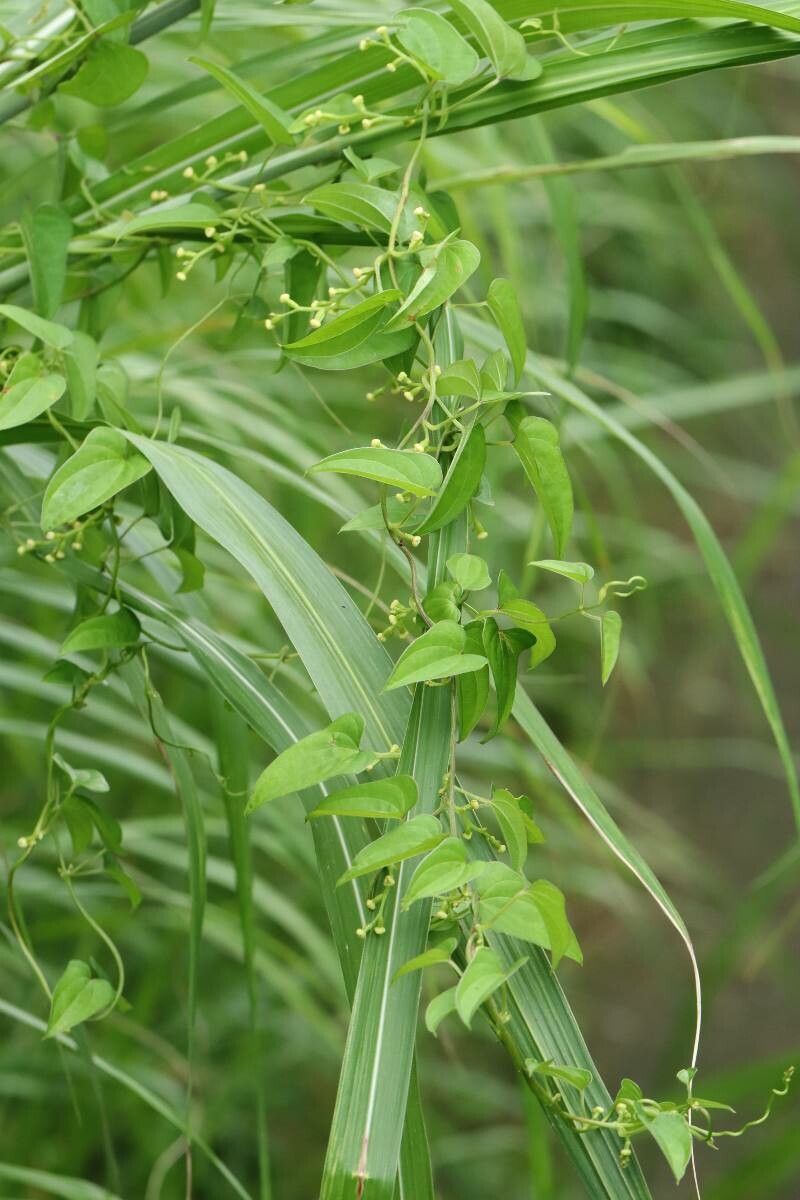
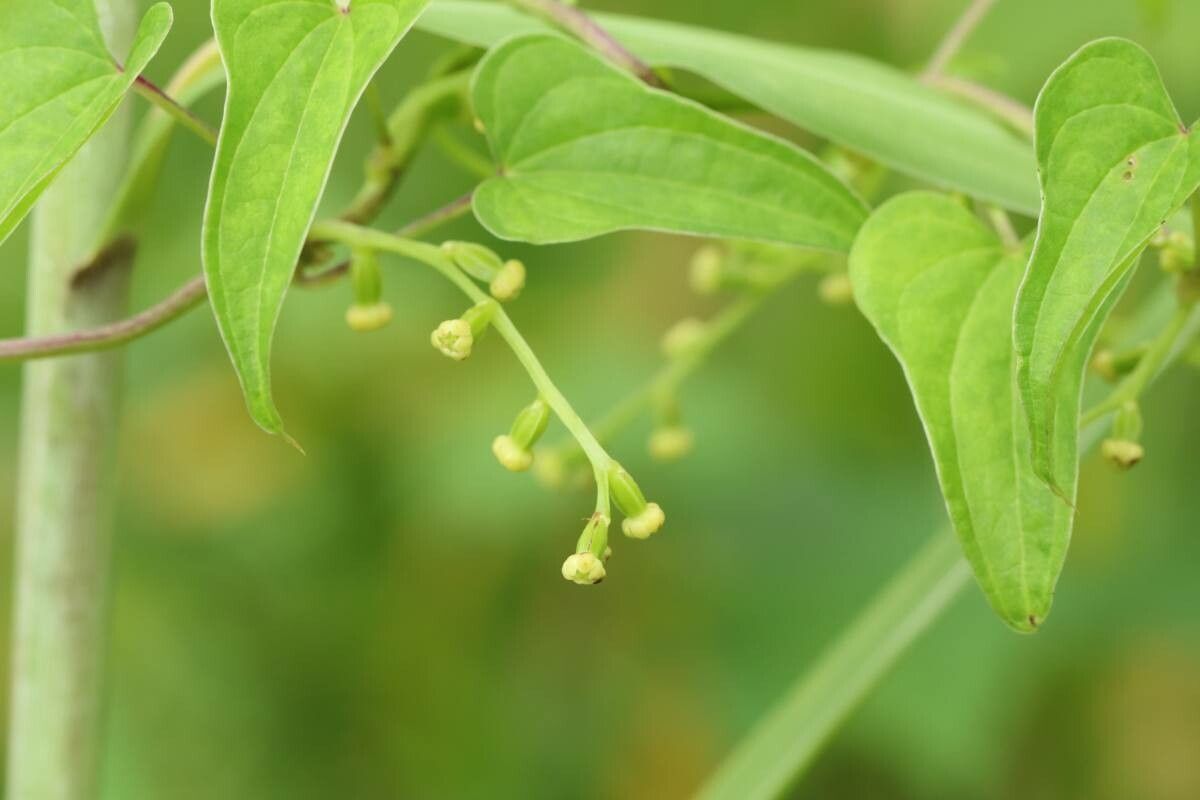
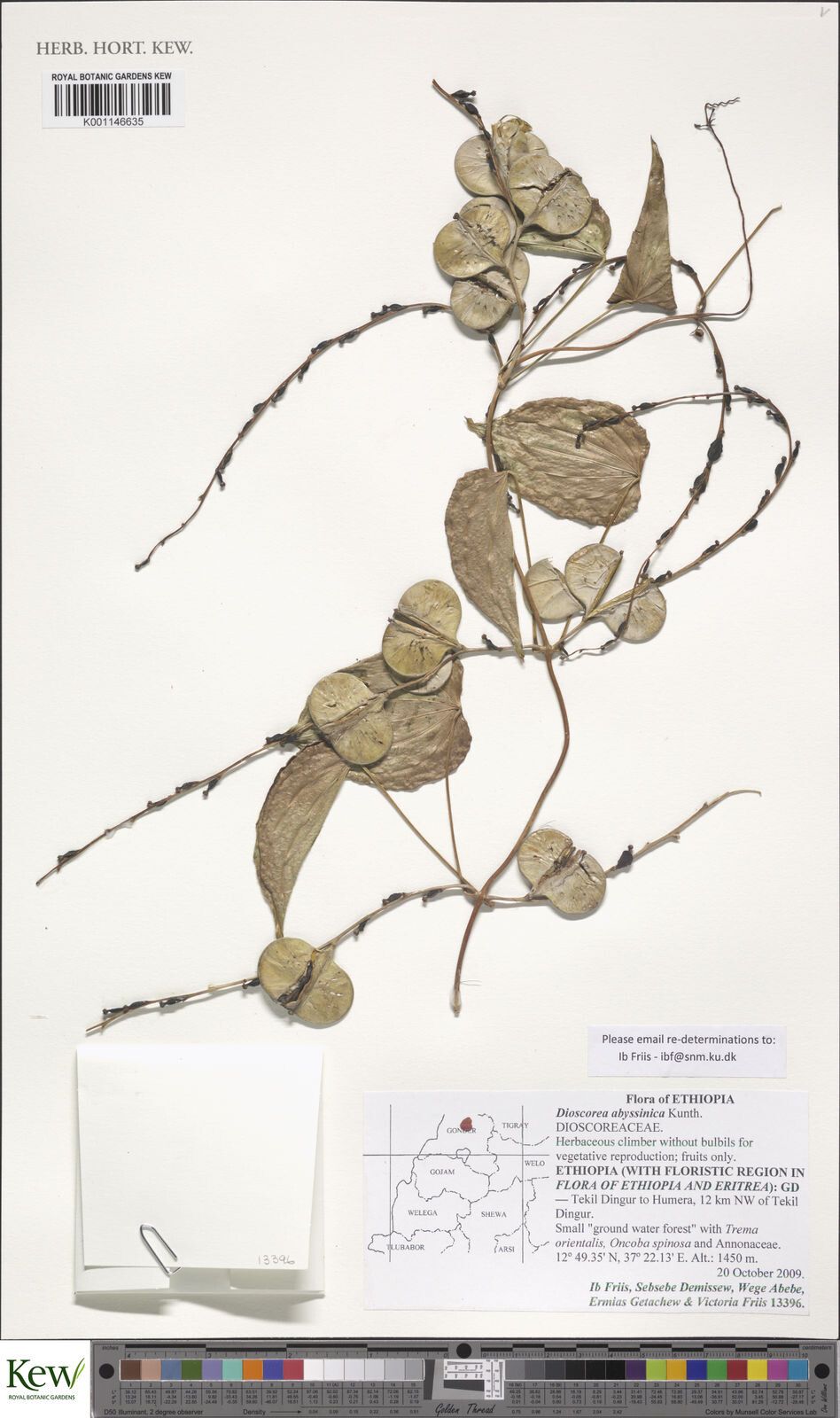
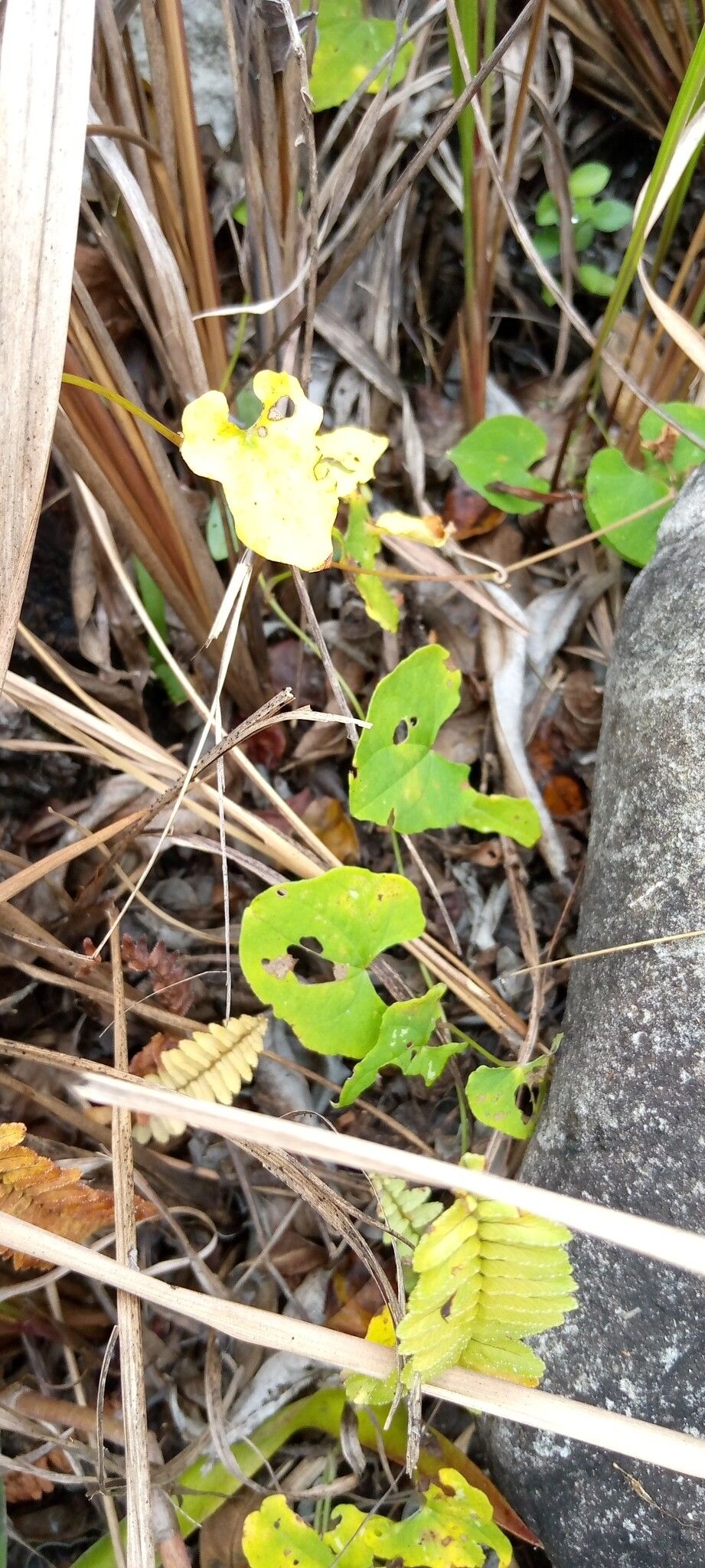
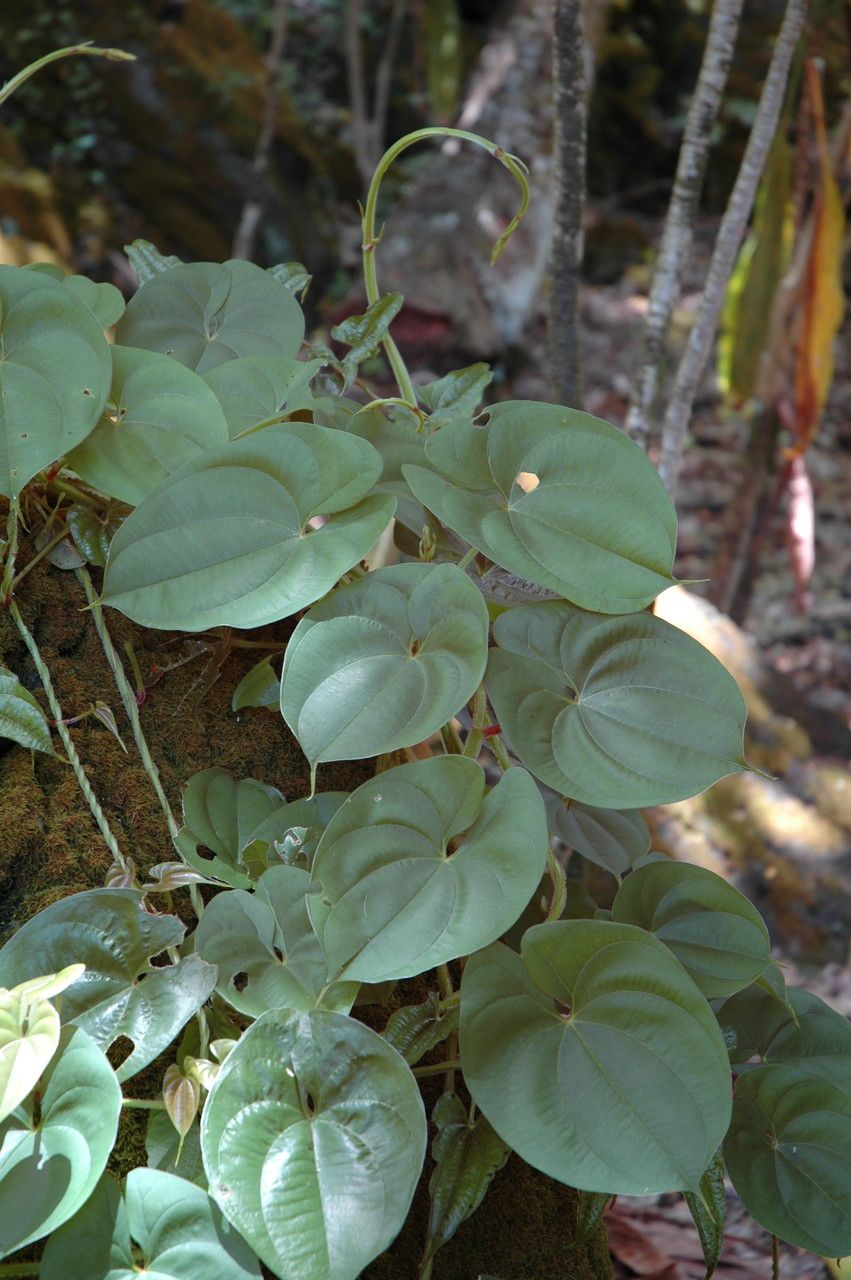
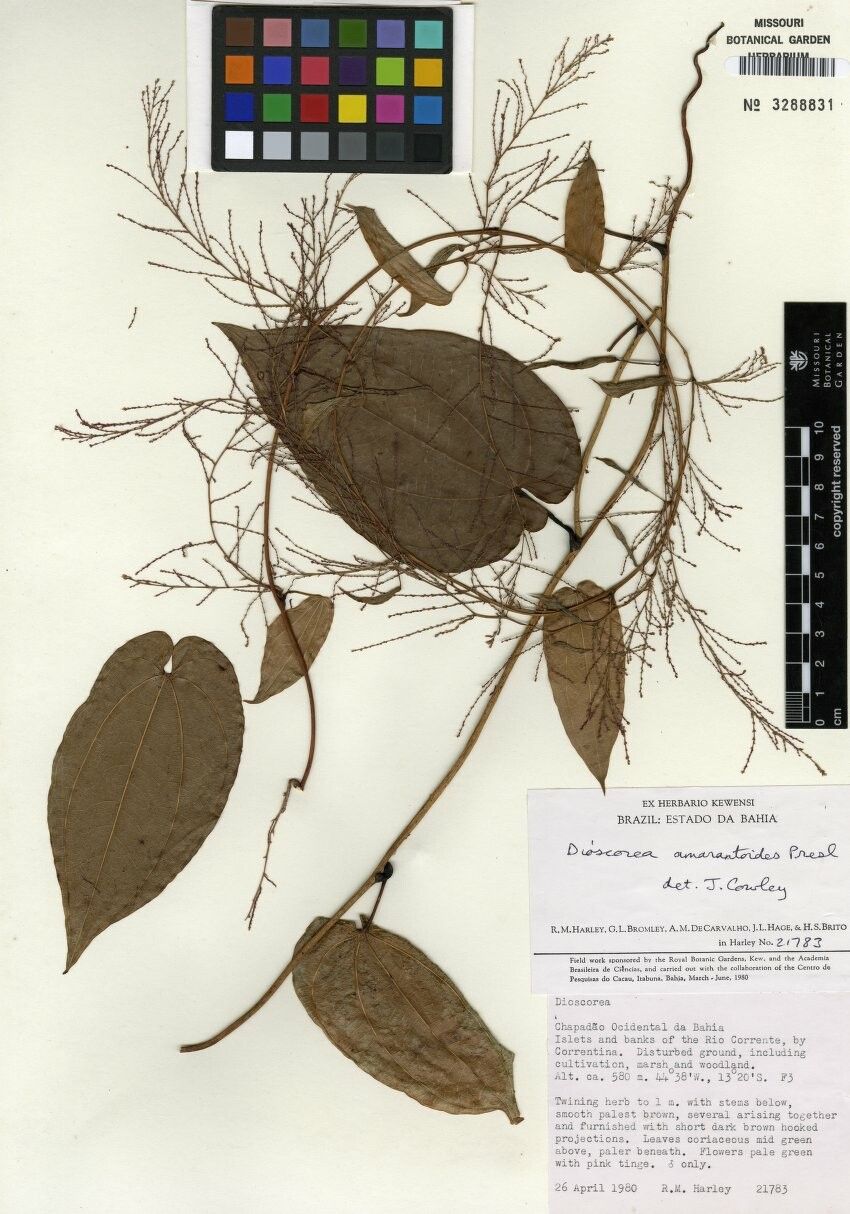
Dioscorea japonica, known as East Asian mountain yam, yamaimo, or Japanese mountain yam, is a type of yam (Dioscorea) native to Japan, Korea, China, Taiwan, and Assam.
East asian mountain yam shows moderate resistance to disease but can be prone to problems like leaf spot. Its vulnerability to insect pests varies with the variety, although most types are less resistant to pests. For care, East asian mountain yam requires regular watering and fertilizing, and yellow leaves should be pruned frequently. It is necessary to manage pests and diseases when they appear and to harvest the plant at the appropriate time. East asian mountain yam is best for people who can spare some time and energy for routine care.
How to keep Dioscorea Japonica.
Light
East asian mountain yam comes from habitats such as forest understories or rocky areas with natural shade. It prefers partial sunlight, though it can tolerate full sun when necessary. This adaptability allows it to thrive under a range of sunlight exposures.
Water
The East Asian mountain yam thrives in moderately moist soil and benefits from consistent watering that isn't excessive. For optimal growth, it's best to water the yam every three weeks, as its growth cycles depend on adequate water availability during the growing season.
Temperature
Moderate temperatures are best for the East Asian mountain yam, about the same range people usually find comfortable. It grows well in conditions that are not too hot and not too cold. The main problem with high heat is sunburn, so in summer some shading is recommended to avoid excessive warmth. When temperatures fall, the East Asian mountain yam goes dormant. If you want it to grow continuously, you need to keep temperatures higher through the winter. Frost can damage the plant and should be avoided.
Fertilizer
East Asian mountain yam species benefit from one or two applications of organic natural fertilizers containing potassium and phosphorus. Apply the fertilizer before planting, incorporate it into the soil and water thoroughly. One application is usually sufficient, but an additional dose can be applied once seedlings are established. Avoid overusing fertilizer to prevent damage to the plants.
Pruning
Native to East Asia, the East Asian mountain yam is characterized by its heart-shaped leaves and edible tubers. To promote growth and improve air circulation, it is advisable to prune the plant in early spring by removing dead stems. This light pruning not only encourages strong tuber production but also helps prevent disease, thereby optimizing the health and productivity of the East Asian mountain yam.
Botanical profile.
- Plant Type
- Vine
- Life Cycle
- Perennial
- Genus
- Dioscorea
- Family
- Dioscoreaceae
- Hardiness Zone
- 7-12
- Mature Height
- 3.05 m
- Mature Spread
- 0.91 m to 2.13 m
- Leaf Color
- Green, Dark Green
- Leaf Type
- Deciduous
- Flower Color
- White
- Flower Size
- 2.03 cm to 7.62 cm
- Bloom Time
- Mid summer, Late summer
- Planting Time
- Spring, Summer, Autumn
- Harvest Time
- Early fall, Mid fall
- Native Area
- India, Myanmar, Japan, Laos, China
Other names.