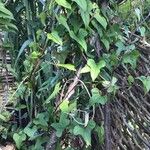
Dioscorea polystachya
Chinese yam · Chinese-potato · Cinnamon-vine · Yam · Yam vine
Description
Source: leafsnapDioscorea polystachya or Chinese yam (simplified Chinese: 山药; traditional Chinese: 山藥), also called cinnamon-vine, is a species of flowering plant in the yam family. It is sometimes called Chinese potato or by its Korean name ma.It is a perennial climbing vine, native to East Asia. The edible tubers are cultivated largely in Asia and sometimes used in alternative medicine. This species of yam is unique as the tubers can be eaten raw.
Care Guide
💧 Water
Chinese yam thrives in moderately moist environments, preferring consistent moisture without becoming waterlogged. To maintain optimal conditions, water the plant every three weeks and mist it periodically to replicate natural humidity levels. This plant is often grown indoors for its ornamental beauty and air-purifying qualities, and it also demonstrates some drought tolerance.
How should I water my Chinese yam plant in the best way?
To ensure excellent root development, it is recommended to place a garden hose at the base of the plant. Avoid spraying the leaves directly, and be aware that outdoor plants in direct sunlight may require more watering for their leaves. Another option is to use bubblers to moisturize the roots individually for each plant. Additionally, when adding or removing plants, soaker hoses can be used to thoroughly wet the entire garden or bed and encourage deep root growth. After watering, make sure to drain any excess water and allow the soil to dry before watering again. To prevent diseases, it is advisable to water at ground level rather than from above. On a sunny day, you may want to spray the whole bush with water. Whether the Chinese yam is potted or planted in the ground, keep in mind that it prefers deep watering rather than light sprinkling.
What should I do if I give Chinese yam too much or too little water?
An overwatered Chinese yam will show signs of yellowing, wilting, and dropping leaves. The plant may also look dull and have mushy stems. When these signs appear, it's important to adjust your watering schedule accordingly. Wilting can also indicate under watering, in which case the leaves will become crispy and dry. Check the soil for dryness and provide a thorough watering when necessary. However, even with enough water, the Chinese yam may still have dry and yellow leaves due to root damage. Once the plant returns to normal, the yellowing will stop. When growing Chinese yam indoors, always check the moisture levels in the pot and avoid overwatering. Look for signs of black spots, and if present, let the soil dry out by withholding water for a few days. Overwatering can cause root rot, so if you notice discolored and slimy roots, consider transferring the plant to a new pot. Prevent root rot by avoiding excessively soggy soil. When planting Chinese yam outdoors, dig a little deeper and if the soil feels too dry, it may be a sign of underwatering. Provide adequate watering to help the plant recover.
How many times should I water my Chinese yam?
The Chinese yam prefers deep and infrequent watering. If planted in pots, soak them in a gallon of water each time because the water storage in pots is limited and the soil dries out faster. In cold regions, water every 3 to 5 days, preferably in the early morning when the soil is dry. To determine if watering is needed, check the soil inside. If the top 2-3 inches are dry, it's time to water the plant fully. During hot days, check the moisture daily as the heat can quickly dry out the soil in pots. If you have a garden, irrigation is also necessary. In hot climates, water once a week when about 2 to 3 inches of soil become too dry. Consider the amount of rainwater and avoid adding more to prevent root rot. If there is sufficient rainfall, additional watering may not be needed. Chinese yams typically grow in spring and fall. Add mulch about 3 to 4 inches deep when they are outdoors to conserve water. Sandy soil requires more frequent watering due to faster drainage, while clay soil needs less frequent watering to avoid root rot. Mark the date on a calendar each time you water and pay attention to drooping leaves, which indicate that watering may be overdue.
How much water should I give my Chinese yam?
The Chinese yam generally needs about a gallon of water on a regular schedule. When it comes to potted plants, it's best to water them deeply until you see water dripping out of the bottom of the pot. Afterward, wait for the soil to dry before watering again. To determine the amount of water you've given your plant in a week, you can use a water calculator or a moisture meter. During the flowering period, provide plenty of water but allow the moisture to evaporate to prevent root rot. If you're planting Chinese yam outdoors and it receives adequate rainfall, additional watering may not be necessary. However, when the Chinese yam is young or newly planted, make sure it receives 1-2 inches of rain per week. As the Chinese yam continues to grow, it can rely solely on rainfall. Only in very hot weather or when there is no rainfall for 2-3 weeks, consider giving the Chinese yam a thorough watering during cooler times of the day to prevent damage from the heat. Additional watering will be necessary during prolonged dry spells.
Do I need to change how often I water my Chinese yam plant based on the seasons or weather?
The Chinese yam prefers to be outdoors and relies on rainfall for watering, but may need extra watering during dry weather. In the spring and fall, the soil should be kept moist but not soggy, with alternating dry and moist conditions being beneficial for growth. In the summer, hot weather can cause water to evaporate quickly, so additional watering may be necessary. During winter, the Chinese yam requires less water as it goes dormant. Well-draining soil is recommended during this time to help with evaporation. Once the plant begins to leaf out in the spring, watering can be skipped as it can rely on rainfall. Good drainage is important throughout the year, especially during flowering. Adequate watering is necessary for potted Chinese yam plants, especially in the summer. Deep soakings once or twice a week are recommended, while shallow sprinkles should be avoided as they can promote fungi growth. The plant should not be allowed to completely dry out in the fall or winter, even during dormancy. Overwatering should also be avoided as it can be detrimental to the plant, and applying mulch can help with water conservation and healthy blooms.
☀️ Light Full sun
Chinese yam does best in places that receive plenty of sunlight each day. Its growth and overall health are influenced by sun exposure: it prefers the intensity of full-day sun but can also cope in locations with some shade. Too much shade or an insufficient amount of light can cause it to grow poorly. Given its native background, it is adapted to high levels of sunlight.
How much sun does Chinese yam need to grow?
Chinese yam typically requires a minimum of 6 to 8 hours per day to grow and produce fruit, although exact needs can vary.
What kind of sunlight does Chinese yam require?
Chinese yam needs full sun to grow well. This means it should be planted in a spot that gets direct sunlight without any obstructions like trees, fences, or buildings. Generally, the faster the plant grows, the more sunlight it requires. Morning sun is particularly beneficial for photosynthesis.
Should I shield Chinese yam from direct sunlight?
In most climates, Chinese yam generally does not require protection from the sun. However, people living in desert regions or near the equator may find that the sun's intensity can be too harsh for some plants, although this is uncommon.
What happens if Chinese yam doesn't get enough sunlight?
Sunlight is essential for all plants to produce energy. However, plants with shorter growing seasons require even more light and energy compared to slow-growing plants. This is because they have a limited timeframe to complete all their growth processes and produce fruit. Insufficient sunlight in Chinese yam manifests as pale and yellow leaves that lack the necessary chlorophyll to maintain their healthy green color. Eventually, these leaves may fall off and new growth appears small and weak. In an attempt to reach available light, the plant may become spindly and sparse. Ultimately, inadequate light prevents Chinese yam from producing large, high-quality edible leaves or fruit. Since energy is needed for leaf and fruit development, a lack of sufficient light negatively impacts the harvest.
What will happen if Chinese yam gets too much sunlight?
Chinese yam is sensitive to intense sunlight, particularly when it is combined with high temperatures and insufficient water. The afternoon sun is especially likely to burn the plants. When the leaves get sunburned, they develop faded patches of light brown to white on the top areas that are exposed to the most sunlight. This is a common issue when the plants are recently transplanted from a shadier spot to full sun. To prevent sunburn in young plants, it is helpful to transition them gradually or provide a barrier while they adjust. Usually, Chinese yam plants develop large enough leaves to protect their fruits from the strongest sun rays. However, if the fruits come into direct contact with intense sunlight, they can also be damaged. It is important not to over-prune the protective leaves to avoid burning the fruits.
🌡️ Temperature 5–37.8°C
Chinese yam is native to regions where temperatures range from 41 to 100.4 °F (5 to 38 ℃). The plant performs well in moderate climates. When adjusting care seasonally, these temperature needs should be taken into account for optimal growth.
What is the best temperature for growing Chinese yam?
Chinese yam is most comfortable within a specific temperature range. This range prevents damage from extreme heat or cold, but if the leaf colors start changing, it's a sign that the plant is unhappy. Aim to keep the temperature between 70-85℉ (21-30℃), but don't worry if it occasionally goes a little higher or lower.
How can I keep Chinese yam safe from very hot or very cold weather outside?
If your Chinese yam is planted outside, moving it indoors may not be possible. However, you can still help it survive extreme temperatures by providing cover. One option is to create a shade tent using stakes and cloth, which will shield the plant from direct sunlight. Similarly, you can protect the yam from cold and chilly winds by constructing a small greenhouse using garden stakes and clear or translucent plastic. If you have greenhouse plastic like polycarbonate, it's ideal. Once nighttime temperatures reach 40℉(10℃), you can remove the greenhouse.
Does Chinese yam require varying temperatures throughout the year?
Chinese yam prefers a specific temperature range throughout the year, but its care requirements can vary. In the warmer months, it needs some shade and a breeze to handle the heat. Conversely, in cooler climates where temperatures dip below 40℉(10℃) at any time, it should be relocated away from cold windows and doors.
What is the best way to keep my Chinese yam at the correct temperature?
Keeping your Chinese yam at the right temperature can be simple, depending on where you grow it. If you're growing it indoors, you can easily move the plant to different locations within your indoor space that meet its temperature requirements. Just be sure to avoid placing it near air conditioning vents, heaters, frequently opened doors, or drafty windows. However, controlling the temperature can be a bit more challenging if you're growing it outside. If it's planted in a pot, you can simply bring it indoors when the temperatures get too hot or cold. Otherwise, you may need to take measures to protect it from extreme heat or cold that could permanently damage it. Try placing your Chinese yam under cover to shield it from the harsh sun and cold wind.
💨 Humidity
🪴 Soil 5-7
🌱 Fertilizer
Chinese yam varieties benefit from one or two applications of organic natural fertilizers containing potassium and phosphorus. Apply the fertilizer before planting, work it into the soil and water thoroughly. Usually a single application is enough, though a second dose can be applied once seedlings are established. Avoid overusing fertilizer to prevent damage to the plants.
🪴 Pot & Repot
✂️ Pruning
Chinese yam is characterized by its climbing vines and tuberous roots. To promote healthier growth, prune in early spring to remove dead stems and thin out overcrowded areas, which will enhance air circulation. Be cautious not to prune too heavily, as the plant depends on its foliage for nutrients. Always use clean, sharp tools to ensure effective and precise cuts.
🌿 Propagating
🐛 Diseases & pets
☠️ Toxicity
Characteristics
- Plant Type
- Vine
- Life Cycle
- Perennial
- Genus
- Dioscorea
- Family
- Dioscoreaceae
- Hardiness Zone
- 4-11
- Mature Height
- 2.74 m
- Mature Spread
- 1.52 m
- Leaf Color
- Green
- Leaf Type
- Deciduous
- Flower Color
- White
- Flower Size
- 27.94 cm
- Bloom Time
- Early summer, Mid summer
- Planting Time
- Spring, Autumn
- Harvest Time
- Mid summer, Late summer