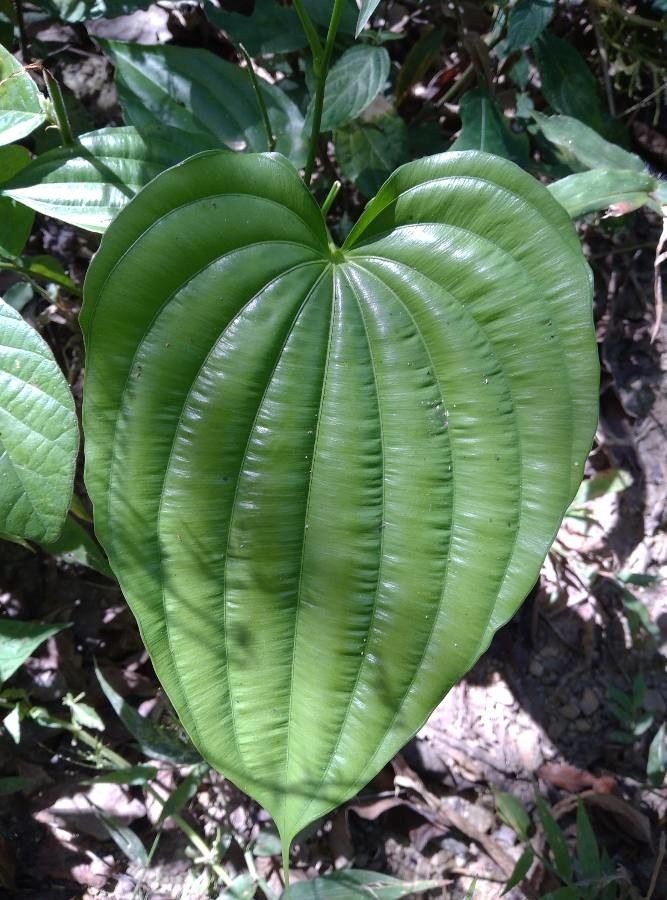
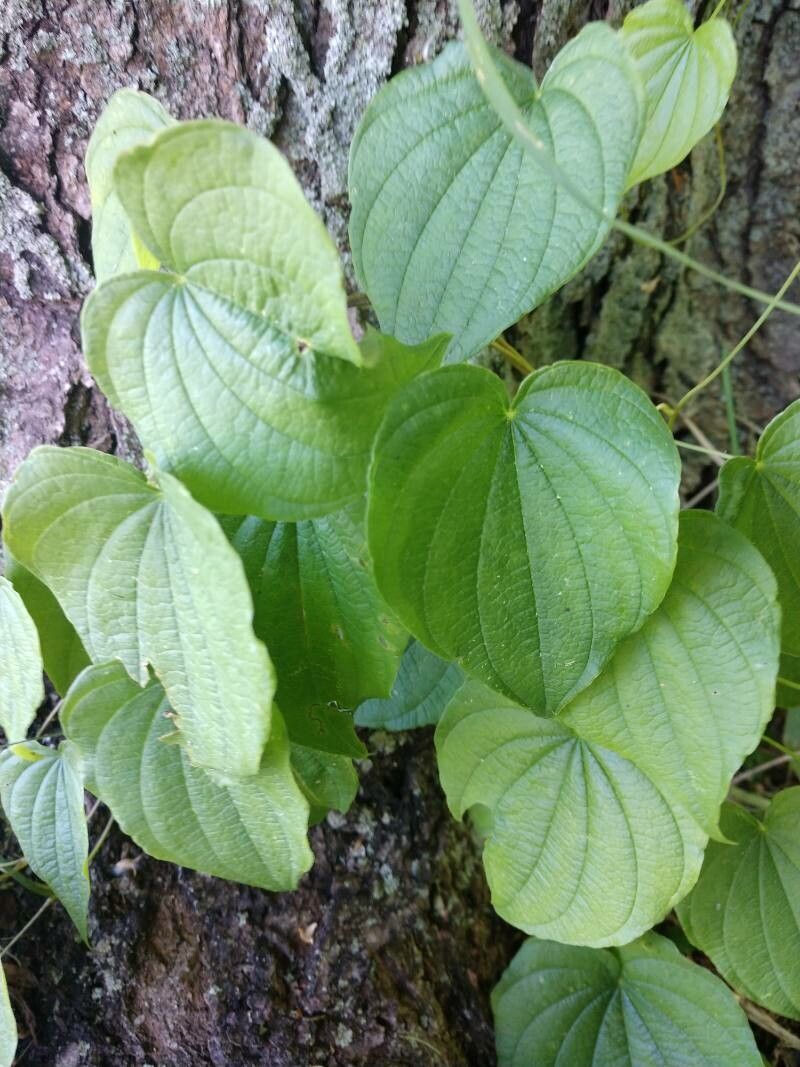
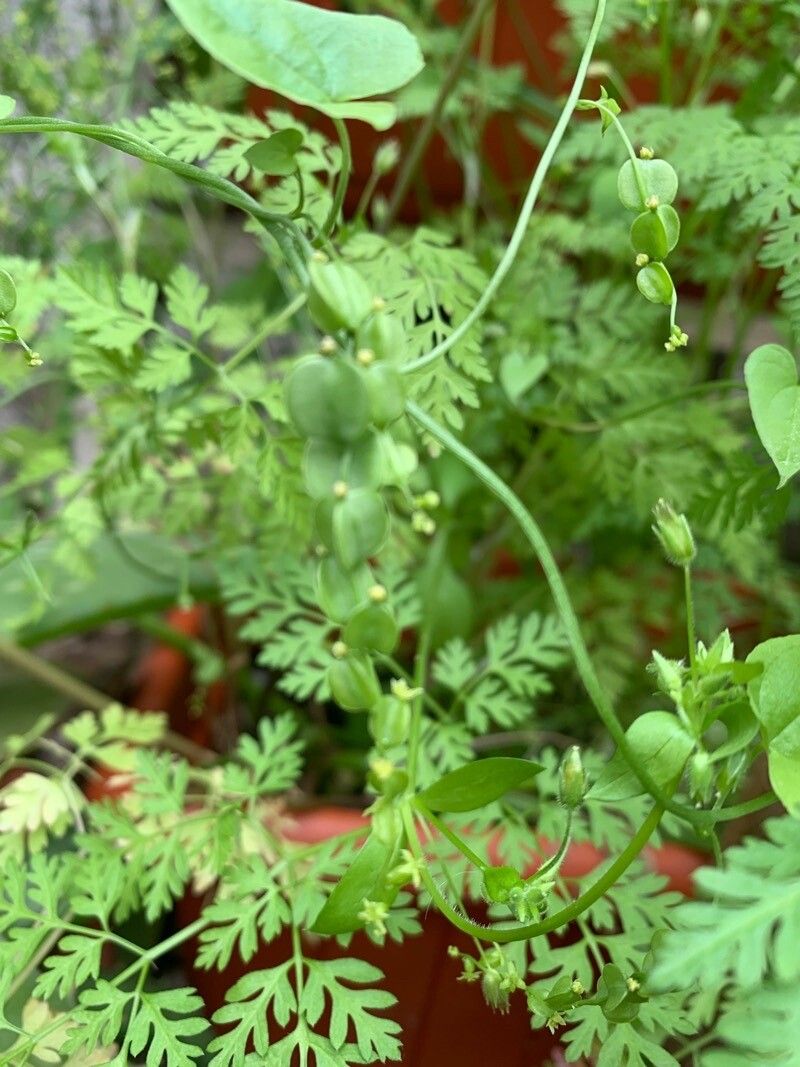
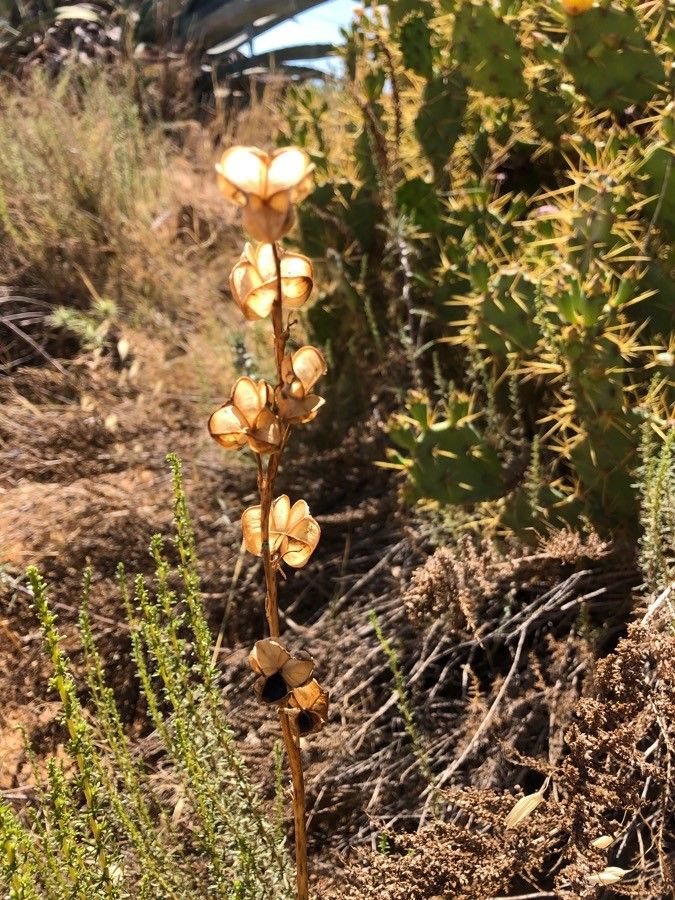
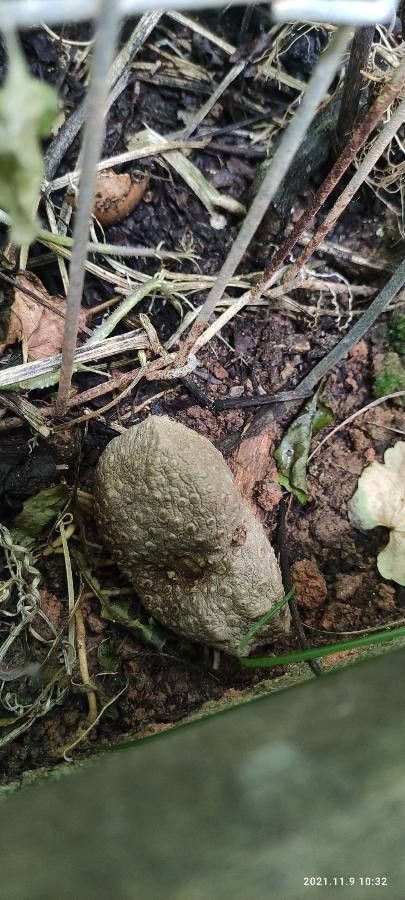
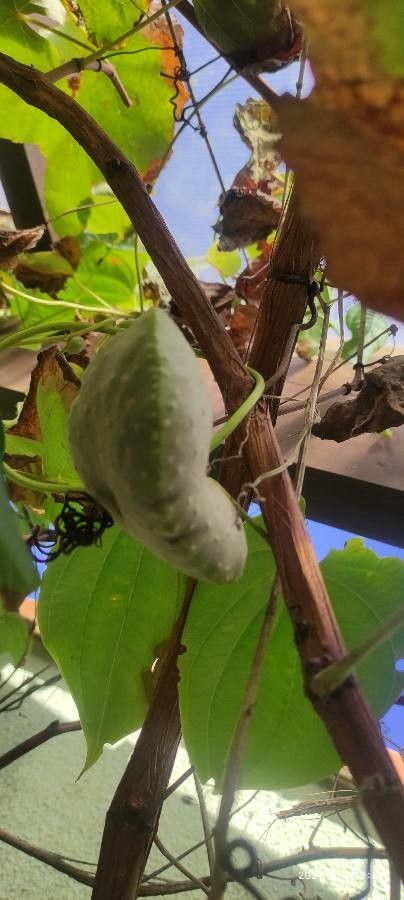
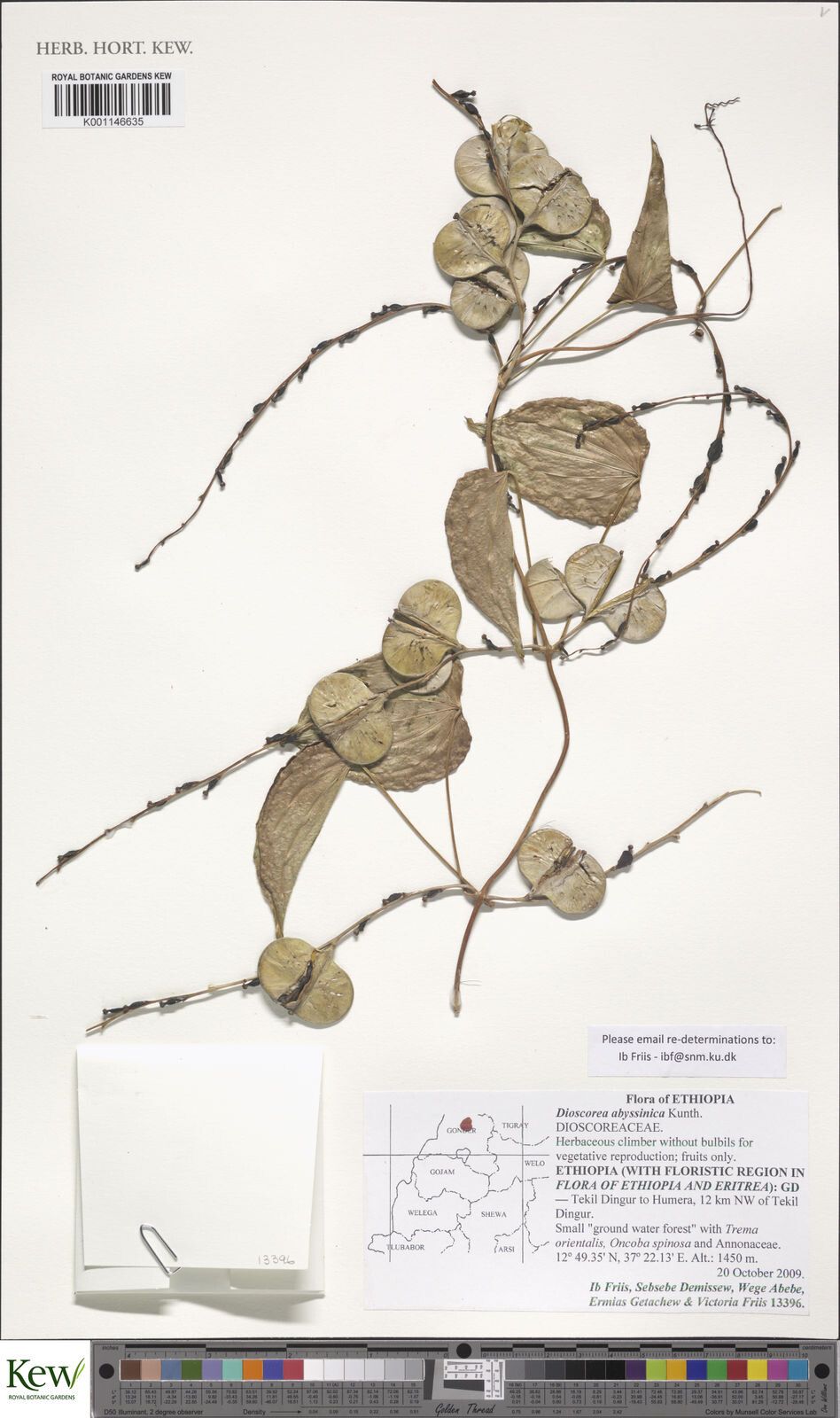
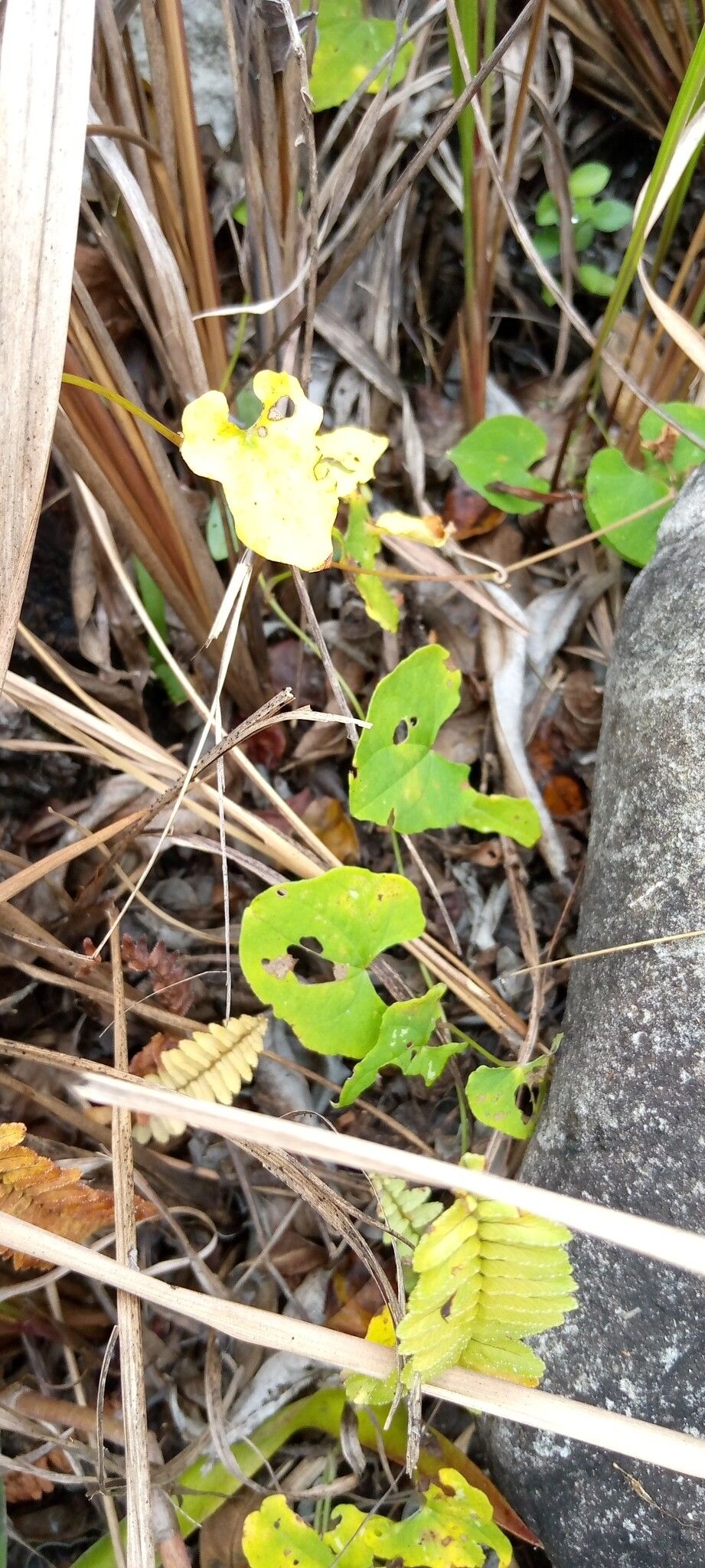
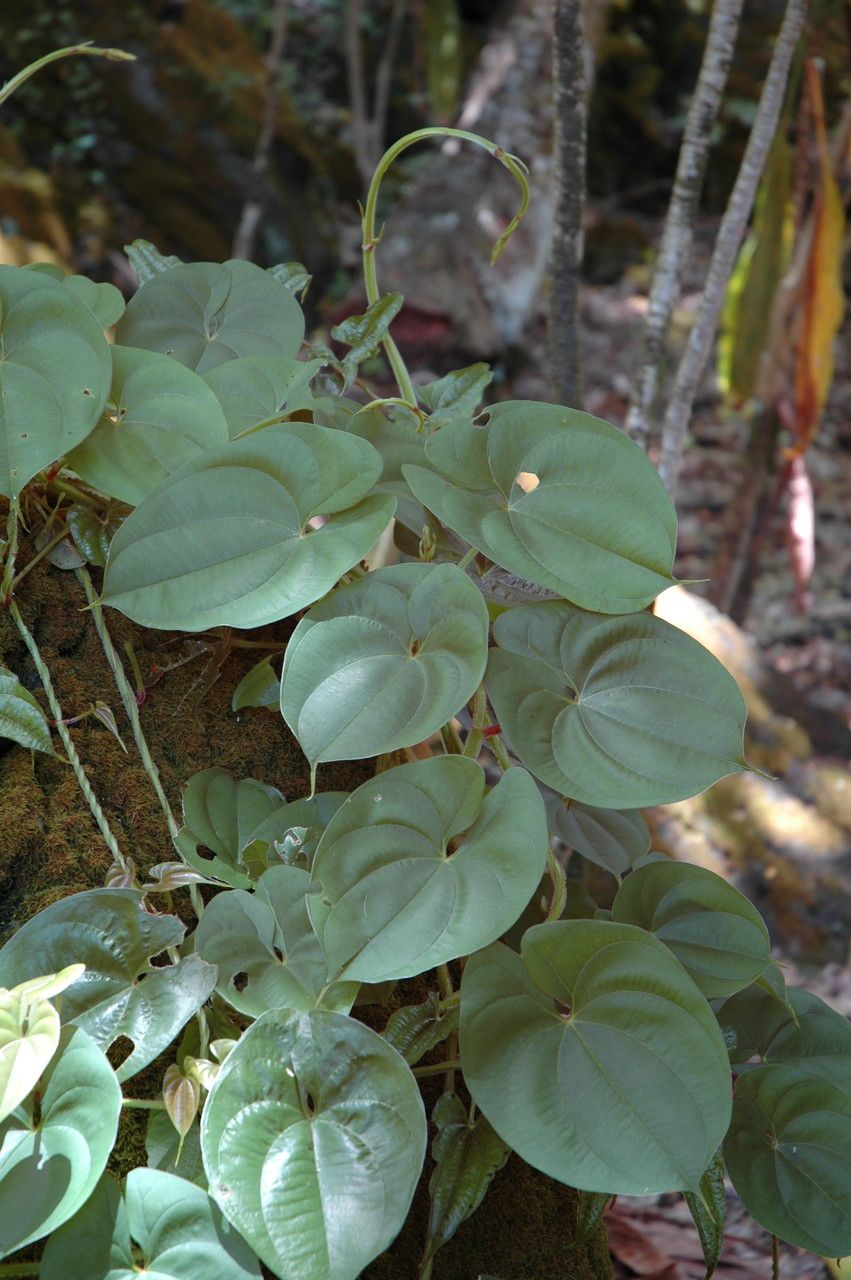
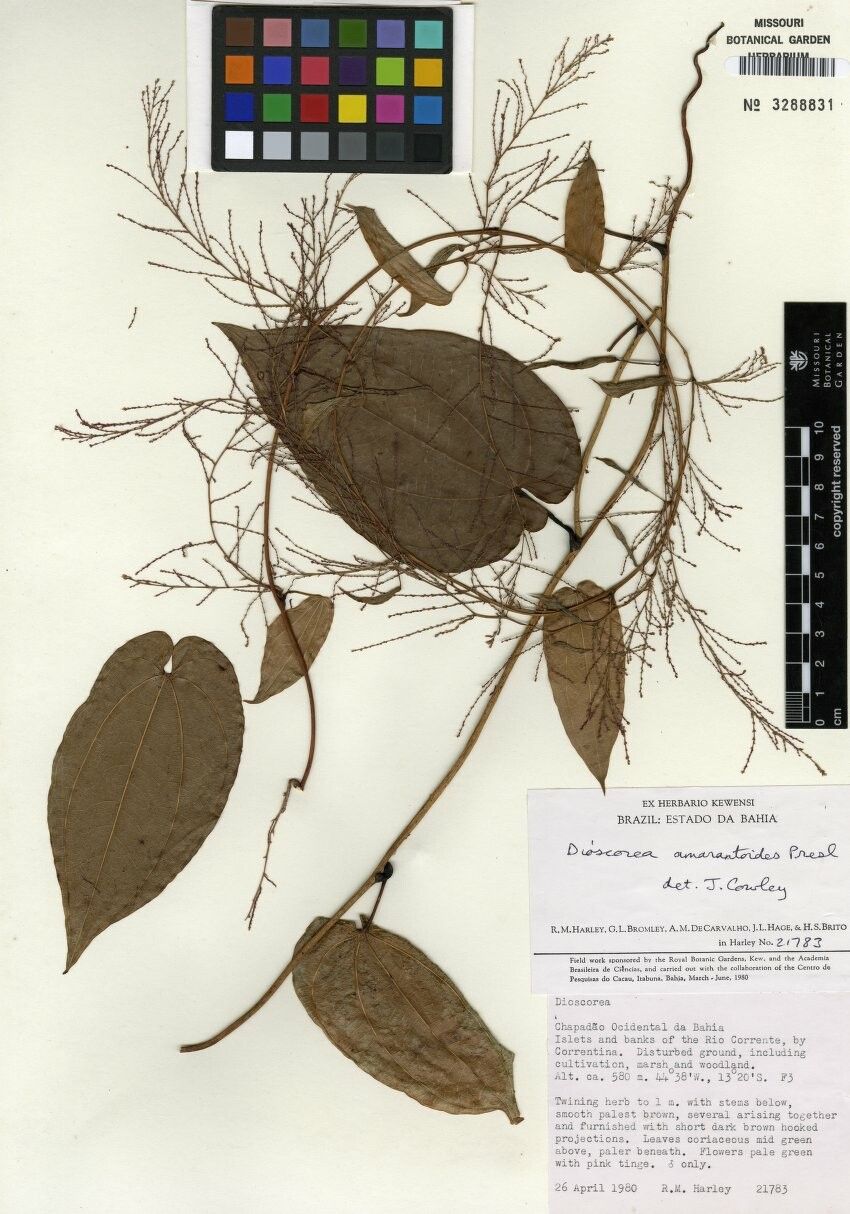
Dioscorea villosa, commonly known as wild yam, is a perennial vine belonging to the Dioscoreaceae family. Native to North America, this plant thrives in various habitats, including woodlands, meadows, and thickets. It features a twining stem that can grow up to 6 meters in length and produces heart-shaped leaves with pointed tips.
For centuries, Native Americans have utilized wild yam for its medicinal properties. The plant contains diosgenin, a precursor to the progesterone hormone used in the production of birth control pills. Additionally, wild yam contains alkaloids and saponins, compounds known for their anti-inflammatory properties.
The roots of wild yam are harvested for medicinal purposes and are commonly used to treat menstrual cramps, menopausal symptoms such as hot flashes and mood swings, and digestive disorders like colic or diarrhea. It is also believed to have anti-rheumatic properties, making it useful in treating joint pain.
Wild yam supplements are available in various forms, including capsules and creams. Topical creams can be applied to the skin to relieve irritations such as eczema and psoriasis.
While wild yam has traditionally been used for its medicinal benefits, it should not be taken without first consulting a healthcare professional, especially if you have any underlying medical conditions or are taking other medications. It may interact negatively with certain medications if taken without proper guidance from your doctor.
Botanical profile.
- Plant Type
- Herb
- Life Cycle
- Perennial
- Genus
- Dioscorea
- Family
- Dioscoreaceae
- Hardiness Zone
- 5-9
- Mature Height
- 1.83 m to 4.57 m
- Mature Spread
- 61 cm
- Leaf Color
- Bronze
- Leaf Type
- Deciduous
- Flower Color
- Yellow, Green, White, Gold
- Flower Size
- 2.54 cm
- Bloom Time
- Early summer, Mid summer
- Planting Time
- Autumn
- Harvest Time
- Mid summer
Other names.