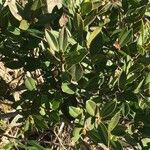
Diospyros glabra
Blueberrry bush · Fynbos Star Apple · Blueberry bush
Description
Source: leafsnapDiospyros glabra, commonly known as the velvet apple or velvet persimmon, is a tropical fruit tree native to Southeast Asia and the Pacific Islands. It belongs to the family Ebenaceae and can grow up to 20 meters tall. The tree features a dense crown of glossy green leaves that are oval-shaped and leathery in texture. The fruit of Diospyros glabra is round or oval-shaped, with smooth skin that ranges in color from yellowish-green to reddish-brown when ripe. The flesh is soft and juicy, offering a sweet flavor that resembles caramel or honey. Traditionally, the tree has been used for its medicinal properties in various cultures. Its bark, leaves, fruits, and seeds have been utilized for treating various ailments such as diarrhea, dysentery, and fever. Diospyros glabra thrives in warm temperatures between 20-30°C (68-86°F) with high humidity levels. It prefers well-drained soils rich in organic matter but can also tolerate poorer soils. Overall, Diospyros glabra is an important tropical fruit tree not only because of its delicious fruits, which are rich in vitamins A and C, but also for its medicinal properties. This makes it a valuable plant species from both economic and health perspectives.
Care Guide
💧 Water Every 7 days
Watering the cape starapple is essential at four critical stages: before germination, during the growth of new branches, as the fruit expands, and just before the ground freezes. During dry periods, make sure to irrigate your plants to keep the soil moist. In the rainy season, manage drainage effectively to prevent waterlogging and maintain consistent soil moisture.
☀️ Light Partial sun
Cape starapple naturally occurs in habitats like forest understories or rocky sites, where it grows in natural shade. It favors partial sun but can tolerate both full sun and deep shade, illustrating its adaptable, hardy nature.
What are the sun requirements for Cape Starapple (Diospyros glabra)?
Cape Starapple (Diospyros glabra) thrives in various sunlight conditions depending on your garden's needs. For full sun exposure, ensure it receives above 6 hours of sunlight daily, which is ideal for optimal growth. If your garden area is slightly shaded, partial sun, about 3-6 hours of sunlight, will also suit this plant well. Nonetheless, it’s crucial to observe how sunlight moves through your garden throughout the day. Selecting the correct spots that offer a healthy balance of light and shade is key to ensuring the happiness and health of your Cape Starapple plants.
🌡️ Temperature 20–37.8°C
Cape starapple is native to tropical areas, where the climate is generally warm and humid. Consequently, it is well suited to high heat and moisture. It is sensitive to abrupt temperature shifts and prefers a consistent thermal environment, so avoiding temperature fluctuations indoors is important. It typically cannot tolerate cold and needs warmer conditions to grow; if the ambient temperature falls too low, the plant may stop growing or even die.
What is Cape starapple?
The Cape starapple, scientifically known as Diospyros glabra, is a plant species recognized by its unique name. Unfortunately, there is no further information provided about its characteristics, uses, or other essential details concerning this species. For more comprehensive insights, additional research or resources may be required.
💨 Humidity
🪴 Soil 6-7
🌱 Fertilizer
Use organic fertilizers (e.g., fish emulsion, compost) instead of chemical ones for Cape starapple. Apply higher levels of nitrogen and phosphorus to young plants in spring. Mix compost or fertilizer into the soil before or shortly after planting. For mature plants, add a balanced fertilizer or one aimed at specific deficiencies in spring. Nutrient deficiency leads to small leaves, short branches, yellow or bronze foliage, acidic fruits, premature fruit drop, and splitting.
🪴 Pot & Repot
✂️ Pruning
Cape starapple benefits greatly from early spring pruning. Focus on removing dead or damaged branches to improve airflow and increase sunlight exposure. Additionally, selectively trim back any overreaching stems to maintain balance. This approach aligns with the tree's growth phase, promoting robust development and enhancing fruit production for a healthier and more attractive garden display.
🌿 Propagating
🐛 Diseases & pets
☠️ Toxicity
Characteristics
- Plant Type
- Tree
- Life Cycle
- Perennial
- Genus
- Diospyros
- Family
- Ebenaceae
- Hardiness Zone
- 9-11
- Mature Height
- 2.13 m to 3.96 m
- Mature Spread
- 1.52 m to 3.05 m
- Leaf Color
- Dark Green, Olive Drab
- Leaf Type
- Semi-evergreen
- Flower Size
- 0.51 cm to 1.02 cm
- Bloom Time
- Mid fall, Late fall
- Planting Time
- Spring, Autumn
- Harvest Time
- Spring
- Native Area
- South Africa