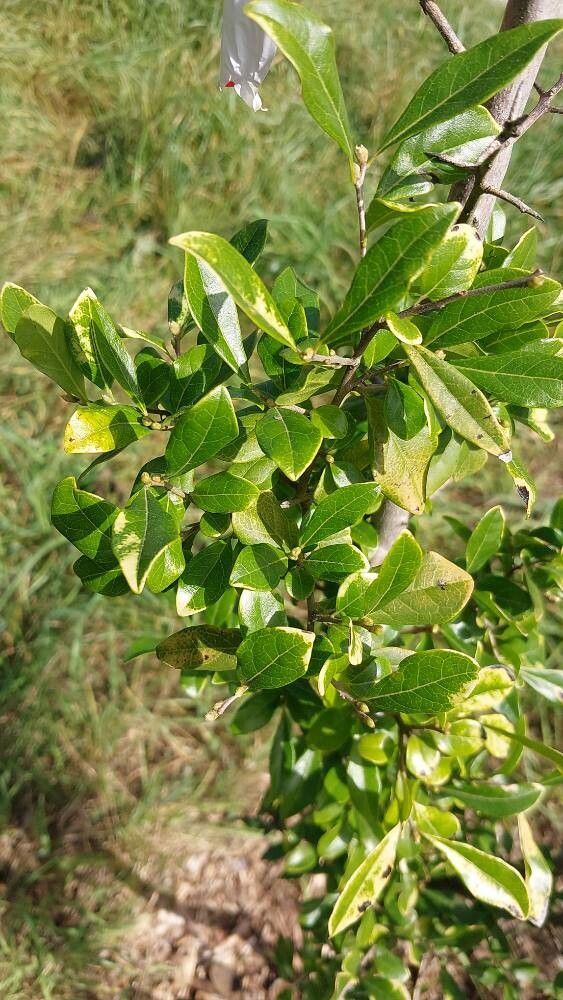
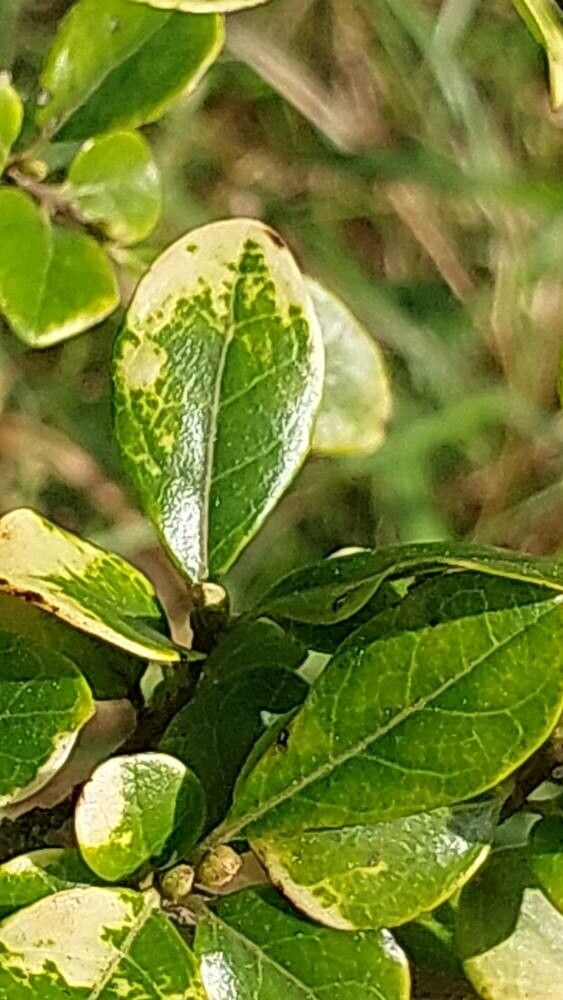
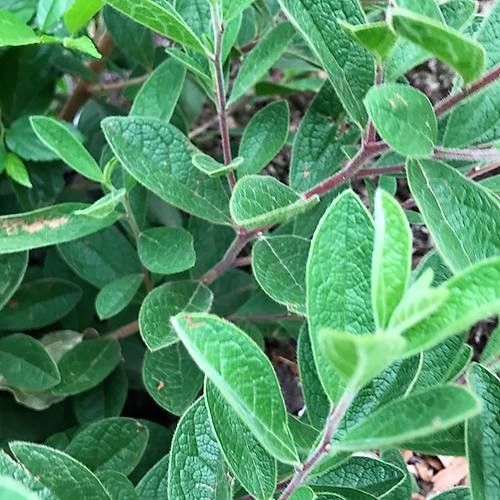
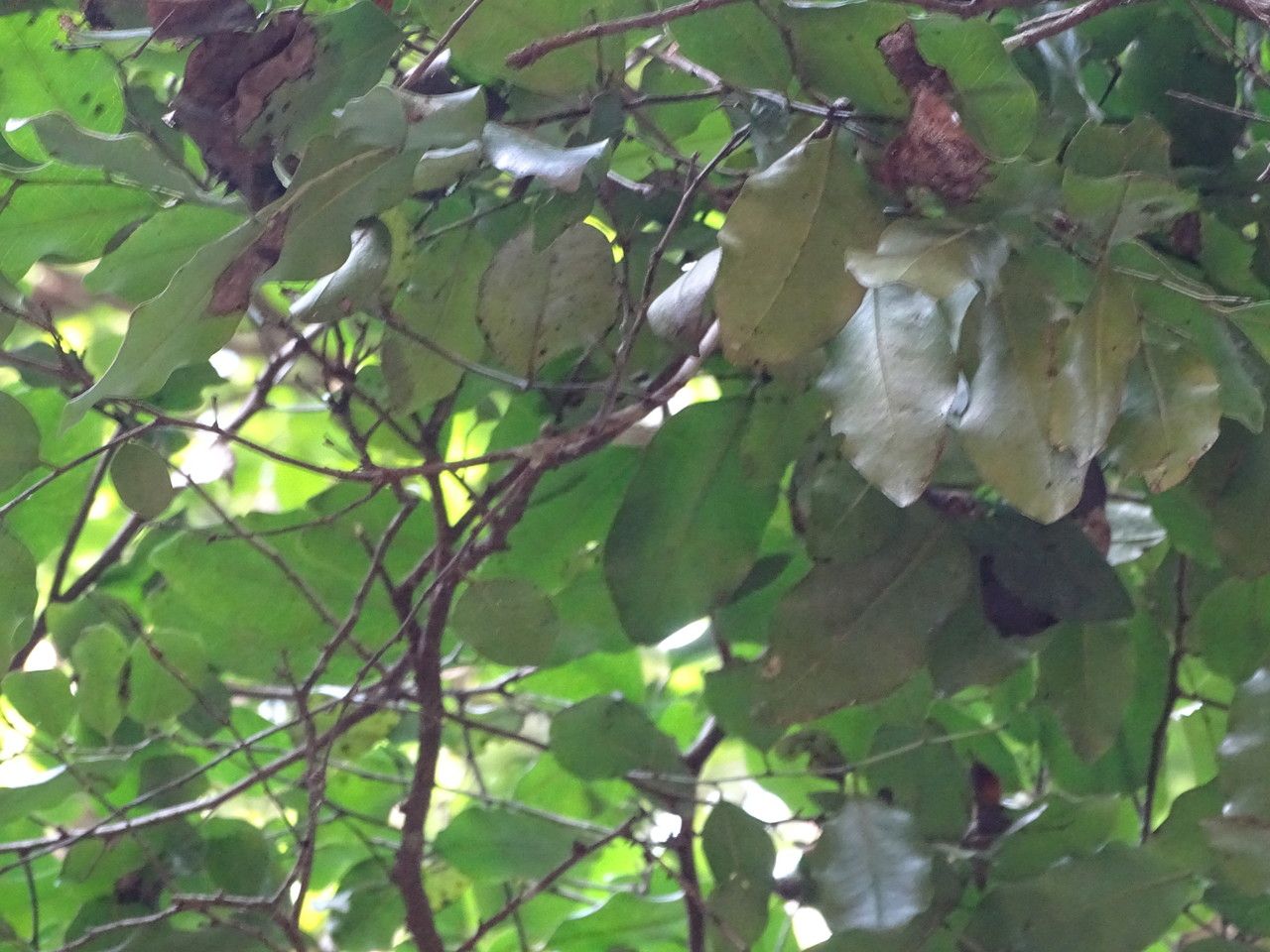
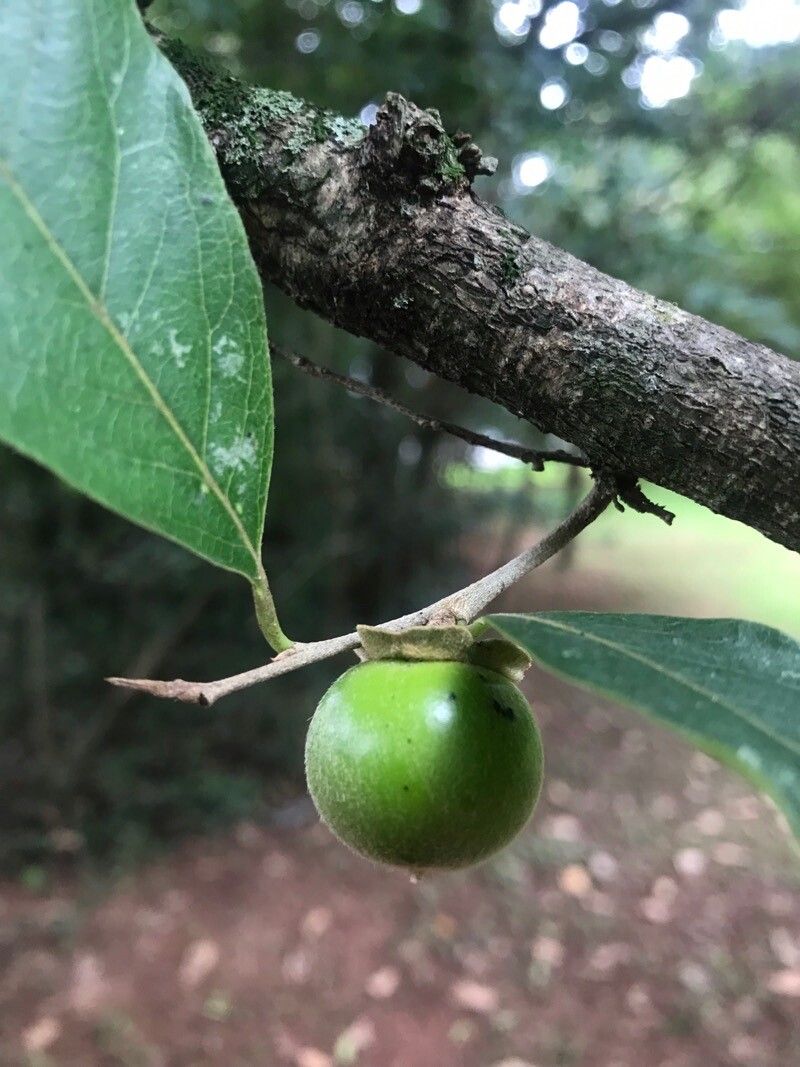
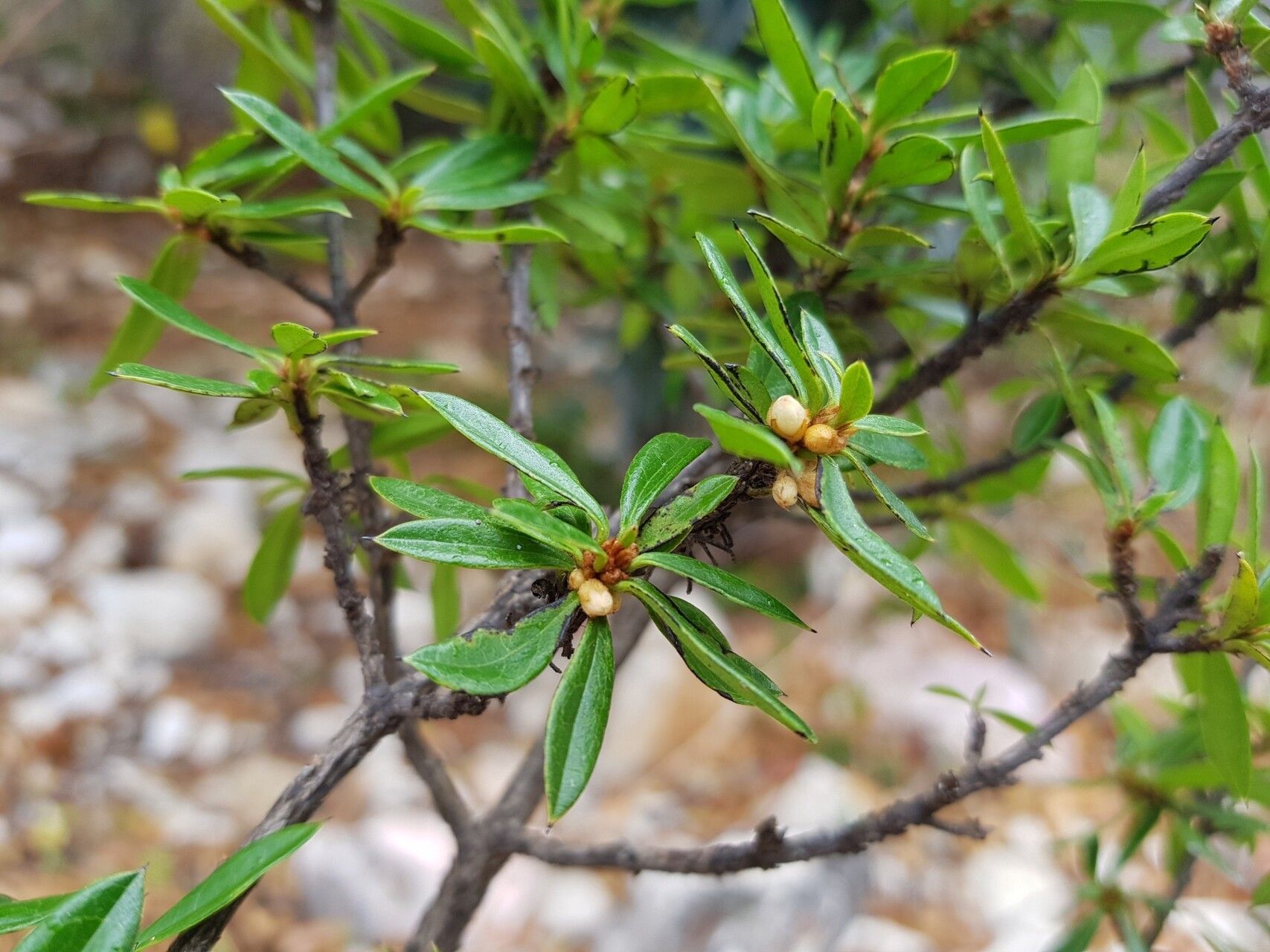
Diospyros rhombifolia, the diamond-leaf persimmon or princess persimmon, is a species of flowering plant in the family Ebenaceae. It is native to southeast China. A shrub or tree reaching 8 m (26 ft), and hardy to USDA zone 7b, it is widely cultivated as an ornamental for its small leaves and attractive orange fruit.
Diamond-leaf persimmon has strong resistance to disease and is typically not susceptible to illnesses. Regarding upkeep, this plant is fairly easy to care for. When grown outdoors it needs little watering, and larger specimens usually do not require pruning. However, smaller specimens should be pruned after they finish blooming. Diamond-leaf persimmon is appropriate for anyone who has an outdoor area, like a garden or a deck, and does not demand extensive experience in plant care.
How to keep Diospyros Rhombifolia.
Light
The diamond-leaf persimmon performs best with ample sunlight. Native to brightly lit habitats, it is a plant accustomed to receiving a lot of light. Excessive shading or inadequate light can limit its growth and may negatively affect the plant's overall health. Although it prefers abundant light, it can tolerate low-light conditions.
Water
The Diamond-leaf persimmon, which comes from regions that experience both wet and dry seasons, shows a moderate tolerance for drought. It thrives best in soil that maintains consistent moisture and drains well. Watering the plant every two weeks helps support its growth, making it an excellent choice for outdoor gardens in areas with distinct seasonal rains.
Temperature
Diamond-leaf persimmon comes from tropical areas where the climate is usually warm and humid. Because of this, it is well suited to high heat and humidity. It is sensitive to rapid temperature changes and prefers a consistent temperature, so avoid temperature fluctuations indoors. It generally cannot tolerate cold and needs warmer conditions to grow. If the ambient temperature falls too low, the plant may stop growing or even die.
Fertilizer
Use organic fertilizers (for example, fish emulsion or compost) rather than chemical fertilizers for Diamond-leaf persimmon. Provide higher amounts of nitrogen and phosphorus to young plants in spring. Incorporate compost or fertilizer into the soil before or after planting. For mature plants, apply a balanced fertilizer or one formulated for specific deficiencies in spring. Nutrient deficiency causes small leaves, short branches, yellow or bronze foliage, acidic-tasting fruits, premature fruit drop, and splitting.
Pruning
The diamond-leaf persimmon is known for its distinctive diamond-shaped leaves and requires careful pruning in early spring to ensure optimal health. To promote vigorous growth and fruit production while minimizing the risk of pests, it's important to remove dead branches, thin crowded areas to improve airflow, and maintain the tree's shape. Use sharp, clean tools to make precise cuts, which also help the tree heal more quickly.
Pot & Repot
The diamond-leaf persimmon should be repotted every 2 to 3 years, ideally in the spring. When repotting, use a slightly larger pot to accommodate root growth. Make sure to use well-draining soil, water consistently, and place the plant in partial sunlight after repotting to ensure optimal recovery and thriving conditions.
Botanical profile.
- Plant Type
- Tree
- Life Cycle
- Perennial
- Genus
- Diospyros
- Family
- Ebenaceae
- Hardiness Zone
- 9-11
- Mature Height
- 7.92 m
- Mature Spread
- 1.83 m to 3.05 m
- Leaf Color
- Dark Green, Forest Green
- Leaf Type
- Deciduous
- Flower Color
- White, Yellow
- Flower Size
- 1.02 cm to 1.52 cm
- Bloom Time
- Early summer, Mid summer
- Planting Time
- Spring
- Harvest Time
- Fall
- Native Area
- China
Other names.