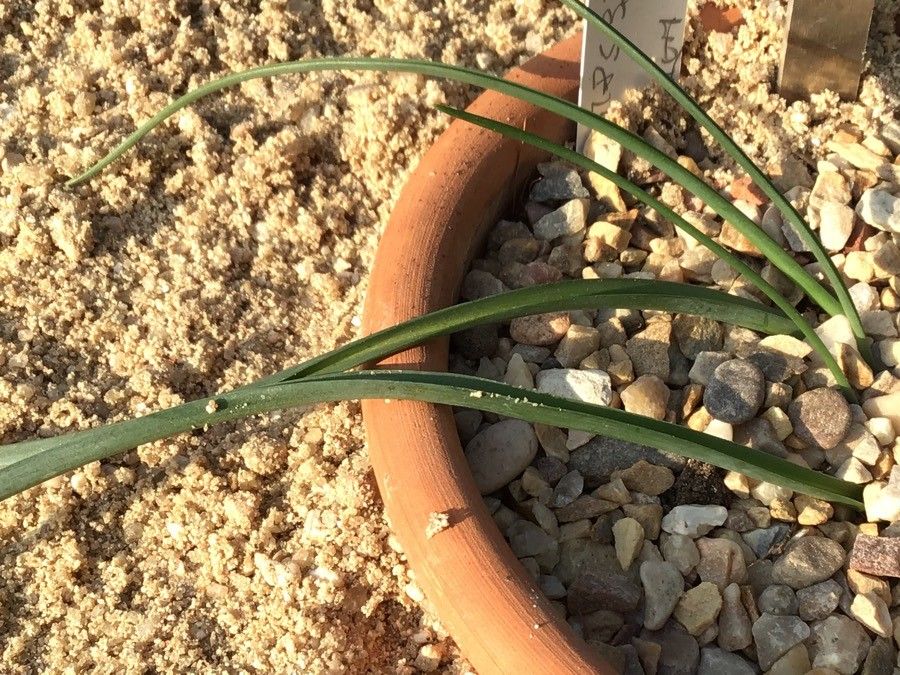
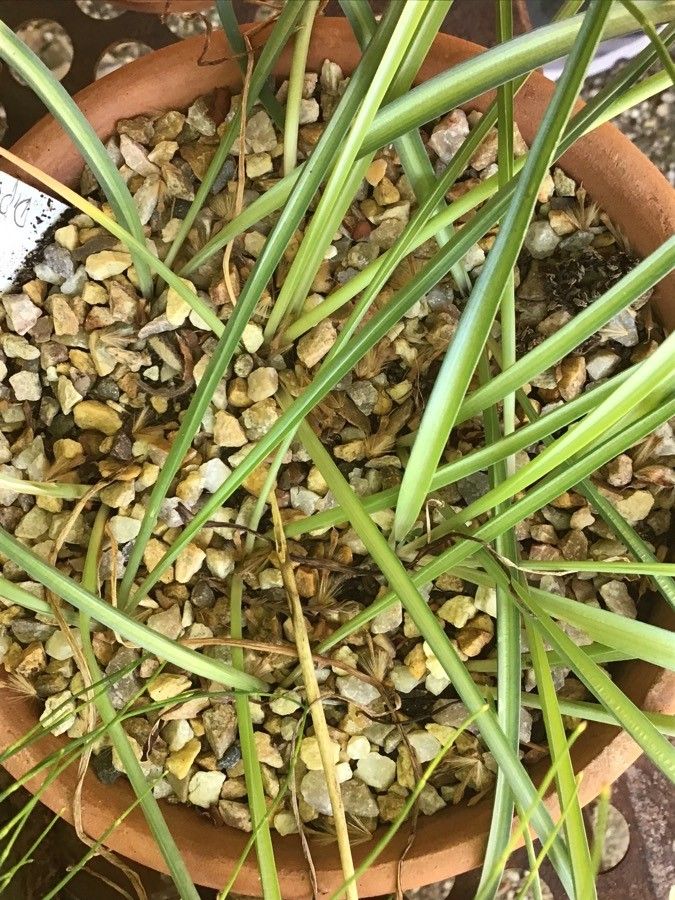
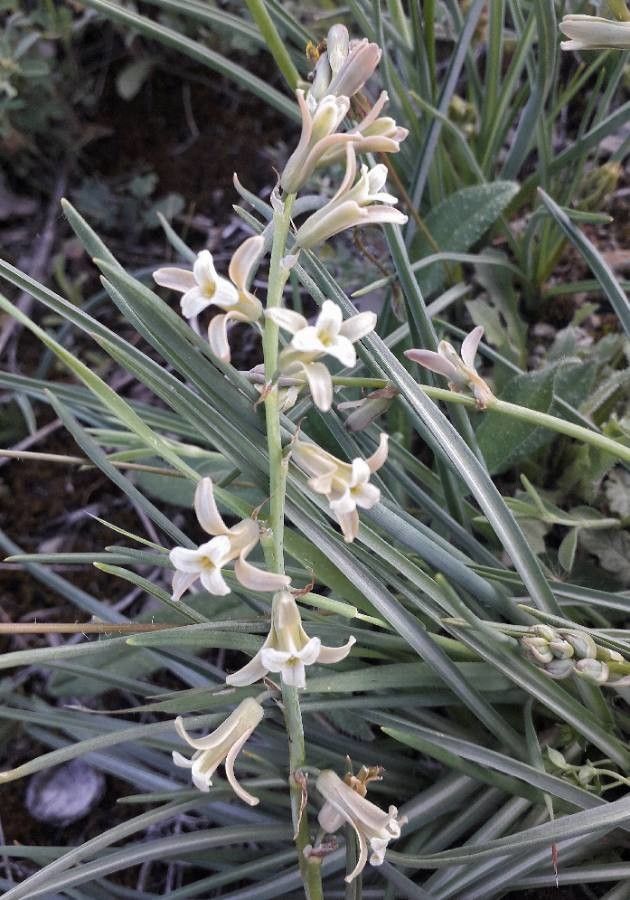
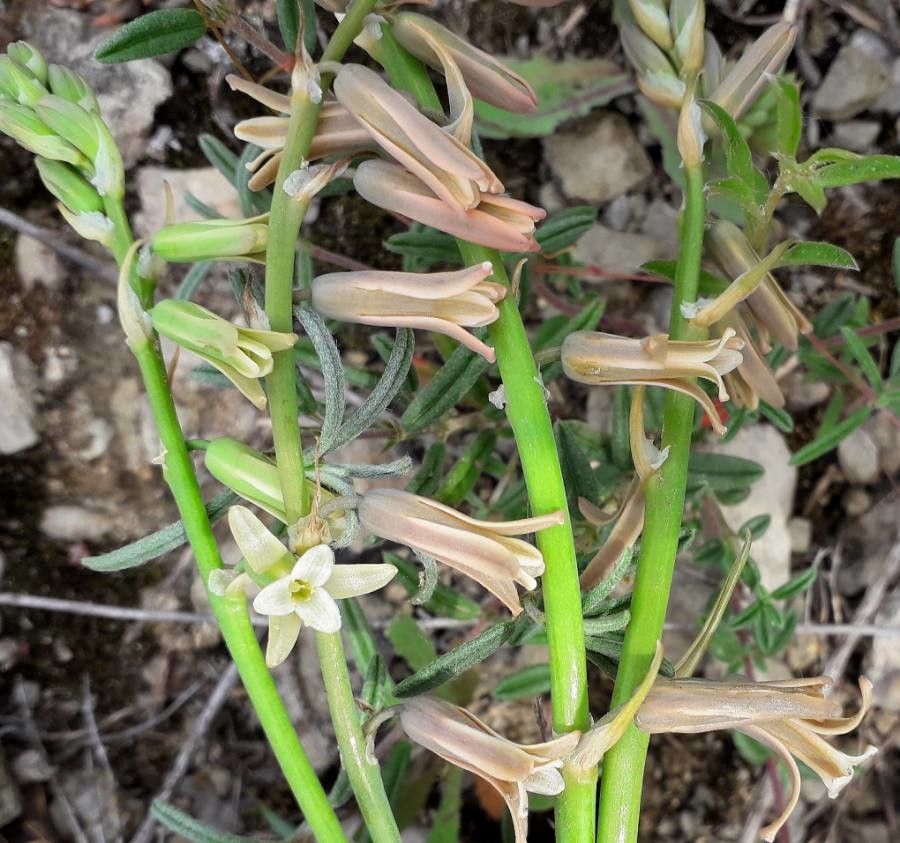
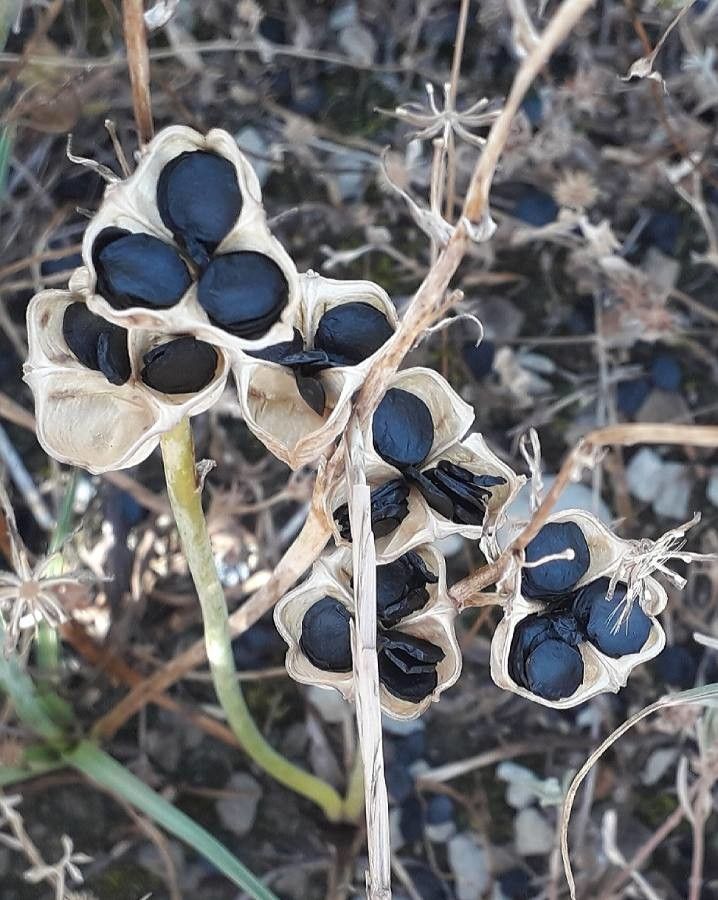
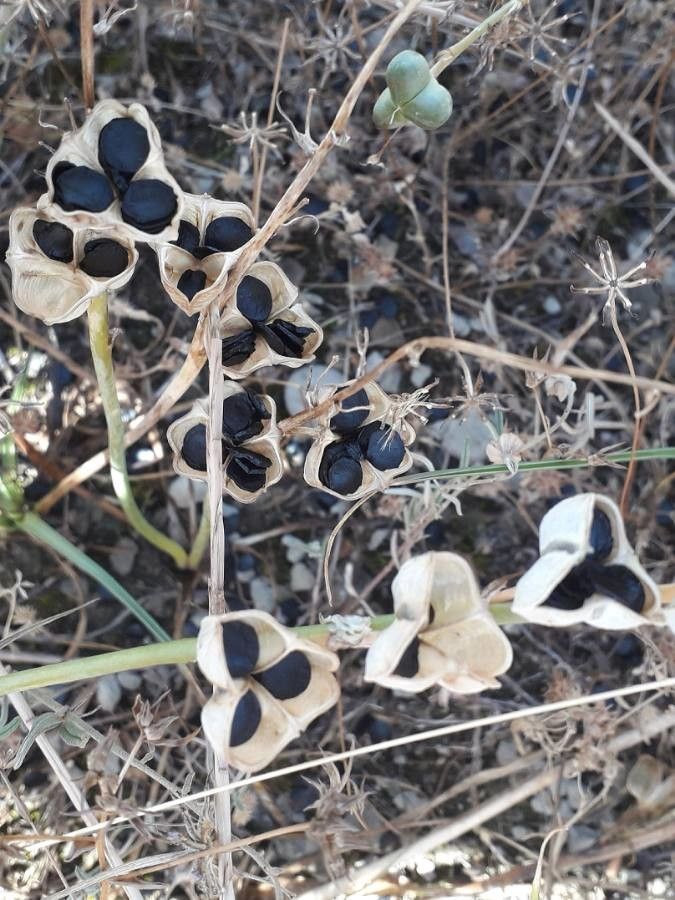
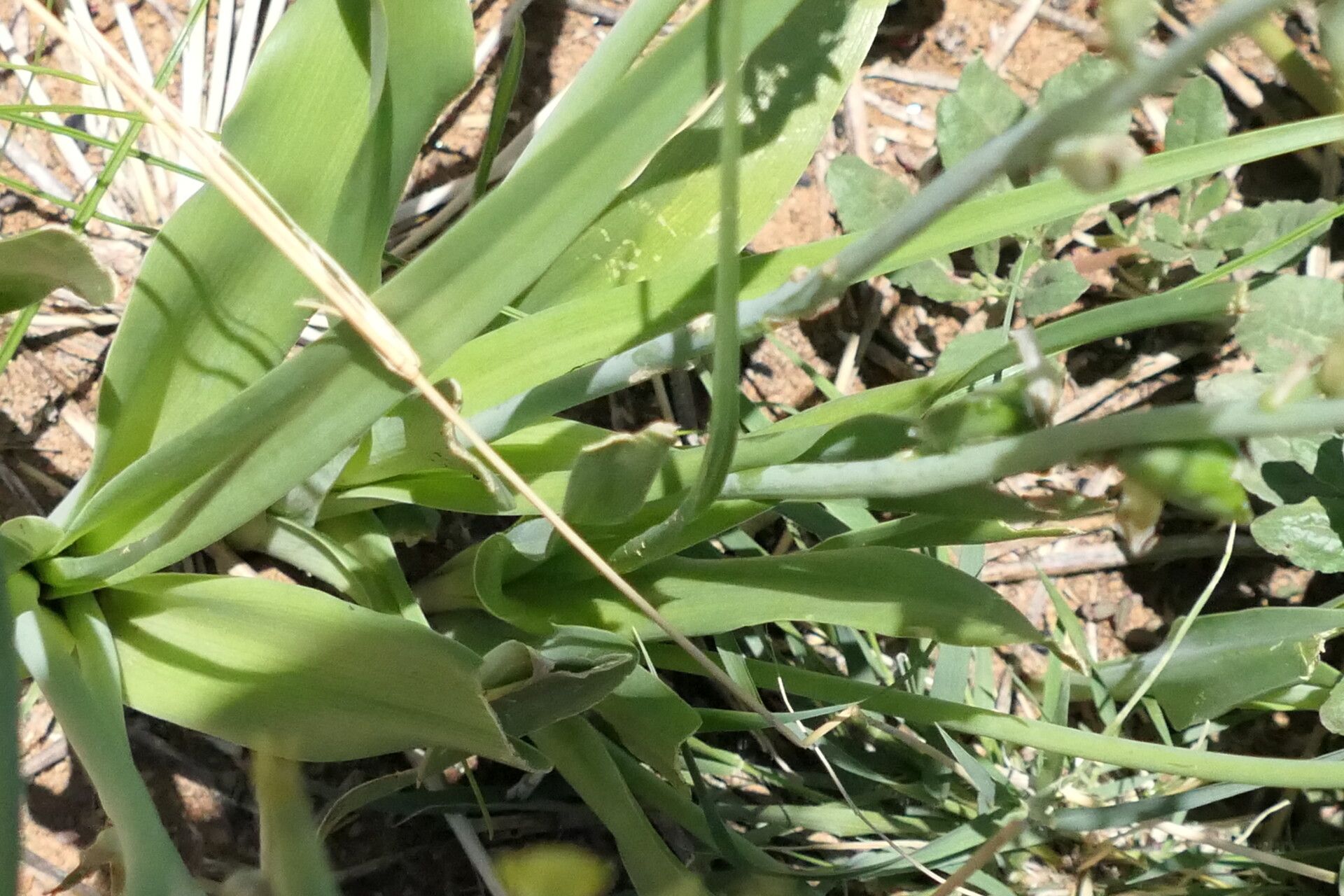
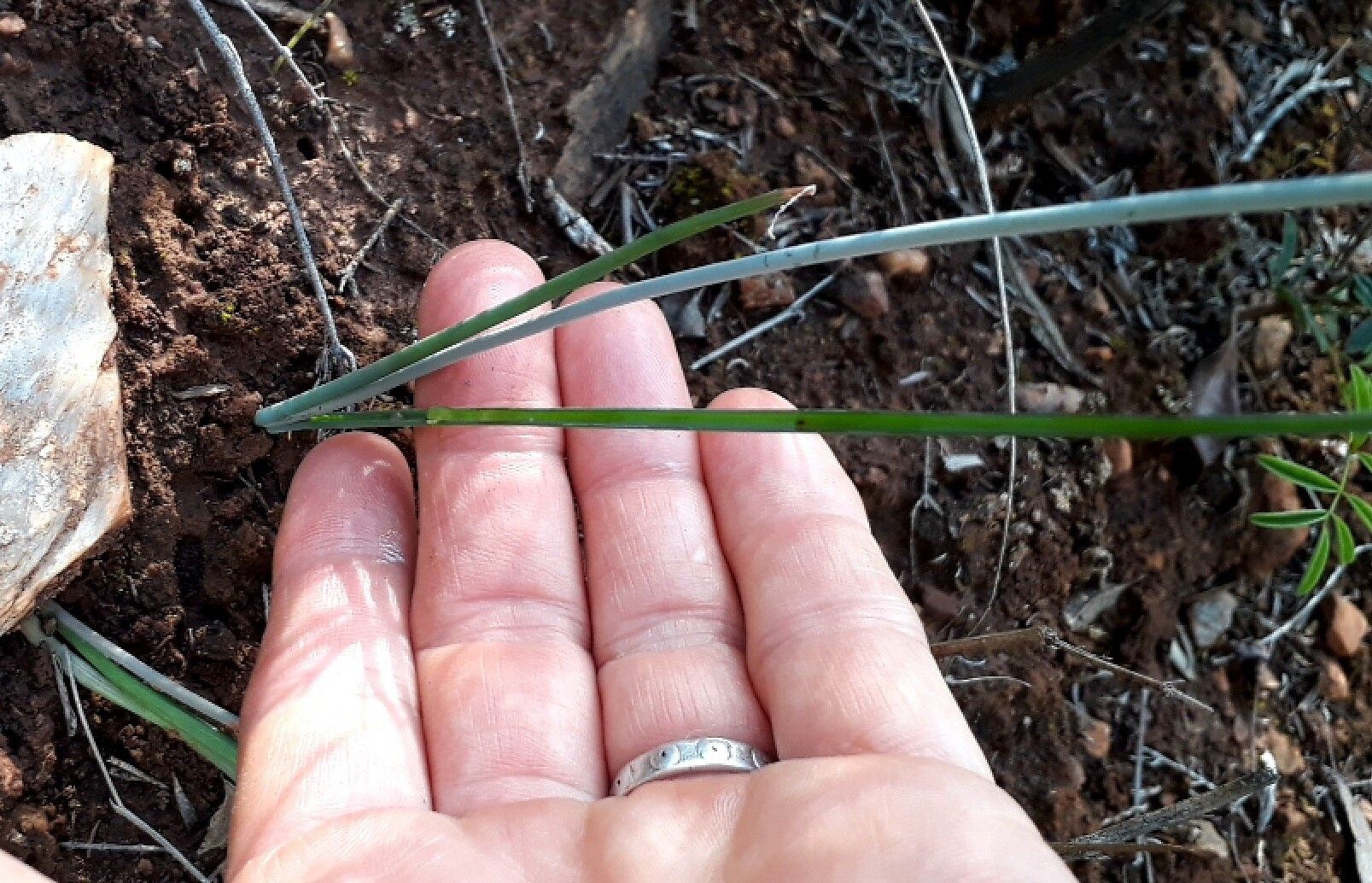
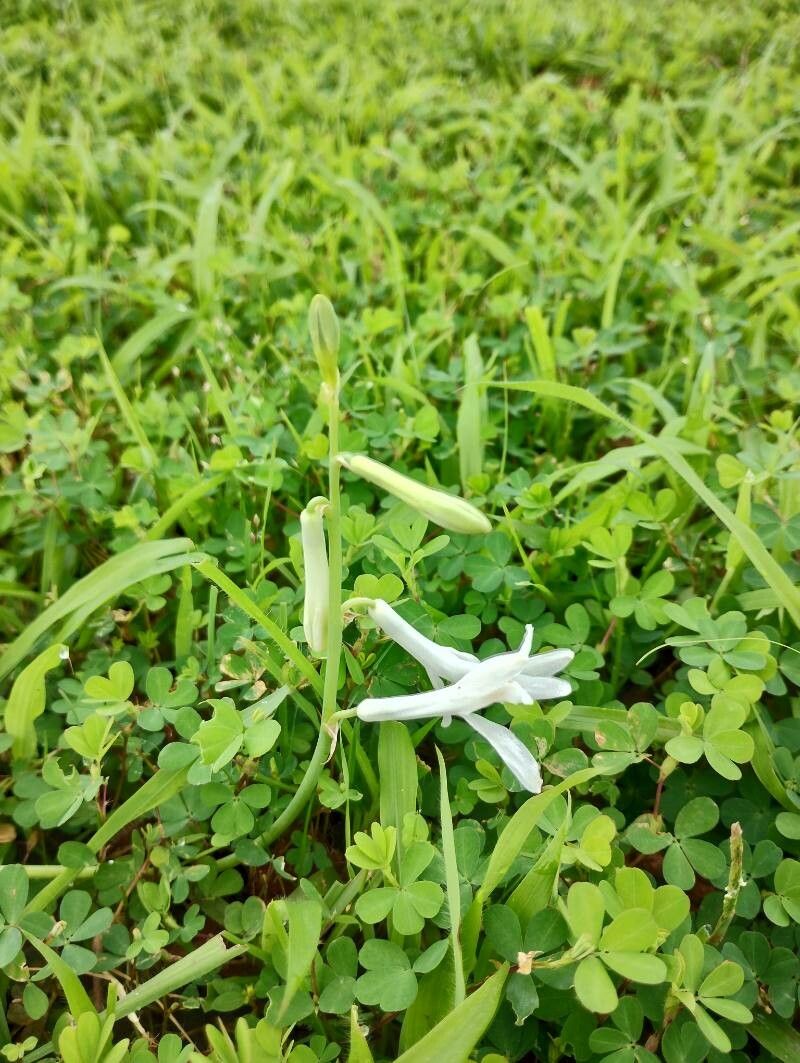
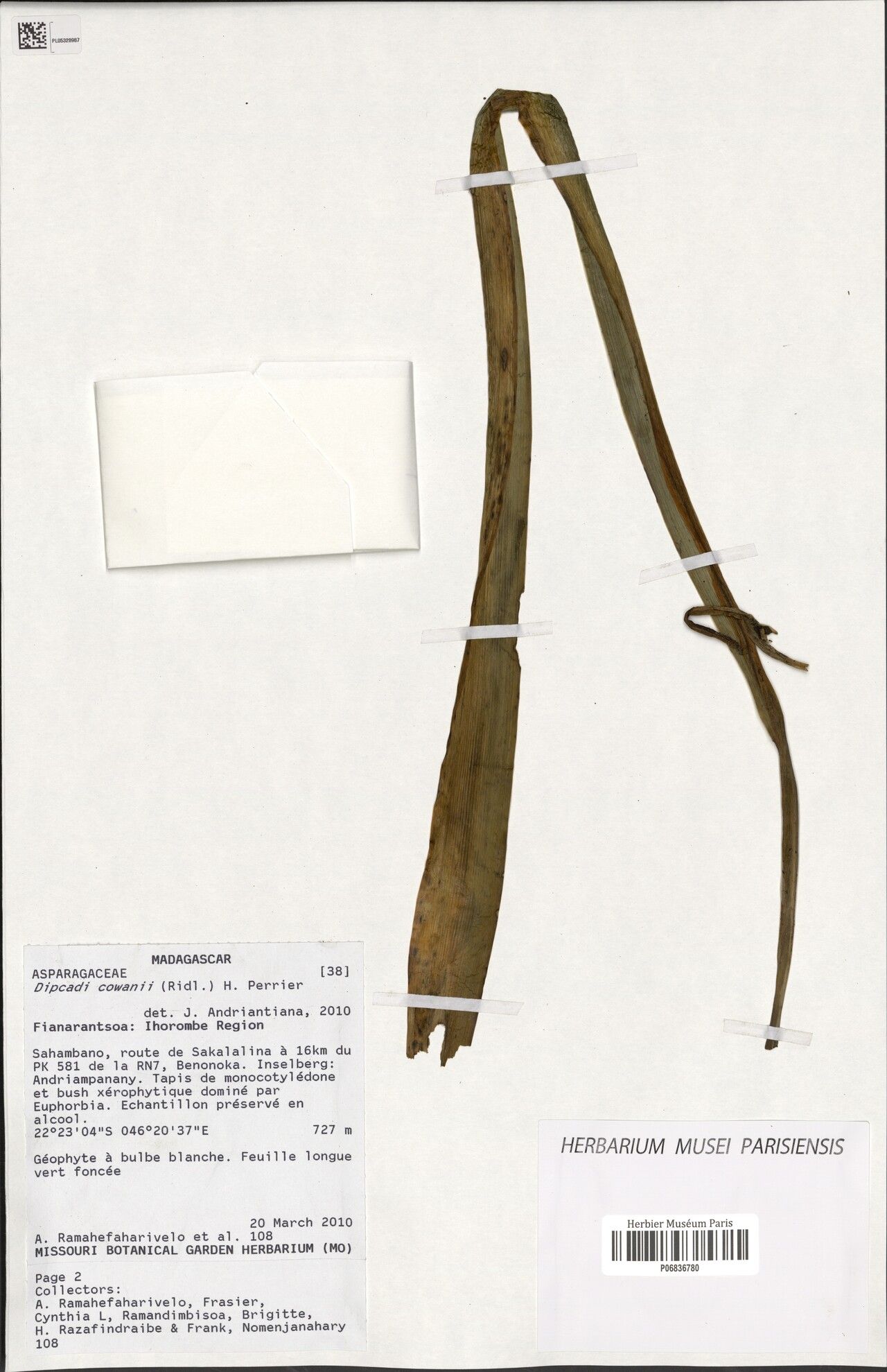
Dipcadi serotinum, commonly known as the Late-flowering Dipcadi, is a perennial herbaceous plant that belongs to the Asparagaceae family. Native to India, this plant is found in various regions across the country, including Maharashtra and Karnataka.
Growing to a height of 30-60 cm, Dipcadi serotinum features narrow leaves that are approximately 20-30 cm long. The flowers are small and greenish-white, with six petals arranged in a star shape. These blooms appear from late summer to early winter.
This plant thrives in well-drained soil with moderate moisture levels and can adapt to both full sun and partial shade conditions. Due to its attractive flowers, it is frequently used for ornamental purposes.
In traditional medicine, various parts of Dipcadi serotinum have been utilized to treat ailments such as fever, coughs, asthma, and rheumatism, owing to its anti-inflammatory properties.
Overall, Dipcadi serotinum is a fascinating plant species that boasts both ornamental and medicinal value, making it important from an ecological perspective as well.
Brown bluebell is fairly disease-resistant and usually does not easily develop illnesses. Nonetheless, it can be affected by pests and diseases present in its surroundings, although such infections tend to be mild. As for care, this plant needs moderate maintenance. It should be pruned regularly to maintain appearance and healthy growth. Fertilizing can also encourage flowering. Brown bluebell is appropriate for someone with outdoor space, like a garden or patio, and does not demand extensive care experience. It may require more attention when grown indoors.
How to keep Dipcadi Serotinum.
Light
The brown bluebell performs best with plenty of light and also tolerates moderate light conditions. Its native habitat shaped its tolerance to lower light levels. Too little light can impede healthy growth and cause poor flowering, while excessive exposure can lead to sunscald.
Water
Native to the Mediterranean climate, the brown bluebell flourishes in regions with dry summers and mild, wet winters. It prefers balanced moisture levels and requires weekly watering to prevent either waterlogged soil or drought conditions. This plant performs best outdoors, where it can benefit from the natural seasonal rainfall for optimal hydration.
Temperature
Brown bluebell has strong adaptability to temperature, tolerating higher heat and greater temperature swings. In hot weather, care should be taken with watering and adequate shading should be provided to prevent sunburn. However, Brown bluebell tolerates low temperatures relatively poorly; although it can endure some cold, very low temperatures can cause frost damage.
Fertilizer
For Brown bluebell, the primary time to fertilize is in early spring when the flowers are developing. The appropriate fertilizer promotes better blooms and helps Brown bluebell produce attractive flowers. Fertilizing in early spring ensures excellent flowering during the season and supplies energy for dormant growth phases.
Pruning
The brown bluebell is known for its delicate, bell-shaped flowers. It requires minimal pruning, which is best done from early to late spring, after it has finished blooming. To improve airflow, reduce the risk of fungal infections, maintain the plant's shape, and enhance its productivity, remove any dead or damaged stems and spent flower stalks.
Pot & Repot
Repot your brown bluebell every 2 to 3 years in late winter while it is dormant. Use a slightly larger pot to allow space for growth. After repotting, ensure the plant receives minimal care using well-draining soil, and be careful not to overwater. Choosing the correct pot size and performing regular maintenance will help promote healthy growth.
Botanical profile.
- Plant Type
- Herb
- Life Cycle
- Perennial
- Genus
- Dipcadi
- Family
- Asparagaceae
- Hardiness Zone
- 8-11
- Mature Height
- 10 cm
- Mature Spread
- 10 cm
- Leaf Color
- Green, Variegated
- Leaf Type
- Deciduous
- Flower Color
- Tan
- Flower Size
- 1.02 cm to 1.52 cm
- Bloom Time
- Mid spring, Late spring, Early summer
- Planting Time
- Spring
- Harvest Time
- Summer
- Native Area
- Nepal, Saudi Arabia, Libya, Tunisia, India, Italy, Portugal, Spain, Oman, Mauritania, Pakistan, Algeria, Qatar, Morocco, France
Other names.
Reader questions.
How should I water my Brown bluebell plant?
To ensure the health of the Brown bluebell, it's recommended to use filtered water at room temperature for watering. Tap water may contain harmful particles, so filtered water is a better choice. The Brown bluebell is accustomed to a warm environment, so using cold water can be a shock to its system. It's also advised to avoid overhead watering, as it can cause issues with the foliage. Instead, water the plant by applying filtered room temperature water directly to the soil until it is fully soaked. This method benefits the plant by keeping the roots moisturized and aiding in the absorption of nutrients from the soil.
Why should I add fertilizer to my Brown bluebell plant?
Fertilization is important for the Brown bluebell for various reasons. It provides essential nutrients for the plant's growth both above and below ground. However, the fertilization requirements for a Brown bluebell are generally low. While it can survive without fertilization, annual fertilization can be highly beneficial by promoting plant health and enhancing flower longevity. Therefore, those who want their Brown bluebell to thrive should regularly fertilize it.
What are the sun requirements for Brown bluebell?
Brown bluebell thrives under conditions that match its native habitat, which includes full sun exposure, meaning more than 6 hours of sunlight per day, and can also adapt well to partial sun, encompassing about 3-6 hours of sunlight. It's important to observe how sunlight moves through your garden to find spots that provide the right balance of light and shade, ensuring the plant's wellbeing. The plant's resilience to light conditions means it can also tolerate moderate light levels, but too little or too much exposure may lead to problems such as poor flowering or potential sunscald, respectively.
What should I do if I give my Brown bluebell too much or too little water?
Both overwatering and underwatering can harm your Brown bluebell's health, but overwatering is more common. Excessive watering can cause wilting and yellowing of stems and leaves. It may also lead to diseases like root rot, mold, and mildew, which can be lethal for your plant. Brown bluebells are fairly drought tolerant, so underwatering is less likely. However, if it happens, the leaves can become brittle and brown. It's crucial to detect signs of overwatering early as some diseases can't be reversed if ignored. If you notice early signs, reduce watering immediately and check the soil's quality. If drainage is poor, replace the soil with well-draining potting mix. On the other hand, if your Brown bluebell lacks water, increase watering until signs of underwatering disappear.
When should I fertilize my Brown bluebell for the best results?
The best time to fertilize a Brown bluebell is late winter to early spring. This is when the plant is transitioning from dormancy to active growth. Fertilizing during this time promotes healthy growth and helps the plant start the season well. Fertilizing in the early spring is most beneficial, but it is also acceptable to fertilize in the fall. However, it is not recommended to fertilize in the summer or winter.
How does artificial lighting affect Brown bluebell indoor growth?
For indoor Brown bluebell plants, ensuring adequate lighting is crucial, especially in scenarios where natural sunlight is insufficient, like during winter or in less sunny spaces. Artificial lighting, such as LED lights, can significantly promote healthier, faster growth by mimicking the sun's natural spectrum. It's recommended to provide full sun plants with 30-50W/sq ft of artificial light, partial sun plants with 20-30W/sq ft, and full shade plants with 10-20W/sq ft. The light source should be placed 12-36 inches above the plant, with the duration mimicking natural daylight hours, typically 8-12 hours per day.
How many times should I water my Brown bluebell?
If your Brown bluebell plant is in a pot, the most precise way to determine if it needs water is by checking the moisture level of the soil. Simply stick your finger into the soil to a depth of around two to three inches. If you find that this upper layer of soil is dry, then it's time to water your plant. The same method can be used if you have your Brown bluebell growing outdoors in the ground. Once again, if you discover that the top few inches of soil have dried out, it is an indication that your plant needs watering. Generally, during the spring and early fall, you will need to water this plant approximately once a week using this method. However, when the weather becomes extremely hot, you may have to increase the frequency to two or more times per week. It's important to note that mature, well-established Brown bluebell plants have the impressive ability to tolerate drought.
When is it not a good idea to fertilize my Brown bluebell?
To properly care for your Brown bluebell, it's important to know when to fertilize. Late winter and early spring are the only times you should fertilize this plant. It has low fertilization needs, so one annual feeding is enough. Fertilizing during spring, summer, and fall can lead to overfertilization and its associated problems. However, if you missed fertilizing in spring, it's acceptable to fertilize in fall. Also, avoid fertilizing during winter when the Brown bluebell is in a dormant phase and not actively growing.
What are the symptoms of insufficient light in Brown bluebell?
When Brown bluebell is grown in inadequately lit conditions, it may exhibit several symptoms, including smaller new leaves, leggy or sparse growth, early leaf drop, halted growth, pale new leaves, chlorosis, sunscald, leaf curling, wilting, and leaf scorching. These symptoms may vary but generally indicate that the plant is not receiving enough light to support its normal functions and growth patterns.
How much water does my Brown bluebell plant require?
To properly water your Brown bluebell, don't hold back on the amount of water. Wait until the top two to three inches of soil are dry, then water generously until the soil is completely soaked. Make sure you add enough water to see it draining through the pot's drainage holes. If you don't see any excess water draining, you may have underwatered the plant. However, make sure you don't let water accumulate in the soil, as this could harm the plant. On the other hand, if water doesn't drain well through the pot, it might indicate poorly draining soil, which is not good for the plant's health. If the plant is outdoors, one inch of rainfall per week should be enough.
Which fertilizer should I use for my Brown bluebell?
For a Brown bluebell, any general-purpose fertilizer with balanced amounts of the three main plant nutrients will work well. However, there are specific nutrient blends that can be even more beneficial. Many gardeners believe that higher levels of phosphorus result in stronger roots and better flowers. Since Brown bluebell is a flowering plant, using a phosphorus-rich fertilizer may be the best approach. Whether you choose a granular or liquid fertilizer, make sure it contains plenty of nutrients. In addition to manufactured fertilizers, you can also improve the soil for your Brown bluebell by using organic methods such as compost, manure, and similar materials. These organic materials can greatly contribute to creating a healthy growing medium for your Brown bluebell.
What solutions can improve light conditions for Brown bluebell?
Improving light conditions for Brown bluebell involves a multi-faceted approach, depending on the growing environment. Indoors, moving the plant gradually to a sunnier spot or using artificial lights can help. For outdoor plants, finding the best sunlight spot and making incremental changes to prevent sunburn is key. Ground plants may benefit from reducing obstructions like pruning trees or relocating the plant to a sunnier location. It is important to note that damaged parts may not recover, but proper light exposure will promote healthy new growth.