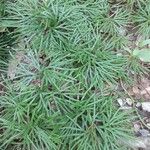
Diphasiastrum complanatum
Northern running-pine · Complanate clubmoss · Groundcedar · Issler's Clubmoss · Northern Ground-cedar
Description
Source: leafsnapDiphasiastrum complanatum, commonly known as ground cedar or running cedar, is a perennial evergreen plant belonging to the Lycopodiaceae family. Native to North America, it thrives in a variety of habitats including forests, meadows, and rocky slopes. The plant features unique flattened stems that mimic the fronds of ferns, growing up to 30 cm in height. It spreads via underground rhizomes, and its small, scale-like leaves are arranged in whorls along the stem. For centuries, Native Americans have utilized Diphasiastrum complanatum for its anti-inflammatory properties, and it holds cultural significance for some tribes who use it in ceremonial practices. Beyond its medicinal and cultural uses, Diphasiastrum complanatum is also popular as an ornamental plant in gardens, valued for its distinctive appearance and low maintenance requirements. In summary, Diphasiastrum complanatum is an intriguing evergreen perennial with notable cultural importance and health benefits, making it a valuable addition to gardens and natural habitats alike.
Care Guide
💧 Water Every 7 days
Ground-cedar thrives in environments with moderate moisture, striking a balance between drought tolerance and a preference for humidity. To keep the plant well-hydrated, water it once a week. Being a deciduous plant, ground-cedar sheds its leaves during dry seasons to conserve water, making it an excellent choice for both indoor and outdoor gardening.
How should I water my Ground-cedar?
To properly water the Ground-cedar, it is best to use filtered water at room temperature. Tap water may contain harmful particles, so filtered water is preferred. It is important to use room temperature or slightly warm water because the Ground-cedar is accustomed to a warm environment and cold water can be distressing for it. Avoid overhead watering as it can cause issues with the foliage. Instead, apply the filtered room temperature water directly to the soil until it is thoroughly soaked. This will benefit the plant by providing moisture to the roots and enabling them to spread and absorb necessary nutrients from the soil.
What should I do if I give too much or too little water to my Ground-cedar plant?
Overwatering can be more harmful to your Ground-cedar than underwatering. When this plant gets too much water, its stems and leaves may wilt and turn yellow. It can also lead to diseases like root rot, mold, and mildew, which can be deadly. Underwatering is less likely, as the Ground-cedar is drought-tolerant. But when it does happen, the leaves become brittle and brown. It's important to recognize the signs of overwatering early and take action. Some diseases caused by overwatering, like root rot, may be irreversible if not addressed promptly. So, if you notice signs of overwatering, reduce your watering schedule and check the soil drainage. If it's poor, replace it with well-draining potting mix. If signs of underwatering are present, simply water more frequently until the signs improve.
How often do I need to water my Ground-cedar plant?
If your Ground-cedar plant is in a pot, the best way to determine if it needs water is to stick your finger in the soil. If the top two to three inches of soil feel dry, it's time to water it. The same method can be used for Ground-cedars grown in the ground. When the top few inches of soil are dry, it's time to add water. Usually, in spring and early fall, watering once a week will be sufficient. However, during extremely hot weather, you may need to water twice or more per week. It's worth noting that mature, well-established Ground-cedars have an impressive ability to survive drought.
How much water does my Ground-cedar plant need?
When watering your Ground-cedar, don't be afraid to use ample water. Make sure the top two to three inches of soil are dry before watering, and then give the plant a long, thorough watering, ensuring that the water soaks the soil completely. Pour enough water so that it flows out of the drainage holes at the bottom of the pot. If no excess water drains, you may have underwatered the plant. However, avoid letting water accumulate in the soil, as this can harm the plant. If there is no water draining through the pot, it could indicate that the soil doesn't drain well, which is bad for the plant's health. If the plant is outside, it generally only needs 1 inch of rain per week.
How do I water my Ground-cedar as it grows?
The water needs of the Ground-cedar can vary depending on its growth stages. In the first few years of its life or after transplanting it to a new location, it requires more water due to the energy it puts into growing new roots for future growth. These roots perform best with slightly more moisture. After a few seasons, the water requirements decrease. Additionally, during the bloom period, the plant may need more water to support flower development.
☀️ Light Partial sun
Ground-cedar naturally occurs in habitats like forest understories or rocky areas, where it grows in natural shade. It favors partial sun but can grow in full sun or full shade, showing its adaptable, hardy nature.
What are the sunlight requirements for Ground-cedar?
Ground-cedar requires partial sun, about 3-6 hours of sunlight, but can also tolerate full shade, which is less than 3 hours of sunlight. It's vital to observe the movement of sunlight through your garden to select spots that provide an optimal balance of light and shade, ensuring the plants thrive in their environment.
What are the essentials for growing Ground-cedar?
Ground-cedar is native to environments such as forest understories or rocky areas, which naturally offer shade. This perennial herbaceous plant prefers partial sun but can adapt to full shade conditions. When natural sunlight is insufficient, especially indoors or during less sunny seasons, artificial lighting can promote healthier and faster growth. LED lights are recommended for their ability to be customized to specific light wavelengths needed by plants. The required artificial light intensity varies by plant type: full sun plants need 30-50W/sq ft, partial sun plants 20-30W/sq ft, and full shade plants 10-20W/sq ft. Placement should be 12-36 inches above the plant for 8-12 hours per day to mimic natural sunlight.
What are the symptoms of insufficient light for Ground-cedar?
Ground-cedar exhibits several symptoms when it experiences insufficient light, including smaller new leaves, leggy or sparse growth, early leaf drop, and a halt in new growth indicating a survival mode due to poor light conditions. Leaves may become lighter, show signs of chlorosis or sunscald, curl or twist to minimize damage, wilt due to excessive water loss, or have scorched edges from too much sun. It's important to monitor these symptoms to ensure the plant is receiving the appropriate amount of light.
What solutions can help Ground-cedar thrive in varying light conditions?
To optimize Ground-cedar's growth in varying light conditions, gradual adaptation is key. For indoor plants, progressively move them to sunnier spots each week until they receive 3-6 hours of direct sunlight daily or use artificial light, such as a desk or ceiling lamp for at least 8 hours daily. Outdoors, avoid sudden changes in light intensity and gradually move plants to sunnier spots. Reduce light obstructions by pruning trees or transplant smaller plants during their dormant period to locations with more sunlight and good drainage.
🌡️ Temperature 0–32.2°C
Ground-cedar is a hardy plant native to regions with temperatures between 32 and 89.6 °F (0 to 32 ℃). It favors cooler conditions, so in warmer periods it may need shading to remain within its preferred temperature range.
What is the optimal temperature range for Ground-cedar (Diphasiastrum complanatum)?
Ground-cedar thrives in cooler environments with temperature ranges between 32°F (0°C) to 89.6°F (32°C). It originates from areas that typically experience these temperatures, showcasing its adaptability to cooler conditions. During warmer seasons, to keep the plant within its preferred temperature range, shading might be necessary. This ensures that it doesn't go beyond its tolerance level, therefore maintaining its health and growth.
How does Ground-cedar handle cold weather and what measures should be taken in winter?
Ground-cedar is highly tolerant of cold weather and doesn't require extra frost protection measures during the winter months. However, to best prepare it for winter, it's advisable to water the plant abundantly before the first freeze of autumn. This action helps to keep the soil moist and ensures it enters a frozen state, which is crucial for preventing drought and water scarcity issues for the plant throughout the winter and early spring seasons.
What should I do if the temperature falls below Ground-cedar's cold tolerance level?
Ground-cedar can withstand extremely cold temperatures down to -35°C. Should temperatures fall below this critical threshold, there might not be noticeable damage during winter itself, but you could see a decrease in springtime sprouting, or in some cases, no sprouting at all. To combat this, during spring, it is recommended to remove any parts of the plant that have failed to sprout, ensuring the healthy growth of the remaining plant.
How can I protect Ground-cedar from high temperatures?
Ground-cedar has a low tolerance for high temperatures, especially above 32°C, leading to halted growth and an increased risk of rot. To protect it from excessive heat, you should trim away any sunburned or dried-up parts of the plant. Moreover, relocating the plant to a shaded area or using a shade cloth can provide necessary relief from the harsh midday and afternoon sun. Ensuring the soil remains moist by watering the plant in the morning and evening also helps in mitigating the effects of high temperatures.
💨 Humidity
🪴 Soil 5-6
🌱 Fertilizer
One fertilizer application in spring is typically adequate for Ground-cedar, though repeated feedings can maximize growth. Feed every one to one-and-a-half months. Fertilization improves leaf appearance and function, maintaining uniform color and a healthy texture. It also encourages root development and nutrient uptake for long-term plant health.
🪴 Pot & Repot
✂️ Pruning
Ground-cedar features needle-like leaves and a spreading growth habit. To maintain its shape, prune any dead stems from early to late spring. Be sure to cut above a node to encourage new growth. Regular pruning not only enhances air circulation but also improves the plant's appearance. Always use clean, sharp tools to prevent the spread of disease.
🌿 Propagating
🐛 Diseases & pets
☠️ Toxicity
Characteristics
- Plant Type
- Herb
- Life Cycle
- Perennial
- Genus
- Diphasiastrum
- Family
- Lycopodiaceae
- Hardiness Zone
- 3-7
- Mature Height
- 8 cm to 40 cm
- Mature Spread
- 30 cm to 61 cm
- Leaf Color
- Green
- Leaf Type
- Evergreen
- Flower Color
- Yellow, Green
- Flower Size
- 0.05 cm to 0.10 cm
- Bloom Time
- Mid summer, Late summer, Early fall
- Planting Time
- Spring, Summer, Autumn