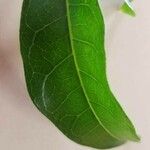
Diploglottis australis
Large leaf tamarind · Native tamarind
Description
Source: wikipedia (CC BY-SA)Diploglottis australis, commonly known as the native tamarind, is a species of large trees in the maple and lychee family Sapindaceae. It is native to the eastern Australian states of New South Wales and Queensland, where it occurs in coastal rainforests. It was first described in 1879, and is known for its abundant edible fruit which are used to make drinks and condiments.
Care Guide
💧 Water
☀️ Light Partial sun
Diploglottis cunninghamii occurs naturally in habitats like forest understories or rocky areas, where it grows in natural shade. It prefers partial sun but can tolerate full sun or full shade, showing its versatile and hardy nature.
🌡️ Temperature 20–37.8°C
Diploglottis cunninghamii is quite adaptable to heat, tolerating higher temperatures and wider temperature swings. During hot periods, care should be taken to water appropriately and offer some shade to avoid sunburn. On the other hand, Diploglottis cunninghamii is less tolerant of cold. Although it can endure a certain amount of chill, very low temperatures may cause frost damage.
💨 Humidity
🪴 Soil 6-7
🌱 Fertilizer
Diploglottis cunninghamii requires adequate nutrients to achieve optimal fruit production. Apply fertilizer in early spring to encourage new growth and bloom development. Regular fertilization helps the plant stay healthy, produce more delicious fruit, and prevents nutrient-deficiency problems like yellow leaves and poor fruit production.
🪴 Pot & Repot
✂️ Pruning
🌿 Propagating
🐛 Diseases & pets
☠️ Toxicity
Characteristics
- Plant Type
- Tree
- Life Cycle
- Perennial
- Genus
- Diploglottis
- Family
- Sapindaceae
- Hardiness Zone
- 10-11
- Mature Height
- 14.94 m to 29.87 m
- Mature Spread
- 10.06 m to 14.94 m
- Leaf Color
- Dark Green, Forest Green
- Leaf Type
- Evergreen
- Flower Size
- 0.25 cm to 0.51 cm
- Bloom Time
- Mid fall, Late fall, Early winter
- Planting Time
- Spring
- Harvest Time
- Late winter, Early spring, Mid spring