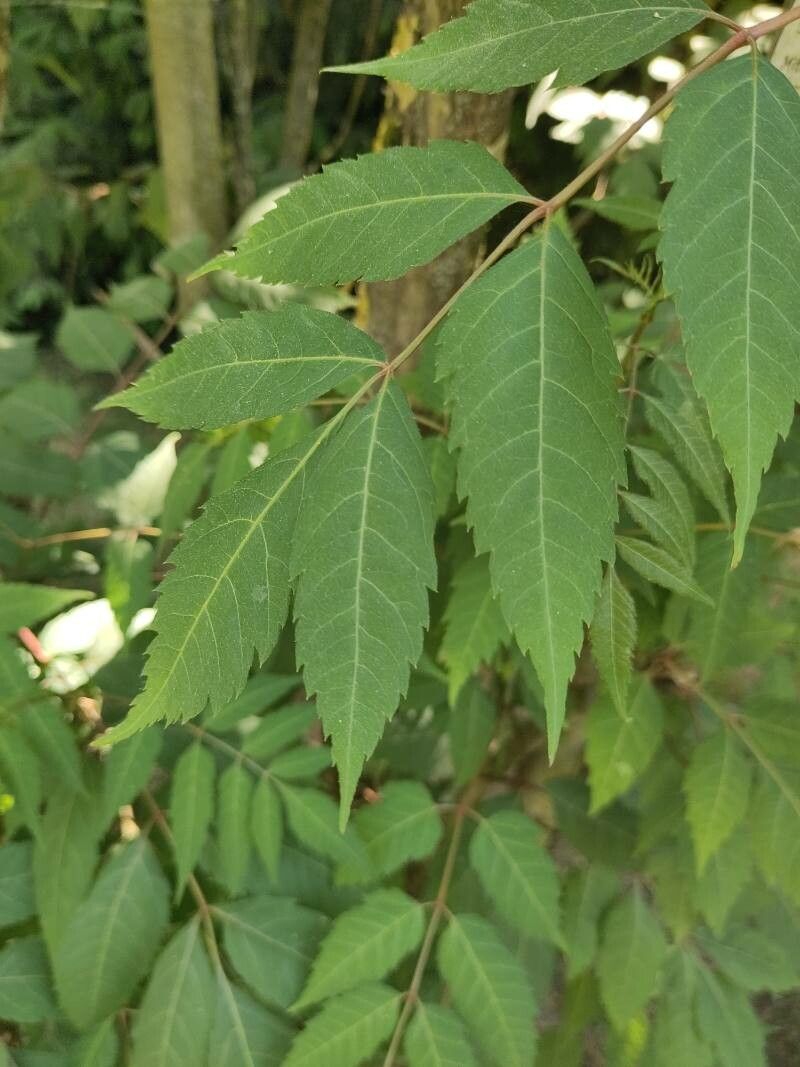
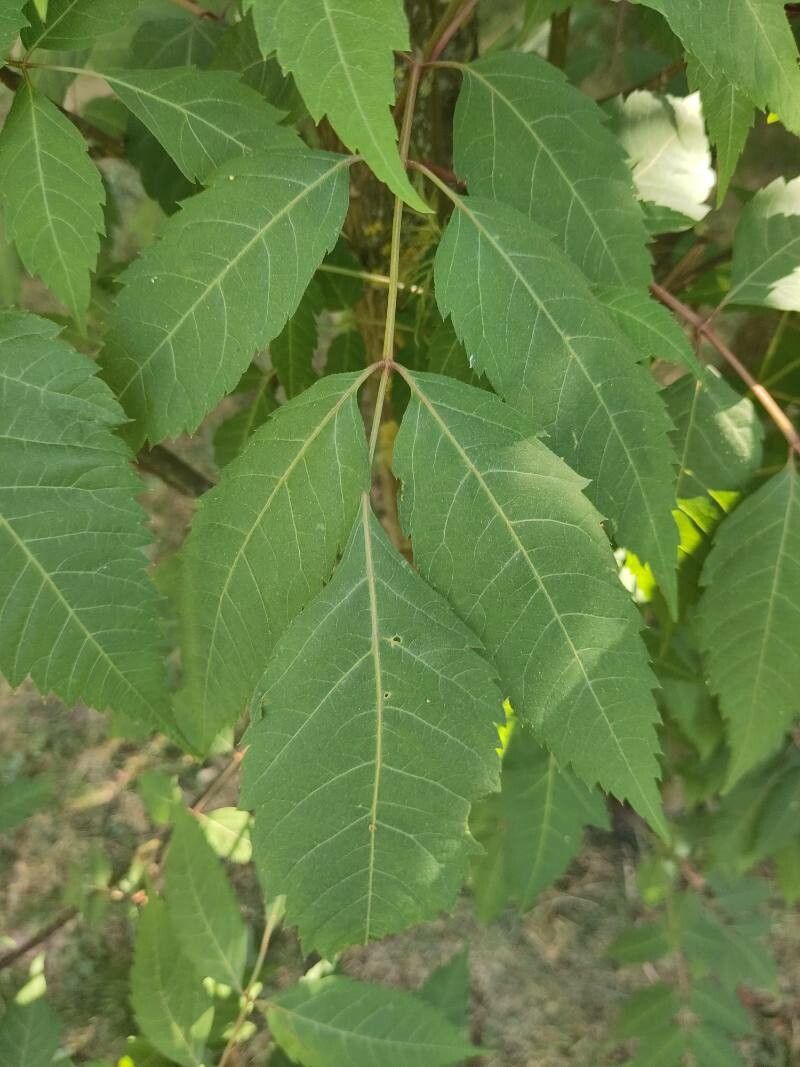
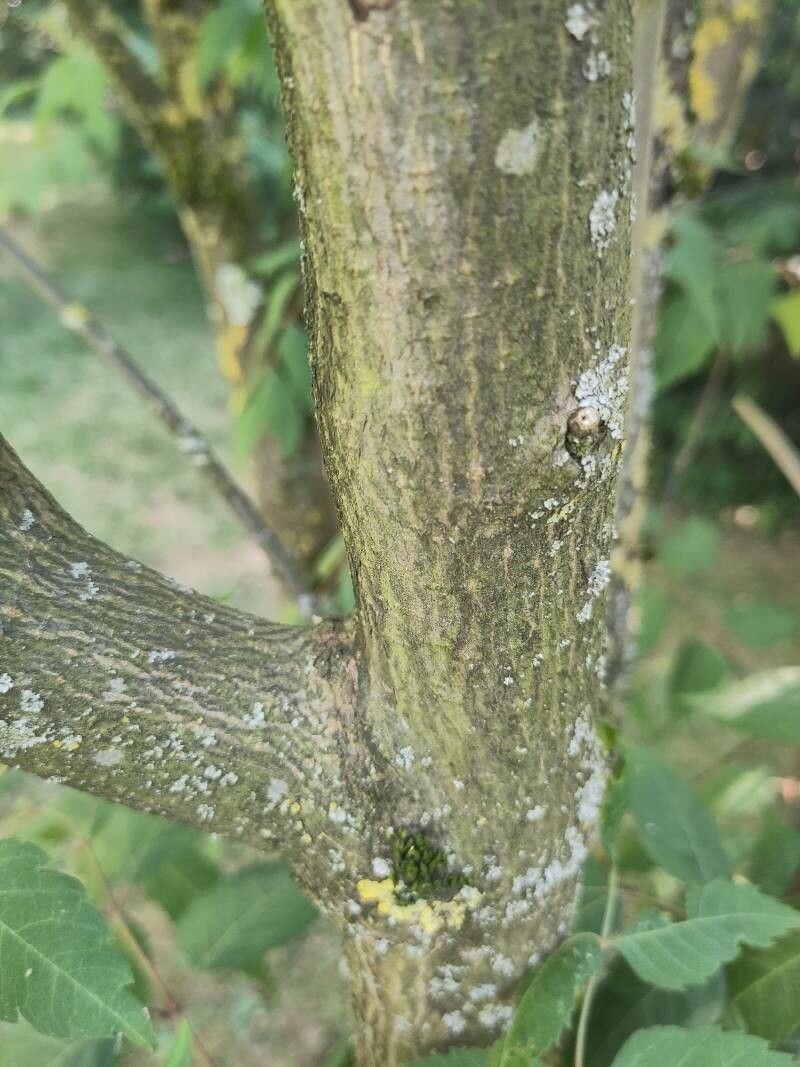
Dipteronia sinensis is a plant species in the genus Dipteronia, endemic to mainland China, and regarded in the soapberry family Sapindaceae sensu lato after Angiosperm Phylogeny Group and more recently ), or traditionally by several authors in Aceraceae, related to the maples.
Chinese dipteronia has strong resistance to disease and is usually not susceptible to illnesses. In terms of care, this plant is fairly low-maintenance. When grown outdoors, it needs only light watering, and larger plants typically do not require pruning. Smaller plants, however, should be trimmed after they have finished blooming. Chinese dipteroniat is well suited to anyone with an outdoor area, such as a garden or a deck, and does not demand much gardening experience.
How to keep Dipteronia Sinensis.
Light
Chinese dipteronia thrives with ample sunlight all day but also tolerates moderately sunny conditions. Coming from sun-abundant habitats, the plant's optimal growth depends on the amount of sunlight it gets. Excessive exposure can be harmful, while too little light can slow its growth.
Water
The Chinese dipteronia is a drought-tolerant plant well-suited to moderate climates. It only needs watering every three weeks, as it thrives with consistent moisture followed by dry spells, similar to natural rainfall patterns. This makes it perfect for outdoor cultivation in temperate zones and ideal for low-maintenance gardens.
Temperature
Chinese dipteronia is native to habitats where temperatures typically fall between 59 and 100°F (15 to 38℃). It favors warmer climates, implying that seasonal adjustments in temperate areas are necessary to maintain optimal growing conditions.
Fertilizer
Fertilize your Chinese dipteronia in early spring to encourage healthy growth. Regular fertilization improves overall health, leading to vigorous growth, greater resilience to harsh conditions, and enhanced resistance to pests and diseases. Follow a consistent fertilization schedule for your Chinese dipteronia to keep the foliage vibrant, richly colored, and lush in appearance.
Pruning
To maintain a healthy Chinese Dipteronia tree, start by pruning in early spring. Focus on removing any dead or crossing branches and thinning out crowded areas to improve air circulation. Formative pruning helps establish a strong structure, while regular pruning encourages overall health and growth. Make sure to use clean, sharp tools to prevent infections.
Botanical profile.
- Plant Type
- Tree, Shrub
- Life Cycle
- Perennial
- Genus
- Dipteronia
- Family
- Sapindaceae
- Hardiness Zone
- 8-11
- Mature Height
- 10.06 m
- Mature Spread
- 10.06 m
- Leaf Color
- Green
- Leaf Type
- Deciduous
- Flower Color
- White
- Flower Size
- 15.24 cm to 30.48 cm
- Bloom Time
- Mid spring, Late spring
- Planting Time
- Spring, Summer
- Harvest Time
- Late summer, Early fall, Mid fall
- Native Area
- China