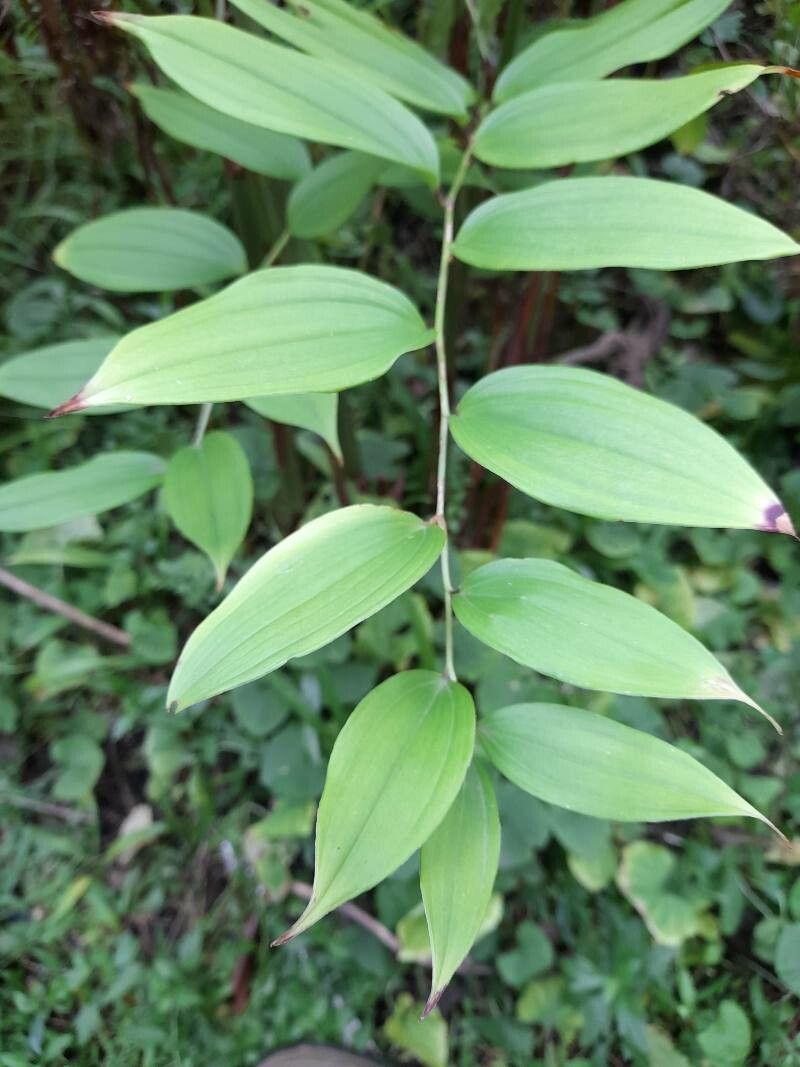
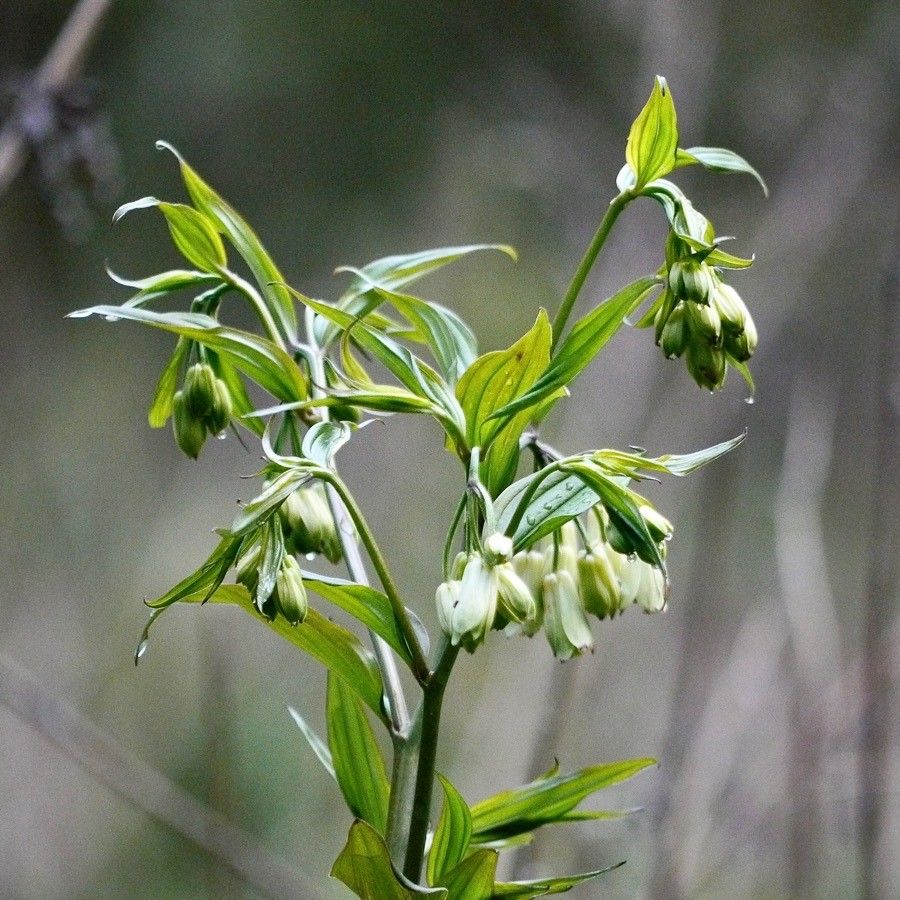
Disporum cantoniense, commonly known as Canton fairy bells, is a perennial plant from the Colchicaceae family. Native to China and Taiwan, it thrives in shady forest areas, along stream banks, and in moist meadows. The plant reaches up to 60 cm in height and features slender stems with dark green, lance-shaped leaves.
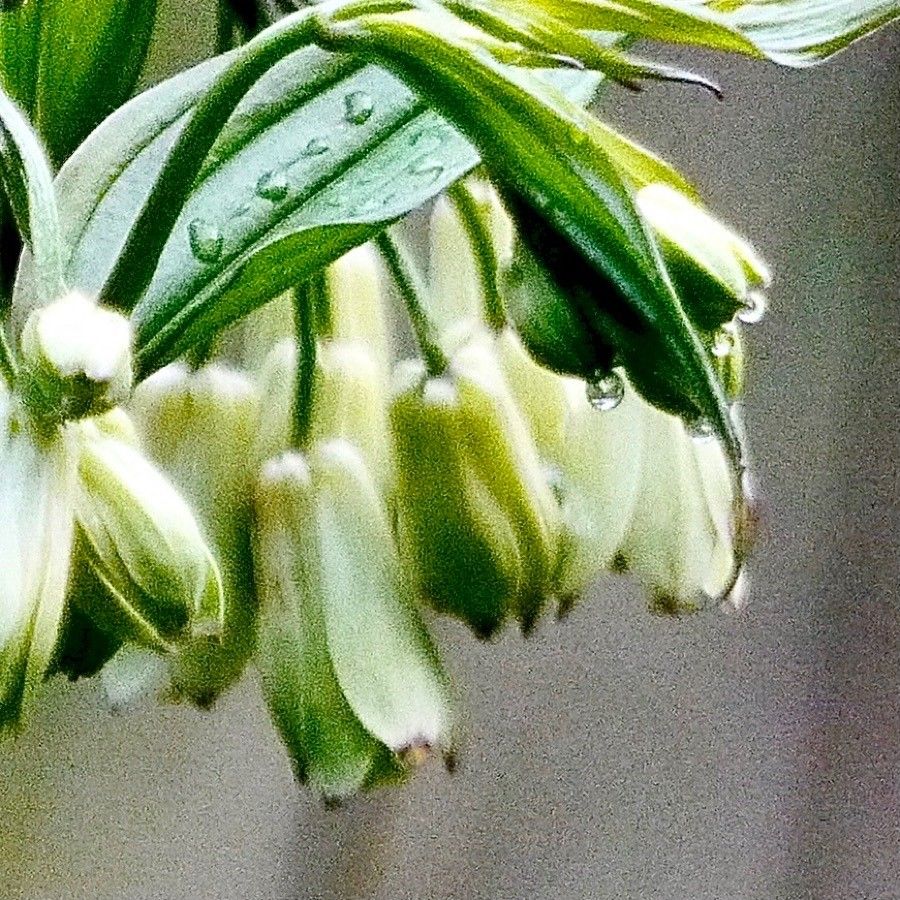
The flowers of Disporum cantoniense are bell-shaped and have six petals, which are either white or pale yellow. They bloom from late spring to early summer, eventually giving way to small berries after pollination. The plant prefers moist, well-drained soil but can tolerate dry conditions once established.
Disporum cantoniense has been used for centuries in traditional Chinese medicine to treat various ailments, including fever, coughs, sore throats, and rheumatism. Additionally, it is valued as an ornamental plant due to its attractive foliage and delicate flowers.
In summary, Disporum cantoniense is a beautiful perennial that enhances any garden or landscape. Its aesthetic appeal and medicinal properties make it a valuable addition.
Canton fairy bells is fairly disease-resistant and usually not prone to illnesses. However, it can be vulnerable to pests and diseases present in its environment. These problems are typically not serious. In terms of care, the plant requires moderate maintenance. It should be pruned regularly to keep a good appearance and support healthy growth. Fertilizing can also help stimulate flowering. Canton fairy bells is well suited to anyone with outdoor space, such as a garden or patio, and does not need substantial care experience. It may demand more attention when grown indoors.
How to keep Disporum Cantoniense.
Light
The canton fairy bells generally does best in gentle sunlight but can also tolerate places with less sun. This trait comes from its native habitat, which has a variable distribution of light. In terms of growth, reduced sunlight will not greatly impede the plant's development, but too much light can cause setbacks.
Water
Canton fairy bells thrive in humid environments and are moderately drought-tolerant. To maintain their moisture, water them every 1-2 weeks. Although typically grown outdoors, they perform best in climates with consistent rainfall during the growing season.
Temperature
Canton fairy bells originates from temperate climates. It prefers temperatures between 59 and 95 °F (15 to 35 ℃). In harsher seasons, consider adjusting the temperature so it remains within its preferred range to encourage healthy growth.
Fertilizer
The best time to fertilize a Canton fairy bells is in early spring, as it comes out of dormancy and begins active growth. Fertilization supplies essential nutrients for healthy development. Although Canton fairy bells has relatively low fertilization requirements, applying fertilizer annually can improve its survival and encourage better, longer-lasting flowers.
Pruning
Canton fairy bells thrive in shady conditions and display elegant, bell-shaped flowers. To maintain their shape and encourage new growth, lightly prune them from early to late spring after they have finished flowering. Remove any damaged stems to improve air circulation and reduce the risk of disease. For the best results, use clean, sharp tools when pruning.
Botanical profile.
- Plant Type
- Herb
- Life Cycle
- Perennial
- Genus
- Disporum
- Family
- Colchicaceae
- Hardiness Zone
- 7-10
- Mature Height
- 0.91 m to 1.52 m
- Mature Spread
- 91 cm
- Leaf Color
- Green, Blue
- Leaf Type
- Deciduous
- Flower Color
- Lavender
- Flower Size
- 2.54 cm
- Bloom Time
- Mid spring, Late spring
- Planting Time
- Spring, Summer, Autumn
- Harvest Time
- Mid summer, Late summer, Early fall
- Native Area
- Nepal, Sri Lanka, India, Malaysia, Indonesia, Cambodia, Vietnam, Myanmar, Bhutan, Laos, Thailand, China
Reader questions.
How should I water my Canton fairy bells?
When watering the Canton fairy bells, it's best to use filtered water that's at room temperature. Tap water may have harmful particles, so filtered water is preferred. The Canton fairy bells thrive in warm environments, so using cold water can be a shock to them. Avoid overhead watering to prevent issues with their foliage. Instead, pour your filtered room temperature water onto the soil until it's completely soaked. This helps moisten the roots, allowing them to spread and gather the necessary nutrients.
Why do I have to add fertilizer to my Canton fairy bells plant?
Fertilization plays a crucial role in the growth of Canton fairy bells and other plants. It provides essential nutrients for the plant's overall development, both above and below the ground. Although Canton fairy bells have relatively low fertilization requirements, periodic fertilization can greatly benefit them. While it is possible for a Canton fairy bells to survive without fertilization, annual fertilization is highly recommended. It not only ensures the plant's survival but also promotes the production of better and longer-lasting flowers. Therefore, those looking to enhance the appearance of their Canton fairy bells should prioritize annual fertilization.
How many hours of sunlight does Canton fairy bells require to grow?
Canton fairy bells need 3-6 hours of direct sunlight daily, but they also need some shade during the hottest parts of the day to avoid sun damage. Morning sunlight is best for them, but they can tolerate some afternoon sun if it's not too hot. For the optimal amount of sunlight, consider planting Canton fairy bells in a partially sunny area, like under a tree or on the east side of a building.
What is the best temperature for Canton fairy bells?
The best temperature for Canton fairy bells depends on the time of year. There are two primary seasons to consider: the growing season and the dormancy season. During the growing season, when Canton fairy bells begin to sprout, the ideal temperature range is between 65-80℉ (18-27℃). If the temperature drops below 15℉(-10℃), the plant may suffer, with leaves turning brown and wilting. However, if the cold snap is brief, Canton fairy bells can survive with some assistance. In warmer months, it is important to protect Canton fairy bells from excessively high temperatures. The upper limit for this plant is 95-105℉ (35-40℃). Anything higher can damage the foliage and blooms, causing wilting, drooping, and even sunburn on the leaves. Recovering from these effects can be challenging for Canton fairy bells. Luckily, there are several quick and easy ways to address this issue.
What should I do if I give too much or too little water to my Canton fairy bells?
Both overwatering and underwatering can harm the health of your Canton fairy bells, but overwatering is more common. When this plant gets too much water, its stems and leaves may wilt and turn yellow. Overwatering for a long time can also lead to root rot, mold, and mildew, which can kill the plant. Underwatering is less common because the Canton fairy bells can tolerate some drought. However, there is still a possibility of underwatering, which can make the leaves brittle and brown. It's important to recognize the signs of overwatering early when taking care of your Canton fairy bells. Some of the diseases caused by overwatering, like root rot, may not be reversible if you wait too long. If you notice early signs of overwatering, reduce your watering schedule immediately. You should also check the soil quality. If it doesn't drain well, replace it with a loose, well-draining potting mix. On the other hand, if you see signs of underwatering, simply water more regularly until the signs go away.
What is the best time to add fertilizer to my Canton fairy bells?
The best time to fertilize a Canton fairy bells is in late winter to early spring when the plant is coming out of its dormant phase and starting to grow. Fertilizing at this time will help promote healthy growth for the season. It is also possible to fertilize in the fall, but it's not recommended to feed the plant during summer or winter.
What will happen if the Canton fairy bells don't get enough sunlight?
To prevent sun damage, it's important to provide some shade for Canton fairy bells when it's too sunny. If the plant is exposed to excessive sunlight, its leaves may turn yellow, dry out, or burn. Additionally, the plant may wilt or become stunted. To provide shade, you can use a shade cloth or plant Canton fairy bells near taller plants that can naturally provide some shade.
Temperature needs for newly planted or young Canton fairy bells.
If you have recently planted Canton fairy bells outside for the first time, it is important to take extra care during the coldest months of the year. Frost can cause significant damage to a newly planted Canton fairy bells, and it can also hinder its growth in the spring. To prevent this, the plant should be kept at a temperature of 40℉(5℃) or above until it becomes established. This can be achieved by either bringing the plant inside for a month or two or using mulch or fabric barriers to protect it from frost. During the first year or two, it is advisable to plant Canton fairy bells in a shadier location. This is because smaller and weaker plants struggle to regulate their own temperatures in hot weather. Therefore, it is recommended that first-year Canton fairy bells receive no more than five hours of direct sunlight per day, especially if the temperature exceeds 80℉(27℃). In the summer, the keys to controlling heat are using shadecloth and regularly watering or misting the plant.
How frequently should I water my Canton fairy bells plant?
If your Canton fairy bells plant is in a pot, the most precise way to determine if it needs water is by checking the soil. Plunge your finger into the soil and if you find that the top two to three inches are dry, then it's time to water it. If you're growing your Canton fairy bells outdoors in the ground, you can use a similar method to test the soil. Once again, when you notice that the first few inches of soil have become dry, it's time to water it. Typically, during the spring and early fall, you'll need to water this plant about once a week using this method. However, during extremely hot weather, you may need to increase your watering frequency to about twice a week or even more. It's worth mentioning that mature and well-established Canton fairy bells plants have the ability to withstand drought conditions.
When is the best time to not fertilize my Canton fairy bells?
To ensure the optimal growth of Canton fairy bells, it is recommended to only fertilize them in late winter and early spring. These plants have low fertilizer needs, so a single annual feeding is sufficient. Fertilizing during spring, summer, and fall can easily result in overfertilization and its associated complications. However, if you missed fertilizing in spring, it is acceptable to feed the plants in the fall. Additionally, it is unnecessary to fertilize Canton fairy bells during the winter as they enter a dormant phase and do not require new growth.
What happens if Canton fairy bells get too much sunlight?
If Canton fairy bells don't receive adequate sunlight, they may become tall and thin, with only a few leaves. The leaves may also turn yellow or pale green, which shows that the plant isn't getting enough sunlight to produce chlorophyll. To help the situation, you can try relocating the Canton fairy bells to a sunnier area or trim nearby foliage to allow more light to reach the plant.
What can I do to keep Canton fairy bells safe in very hot or very cold weather?
To protect Canton fairy bells from cold temperatures during the growing season, there are a few measures you can take. If you're growing them in a container, simply bring the container inside in bright, indirect light until the temperatures rise above 15℉ (-10℃) again. If they are planted in the ground, use mulch or horticultural fabric to create an insulated barrier around the plant, shielding it from frost and cold wind. In hot temperatures exceeding 80℉ (27℃) in the shade, be cautious with the amount of sunlight Canton fairy bells are exposed to. Limit their exposure to six hours or less per day, ideally in the morning hours. Installing shade cloth or fine plastic mesh can reduce direct sunlight during the hottest parts of the day. Additionally, consider setting up a misting system that releases cooling mist around the base of the plant to lower ground temperatures.