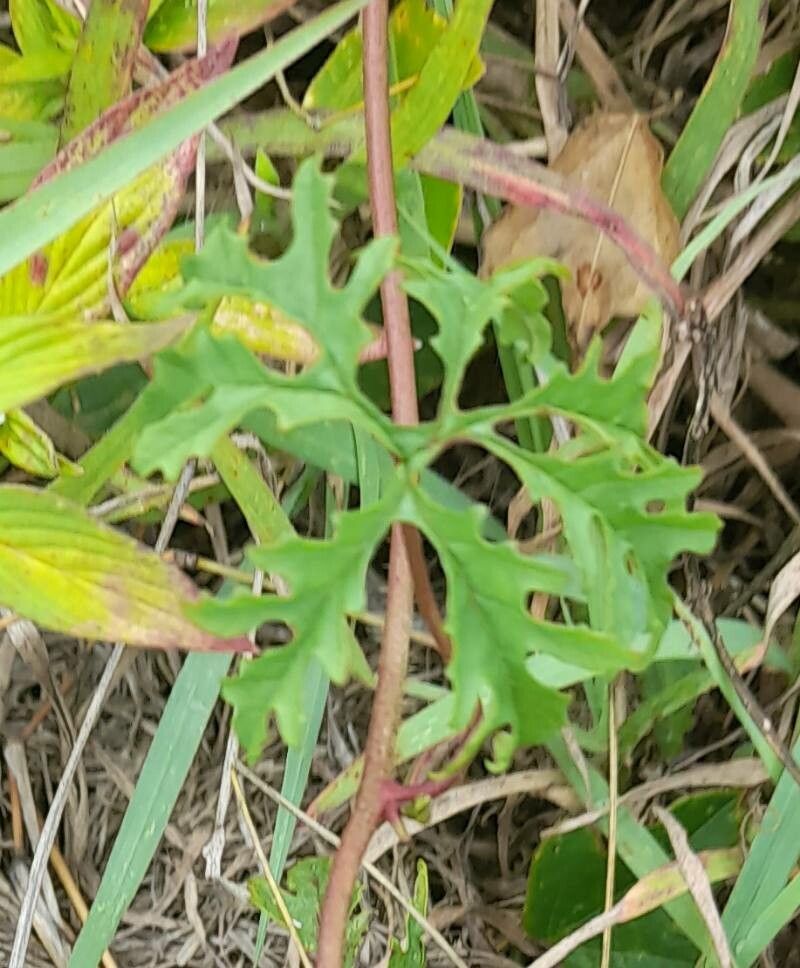
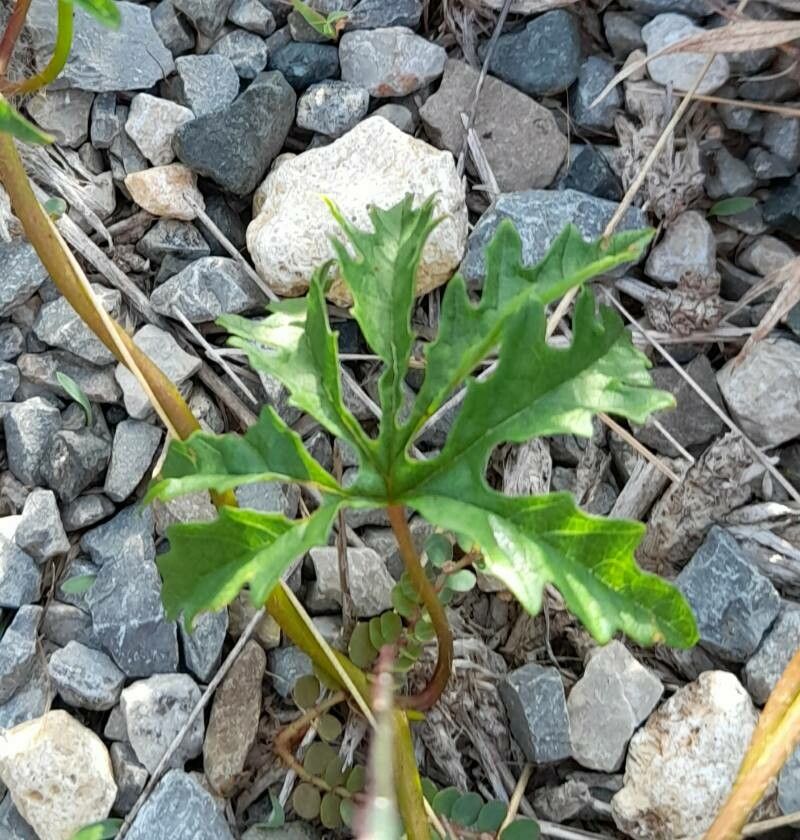
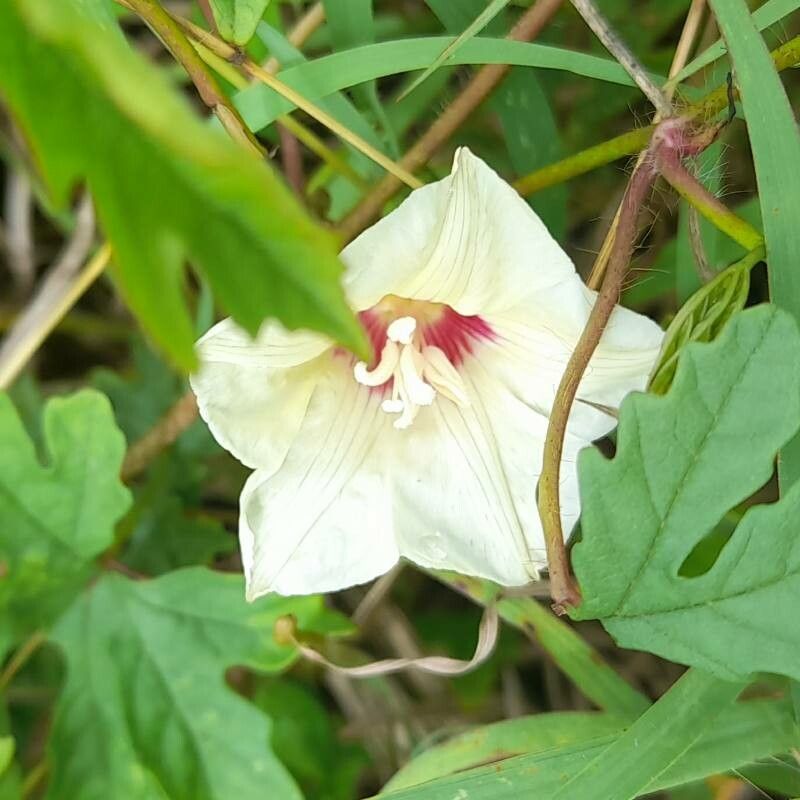
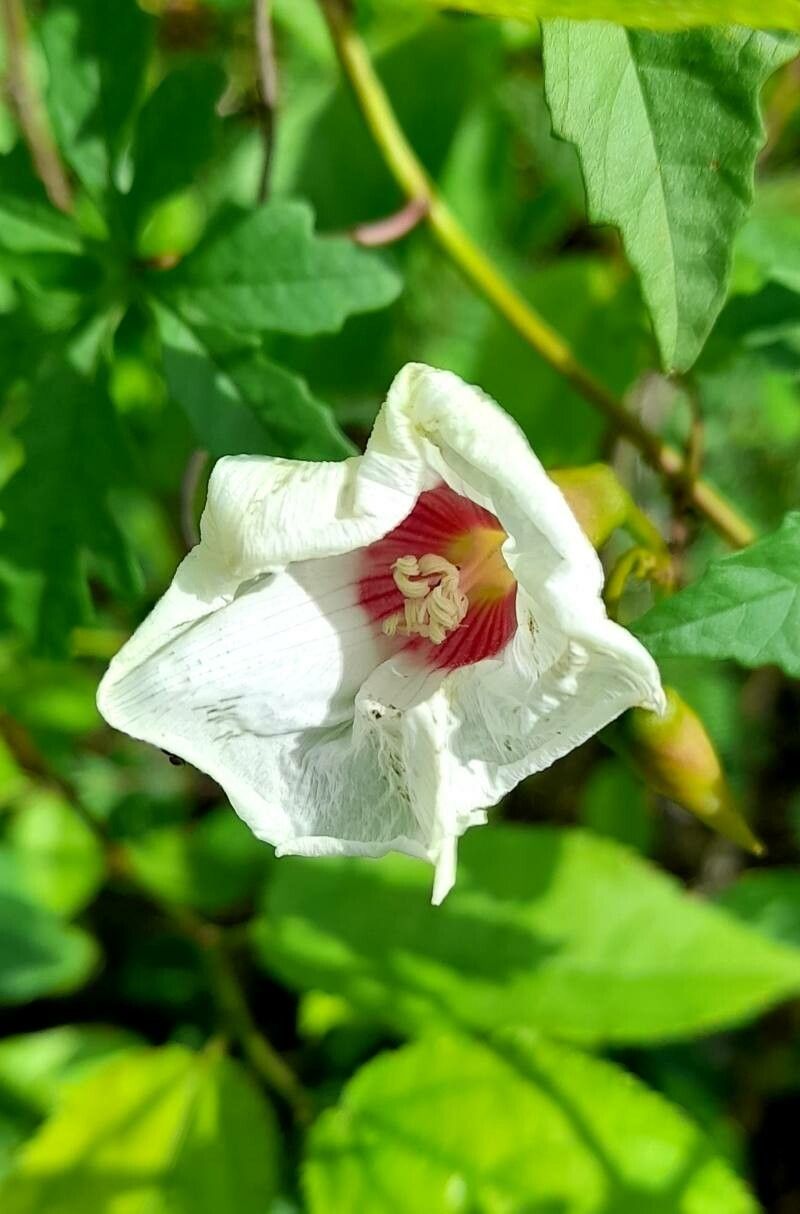
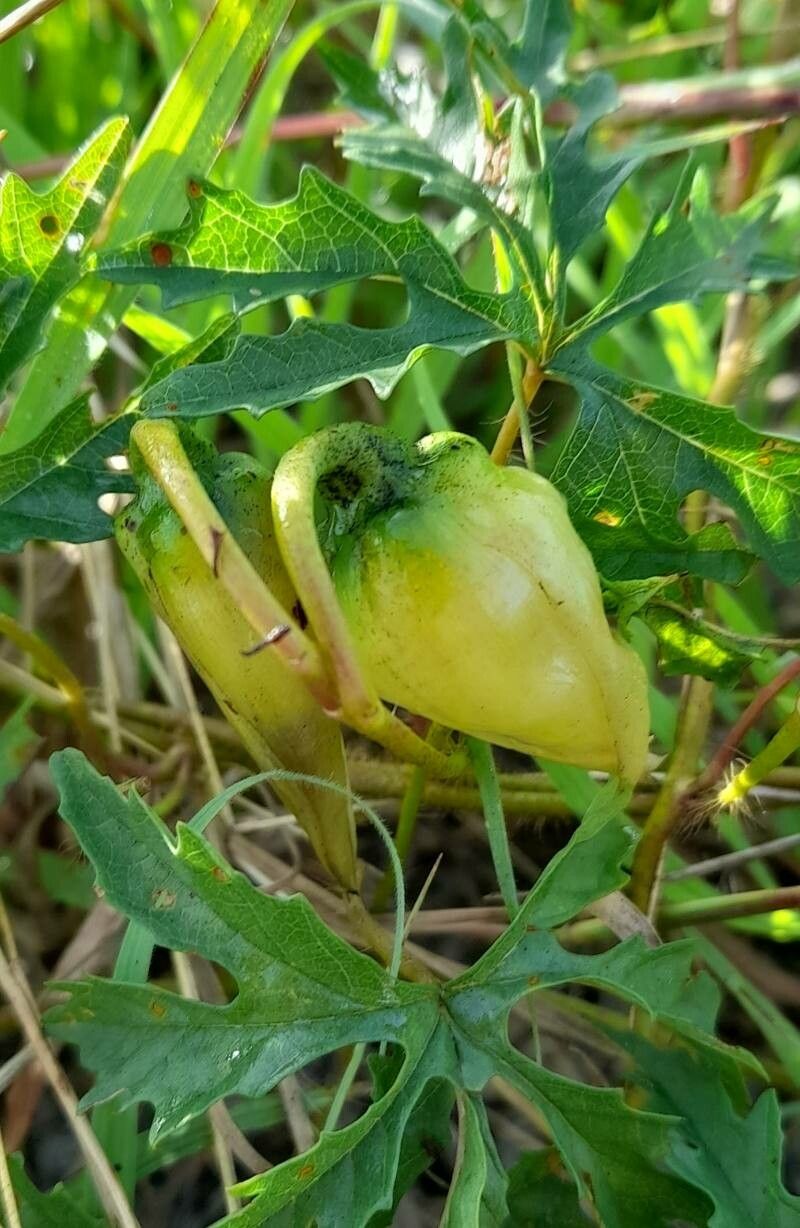
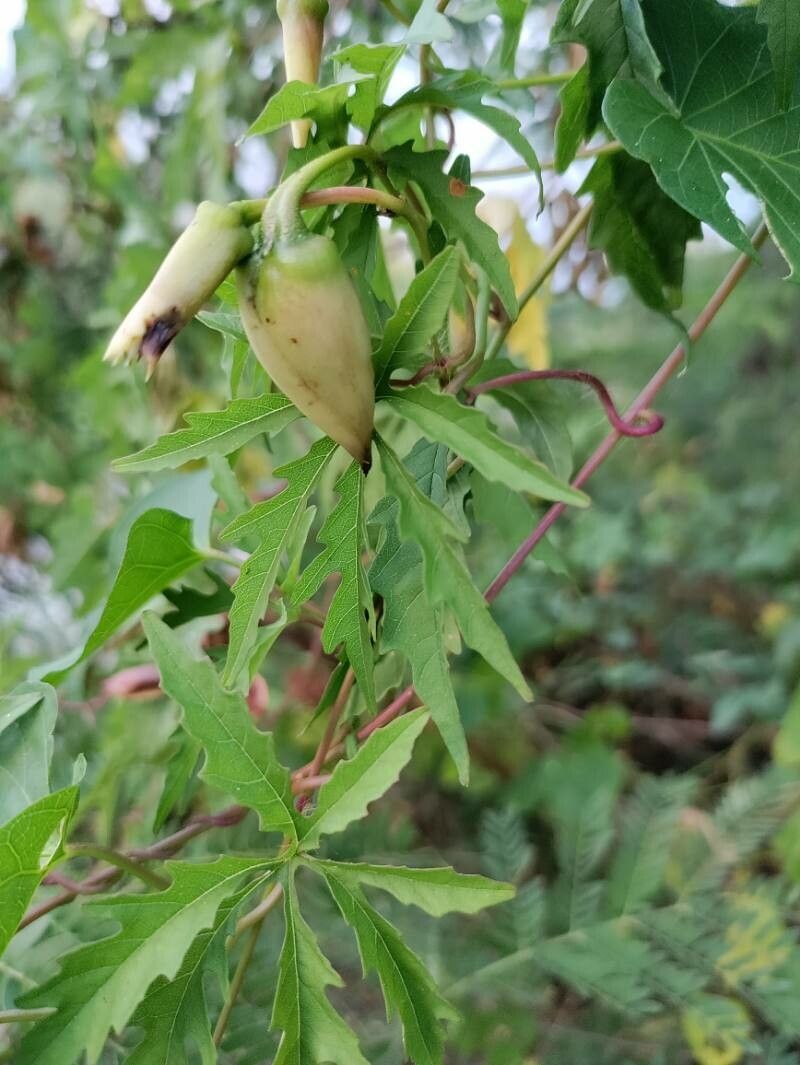
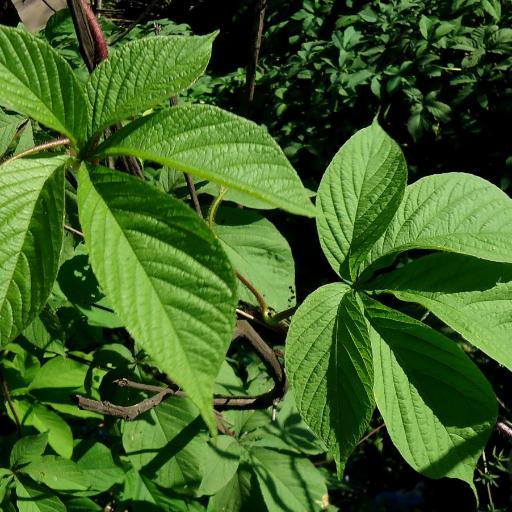
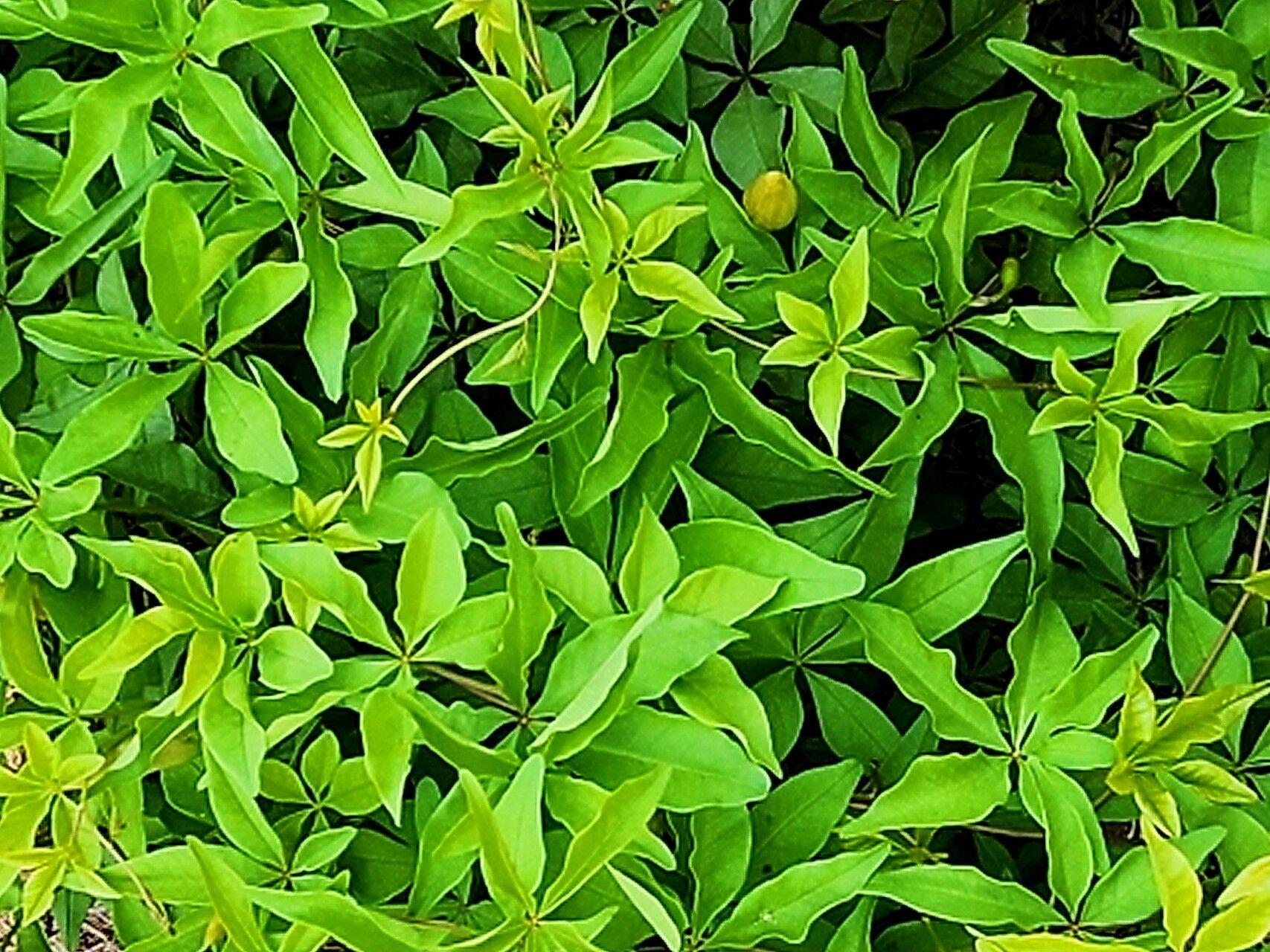
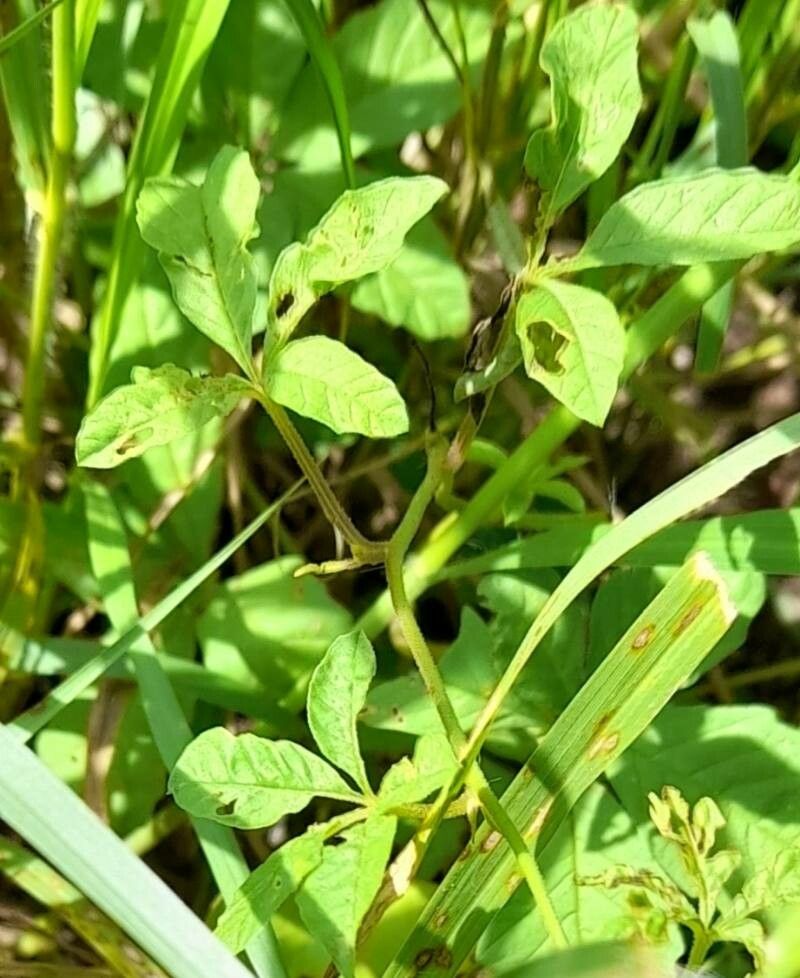
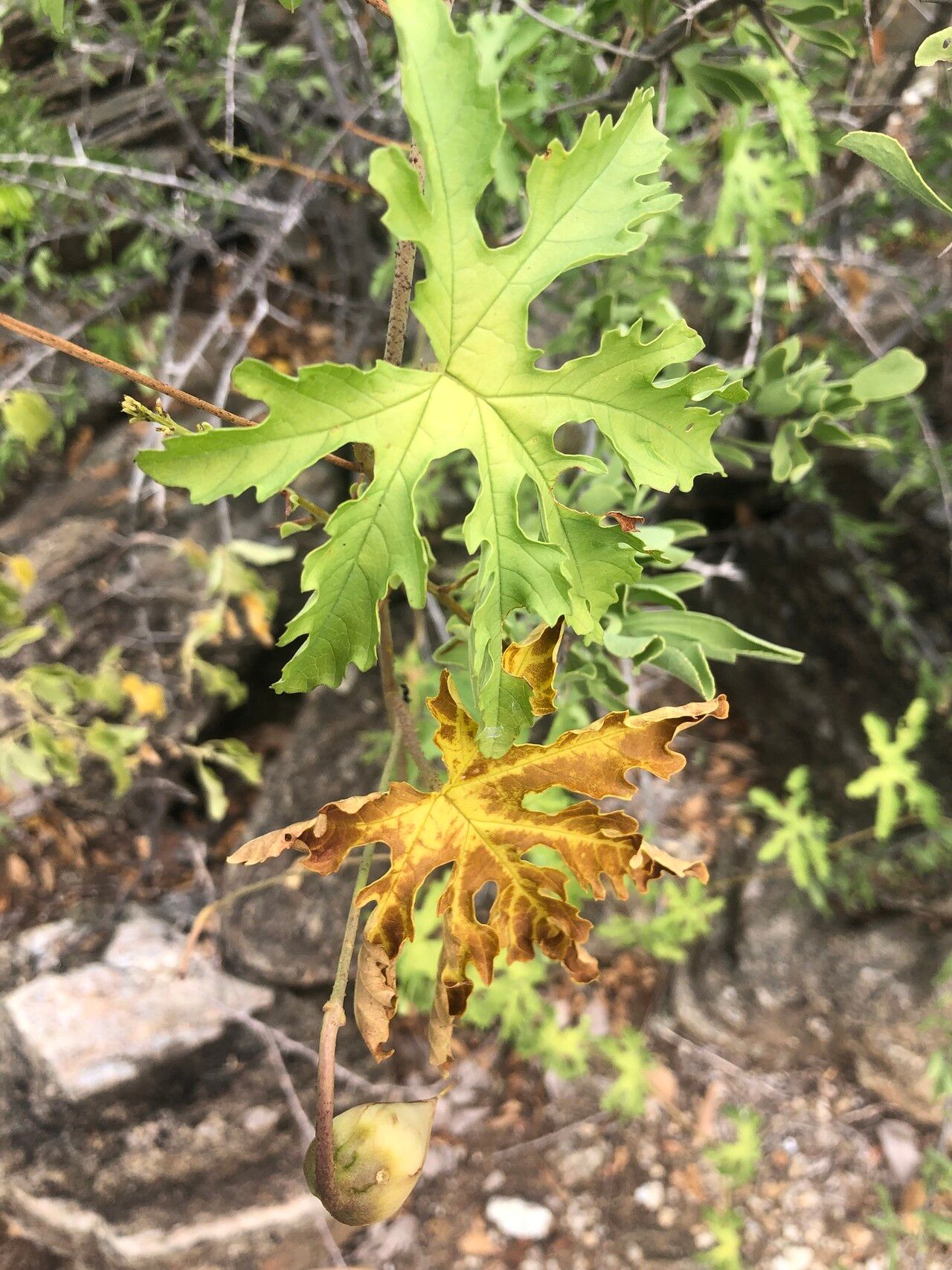
Distimake dissectus is a species of plant in the family Convolvulaceae and is native to north, Central, and South America.
Alamo vine is fairly resistant to disease and usually not prone to illnesses. Nevertheless, it can be affected by pests and diseases present in its environment. Such infections are typically mild. Regarding care, this plant requires a moderate level of maintenance. It should be pruned regularly to preserve a tidy appearance and support healthy growth. Fertilizing can also encourage flowering. Alamo vine is well suited for anyone with outdoor space like a garden or patio and does not demand extensive gardening experience. It may need more attention when grown indoors.
How to keep Distimake Dissectus.
Light
Alamo vine thrives in bright light but can cope with somewhat lower light levels. The plant needs substantial light to grow well. In its native habitat it prospered in plentiful sunshine. Both insufficient and excessive light can interfere with its growth.
Water
The Alamo vine flourishes in areas with moderate rainfall, as it needs consistent moisture without becoming waterlogged. Water it once a week to satisfy its requirements. It grows best outdoors and thrives in soil that mimics the moisture of its natural habitat. Collecting rainwater can be a helpful supplement during dry periods.
Temperature
The Alamo vine is naturally adapted to moderate climates with temperatures from 59 to 100.4 °F (15 to 38 ℃). When it favors the warmer end of that range, adjusting temperatures may be necessary to achieve optimal growth in cooler seasons.
Fertilizer
The best time to fertilize an Alamo vine is in early spring, when it’s coming out of dormancy and beginning active growth. Fertilization supplies important nutrients needed for healthy development. Although Alamo vines have relatively low fertilizer requirements, applying fertilizer annually can improve their survival and encourage better, longer-lasting flowers.
Pruning
The Alamo vine is a vigorous climbing plant featuring white flowers and heart-shaped leaves. To promote its growth, prune it in early spring or late winter. Focus on removing dead vines and thinning dense areas to improve air circulation. Use clean, sharp tools to minimize the risk of disease and ensure the plant grows optimally.
Botanical profile.
- Plant Type
- Herb, Vine
- Life Cycle
- Perennial
- Genus
- Distimake
- Family
- Convolvulaceae
- Hardiness Zone
- 7-11
- Mature Height
- 2.44 m to 4.27 m
- Mature Spread
- 91 cm
- Leaf Color
- Green, Blue
- Leaf Type
- Evergreen, Deciduous
- Flower Color
- White
- Flower Size
- 5.08 cm to 7.62 cm
- Bloom Time
- Summer, Early fall, Mid fall
- Planting Time
- Spring, Summer, Autumn
- Harvest Time
- Late summer, Fall, Early winter
- Native Area
- Colombia, Bahamas, Cuba, Honduras, Mexico, Bolivia, Venezuela, Guyana, El Salvador, Nicaragua, Costa Rica, Panama, Jamaica
Other names.