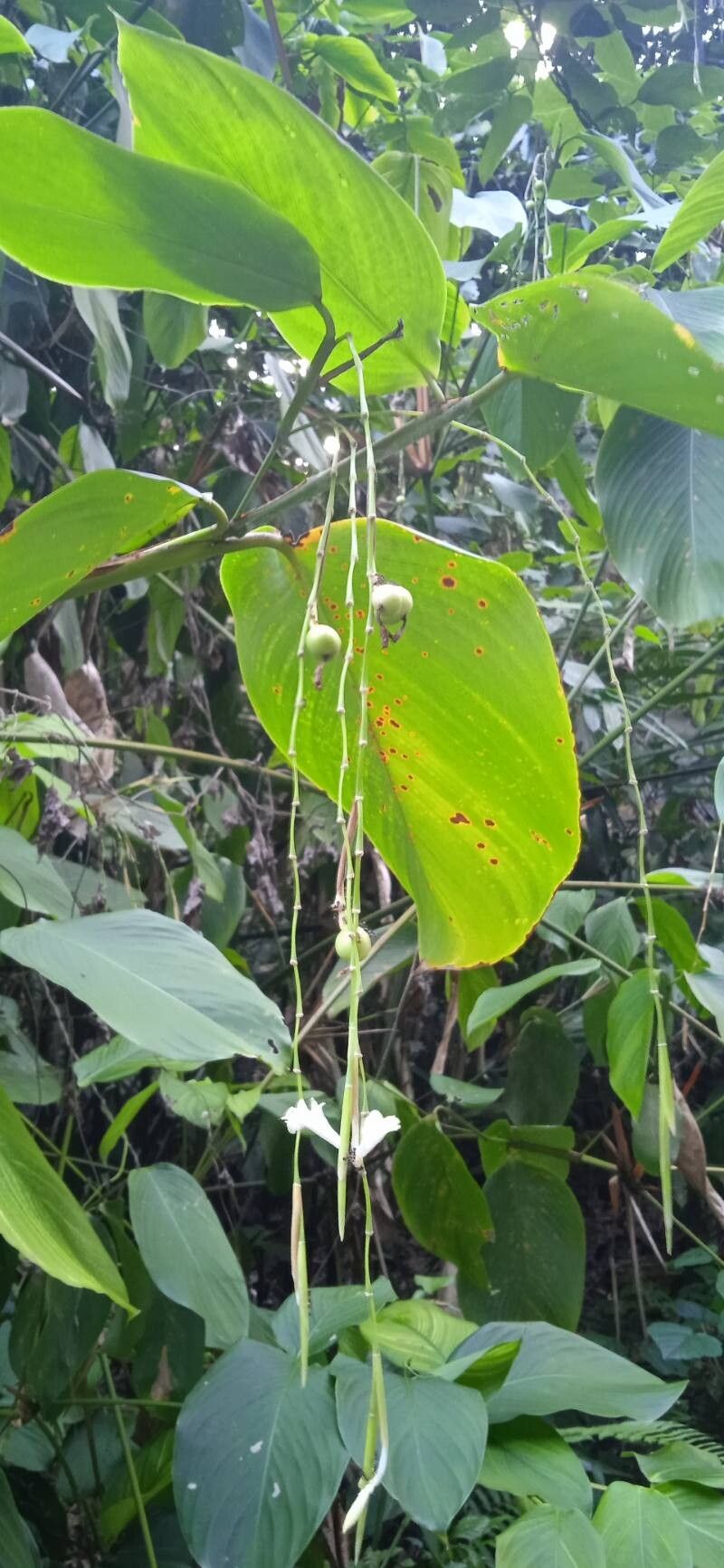
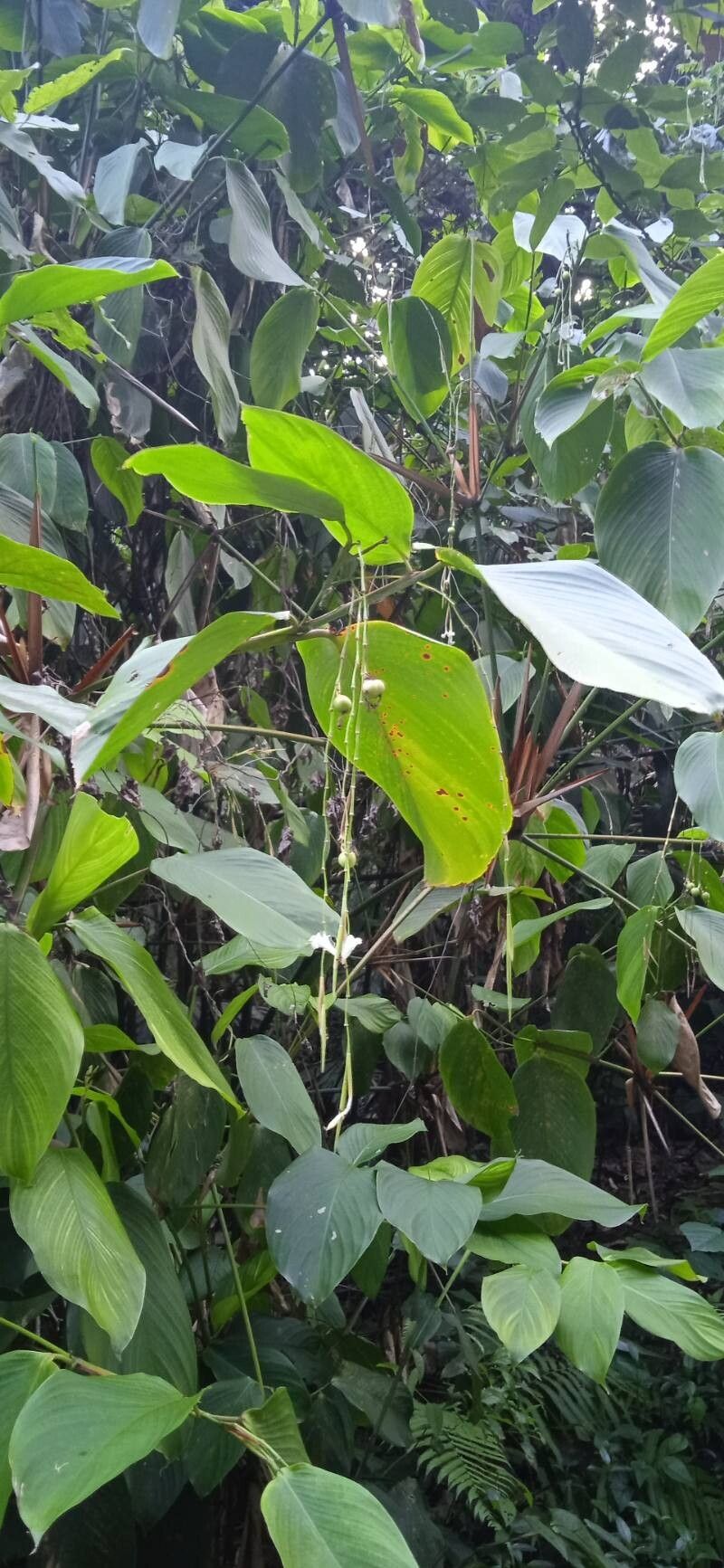
Donax is a monotypic genus of flowering plants in the family Marantaceae. It contains only one recognized species, Donax canniformis (G.Forst.) K.Schum, widespread from the Andaman Islands, Myanmar (Burma), southern China, Southeast Asia, New Guinea, Melanesia and Micronesia.
Common donax has moderate resistance to disease and can be susceptible to leaf spot disease. Its leaves may curl and dry out when humidity is low. The plant's care is considered difficult because it requires high humidity and good ventilation to grow properly. These conditions can be hard to achieve in typical indoor environments. Common donax is appropriate for people who can provide high humidity for it, but even experienced growers may find it challenging to get it to thrive. Novices might be able to keep it alive, but it may not perform well.
How to keep Donax Canniformis.
Light
Common donax is a perennial herbaceous plant that prefers sunny sites and originates in open habitats, frequently thriving in meadows and grasslands. It favors full sun but can also tolerate partial sun.
Water
Common donax thrives in humid environments and requires weekly watering to stay healthy. It strikes a balance in its water needs, as it is neither drought-tolerant nor excessively water-dependent. This versatile plant flourishes in both indoor and outdoor settings, provided it receives enough moisture. It is suitable for various climate zones.
Temperature
Common donax comes from tropical areas, where the climate is usually warm and humid. Consequently, it is suited to high temperatures and moisture. It does not tolerate sudden temperature changes and prefers a steady temperature, so avoiding indoor temperature fluctuations is important. It generally cannot withstand cold conditions and needs warmer temperatures to grow. If the ambient temperature falls too low, the plant may stop growing or even die.
Fertilizer
Common donax needs the most fertilizer during its active growth period, which takes place mainly in spring, summer, and early fall. Fertilizing is needed to supply essential nutrients that the soil may lack, supporting healthy root and stem development as well as attractive foliage, a key feature of this particular plant.
Pruning
The common donax is characterized by its tall, reed-like stems and lush foliage. To maintain its health and appearance, it is best to prune dead stems and thin out excess growth to improve airflow. This should ideally be done from early to late spring. Regular pruning encourages healthier growth, helps prevent overcrowding, reduces pest problems, and ensures a strong and attractive structure for the common donax.
Botanical profile.
- Plant Type
- Herb, Shrub
- Life Cycle
- Perennial
- Genus
- Donax
- Family
- Marantaceae
- Hardiness Zone
- 10-12
- Mature Height
- 2.13 m to 3.96 m
- Mature Spread
- 0.91 m to 2.13 m
- Leaf Color
- Green, Dark Green
- Leaf Type
- Evergreen
- Flower Color
- White
- Flower Size
- 2.03 cm to 3.05 cm
- Bloom Time
- All year round
- Planting Time
- Spring, Summer, Autumn
- Harvest Time
- All year round
- Native Area
- India, Malaysia, Indonesia, Cambodia, Vietnam, Myanmar, Philippines, Singapore, Laos, Thailand, China