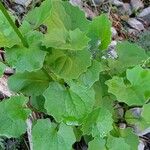
Doronicum columnae
Eastern Leopard's-bane · Heart-leaved leopardsbane
Care Guide
💧 Water
Eastern leopard's-bane flourishes in moist, well-drained soil, reflecting its woodland origins. To promote healthy growth and vibrant yellow flowers, ensure consistent moisture, particularly during the active growing season. Water the plant weekly and maintain a balanced water supply. It is best grown outdoors, where it can benefit from natural rainfall.
☀️ Light Partial sun
Eastern leopard's-bane is native to habitats like forest understories and rocky areas, which provide natural shade. It favors partial sun but can tolerate full sun or full shade, showing its hardy, adaptable nature.
🌡️ Temperature 5–35°C
Eastern leopard's-bane can tolerate a wide range of temperatures, but its distribution may still be restricted by different combinations of moisture and heat. It performs best in warm summer conditions with sufficient rainfall or regular watering. Extended periods of cloudy, rainy weather or sustained high temperatures raise the chance of Eastern leopard's-bane dying. In winter, protecting it from cold can increase its survival rate.
💨 Humidity
🪴 Soil 6-7
🌱 Fertilizer
The best time to fertilize an Eastern leopard's-bane is in early spring, when it is coming out of dormancy and starting active growth. Fertilizing supplies essential nutrients for healthy development. Although Eastern leopard's-bane has relatively low fertilizer needs, yearly fertilization can improve its survival and encourage better, longer-lasting flowers.
🪴 Pot & Repot Every 12 months
✂️ Pruning
Eastern leopard's-bane has bright yellow, daisy-like flowers that benefit from strategic pruning. Essential steps include removing spent blooms in early spring, trimming the stems after flowering, and thinning the plants periodically to prevent overcrowding. These practices help maintain the plant's shape, improve air circulation, reduce the risk of disease, and maximize bloom potential.
🌿 Propagating
🐛 Diseases & pets
☠️ Toxicity
Characteristics
- Plant Type
- Herb
- Life Cycle
- Perennial
- Genus
- Doronicum
- Family
- Asteraceae
- Hardiness Zone
- 4-9
- Mature Height
- 20 cm to 40 cm
- Mature Spread
- 20 cm to 30 cm
- Leaf Color
- Green
- Leaf Type
- Deciduous
- Flower Color
- Yellow
- Flower Size
- 4.06 cm to 6.35 cm
- Bloom Time
- Early spring, Mid spring
- Planting Time
- Spring, Summer
- Harvest Time
- Late spring, Early summer
- Native Area
- Sweden, Austria, Czech Republic, Slovakia, Montenegro, Bulgaria, Poland, Greece, Croatia, Slovenia, Serbia, Germany, Italy, Albania, United Kingdom, Romania, Belgium, France