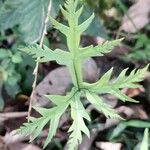
Doryopteris concolor
Care Guide
💧 Water
The geranium fern thrives in the understories of tropical rainforests, where it requires high humidity and consistent moisture. It prefers soil that remains evenly moist, so watering it twice a week is ideal. When grown indoors, regular misting can help replicate its naturally humid environment, promoting healthy growth of its fronds.
☀️ Light Full shade
The geranium fern prefers locations with low light levels, which are essential for its optimal growth and development. Deprived of these conditions, it can suffer poor health. Its native habitat and tendency to grow in less brightly lit surroundings confirm this preference. Both excessive light and too little light can harm the plant, diminishing its vigor and appearance.
What are the sunlight requirements for Geranium fern?
The Geranium fern, known botanically as Doryopteris concolor, thrives in settings low in sunlight intensity, requiring less than 3 hours of sunlight or full shade for optimal growth and development. Excessive light exposure or a significant lack of it can lead to poor health, deteriorated vigor, and beauty. It's essential to observe the way sunlight moves through your garden and select spots that provide a perfect balance of light and shade, to ensure the happiness and health of your plants.
How can artificial lighting be used for Geranium fern?
Artificial lighting can serve as a vital solution for the growth of indoor Geranium ferns, especially when natural sunlight is insufficient, like in winter or less sunny spaces. LED lights are a popular choice because they can provide specific wavelengths of light needed by the plants. For full sun plants, 30-50W/sq ft of artificial light is needed; partial sun plants require 20-30W/sq ft, and full shade plants should have 10-20W/sq ft. The light source should be placed 12-36 inches above the plant to mimic natural sunlight, and most plants need 8-12 hours of light per day.
What are the symptoms of inadequate light in Geranium fern and how to address them?
Symptoms of inadequate light in Geranium fern include smaller new leaves, leggy or sparse growth, faster leaf drop, slower or no new growth, lighter-colored new leaves, chlorosis, sunscald, leaf curling, wilting, and leaf scorching. Solutions include moving your plants to spots with sufficient light, using artificial light if needed, especially for large or immovable plants by keeping a desk or ceiling lamp on for at least 8 hours daily or investing in professional plant grow lights. For outdoor plants, avoid sudden changes in light intensity to prevent sunburn and consider gradual relocation to sunnier spots. Minimizing obstructions by pruning, or transplanting smaller plants to sunnier locations with ample sunlight and good drainage, can also improve conditions.
🌡️ Temperature 20–37.8°C
Geranium fern comes from tropical areas, where the weather is usually warm and humid. Consequently, it is adapted to high temperatures and moisture. It does not tolerate sudden temperature shifts and prefers a steady temperature, so avoiding indoor temperature fluctuations is important. It typically cannot endure cold conditions and needs warmer temperatures to grow. If the ambient temperature falls too low, the plant may stop growing or even die.
What is the botanical name of Geranium fern?
The botanical name of the Geranium fern is Doryopteris concolor. This name helps in identifying the plant accurately within the scientific community and often provides insights into its characteristics and family.
💨 Humidity
🪴 Soil 6-7
🌱 Fertilizer
🪴 Pot & Repot
✂️ Pruning
The geranium fern is a delicate plant that benefits from early spring pruning. This involves removing any dead or damaged fronds to encourage new growth. Regular light trimming helps maintain the plant's shape and prevent overcrowding. This not only enhances air circulation but also reduces the risk of disease, promoting a healthy and vibrant plant.
🌿 Propagating
🐛 Diseases & pets
☠️ Toxicity
Characteristics
- Plant Type
- Fern
- Life Cycle
- Perennial
- Genus
- Doryopteris
- Family
- Pteridaceae
- Hardiness Zone
- 9-11
- Mature Height
- 10 cm to 30 cm
- Mature Spread
- 20 cm to 30 cm
- Leaf Color
- Dark Green, Forest Green
- Leaf Type
- Evergreen
- Planting Time
- Spring, Summer, Autumn
- Native Area
- Colombia, Honduras, Mexico, Guatemala, Bolivia, Venezuela, Peru, Brazil, El Salvador, Nicaragua, Ecuador, Jamaica