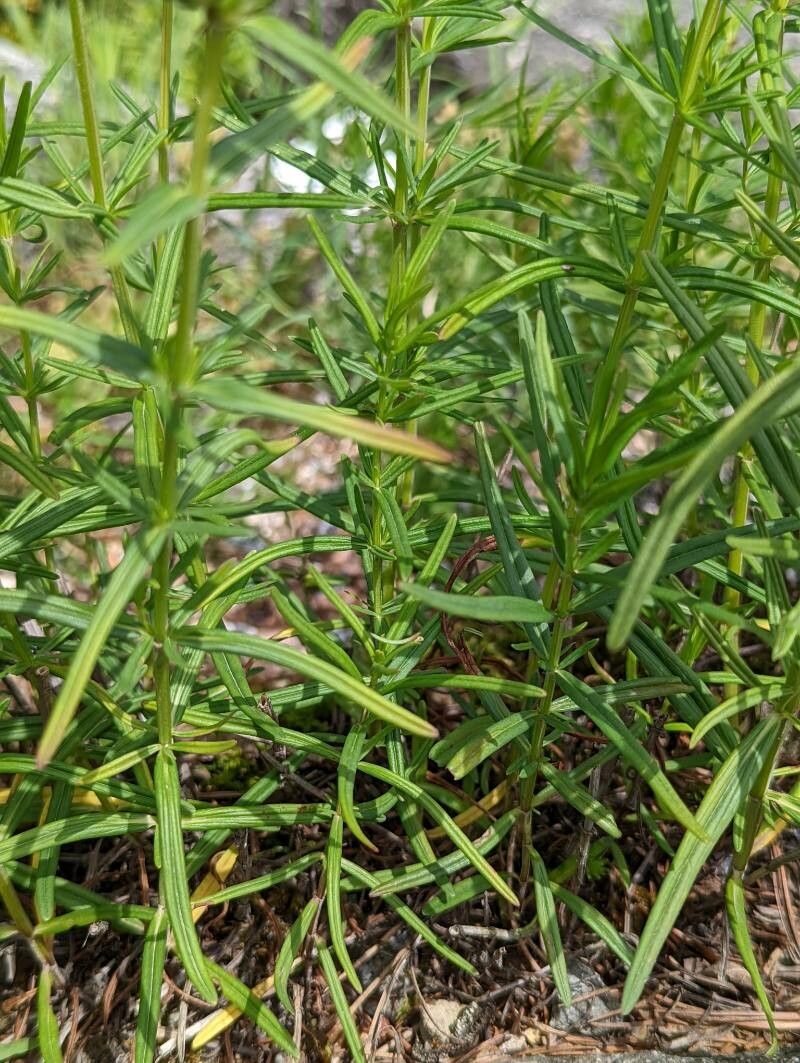
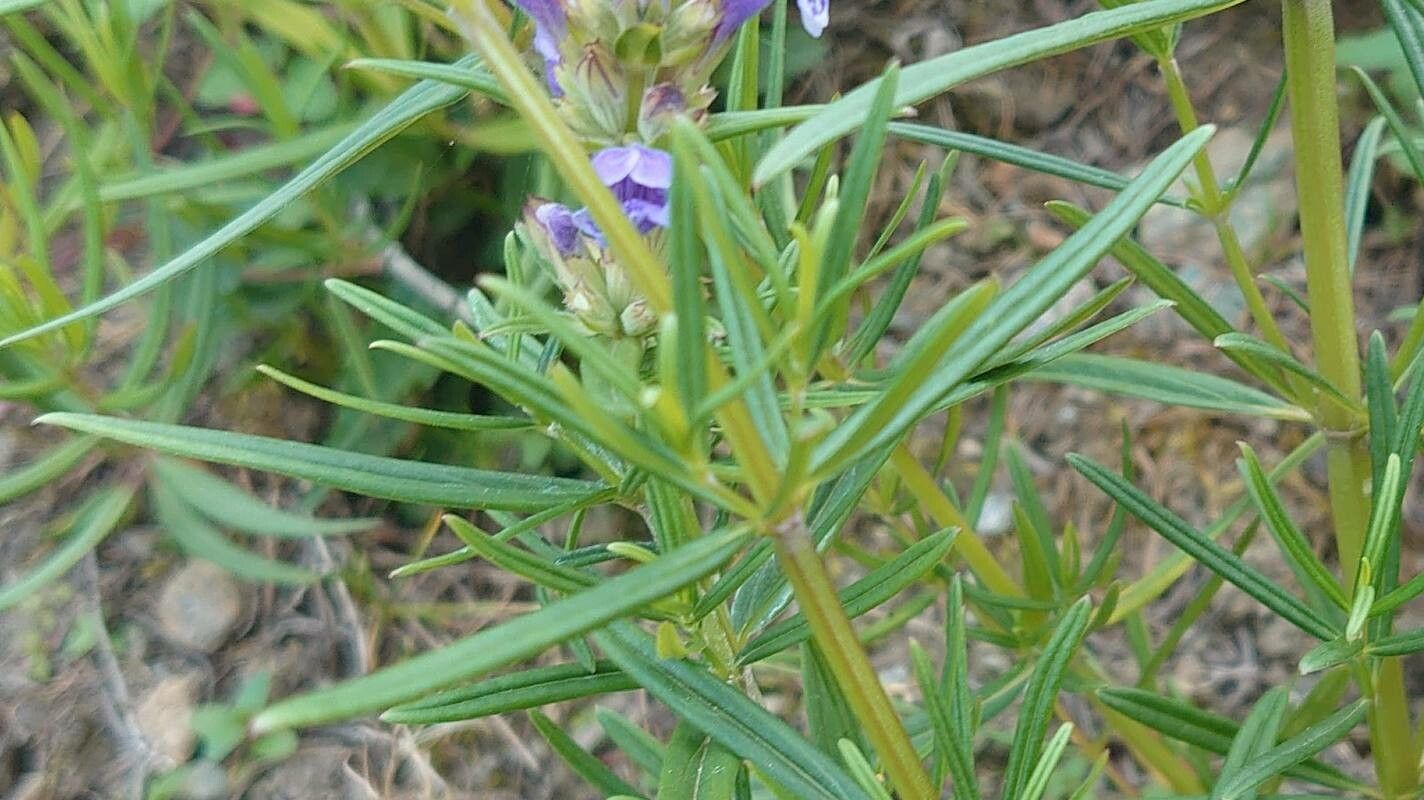
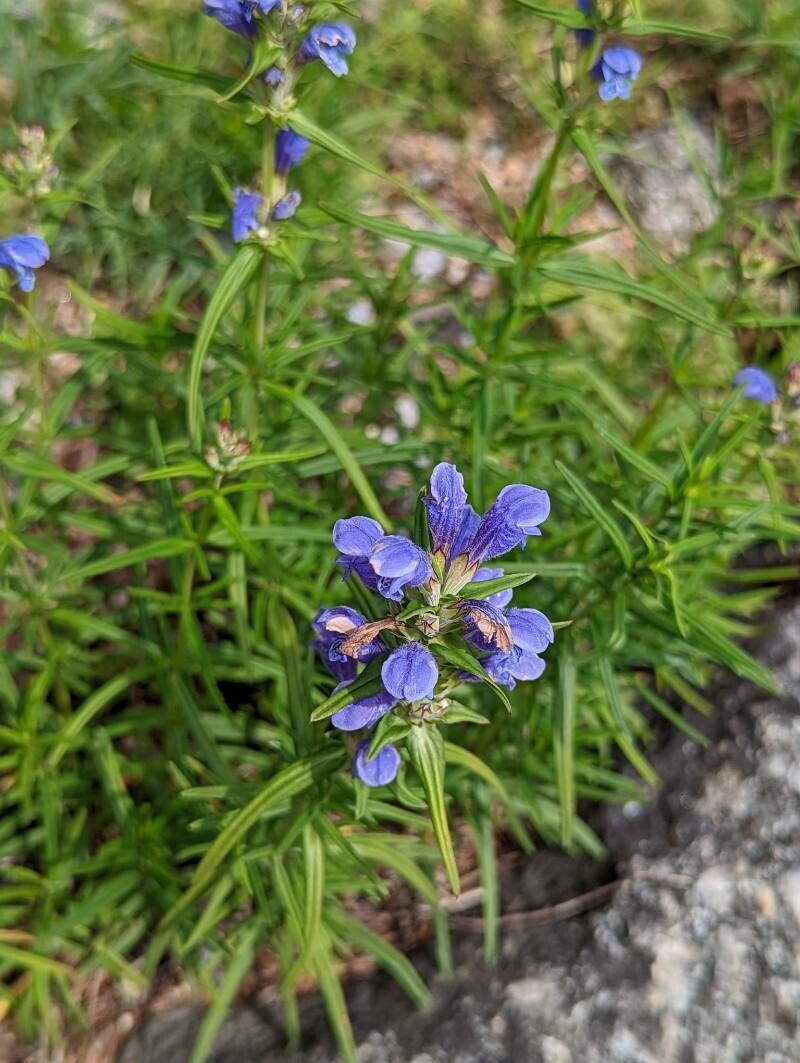
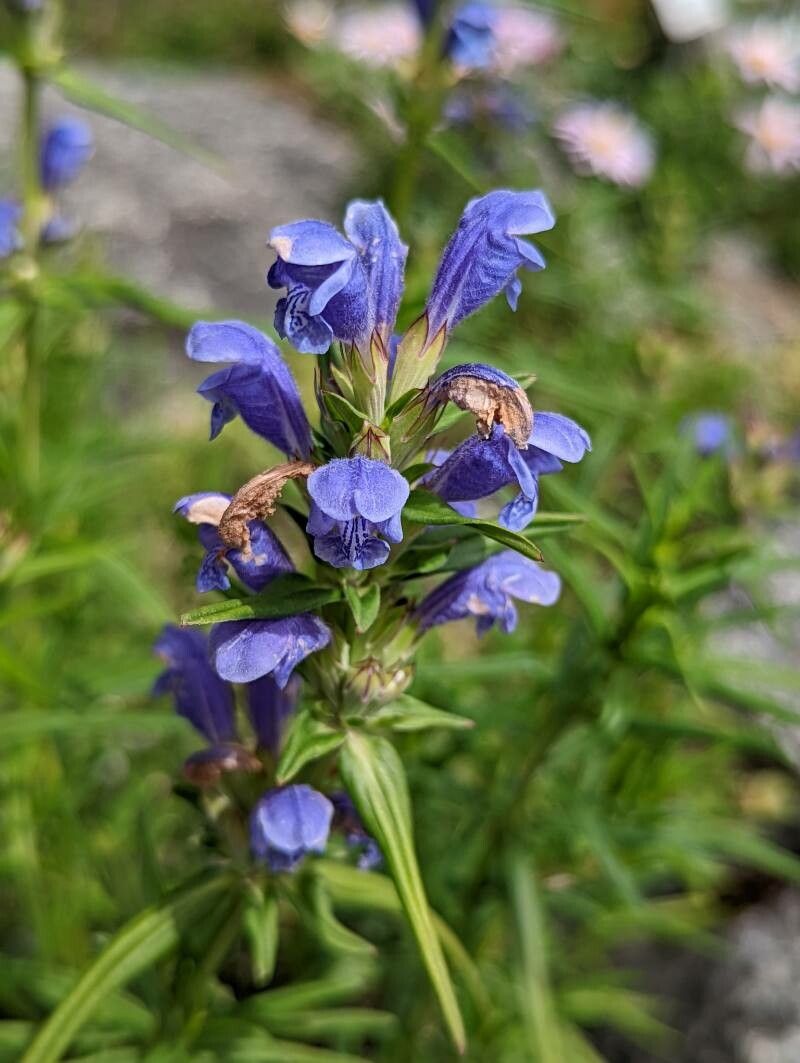
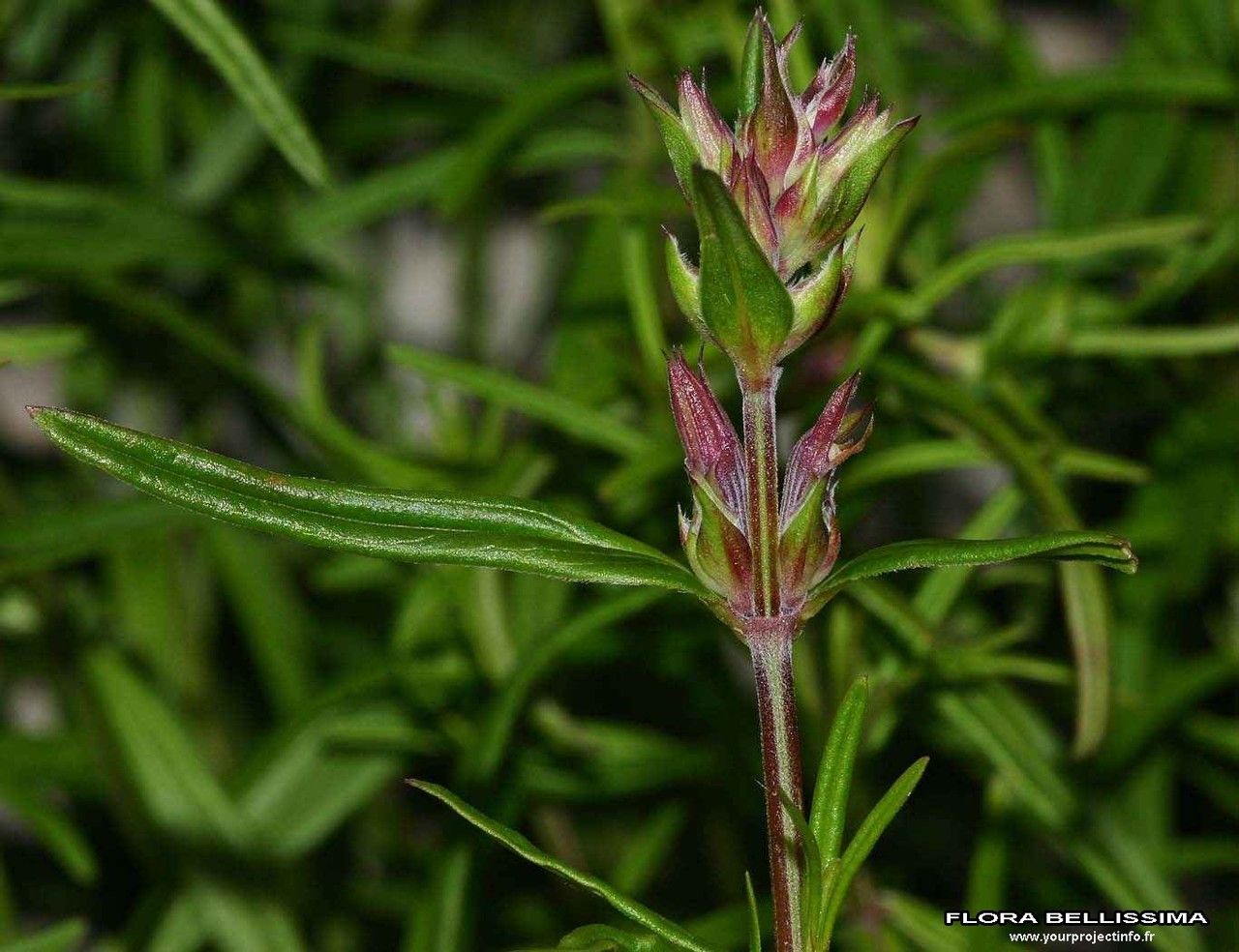
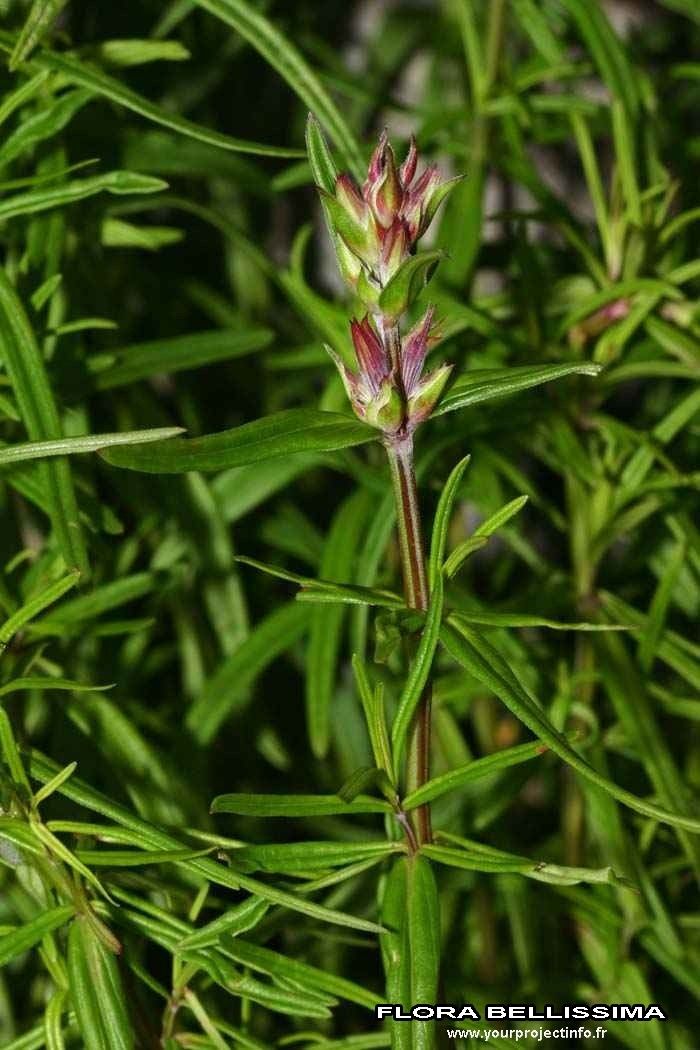
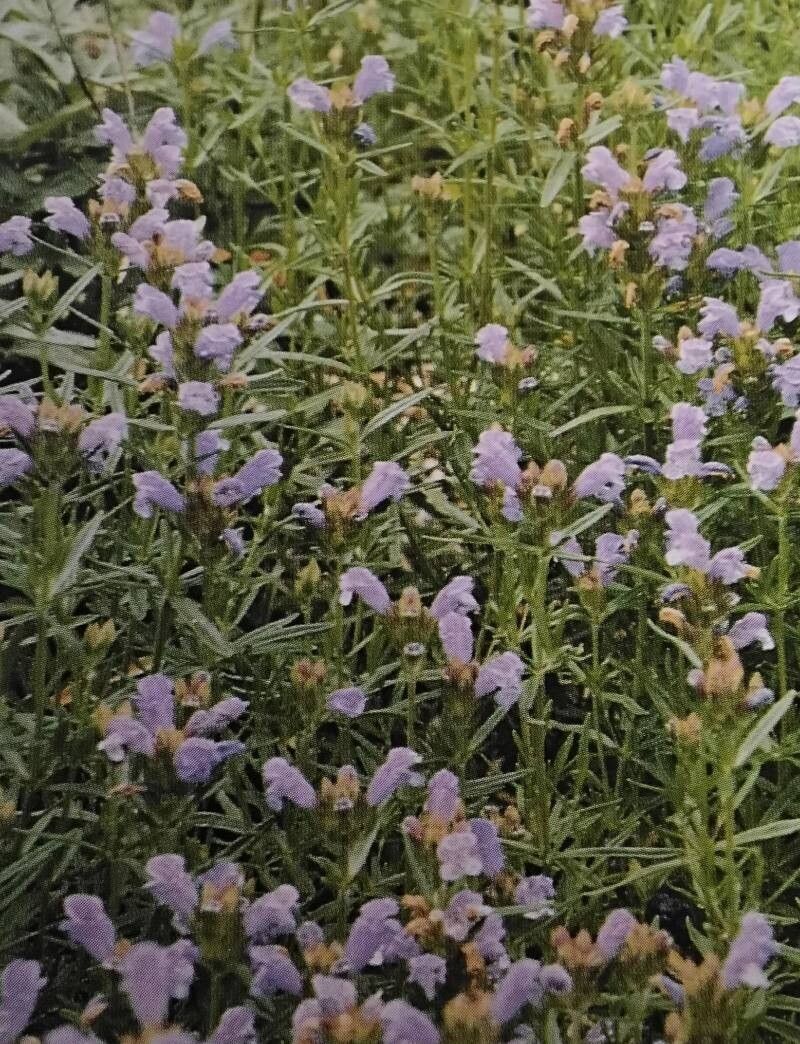
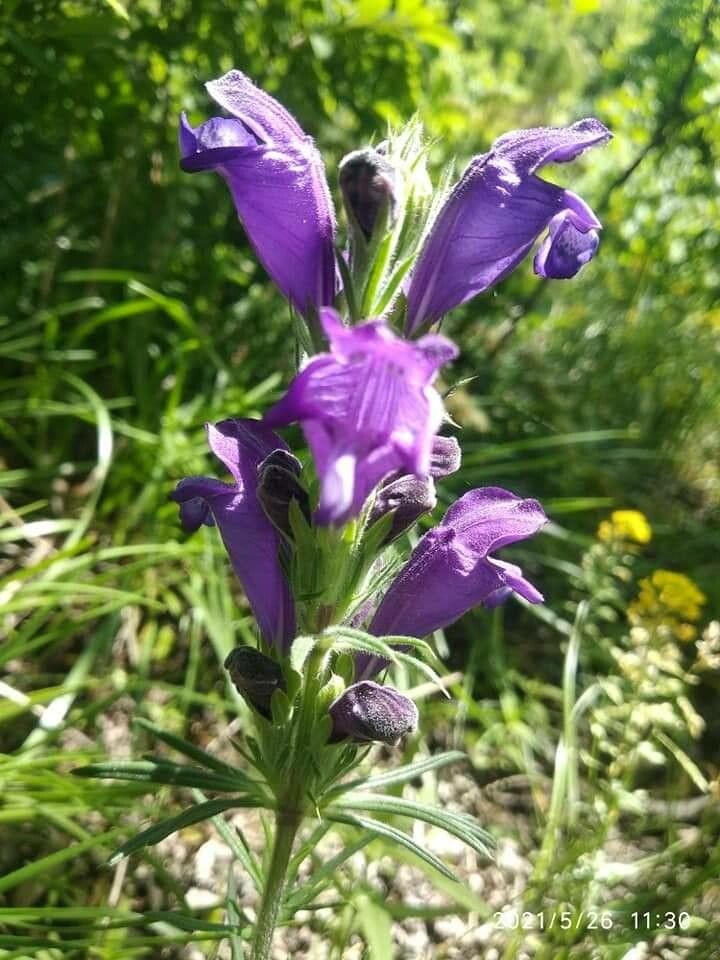
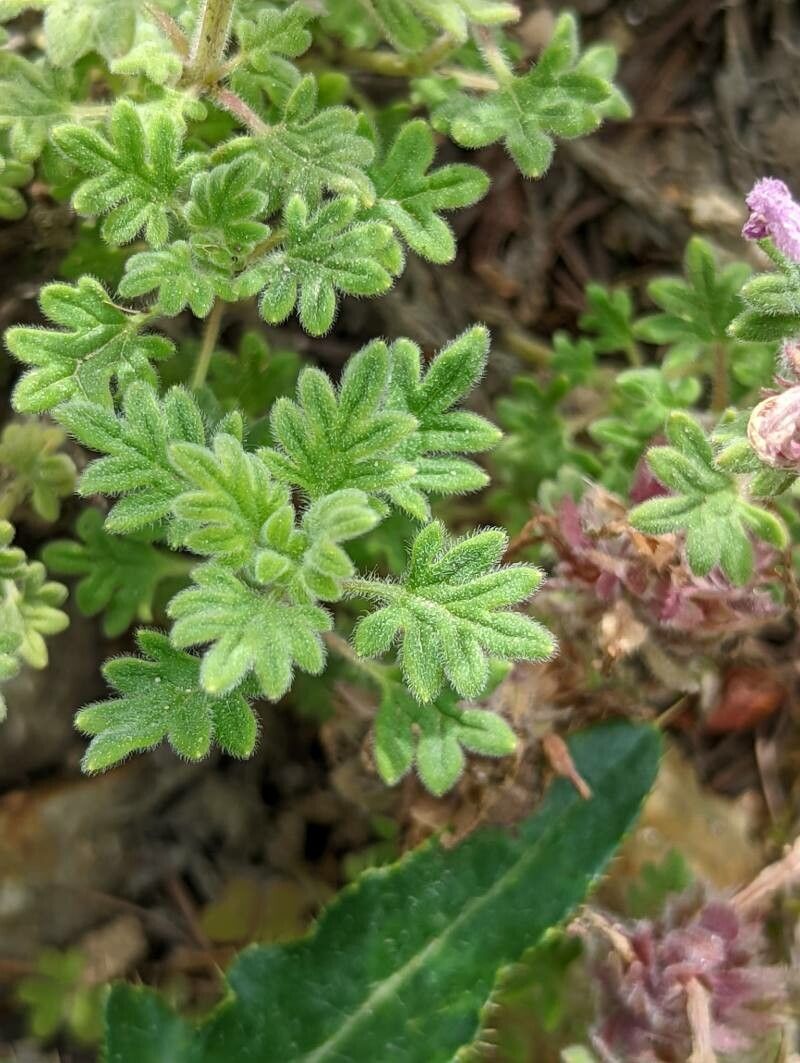
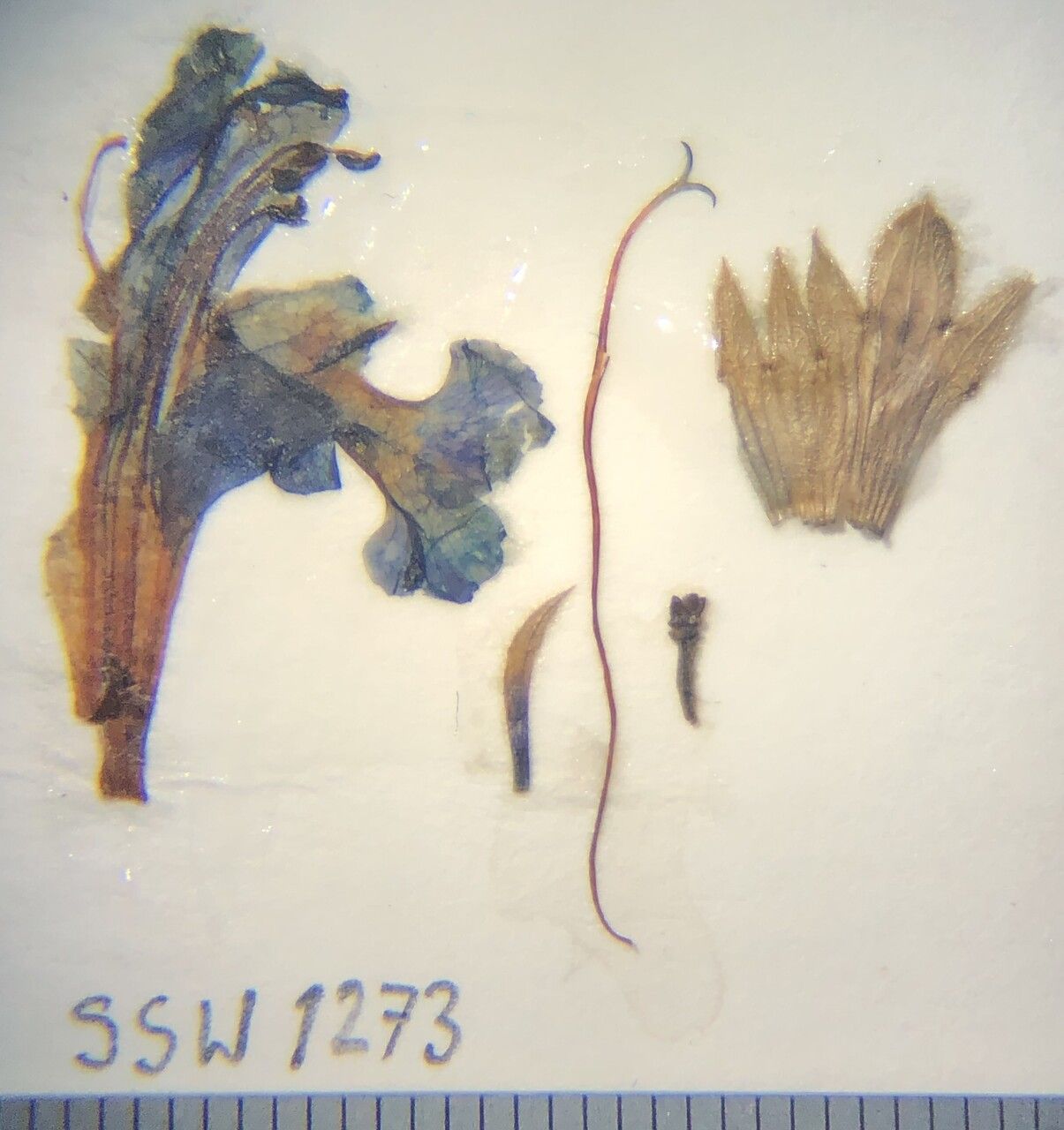
Dracocephalum ruyschiana is a species of Dracocephalum.It is native to Eurasia.
Northern dragonhead is fairly resistant to disease and usually does not suffer from many illnesses. Nevertheless, it can be vulnerable to pests and diseases present in its environment. These outbreaks tend to be mild. Regarding care, this plant needs moderate maintenance. Regular pruning is required to keep a tidy appearance and support healthy growth. Fertilizing can also help stimulate flowering. Northern dragonhead is appropriate for anyone with outdoor space, such as a garden or patio, and does not need extensive gardening experience. It may need more attention when cultivated indoors.
How to keep Dracocephalum Ruyschiana.
Light
Northern dragonhead thrives with a substantial amount of daily light, as found in its naturally open, well-lit habitats. At its various growth stages it requires steady light exposure for optimal development. It can tolerate limited light, but that may impede healthy growth. Excessive sun can produce physiological stress.
Water
The northern dragonhead, which originates from cool, temperate regions, thrives best in environments with moderate moisture. For optimal health, it should be watered weekly, although it can tolerate short dry spells. This plant is typically grown outdoors and enters dormancy during the colder months, during which its water requirements decrease in alignment with seasonal precipitation patterns.
Temperature
Northern dragonhead can adjust to a wide range of temperatures, but its distribution may still be constrained by different combinations of moisture and heat. It performs best in warm summer climates with sufficient rainfall or watering. Extended periods of cloudy, rainy weather, or prolonged high temperatures can raise the likelihood of Northern dragonhead dying. In winter, adequate protection from cold can improve the plant’s survival rate.
Fertilizer
The best time to fertilize a Northern dragonhead is in early spring, as it emerges from dormancy and starts active growth. Fertilizing supplies essential nutrients for robust development. Although Northern dragonhead has fairly low fertilizer requirements, applying fertilizer annually can boost its survival and encourage healthier, longer-lasting blooms.
Pruning
The Northern dragonhead is a plant known for its purple-blue flowers. It benefits from pruning in the spring. To encourage healthy growth, remove any dead stems and pinch back new shoots to make the plant bushier. After the flowers have bloomed, trim off the spent spikes to maintain the plant's shape and encourage future blooms. Be sure to use clean tools when pruning to prevent disease and promote the plant's optimal health.
Botanical profile.
- Plant Type
- Herb
- Life Cycle
- Perennial
- Genus
- Dracocephalum
- Family
- Lamiaceae
- Hardiness Zone
- 5-9
- Mature Height
- 15 cm to 30 cm
- Mature Spread
- 30 cm to 37 cm
- Leaf Color
- Dark Green
- Leaf Type
- Deciduous
- Flower Color
- Purple, Lavender
- Flower Size
- 2.54 cm
- Bloom Time
- Late spring, Early summer, Mid summer
- Planting Time
- Spring, Autumn
- Harvest Time
- Late summer, Early fall
- Native Area
- Turkey, Sweden, Austria, Slovakia, Armenia, Poland, Croatia, Belarus, Ukraine, China, Uzbekistan, Russia, Lithuania, Norway, Germany, Hungary, Kyrgyzstan, Kazakhstan, Italy, Switzerland, Estonia, Mongolia, Romania, Latvia, Turkmenistan, France
Other names.
Reader questions.
How should I water my Northern dragonhead plant?
To properly water the Northern dragonhead, it is best to use filtered water at room temperature. Tap water may contain harmful particles, so filtered water is preferred. It is important to use water that is at room temperature or slightly warmer because the Northern dragonhead is accustomed to a warm environment and cold water can be a shock to its system. Overhead watering should be avoided as it can cause issues with the foliage. Instead, water the plant by applying filtered room temperature water directly to the soil until the soil is completely soaked. This helps moisten the roots and promote their growth throughout the soil, allowing them to absorb necessary nutrients.
Why should I add fertilizer to my Northern dragonhead plant?
Fertilization plays a crucial role in maintaining the leaves of the Northern dragonhead. It not only enhances their appearance but also ensures their functionality. By providing proper fertilization, you can maintain the consistent color and healthy texture of the leaves. Additionally, fertilization helps to strengthen the root system by promoting the growth of new roots and maintaining existing ones. This not only keeps the plant healthy presently but also improves its ability to absorb soil nutrients in the long run.
What are the sun requirements for Northern Dragonhead?
Northern Dragonhead requires full sunlight to flourish, thriving in conditions with more than 6 hours of sunlight daily. It can also adapt to partial sun, requiring about 3-6 hours of sunlight. It's important to observe your garden's sunlight patterns to find the optimal balance of light and shade for your plants, fostering their health and happiness.
What should I do if I give my Northern dragonhead plant too much water or too little water?
Overwatering is a more common problem for Northern dragonheads, and it can cause wilting and yellowing of the stems and leaves. Prolonged overwatering can also lead to diseases like root rot, mold, and mildew, which can kill the plant. Underwatering is less common but can still occur, resulting in brittle and brown leaves. It's important to recognize the signs of overwatering early on, as some diseases may be irreversible if left unaddressed. If you notice these signs, reduce your watering schedule and consider replacing poorly-draining soil with a loose, well-draining potting mix. If your plant shows signs of not getting enough water, increase watering until the signs subside.
When should I fertilize my Northern dragonhead plant?
To ensure optimal growth of your Northern dragonhead, it's important to know when to start fertilizing. As a perennial plant, it will send out new growth in early spring, indicating it's time for fertilization. Usually, a single application of fertilizer in spring is sufficient. However, if you want to maximize the growth, you can feed it multiple times during spring and early summer. If you go this route, feed your Northern dragonhead approximately once every month to a month and a half.
Why is consistent light exposure essential for Northern Dragonhead, and what are the options if natural light is insufficient?
Consistent light exposure is crucial for Northern Dragonhead's growth, reflecting its natural habitat, which is prominently sunlit. Different growth stages of the plant necessitate stable light conditions for optimal development. While limited light can be tolerated, it may lead to suboptimal growth, and excessive sun can cause stress. If natural sunlight is scarce, especially during winter or in less sunny areas, artificial lighting provides a practical solution. Using the right type and amount of artificial light, mimicking natural sunlight's duration, can promote healthier and faster growth. Indoor plants might need artificial lights like LEDs, tailored to offer specific light wavelengths essential for the plants, ensuring they receive enough light despite natural sunlight limitations.
How often should I give water to my Northern dragonhead?
If your Northern dragonhead plant is in a pot, the most precise way to check if it needs water is by inserting your finger into the soil. If the top two to three inches of soil are dry, it's time to water it. If you're growing the plant outside in the ground, you can also use this same method to test the soil. Once the first few inches of soil have dried out, it's time to water it. Generally, during spring and early fall, watering once a week is sufficient. However, in very hot weather, you may need to increase watering to twice per week or more. It's worth noting that mature, well-established Northern dragonhead plants can endure periods of drought exceptionally well.
When is it not a good idea to fertilize my Northern dragonhead?
During the late fall and winter, your Northern dragonhead goes into a dormant phase and stops growing. That means you should not fertilize it during this time. In spring and summer, if you choose to fertilize multiple times, you should start reducing the amount of fertilizer you use as summer approaches. This is because the growth rate of your Northern dragonhead also slows down during this time. In general, it's not a good idea to fertilize your Northern dragonhead when it is very hot or when the soil is extremely dry. Fertilizing during these conditions can stress your plant and cause it to die prematurely.
What are the key symptoms of light deficiency or excessive sunlight in Northern Dragonhead?
Symptoms of light deficiency in Northern Dragonhead include smaller new leaves, leggy or sparse growth, faster leaf drop, no new growth, and paler or light-colored new leaves. Excessive sunlight may cause chlorosis, where leaves lose their green color, sunscald with pale or necrotic patches on leaves, leaf curling as a defense mechanism against sun exposure, wilting due to increased transpiration, and leaf scorching characterized by dry, brown edges. These symptoms indicate the plant's struggle with inappropriate light levels, affecting its health and development.
How much water does my Northern dragonhead plant require?
To properly water your Northern dragonhead plant, make sure you are generous with the amount of water you give. If the top two to three inches of soil are dry, it's a good time to water. Aim to saturate the soil completely, allowing excess water to flow out of the pot's drainage holes. If you don't see any excess water draining, you may not have watered enough. However, be cautious not to let water accumulate in the soil, as this is harmful to the plant. On the other hand, if water doesn't drain through the pot, it may indicate that the soil doesn't drain well, which is not good for the plant's health. If the plant is outdoors, about one inch of rainfall per week should be enough.
What kind of fertilizer does my Northern dragonhead plant require?
Choosing the best fertilizer for a Northern dragonhead is actually quite simple. These plants thrive on a general-purpose garden fertilizer with equal amounts of nitrogen, phosphorus, and potassium. A fertilizer with a ratio of 10-10-10 or something similar works great. Just remember to steer clear of fertilizers with high nitrogen levels if you're unsure. Most of the best fertilizer for a Northern dragonhead is available in a granular form, making application a breeze. These fertilizers are slow-release and can be easily applied to the soil. Additionally, using an organic soil amendment like compost can also be beneficial for feeding your Northern dragonhead.
How should one address light-related issues for Northern Dragonhead, whether grown indoors, outdoors, or in the ground?
To mitigate light-related issues in Northern Dragonhead, gradual adaptation to sunlight is key. For indoor plants, gradually moving them to sunnier spots or using artificial light is advised. Outdoor plants should be moved to optimal sunlight spots while avoiding sudden exposure changes. Ground plants benefit from minimizing obstructions like pruning tree branches or transplanting during dormant periods to sunnier locations. It's essential to understand that parts of the plant that suffered from insufficient light may not recover, but new growth can be healthy with improved light conditions.