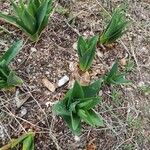
Drimia maritima
Red-squill · Sea-onion · Sea-squill · Squill · Mededicinal squill
Description
Source: leafsnapDrimia maritima, commonly known as sea squill or Urginea maritima, is a perennial bulbous plant in the Asparagaceae family. Native to the Mediterranean region, it thrives in coastal areas of Europe, North Africa, and Western Asia. The plant features a large bulb, reaching up to 20 cm in diameter, and a tall flowering stem that can grow as high as 1.5 meters. The leaves of Drimia maritima are long, narrow, and pointed, emerging from the base of the stem. At the top of the stem, the plant produces a cluster of small flowers, either white or pinkish-white, arranged in an umbel-shaped inflorescence. For centuries, Drimia maritima has been valued for its medicinal properties, particularly its diuretic effects that help eliminate excess fluids from the body. It has also been used as an expectorant to treat respiratory issues such as coughs and asthma. However, caution is advised as all parts of Drimia maritima contain toxic compounds, including cardiac glycosides, which can pose serious health risks if ingested improperly or without medical guidance. Aside from its medicinal uses, Drimia maritima is also cultivated as an ornamental plant, prized for its attractive flowers that bloom in late summer or early autumn.
🌳 Sea squill is known for its role as a bioindicator, particularly for revealing heavy metals in soil. Some researchers use this characteristic to monitor environmental pollution, demonstrating the plant's usefulness beyond ornamental purposes.
Care Guide
💧 Water Every 7 days
Sea squill, native to rocky coastlines, thrives in well-drained soil and can withstand drought. For optimal health, it benefits from weekly watering. This plant is ideal for xeriscaping and rock gardens because its bulbous structure allows it to store moisture efficiently, helping it survive in arid conditions.
How should I water my Sea squill?
To water the Sea squill effectively, it is recommended to use filtered water at room temperature or slightly warmer. Filtered water is preferred over tap water due to the presence of potentially harmful particles in tap water. The Sea squill plant is accustomed to warm conditions, so using cold water can be a shock to its system. It is also advised to avoid watering the plant from above, as this can lead to issues with foliage. Instead, it is best to thoroughly saturate the soil with filtered, room temperature water. This helps to moisturize the roots and support their growth and nutrient absorption.
What do I do if I give my Sea squill too much or too little water?
Overwatering can be harmful to your Sea squill, causing the stems and leaves to wilt and turn yellow. It can also lead to diseases like root rot, mold, and mildew, which can be fatal for your plant. Underwatering is less common, but when it happens, the leaves may become brittle and brown. It is important to recognize the signs of overwatering early to prevent irreversible damage. If you notice these signs, reduce your watering schedule and check the soil drainage. If the soil does not drain well, replace it with a loose, well-draining potting mix. Alternatively, if your Sea squill shows signs of not receiving enough water, simply increase your watering frequency until the signs disappear.
How much should I water my Sea squill?
If your Sea squill is in a pot, a precise way to check if it needs water is by sticking your finger in the soil. If the top two to three inches of soil are dry, it is time to water it. If you grow your Sea squill outside in the ground, you can use a similar method to test the soil. When the top few inches of soil are dry, it is time to water. Typically, during the spring and early fall, you will need to water this plant once a week. However, during very hot weather, you may need to water it two or more times per week. It is important to note that mature, well-established Sea squill plants have a great ability to withstand drought.
How much water does my Sea squill plant need?
When watering your Sea squill, don't hold back on the amount of water you give. Wait until the top two to three inches of soil are dry, then give the plant a deep watering. Make sure to water enough to thoroughly soak the soil, allowing excess water to drain out from the bottom of the pot. If you don't see any excess water draining, you may have not watered enough. On the other hand, be cautious not to let the water accumulate inside the soil, as this can harm the plant. Additionally, if you notice that water is not draining well from the pot, it may be a sign of poorly draining soil, which is not good for the plant's health. If the plant is outdoors, one inch of rain per week should be enough.
How do I water my Sea squill when it is growing at different stages?
The water needs of the Sea squill vary depending on its growth stages. In the first few years or when transplanted to a new location, more water is required because the plant expends a lot of energy on developing new roots. These roots need extra moisture to support future growth. As the Sea squill matures, less water is needed. Another stage that may require additional watering is during the bloom period, as flower development uses up a significant amount of moisture.
☀️ Light Full sun
Sea squill prefers locations that receive plentiful sunlight for most of the day. This preference promotes its healthy development. Inadequate light can limit its growth, while too much exposure may cause damage or wilting. Having originated in sun-drenched habitats, it displays the same preference throughout its various growth stages.
What are the sunlight requirements for Sea squill to thrive?
Sea squill requires full sun, which means it needs to be exposed to more than 6 hours of sunlight daily. It is crucial for the plant's healthy growth to find the perfect balance of light and shade in your garden, enabling it to thrive. Insufficient light can stunt the plant's development, whereas too much light can cause damage or wilting. Being native to sun-soaked regions, Sea squill has a similar need for abundant daylight throughout its various growth stages.
Can artificial lighting be used for Sea squill, and how?
Yes, artificial lighting can be beneficial for Sea squill, especially when natural sunlight is insufficient, such as during winter or in less sunny spaces. Indoor plants require adequate lighting for optimal growth. LED lights are recommended because they can be customized to provide specific wavelengths needed by the plants. The requirements for artificial lighting vary depending on the type of plant: full sun plants need 30-50W/sq ft, partial sun plants need 20-30W/sq ft, and full shade plants require 10-20W/sq ft. The light source should be placed 12-36 inches above the plant to mimic natural sunlight, and plants generally need 8-12 hours of light per day.
What symptoms indicate a Sea squill is not receiving adequate light?
Symptoms of inadequate light for Sea squill include new leaves growing smaller than previous ones, leggy or sparse growth, faster leaf drop, slower or no new growth, lighter-colored new leaves, chlorosis (leaves turning yellow due to the breakdown of chlorophyll), sunscald (damage from intense sunlight exposure), leaf curling (to minimize water loss and damage), wilting (due to increased water loss), and leaf scorching (brown, dry, and crispy edges on leaves caused by excessive sunlight). These symptoms help in identifying when the plant is not receiving the optimal amount of sunlight for its growth.
How can I improve the sunlight exposure for my Sea squill?
To improve sunlight exposure for Sea squill, you can gradually move your plants to a sunnier location each week if they are indoor, ensuring they receive at least 6 hours of direct sunlight daily. Utilizing a south-facing window and keeping curtains open during the day can maximize sunlight exposure. For large or non-movable plants, consider using artificial lighting, keeping a lamp on for at least 8 hours daily or investing in professional plant grow lights. For outdoor plants, it's crucial to transition them to better-lit spots gradually to prevent sunburn. If the issue is due to obstructions like trees, pruning may allow for better sunlight penetration. For smaller plants, consider transplanting during their dormant period to a location with ample sunlight and good drainage. Remember, although parts severely affected by poor lighting may not recover, new growth will emerge healthy with increased light exposure.
🌡️ Temperature 15–37.8°C
Sea squill is native to a climate where temperatures range from 59 to 100°F (15 to 38°C). It does best in those conditions, although slight seasonal adjustments may be needed due to its temperate nature.
What is the native climate for Sea squill?
Sea squill, or Drimia maritima, is native to climates where temperatures range between 59 to 100°F (15 to 38°C). It thrives best in these conditions, but it can also adapt to minor seasonal changes to suit its temperate nature. This resilience makes it suitable for various environments, provided that the temperature requirements are met and adjusted for seasonally.
What measures should be taken to protect Sea squill in cold temperatures?
When temperatures are expected to drop below -5°C, it's necessary to protect Sea squill from the cold. Although the plant has some cold tolerance, enduring temperatures below this threshold requires temporary protective measures. Wrapping the plant with materials such as plastic film, fabric, or other similar materials can provide the needed protection. Once temperatures rise again, these protective coverings should be promptly removed to avoid any damage to the plant.
How does low temperature affect Sea squill, and what are the solutions?
Sea squill has a moderate tolerance to low temperatures, thriving best when the temperature remains above 15°C. In winter, it's crucial to keep it above -5°C to prevent damage. When temperatures fall below -10°C, the leaves may droop, and while they can recover in mild cases, severe cold may cause the leaves to wilt and fall off. To protect the plant, trim off frost-damaged parts and, before exposure to low temperatures again, wrap it with non-woven fabric or cloth and set up a wind barrier to shield it from cold winds.
What are the effects of high temperature on Sea squill and how can it be protected?
During the summer, Sea squill should be kept below 38°C to prevent heat stress. Temperatures above 43°C can cause the leaves to lighten in color, tips to dry and wither, leaves to curl, and the plant to become more susceptible to sunburn. To mitigate these effects, trim away sunburned and dried-up parts. It's also advisable to move the plant to a shaded location or use shade cloth to protect it from the midday and afternoon sun. Keeping the soil moist by watering in the morning and evening is beneficial in reducing stress from high temperatures.
💨 Humidity normal (40-60%)
This plant will thrive in moderate humidity, which is probably the level in your home. However, misting it a few times a week can be very beneficial. Make sure the room has good ventilation.
🪴 Soil 6-7
🌱 Fertilizer
For Sea squill, the primary time to apply fertilizer is in early spring, when flowers are forming. The proper fertilizer promotes better blooms and helps Sea squill produce attractive flowers. Fertilizing in early spring ensures excellent flowers during the season and supplies energy for dormant growth phases.
Why should I put fertilizer on my Sea squill?
Fertilization plays a crucial role for Sea squill and other plants as it supplies vital nutrients for their growth above and below the ground. While Sea squill has relatively low fertilization requirements and can survive without it, annual fertilization can greatly benefit the plant. It not only helps sustain the plant's life but also promotes the production of longer-lasting, more beautiful flowers. Therefore, anyone interested in having their Sea squill thrive should make sure to fertilize it annually.
When should I fertilize my Sea squill plant?
The best time to fertilize a Sea squill is in late winter to early spring when it is transitioning from dormancy to active growth. Fertilizing during this period promotes healthy growth and sets the plant up for a successful season. Although it is generally recommended to fertilize in early spring, it is also acceptable to fertilize in the fall. However, it is not recommended to feed a Sea squill during summer and winter.
When is the best time to not fertilize my Sea squill?
To properly care for your Sea squill, it is important to understand its specific fertilization needs. During the late winter and early spring, it is appropriate to fertilize this plant as it requires minimal fertilization. One annual feeding during this time is sufficient. However, it is crucial to avoid fertilizing throughout the spring, summer, and fall as it may lead to overfertilization and its associated complications. The only exception is if you missed fertilizing in the spring, in which case it is acceptable to feed the plant in the fall. Furthermore, it is not necessary to fertilize the Sea squill during the winter. This is because the plant enters a dormant growth phase during this time and does not produce new growth. Therefore, it is not advisable to fertilize it during most of the winter.
What kind of plant food does my Sea squill need?
For Sea squill plants, using a general-purpose fertilizer with balanced nutrients is suitable. However, there are specific nutrient blends that can be even more beneficial. Some gardeners believe that higher levels of phosphorus promote stronger roots and better flowers, making it a good choice for Sea squill, as it is a flowering plant. Whether in granular or liquid form, using a fertilizer with ample nutrients is key. In addition to manufactured fertilizers, organic methods like compost and manure can greatly improve the soil for Sea squill, providing a healthy growing medium.
How can I make my Sea squill grow better?
To fertilize a Sea squill, the most common method is to apply a granular or pellet fertilizer to the soil around the plant. It is important to fertilize when the plant is transitioning from its dormant growth phase to active growth, typically in early spring when shoots begin to emerge. If you prefer using liquid fertilizer, dilute it with water before applying. Whether you choose granular or liquid fertilizer, it is advised to moisten the soil before, during, and after fertilization.
🪴 Pot & Repot 2-3 years
When repotting Sea squill, select a pot 1–2 inches (2.5–5.1 cm) larger with good drainage. Use a well-draining potting mix. Repot in spring or fall, placing the root ball slightly below the rim of the flower pot. Water thoroughly after repotting and keep it in a warm spot with indirect sunlight.
✂️ Pruning
Sea squill features long, strap-like leaves and striking flower stalks. To encourage new growth, prune it from early to late spring by removing any dead foliage. Making clean cuts helps maintain the plant's health, prevent disease, and improve its appearance. Handle the plant with care due to its large bulbs and potential toxicity.
🌿 Propagating
🐛 Diseases & pets
☠️ Toxicity
Characteristics
- Plant Type
- Herb
- Life Cycle
- Perennial
- Genus
- Drimia
- Family
- Asparagaceae
- Hardiness Zone
- 8-11
- Mature Height
- 30 cm to 61 cm
- Mature Spread
- 30 cm to 61 cm
- Leaf Color
- Green
- Leaf Type
- Semi-evergreen, Deciduous
- Flower Color
- White
- Flower Size
- 1.52 cm
- Bloom Time
- Mid summer
- Planting Time
- Winter, Spring, Autumn
- Harvest Time
- Early spring, Mid spring, Late summer, Fall, Winter
- Native Area
- Libya, Tunisia, Portugal, Italy, Spain, Montenegro, Algeria, Croatia, Morocco, France