Drosanthemum floribundum
Rosea iceplant · Pale dewplant · Dew flower · Showy dewflower · Pale Dew-Plant
Description
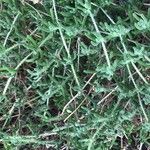
Source: leafsnapDrosanthemum floribundum, commonly known as the trailing ice plant, is a succulent species native to South Africa. This low-growing perennial forms dense mats of fleshy leaves and produces vibrant pink or purple flowers during the summer months. The cylindrical leaves vary in color from green to blue-green or gray-green, depending on the amount of sunlight they receive. The daisy-like flowers feature numerous petals and a yellow center. Drought-tolerant, this plant thrives in well-draining soil with full sun exposure. It is often used as ground cover or in rock gardens for its attractive foliage and colorful blooms.
Care Guide
💧 Water Every 7 days
The Rodondo creeper flourishes in semi-arid conditions and demonstrates exceptional drought tolerance by retaining moisture. To maintain its vitality, it needs to be watered weekly. This evergreen plant keeps its foliage throughout the year, facilitating consistent water usage and steady transpiration. As a result, it is well-suited for environments with stable humidity, both indoors and outdoors.
How do I water my Rodondo creeper?
To properly water the Rodondo creeper, it is recommended to use filtered water that is at room temperature or slightly warmer. Filtered water is preferred to tap water as it may contain harmful particles. This plant originates from a warm environment, so using cold water may shock it. It is also best to avoid watering it from above, as this can lead to problems with the foliage. Instead, carefully pour the filtered room temperature water onto the soil until it is completely soaked. This will help to moisten the roots and facilitate their spread through the soil to gather necessary nutrients.
What should I do if I give my Rodondo creeper too much water or too little water?
The health of your Rodondo creeper can be negatively affected by both overwatering and underwatering, but overwatering is a more common issue. Too much water can cause wilting and yellowing of the stems and leaves, and over time, it can lead to root rot, mold, and mildew, which can be fatal to the plant. Underwatering is less likely to occur, as the Rodondo creeper can tolerate drought fairly well. But when it does happen, the leaves may become brittle and brown. It is important to recognize the signs of overwatering early when caring for your Rodondo creeper, as some of the resulting diseases, like root rot, may not be reversible if action is delayed. If you notice early signs of overwatering, reduce your watering schedule immediately and check the soil drainage. If the soil drains poorly, replace it with a loose, well-draining potting mix. Conversely, if your Rodondo creeper seems to be receiving too little water, simply water it more regularly until the signs improve.
How frequently should I water my Rodondo creeper plant?
If your Rodondo creeper is in a pot, the most precise way to determine when it needs water is to stick your finger into the soil. If the top two to three inches of soil are dry, it's time to water. If your Rodondo creeper is planted in the ground outdoors, you can use the same method to check the soil. When the top few inches of soil have dried out, it's time to water. Typically, during the spring and early fall, this plant will need to be watered about once a week using this method. However, during extremely hot weather, you may need to water it twice or more per week. It's worth noting that mature, well-established Rodondo creepers have a remarkable ability to tolerate drought.
How much water does my Rodondo creeper require?
When watering your Rodondo creeper, don't be shy about the amount of water you give. Make sure the first two to three inches of soil are dry before watering. Give the plant a thorough watering, making sure the soil is completely soaked. You should add enough water for excess water to flow out of the drainage holes at the bottom of the pot. If you don't see excess water draining, you have likely not given enough water. On the other hand, avoid letting water accumulate in the soil, as this can harm the plant. If there is no water draining through the pot, it could be a sign of poorly draining soil, which is bad for the plant's health. If the plant is outside, receiving 1 inch of rain per week will be enough.
How do I water my Rodondo creeper as it grows at different stages?
The water requirements of the Rodondo creeper vary depending on its growth stages. When the plant is young or has been recently transplanted, it needs more water than usual because it is focusing on developing new roots for future growth. During this period, the roots need extra moisture to thrive. After a few seasons, the Rodondo creeper requires less water. Another stage where it may need increased watering is during the bloom period, as the flowers require significant moisture for development.
☀️ Light Full sun
Found in habitats with unobstructed sunlight, the rodondo creeper has a strong preference for plentiful light. The plant prospers in areas bathed in sunlight and has difficulty when that exposure is reduced, which can impede its growth. While too much sun is not a problem, too little light can prevent it from thriving.
What are the sunlight requirements for Rodondo Creeper?
Rodondo creeper thrives under full sun, requiring above 6 hours of sunlight daily to maintain its health and vitality. It is crucial to observe the movement of sunlight in your garden to find the optimal balance of light and shade, which ensures the plant's happiness and growth. In habitats where sun rays are unobstructed, the Rodondo creeper shows a strong preference for environments flooded with sunlight, displaying potential growth impairment when exposed to insufficient light. Excess sunlight does not pose a concern for this plant, but inadequate exposure can lead to diminished growth and vitality.
How can artificial lighting be used for Rodondo Creeper indoors?
When natural sunlight is insufficient, especially during winter or in areas that receive less sunlight, artificial lighting serves as an essential remedy for Rodondo creeper's growth. Indoor plants should be provided with adequate lighting, such as LEDs known for delivering specific wavelengths needed for optimal growth. Usually, full sun plants like the Rodondo creeper require 30-50W/sq ft of artificial light. The light sources should be placed 12-36 inches above the plant to simulate natural sunlight, ensuring that the plant receives 8-12 hours of light per day to promote healthy growth.
What are the signs of inadequate lighting in Rodondo creeper?
Symptoms of light deficiency in Rodondo creeper include smaller new leaves, leggy or sparse growth, early leaf drop, and halted or non-existent new growth. Insufficient sunlight can lead to leaves developing an irregular color pattern or appearing lighter, indicative of a lack of chlorophyll and essential nutrients. Furthermore, excessive sunlight exposure can cause chlorosis, sunscald, leaf curling, wilting, and leaf scorching. These signs suggest the plant is not receiving the optimal amount of sunlight it requires to thrive.
What solutions can address Rodondo creeper's sunlight issues?
For indoor Rodondo creepers facing low light, gradually moving them to a sunny spot where they get at least 6 hours of direct sunlight daily is beneficial. Using south-facing windows and keeping curtains open during the day maximizes sunlight exposure. If moving the plant isn't feasible, consider supplementing light with artificial sources, such as grow lights, for at least 8 hours a day. Outdoors, gradually relocating plants to brighter areas helps avoid sunburn while planting. Reducing sunlight obstructions, such as pruning nearby trees and relocating smaller plants during their dormant period to sun-rich spots, can significantly improve sunlight reception and the overall health of Rodondo creepers.
🌡️ Temperature 20–37.8°C
The Rodondo creeper is native to temperate regions and is naturally acclimated to temperatures ranging from 68 to 100.4 °F (20 to 38 ℃). It prefers the warmer side of that range, and moderate temperature fluctuations should be closely monitored for optimal growth.
What are the temperature preferences and essential care for Rodondo creeper?
Rodondo creeper, also known by its botanical name Drosanthemum floribundum, thrives in temperate areas and prefers temperatures between 68 to 100.4°F (20 to 38°C), particularly leaning towards warmer climates within this range. It is important to monitor temperature fluctuations closely for optimal growth, as this plant loves heat and can be damaged by cold temperatures. During autumn, it's advisable to move outdoor plants indoors to a location with bright, indirect light while avoiding placing them too close to heaters. To support its growth, maintaining a temperature above 20°C during winter is beneficial, while exposure to temperatures near or below 5°C can be harmful to the plant.
How should I care for my Rodondo creeper in low temperatures?
Rodondo creeper is sensitive to low temperatures and thrives when the temperature is maintained above 20°C. It's crucial to keep the plant above 5°C during winter months, as temperatures below 1°C can cause the leaves to lighten in color, and frost can lead to browning or blackening of the foliage, along with wilting and drooping. If frost damage occurs, trim off the affected parts and move the plant to a warmer indoor environment immediately for protection from the cold. Place the plant near a south-facing window to ensure it receives ample sunlight, but be mindful to keep it away from direct heat sources like heaters or air conditioning vents to prevent air dryness.
What steps should I take if my Rodondo creeper experiences high temperatures?
During the summer, it's important to ensure that the temperature around your Rodondo creeper does not exceed 38°C. When temperatures rise above 43°C, the plant's leaves may lighten in color and become more prone to sunburn. To mitigate this, you should trim away the sunburned and dried parts of the plant. Moving the plant to a location that is shaded from the intense midday and afternoon sun can also help prevent further damage. Additionally, watering the plant in the morning and evening will help maintain soil moisture and support the plant's health in high temperatures.
💨 Humidity
🪴 Soil 6-7
🌱 Fertilizer
The Rodondo creeper only needs light fertilizer applications once or twice a year during the growing season. Do not fertilize in winter or summer when it is dormant. Use less fertilizer for plants that have been repotted, and wait a couple of months after repotting before applying fertilizer. Fertilizing helps maintain healthy growth and encourages blooming.
Why is it necessary to fertilize my Rodondo creeper?
Fertilizer and soil nutrients are like fuel for your Rodondo creeper, allowing it to grow healthily. Plants in general use soil nutrients to develop new plant material and maintain their existing components. For the Rodondo creeper, fertilization is especially important to showcase its beautiful flowers. Since the flowers are the main attraction of this plant, most gardeners want to ensure they look their best. Fertilization is a reliable way to help your Rodondo creeper produce its most stunning blooms.
When should I fertilize my Rodondo creeper for the best results?
The Rodondo creeper undergoes two main phases each year. The first phase is the dormant phase, occurring in winter, when minimal new growth occurs. The second phase is the active growth phase, taking place in spring and fall, which is when fertilization is most needed. It is recommended to start fertilizing your Rodondo creeper in the spring months, repeating the feeding once a month throughout the rest of spring and most of summer. As fall approaches, you can gradually decrease the frequency of fertilization.
When should I not put fertilizer on my Rodondo creeper?
To support the growth of your Rodondo creeper without causing root burn, it's important to provide extra nutrients during its active growth period in spring and summer. However, it's best to stop fertilizing during the plant's dormancy stage in fall and winter.
What kind of fertilizer does my Rodondo creeper require?
For the best results with your Rodondo creeper, it is recommended to use a fertilizer that contains a balanced mix of the three main plant nutrients, with a slightly higher phosphorus content. Alternatively, you can enhance the soil by adding organic materials like compost, worm castings, and manure. Various forms of fertilizers are available and will generally work well for your Rodondo creeper. However, liquid or powdered fertilizers are considered the most effective options. Whichever type you choose, make sure to dilute it and apply while watering your Rodondo creeper.
How do I give nutrients to my Rodondo creeper to help it grow?
To apply fertilizer to your Rodondo creeper, first find a suitable fertilizer and learn the ideal fertilization schedule. Once you have done this, you can move on to applying the fertilizer. The most reliable method is to mix liquid fertilizer with water before applying it to the soil. Each fertilizer may have specific directions, so it's best to follow the manufacturer's guidance. These instructions should also include information on dilution to avoid overfertilization. Mixing the fertilizer with water is a simple process, and once done, just pour the mixture into the soil where your Rodondo creeper is planted.
🪴 Pot & Repot 2-3 years
Repot your rodondo creeper every 2 to 3 years in the spring using a shallow, wide container. After repotting, place it in a location with bright, indirect light and water it sparingly to prevent root rot. This plant thrives with good drainage and gentle care during its recovery period, and it will reward you with its succulent leaves and vibrant blooms.
✂️ Pruning
The Rodondo creeper is a fast-growing succulent known for its vibrant blooms. To promote a healthy shape and encourage new growth, prune the plant from late winter to early spring, removing about one-third of its branches. Regular pruning stimulates abundant flowering, but be careful not to over-prune. For more detailed techniques, consult reliable sources.
🌿 Propagating
🐛 Diseases & pets
☠️ Toxicity
Characteristics
- Plant Type
- Herb, Shrub
- Life Cycle
- Perennial
- Genus
- Drosanthemum
- Family
- Aizoaceae
- Hardiness Zone
- 10-11
- Mature Height
- 15 cm
- Mature Spread
- 0.91 m to 1.83 m
- Leaf Color
- Green
- Leaf Type
- Evergreen
- Flower Color
- Pink, White, Yellow, Purple, Red, Orange
- Flower Size
- 2.54 cm
- Bloom Time
- Mid spring, Late spring, Early summer, Mid summer
- Planting Time
- Spring
- Harvest Time
- Summer, Early fall
- Native Area
- South Africa