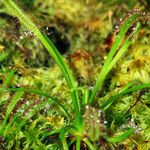
Drosera capensis
Cape Sundew · Sundew
Description
Source: leafsnapDrosera capensis, commonly known as the Cape sundew, is a carnivorous plant native to South Africa. Belonging to the family Droseraceae, it is renowned for its unique ability to capture and digest insects. The plant features long, slender leaves covered in sticky hairs that secrete digestive enzymes. When an insect lands on a leaf, it becomes ensnared by these sticky hairs and is slowly digested. Growing up to 50 cm tall, the Cape sundew produces small white or pink flowers on long stems during the summer months. It thrives in moist soil conditions with good drainage and can be cultivated both indoors and outdoors. For centuries, indigenous people of South Africa have utilized the Cape sundew for its anti-inflammatory properties. Nowadays, it has also gained popularity among horticulturists as an ornamental plant due to its distinctive appearance. Overall, Drosera capensis is a fascinating carnivorous plant that continues to captivate scientists and enthusiasts alike with its remarkable adaptations for survival in nutrient-poor environments.
Care Guide
💧 Water Every 2 days
The Cape sundew, native to South Africa's marshes, thrives in moist and humid environments. It prefers damp soil and should be watered twice a week for optimal growth. As an evergreen plant, it displays sticky leaves throughout the year. It benefits from being grown indoors, where humidity levels can be more easily regulated.
How should you water your Cape sundew plant?
To keep your Cape sundew properly hydrated, follow these steps: 1. Choose a pot with good drainage holes and place it in a plastic dish or tray. Fill the dish with water, roughly a third to half an inch high. This will allow the plant to draw water naturally from the pot as the soil dries. 2. Keep an eye on the water level in the dish and make sure it doesn't completely dry out. Adjust the amount of water you add based on how quickly the plant absorbs it. 3. Avoid using terra cotta pots for growing the Cape sundew, unless you place the pot inside a larger, second pot. Terra cotta pots allow water to seep through and remove dissolved solids. Only put water in the outer pot. 4. The mineral content of the water you use is crucial for proper watering. If possible, collect rainwater, as it is the safest option. Alternatively, you can use distilled water or water from a reverse osmosis system. Purified water is acceptable but may contain some minerals within the range that the Cape sundew can tolerate. 5. If using tap water, make sure it has less than 50 parts per million of total dissolved solids. You can use a meter to measure this, which is inexpensive. Be sure to fill your watering device 24 hours in advance to allow chlorine to dissipate from the water.
What do I do if I give Cape sundew too much or too little water?
Cape sundews that are overwatered display symptoms such as brown spots on the undersides of leaves, the development of white mold in the soil, and an overall wilted appearance. The wilted look is a result of the plant's inability to draw water into the stem, potentially causing root rot. If you notice root rot with a foul odor, it is recommended to remove the plant from its soil, rinse it with distilled water, cut away any rotted roots and affected leaves, rinse it again with distilled water, and replant it in fresh soil. On the other hand, underwatered Cape sundews will have brittle leaves. To address this, cut away the affected leaves, ensure the soil is damp, and mist the leaves. To help the underwatered plant recover, it is important to resume regular watering as soon as possible. However, keep in mind that due to root damage, yellow leaves may dry out in the short term.
How often should I give water to my Cape sundew?
The tray method is the most common way to water insectivorous plants like the Cape sundew. Here's how to do it: 1. Pot the Cape sundew in a container with several drainage holes, and place it in a dish or tray filled about one-third with water. 2. As the soil dries, the plant will naturally draw water up from the tray. 3. Keep an eye on the water level, and add more promptly after it drops. 4. Don't let the dish dry out completely, as this will help you determine how often to water the plants. Because the Cape sundew is native to a humid environment, finding the right balance is important. 1. During the active seasons (spring to autumn), avoid letting the soil dry out completely. 2. Water your Cape sundew 2-3 times per week in spring and fall, and more frequently in summer to maintain moist soil. 3. However, in the dormant period (winter and early spring), the watering should be reduced. 4. Allow some of the soil to dry out and let the water level in the tray dry out for a few days before adding more. If you live in a naturally dry area, misting the Cape sundew in addition to regular watering may be necessary to replicate its humid growing conditions. 1. It's best to mist in the morning. 2. Proper spraying is especially important in dry environments.
How much water does my Cape sundew plant need?
Cape sundew, a prized carnivorous houseplant, requires high humidity levels to thrive. If you want to successfully keep one alive, you'll need to replicate its natural growing conditions. These plants thrive in areas that are high in humidity and low in nutrients. If you live in a place with naturally high humidity, you can grow them outdoors in a bog garden, which is a unique way to present plants that need lots of humidity. However, most people choose to grow them as houseplants. To keep them well-hydrated, use a pot that retains moisture, such as plastic or a self-watering pot. The tray method is the most effective way to replenish water for this insectivorous plant. Make sure the water level in the tray covers the small hole at the bottom, and add water before the trays dry out. The amount of water you add should be enough to keep the pots from drying out, allowing the Cape sundew to continue growing well.
Do I need to water Cape sundew in a different way when I plant it inside instead of outside?
When growing Cape sundew indoors, they need less water when exposed to less sunlight. The amount of water they need increases with more light. To keep them healthy, it is important to provide adequate light and water. In addition, maintaining a humid environment is necessary for indoor plants. A terrarium or an aquarium as a plant display can help in ensuring the right humidity by preventing the escape of humid air. However, it is important to maintain good air circulation.
☀️ Light Full sun
The cape sundew does best under light spectra similar to full sunlight, reflecting its native habitat. Its health and development benefit from abundant sun. However, extended periods of too little or too much light can harm its well-being, possibly causing stunted growth or wilting.
What are the sun requirements for Cape Sundew?
Cape Sundew requires full sun, which means it thrives on receiving more than 6 hours of sunlight daily. Observing the movement of sunlight through your garden helps in selecting spots that offer a perfect balance of light and shade, ensuring the plants receive the ideal conditions for their growth and happiness.
What essentials should be considered for growing Cape Sundew successfully?
The cape sundew thrives in conditions similar to full solar exposure, which mirrors its original habitat, benefiting its health and growth. Maximum sun exposure is crucial, as inadequate or excessive sunlight could harm its wellness, leading to potential stunted growth or wilting. For indoor plants, adequate lighting is essential for optimal growth. When natural sunlight is insufficient, especially during winter or in less sunny areas, artificial lights are beneficial. It's important to choose the right type of artificial light, determine the appropriate distance from the plant (12-36 inches), and mimic natural daylight hours, generally 8-12 hours per day.
What are the symptoms of insufficient light in Cape Sundew?
Cape Sundew can exhibit several symptoms indicative of insufficient lighting, including smaller new leaves, leggy or sparse growth, faster leaf drop, halted growth, paler new leaves, chlorosis, sunscald, leaf curling, wilting, and leaf scorching. These symptoms reflect the plant's struggle in low light conditions, affecting its growth and overall health negatively.
How can I address sunlight-related issues in Cape Sundew?
For sunlight-related issues in Cape Sundew, gradual adaptation to brighter conditions is essential. Indoors, gradually move plants to sunnier locations or use artificial light, such as desk lamps or plant grow lights, for at least 8 hours daily. Outdoors, move plants to brighter spots gradually to prevent sunburn. Minimize obstructions that block sunlight by pruning or relocating plants to sunnier areas. In cases of insufficient sunlight, affected parts may not recover, but new growth will be healthier with improved light exposure.
🌡️ Temperature 20–35°C
The Cape sundew is native to regions with climates where temperatures typically range from 68 to 95 °F (20 to 35 ℃). It favors a warm environment. In colder seasons it may require protection indoors or placement in a heated greenhouse.
What is the ideal temperature range for Cape sundew?
Cape sundew (Drosera capensis) thrives in climate regions where temperatures typically range from 68 to 95 °F (20 to 35 °C). It prefers warm environments and requires temperatures above 20°C (68°F) during the winter for optimal growth. To prevent damage from freezing, the temperature should always be kept above the freezing point. When the outdoor temperature approaches -5°C (23°F) during winter, it is advisable to move the Cape sundew indoors or provide protection with a temporary greenhouse or wrapping materials.
What should I do if the Cape sundew is exposed to low temperatures?
Cape sundew has a moderate tolerance to low temperatures but thrives best between 20°C and 35°C (68°F and 95°F). If exposed to temperatures below 0°C (32°F), and especially if it falls below -5°C (23°F), you might notice the leaves darkening. Severe cold can lead to water-soaked necrosis, wilting, drooping, and eventually, the leaves turning brown. To remedy this, trim away frost-damaged parts and immediately move the plant to a warmer indoor environment or set up a makeshift greenhouse. Ensuring the plant receives ample sunlight, preferably from a south-facing window, and considering supplemental lighting if natural light is insufficient, are key steps.
How does high temperature affect Cape sundew and what are the solutions?
During summer, it's crucial to keep the Cape sundew's temperature below 35°C (95°F). Exposure to temperatures above 38°C (100°F) can slow the plant's growth, lighten the color of its leaves, and make it more prone to sunburn. If your Cape sundew suffers from high temperature stress, trim away any sunburned or dried parts of the plant. Relocate it to an area with afternoon shade to protect it from intense sunlight. Additionally, watering the plant in the morning and evening will help keep the soil moist and support the plant's health during high temperatures.
💨 Humidity normal (40-60%)
This plant will thrive in moderate humidity, which is probably the level in your home. However, misting it a few times a week can be very beneficial. Make sure the room has good ventilation.
🪴 Soil 4-6
🌱 Fertilizer
🪴 Pot & Repot 2-3 years
When repotting a Cape sundew, select a pot 1-2 inches (2.5–5.1 cm) larger with ample drainage. Use a well-draining potting mix. Repot in spring or fall, making sure the root ball sits slightly below the rim of the flower pot. Water thoroughly after repotting and place the plant in a warm spot with indirect sunlight.
✂️ Pruning
The Cape sundew features sticky, mucilaginous leaves and benefits from pruning in early spring or late winter. To encourage new growth, trim away dead leaves and stalks, while ensuring the delicate leaf traps remain unharmed. Consistent care not only improves the plant's efficiency but also enhances its appearance, making it a vibrant addition to your garden.
🌿 Propagating
🐛 Diseases & pets
☠️ Toxicity
Drosera is not toxic, and it's considered safe to human and pets, in fact some people use Drosera as homeopathic medicine
Characteristics
- Plant Type
- Herb, Shrub
- Life Cycle
- Perennial
- Genus
- Drosera
- Family
- Droseraceae
- Hardiness Zone
- 9
- Mature Height
- 10 cm to 49 cm
- Mature Spread
- 10 cm to 49 cm
- Leaf Color
- Green
- Leaf Type
- Evergreen, Deciduous
- Flower Color
- Pink, White
- Flower Size
- 2.03 cm
- Bloom Time
- Late spring, Summer, Early fall, Mid fall
- Planting Time
- Spring, Summer
- Harvest Time
- Mid summer, Late summer, Fall
- Native Area
- South Africa