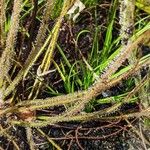
Drosera filiformis
Threadleaf sundew · Dewthread · Thread-Leaf Sundew · Dew-threads · Thread-leaved Sundew
Description
Source: leafsnapDrosera filiformis, commonly known as the thread-leaved sundew, is a carnivorous plant native to the southeastern United States. This perennial herb can grow up to 30 cm tall and features long, thin leaves covered in sticky hairs. These hairs are used by the plant to trap and digest insects for nutrients. The thread-leaved sundew thrives in wet habitats such as bogs and wet savannas. It blooms in the summer, producing small white or pink flowers on long stalks. Historically, Native American tribes have used this species of sundew for medicinal purposes, particularly to treat respiratory ailments like coughs and colds. However, it is important to note that ingesting any part of this plant can be toxic. Drosera filiformis is considered a threatened species due to habitat loss from development and agriculture. Conservation efforts are underway to protect this unique carnivorous plant from further decline in its natural habitat.
Care Guide
💧 Water Every 3 days
Drosera does well in a moist and not soggy climate. It's crucial that the plant soil should never dry, it's important to never let the soil dry out since it might greatly affect the pitcher's
☀️ Light Full sun
Threadleaf sundew is native to habitats that receive abundant sunlight, such as open bogs and sunny wetlands. It prefers full sun, though it can also tolerate partial sun.
What are the sunlight requirements for Threadleaf Sundew?
Threadleaf Sundew (Drosera filiformis) requires less than 3 hours of sunlight, thriving best in full shade. It's important to observe the movement of sunlight through your garden carefully to select locations that offer an ideal balance of light and shade, ensuring the plant's well-being.
🌡️ Temperature 15–32.2°C
Threadleaf sundew prefers moderate temperatures, similar to what most people consider comfortable. It does best in conditions that are neither excessively warm nor too cold. The main problem with high heat is the danger of sunburn, so providing some shade in summer is recommended to avoid excessive warmth. When temperatures decline, the Threadleaf sundew becomes dormant. If you want it to keep growing year-round, you need to keep temperatures higher through the winter. Frost can harm the plant and should be avoided.
💨 Humidity normal (40-60%)
This plant will thrive in moderate humidity, which is probably the level in your home. However, misting it a few times a week can be very beneficial. Make sure the room has good ventilation.
🪴 Soil 5-6
🌱 Fertilizer
🪴 Pot & Repot 2-3 years
When repotting a Threadleaf sundew, select a pot 1–2 inches (2.5–5.1 cm) larger with ample drainage. Use a well-draining potting mix. Repot in spring or fall, ensuring the root ball sits slightly lower than the rim of the flower pot. Water thoroughly after repotting and place it in a warm spot with indirect sunlight.
✂️ Pruning
Prune the threadleaf sundew from early to late spring to encourage growth and remove dead leaves to prevent disease. Regularly check for withered foliage during the growing season. Pruning not only enhances air circulation and light exposure, both essential for the plant's healthy growth, but also improves its trapping efficiency.
🌿 Propagating
🐛 Diseases & pets
☠️ Toxicity
Drosera is not toxic, and it's considered safe to human and pets, in fact some people use Drosera as homeopathic medicine
Characteristics
- Plant Type
- Herb
- Life Cycle
- Perennial
- Genus
- Drosera
- Family
- Droseraceae
- Hardiness Zone
- 7-8
- Mature Height
- 8 cm to 30 cm
- Mature Spread
- 10 cm to 20 cm
- Leaf Color
- Yellow, Green
- Leaf Type
- Deciduous
- Flower Color
- Pink
- Flower Size
- 1.02 cm to 2.03 cm
- Bloom Time
- Summer
- Planting Time
- Spring, Summer
- Harvest Time
- Late summer, Early fall, Mid fall