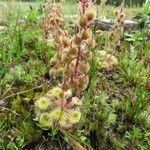
Drosera glanduligera
Description
Source: leafsnapDrosera glanduligera, the pimpernel sundew, is a rosetted annual species in the carnivorous plant genus Drosera that is endemic to Australia. It is 2.5–6 cm (1–2 in) tall and grows in most soil conditions. It produces orange flowers from August to November. It was originally described in 1844 by Johann Georg Christian Lehmann. It is the sole species in the subgenus Coelophylla, which Jan Schlauer elevated from section rank in 1996; it was originally described by Jules Émile Planchon in 1848.
Care Guide
💧 Water
The Catapult-Flypaper Trap, a plant native to Australia, flourishes in the moist conditions of its homeland. To ensure optimal hydration, it needs to be watered twice a week. As an outdoor plant, it is known for its quick snap-tentacle movements, which it uses to capture prey. These movements demonstrate the plant's unique hydrodynamic adaptations, particularly during the growing season.
How should you water your Catapult-flypaper trap?
To keep your Catapult-flypaper trap adequately moistened, follow these steps
What should I do if I give too much or too little water to the Catapult-flypaper trap?
If your Catapult-flypaper trap is overwatered, you may notice brown spots on the undersides of the leaves, white mold in the soil, and a overall wilting look. This happens because the plant can't absorb water properly, leading to root rot. If you smell it and notice the roots are rotting, here's what to do: remove the plant from its soil, rinse it with distilled water, cut away the rotted roots and affected leaves, rinse it again with distilled water, and replant it in fresh soil. On the other hand, if your plant is underwatered, the leaves will become brittle. To help it recover, start by cutting away the affected leaves. Ensure the soil is damp and mist the leaves. For underwatered Catapult-flypaper traps, it's important to resume watering as soon as possible. However, keep in mind that due to root damage, the yellow leaves will dry out in the short term.
How often do I need to water my Catapult-flypaper trap?
The tray method is the most common way to water insectivorous plants. Here's how to do it: take a potting Catapult-flypaper trap with several drainage holes and place it in a dish or tray filled about one-third with water. This will allow the plant to draw water naturally as the soil dries. Make sure to add water promptly when the level drops, but don't let the dish dry out completely. This will help you keep track of how often the plants need to be watered. Now, the Catapult-flypaper trap is native to a humid environment, so it's important to find the right balance when watering. During the active seasons (spring to autumn), avoid letting the soil dry out completely. In spring and fall, water your Catapult-flypaper trap 2-3 times per week, and in summer, water it more frequently to keep the soil moist. However, during the winter and early spring when the plant goes dormant, you need to adjust your watering routine. Cut back on the amount of water and let some of the soil dry out, as well as allowing the water level in the tray to dry out for a few days before adding more. If you live in a naturally dry environment, you may find it necessary to mist the plant to replicate its humid growing conditions. It's best to do this in the morning. Proper water spraying is important, especially in areas with dry air.
How much water does my Catapult-flypaper trap require?
The Catapult-flypaper trap is a carnivorous plant that thrives in humid environments and is often kept as a houseplant. In order to successfully care for one, you'll need to recreate its native growing conditions, which include high humidity levels. These plants prefer environments that are high in humidity and low in nutrients. If you live in a naturally humid area, you can grow them outdoors in a bog garden, which is a great way to provide the necessary humidity. However, most people choose to grow them as houseplants. To maintain the required humidity, use a pot that retains moisture, such as plastic or a self-watering pot. The tray method is the best way to replenish water for these insectivorous plants. Ensure that the water level in the trays covers the small hole at the bottom and add water before it dries out. This will provide the necessary amount of water for the plant to thrive.
Do I need to water the Catapult-flypaper trap differently when I plant it inside instead of outside?
Indoor plants, such as catapult-flypaper traps, require less water when they receive less sunlight. The amount of water they need increases with more light. It is important to provide adequate light and water to keep them healthy. Additionally, it is beneficial to maintain a humid environment for indoor plants. You can achieve this by growing them in a terrarium or as part of a plant display in an aquarium. The enclosed sides of these containers will help retain the necessary humidity. However, it is essential to ensure good circulation for the plants.
☀️ Light Full sun
The Catapult-flypaper trap performs best in low-light environments, needing only a small amount of light for ideal health. During its growth stages, minimal light is sufficient to sustain it. Native to areas with scarce sunlight, it adapts well to those conditions. Excessive sunlight can cause harm, for example wilting. Conversely, even a very slight amount of light will support its survival.
What kind of sunlight does the Catapult-flypaper trap require?
The Catapult-flypaper trap thrives best in natural sunlight, preferably in direct outdoor sunlight. It needs full natural sunlight to grow healthy, reach its full size, and display attractive coloration. The coloration can vary depending on the species, with shades of reds, crimson, pink, or purplish. However, it's important to protect the plant from the harshest sunlight, particularly the mid-afternoon sun in summer. Even plants adapted to full sunlight can suffer from this level of radiation. Therefore, it's recommended to either move your plants or provide partial shade during this time of day. Another important aspect to consider is that evaporation increases significantly in direct sunlight. Since the Catapult-flypaper trap is a wetland plant, it requires constant moisture. Be sure to monitor the water levels in the trays and refill them regularly, especially on warm days.
What would happen if the Catapult-flypaper trap doesn't get enough sunlight?
If the Catapult-flypaper trap does not receive enough sunlight, it will first become discolored. It will lose its red, orange, or pinkish colors and become even duller. Additionally, it may struggle to produce the moist and sticky sap that attracts insects. Over time, the Catapult-flypaper trap will not grow well in low light, resulting in weak new growth and a potentially shorter lifespan.
Does the Catapult-flypaper trap need a specific amount of sunlight at different stages of growth?
The Catapult-flypaper trap, whether young or mature, generally requires the same amount of light. However, there is a difference in lighting needs for non-tropical species, particularly regarding the length of time the plant is exposed to light. In the winter, when the plant is resting, it is best to provide 10-12 hours of indirect light per day. It is important not to exceed this amount for a dormant Catapult-flypaper trap. Exposing the plant to daylight lasting 14-16 hours could mistakenly trigger it to exit dormancy, which would have negative effects. Therefore, ensure that your Catapult-flypaper trap has an adequate period of darkness during the winter.
How many hours of sunlight does Catapult-flypaper trap need each day to grow well?
For most Catapult-flypaper trap species, it's best to provide four to six hours of direct sun and six to eight (or more) hours of partial sun each day. Ideally, the direct sun exposure should begin in the morning and continue until the afternoon, with some shading in the intense midday sun. Late afternoon sun exposure is also acceptable.
How much light does Catapult-flypaper need for making food?
Although it may seem unusual for a wetland plant, the Catapult-flypaper trap has a strong need for sunlight. This is because most of its foliage is modified to attract and digest insects, leaving less surface area for photosynthesis. Additionally, these plants originate from warm, subtropical, and tropical climates, where they are exposed to high levels of sunlight near the equator.
🌡️ Temperature 20–37.8°C
For Catapult-flypaper trap, moderate temperatures are ideal, similar to those most people find comfortable. It does best in conditions that are neither too hot nor too cold. The main concern with high temperatures is the risk of sunburn, so providing some shade in summer is advisable to prevent excessive heat. When temperatures fall, Catapult-flypaper trap enters a dormant state. If continuous growth is desired, it is necessary to keep temperatures higher during the winter. Frost can damage the plant and should be avoided.
What temperature is best for the Catapult-flypaper trap?
Catapult-flypaper trap thrives within a specific temperature range. If the temperature falls within this range, the plant is unlikely to suffer from extreme cold or heat damage. However, changes in leaf color can indicate that the Catapult-flypaper trap is not content. It is best to keep the temperature within the preferred range of 70-85℉(21-30℃), but do not worry if it exceeds 85℉(30℃) during the day or drops to 70℉(21℃) at night.
How can I keep the Catapult-flypaper trap safe from very hot or very cold temperatures outside?
If you have a Catapult-flypaper trap planted outside, there are limited options for moving it indoors. However, you can help it survive extreme temperatures by providing cover. One way to do this is by creating a shade tent using stakes and cloth to block out intense sunlight. Similarly, you can protect the trap from cold temperatures and strong winds by building a small greenhouse around it. This greenhouse effect will help to warm up the plant. Use garden stakes and clear or translucent plastic, such as polycarbonate, if available. Remember to remove the greenhouse once nighttime temperatures rise above 40℉(10℃).
Does the temperature requirement for the Catapult-flypaper trap change depending on the season?
Maintaining a preferred temperature range is important for the Catapult-flypaper trap throughout the year. However, it is important to adjust care based on the seasons. In warmer months, providing some shade and a breeze can help it handle hot days. Conversely, in colder months where temperatures drop below 40℉(10℃), it may be necessary to move the trap away from chilly windows and doors.
How can I keep the Catapult-flypaper trap at the right temperature?
Keeping your Catapult-flypaper trap at the right temperature can be simple. For indoor growing, easily move the plant to suitable locations within your indoor space. Avoid placing it near air conditioning vents, heaters, frequently opening doors, or drafty windows. Controlling the temperature around the Catapult-flypaper trap is trickier when grown outside. If planted in a pot, bring it indoors when temperatures are too hot or cold. Otherwise, take measures to protect it from extreme heat or cold. Place the Catapult-flypaper trap under cover to shield it from intense sunlight and deadly cold wind.
💨 Humidity
🪴 Soil 4-5
🌱 Fertilizer
🪴 Pot & Repot 2-3 years
When repotting a Catapult-flypaper trap, choose a pot 1-2 inches (2.5–5.1 cm) larger with ample drainage. Use a well-draining potting mix. Repot in spring or fall, making sure the root ball sits slightly lower than the rim of the flower pot. Water thoroughly after repotting and place the plant in a warm spot with indirect sunlight.
✂️ Pruning
The catapult-flypaper trap benefits from light pruning, especially from early to late spring. Remove dead or unhealthy leaves using sterilized tools to prevent disease. Regular maintenance improves both the plant’s health and appearance, and avoiding heavy pruning helps reduce stress. Pruning during growth cycles promotes optimal development.
🌿 Propagating
🐛 Diseases & pets
☠️ Toxicity
Characteristics
- Plant Type
- Herb
- Life Cycle
- Annual
- Genus
- Drosera
- Family
- Droseraceae
- Hardiness Zone
- 9-11
- Mature Height
- 2 cm to 5 cm
- Mature Spread
- 3 cm to 6 cm
- Leaf Color
- Red, Green
- Leaf Type
- Evergreen
- Flower Color
- Pink
- Flower Size
- 0.51 cm to 0.76 cm
- Bloom Time
- Early spring, Mid spring
- Planting Time
- Spring, Summer, Autumn
- Harvest Time
- Late spring, Early summer