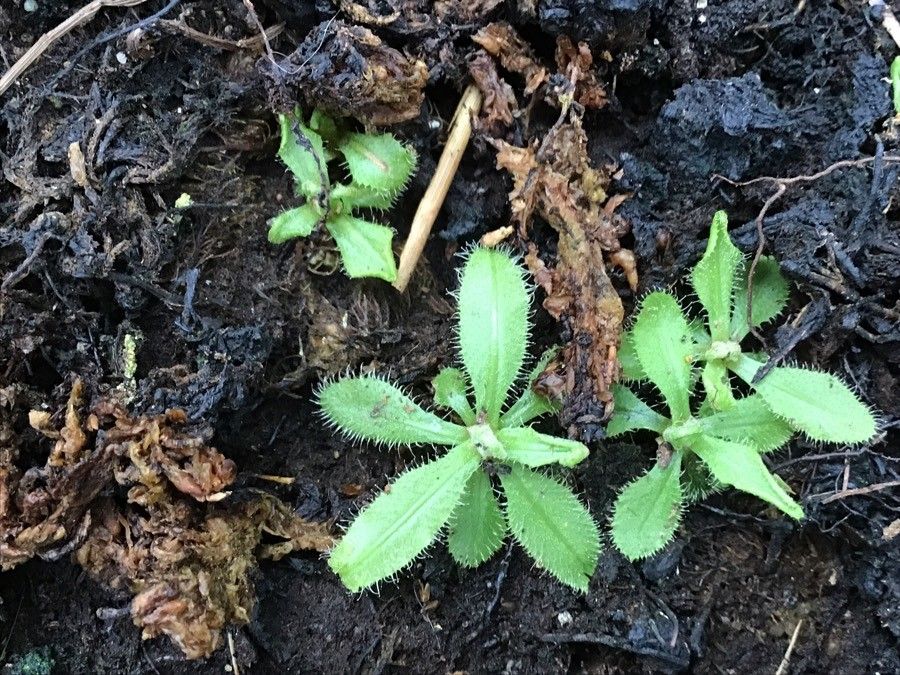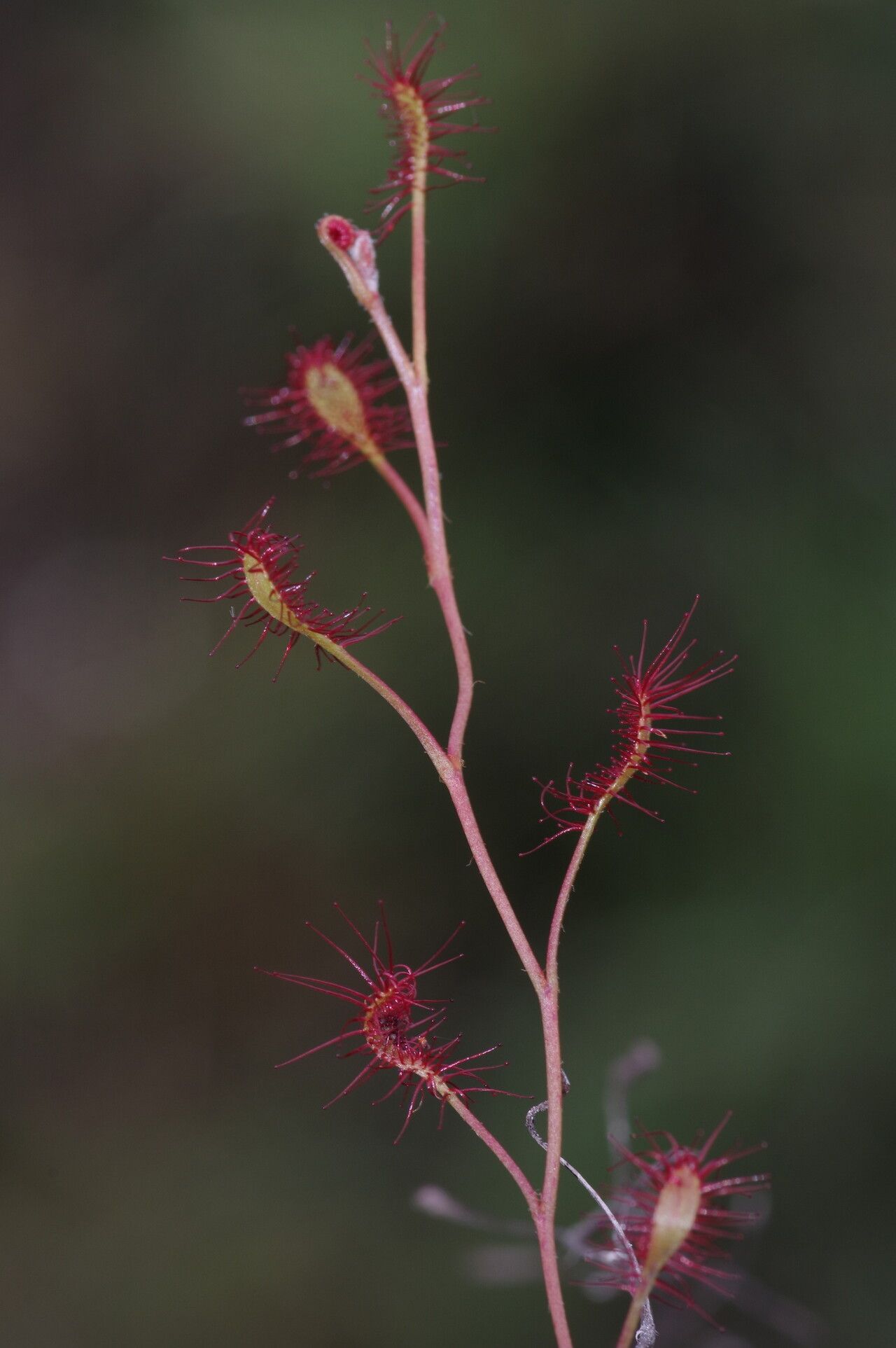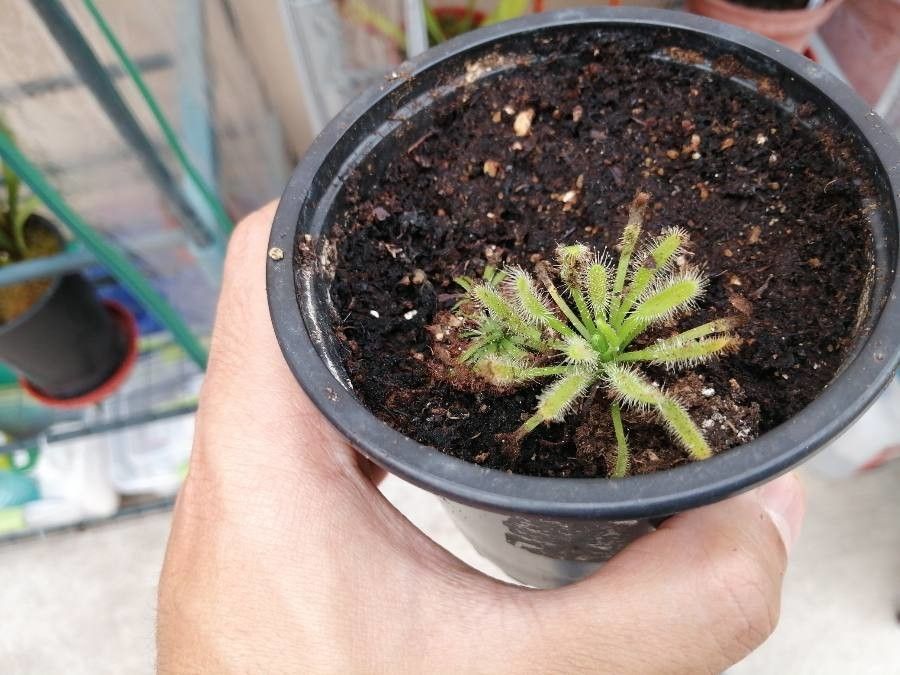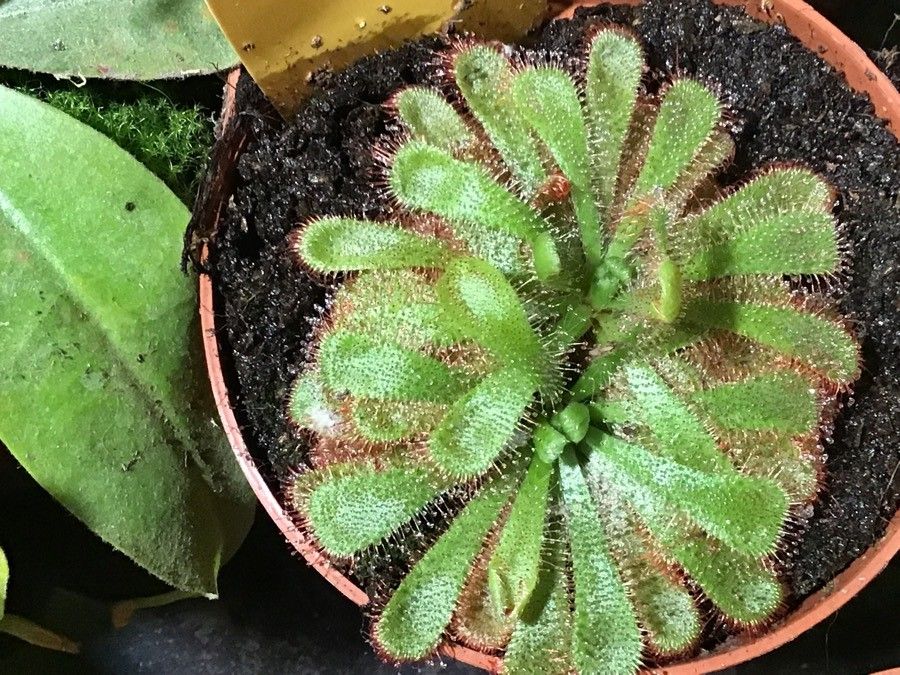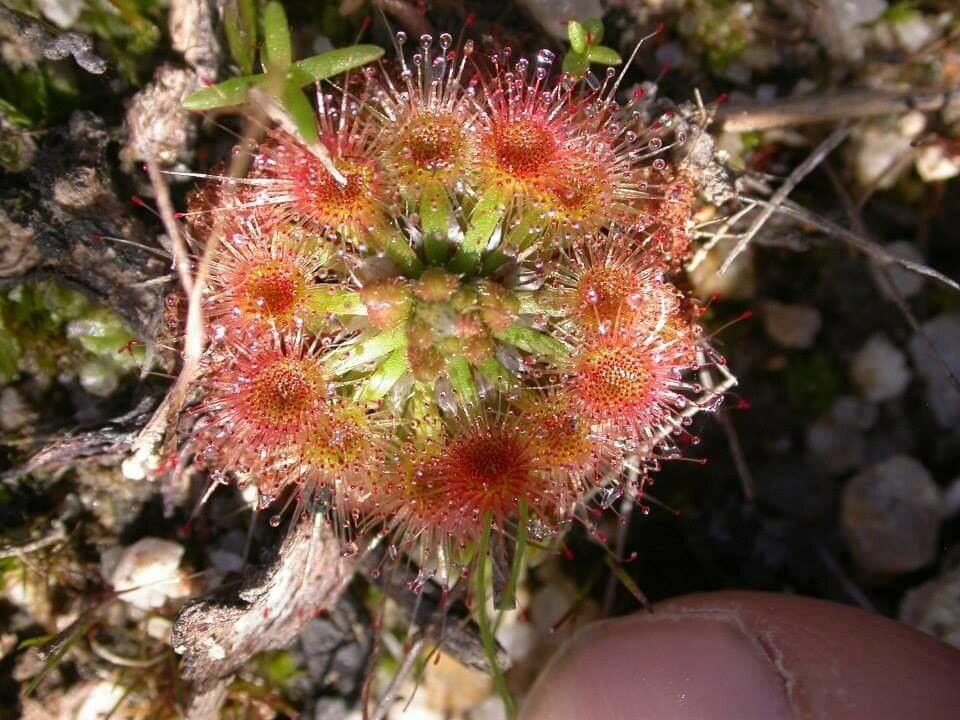
Drosera pulchella, a type of pygmy sundew (subgenus Bryastrum), is a species of carnivorous plant native to southwestern Australia. As their common name suggests, they are a small species that usually 15 to 20 millimeters wide. They typically grow in clusters that completely cover an area like a patch of moss. The namesake sticky dew at the ends of their leaves is designed to trap insects so that the plants can absorb nutrients as the insect decomposes.
Drosera pulchella has moderate resistance to disease and needs a high-humidity environment. If ventilation is poor, though, it can be prone to rot. Its care level is considered difficult because it requires continuous humidification to maintain high humidity. Drosera pulchella is also particularly vulnerable to rot when air circulation is inadequate and conditions are too warm. This plant is appropriate for growers with more experience who can provide a suitable growing environment.
How to keep Drosera Pulchella.
Light
Drosera pulchella is native to habitats that receive plentiful sunlight, such as open bogs and sunny wetlands. It prefers full sun but can also tolerate partial sun.
Temperature
Drosera pulchella prefers a moderate climate, akin to conditions commonly enjoyed by humans. It prospers in environments that are not excessively hot or extremely cold. When the temperature rises too high, there's a threat of sunburn, thus some shading is recommended during the summer to prevent intense heat. Conversely, in colder temperatures, Drosera pulchella goes into a dormant phase. If steady development is the goal, it's crucial to uphold warmer temperatures throughout the winter. Any exposure to frost can potentially harm the plant and should, therefore, be refrained.
Pruning
Drosera pulchella is a carnivorous plant known for its sticky traps, and it requires minimal pruning. Pruning should be done in early spring to remove dead foliage and any flower stalks after they have bloomed. Use sterilized scissors to prevent the spread of disease. Proper pruning improves air circulation and light access, but be careful not to over-prune, as it is important to maintain the plant’s structure.
Pot & Repot
When transplanting Drosera pulchella, select a pot 1-2 inches (2.5-5 cm) bigger featuring sufficient drainage. Employ a potting mixture that drains well. The best times to repot are spring or autumn, making sure the root ball sits a little below the flower pot's rim. After the repotting process, adequately water the plant and position it in a heated area that receives filtered sunlight.
Botanical profile.
- Plant Type
- Herb
- Genus
- Drosera
- Family
- Droseraceae
- Hardiness Zone
- 6-10
Reader questions.
What are the sunlight requirements for Drosera pulchella?
Drosera pulchella requires less than 3 hours of sunlight per day, classified as full shade. It's important to observe the sunlight's movement through your garden carefully to select the ideal spots that offer a balanced light and shade environment, fostering the plant's well-being.