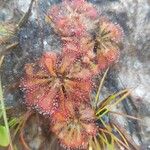
Drosera spatulata
Spoonleaf sundew · Spatulate-leaf sundew · Spoon-leaved sundew · Sundew
Description
Source: leafsnapDrosera spatulata, the spoon-leaved sundew, is a variable, rosette-forming sundew with spoon-shaped leaves. The specific epithet is Latin for "spatula shaped," a reference to the form of the leaves. This sundew has a large range and occurs naturally throughout Southeast Asia, southern China and Japan, Micronesia, Papua New Guinea, eastern Australia, Tasmania and New Zealand. Variants are often known by the localities in which they are found. The plant does not form hibernacula in winter, and is easily grown using the same methods as Drosera capensis. Carnivorous plant growers consider D. spatulata to be a weed because it is very hardy and produces copious amounts of seed when it flowers. The seed also germinates without much difficulty, causing little plants to pop up in surrounding pots.
Care Guide
💧 Water
The spoon-leaved sundew flourishes in high humidity and needs to be watered twice a week. As an evergreen plant, it keeps its leaves year-round, which helps it absorb water. Its love for moisture makes it well-suited for indoor cultivation, where humidity levels can be controlled.
What is the easiest way to water your Spoon-leaved sundew?
To adequately moisten your Spoon-leaved sundew, it is recommended to grow it in a pot with good drainage holes and place it in a plastic dish or tray. Fill the dish with about a third to half an inch of water, which will be drawn up from the pot to the roots as the soil dries. Be careful not to let the dish completely dry out and adjust the amount of water based on how quickly the plant absorbs it. Avoid using pots made of terra cotta, as they allow water to seep through and filter out dissolved solids. If you must use a terra cotta pot, place it inside a larger pot and only put water in the outer pot. The mineral content of the water used is crucial for properly watering the Spoon-leaved sundew. Rainwater is the safest option, but distilled water and water from a reverse osmosis system are also suitable alternatives. Purified water can be used as well, but it should ideally have minerals within a range that the plant can tolerate. If using tap water, ensure that it has less than 50 parts per million of total dissolved solids. You can purchase a meter to measure this inexpensively. It is advisable to fill your watering device 24 hours before use to allow the chlorine in the water to dissipate.
What should I do if I give too much or too little water to Spoon-leaved sundew?
If you overwater your Spoon-leaved sundew, you may notice brown spots appearing on the undersides of the leaves. Additionally, white mold may start to develop in the soil, and the plant may have a wilted appearance. The wilting happens because the plant can't draw water into its stem properly. Overwatering can also lead to root rot, which is indicated by a bad smell. In this case, you should remove the plant from its soil and rinse it with distilled water. Cut away any rotted roots and affected leaves, then rinse the plant again with distilled water before replanting it in fresh soil. On the other hand, if you underwater your Spoon-leaved sundew, the leaves will become brittle. In this situation, you should cut away the affected leaves, ensure that the soil is damp, and mist the leaves. The plant will gradually recover when you resume watering it as soon as possible. However, due to root damage, yellow leaves may dry out in the short term.
How often do I need to water my Spoon-leaved sundew?
The tray method is the most common way of watering insectivorous plants, such as the Spoon-leaved sundew. Here's how to do it: First, pot the sundew in something with several drainage holes and place it in a dish or tray. Fill the tray with about one-third of water. As the soil dries, the plant will naturally draw water up. Make sure to add water promptly after the water level drops, but don't let the dish dry out completely. By keeping the water level consistent, you can get a better sense of how often the plants need to be watered. Since the Spoon-leaved sundew is native to a humid environment, it's important to strike the right balance between watering and letting the soil dry out. During the active seasons of spring to autumn, don't let the soil dry out completely. Water your sundew 2-3 times per week in spring and fall, and more frequently in summer to keep the soil moist. However, during the winter and early spring, the sundew goes dormant. If you continue to water it like you do during its active season, you will likely kill it. Instead, you should cut back on the amount of water you give it. Let some of the soil dry out and allow the water level in the tray to dry out for a few days before adding more water. If you live in a naturally dry environment, you may find that misting the sundew is necessary to replicate its natural humid growing conditions. It's best to do this in the morning. Proper water spraying is especially important in dry areas.
How much water does my Spoon-leaved sundew plant need?
Spoon-leaved sundew is a popular carnivorous houseplant that thrives in humid environments. To successfully care for one, it's important to recreate its native growing conditions. This means maintaining high levels of humidity, as these plants naturally prefer locations with high humidity and low nutrients. If you live in a place with naturally high humidity, you can grow them outdoors in a bog garden, which is a great way to provide the necessary humidity. However, most people choose to grow them as houseplants. To keep the plant well-hydrated, it's best to use a pot that retains moisture, such as plastic or a self-watering pot. The tray method is the most effective way to replenish water for this insectivorous plant. Make sure the water level in the tray pots covers the small hole at the bottom and add water promptly before the trays dry out. By adding enough water, you ensure that the plant remains hydrated and can continue to grow successfully.
Do Spoon-leaved sundews need to be watered differently if I plant them indoors versus outdoors?
When growing spoon-leaved sundew plants indoors, they need less water due to receiving less sunlight. However, the more light they receive, the more water they will require to grow properly. It is important to provide adequate light and water to keep them healthy. Additionally, it is recommended to create a humid environment for these indoor plants. One effective way to maintain humidity is by growing them in a terrarium or as part of a plant display in an aquarium. The enclosed sides of these containers help trap humid air. Just remember to ensure good airflow and circulation.
☀️ Light Full sun
The spoon-leaved sundew does best with abundant sunlight, which promotes healthy growth. Native to areas where the sun is unobstructed, it tolerates prolonged exposure to light. Still, excessive illumination or too little light can impair its growth or cause decline.
How much sunlight does the Spoon-leaved sundew need to grow?
Spoon-leaved sundew thrive with a minimum of 6 hours of sunlight each day, though more is preferable. The required number of hours may vary based on sunlight intensity and environmental factors, but it's unlikely for them to receive excessive sunlight. In fact, they can handle up to 14 hours of sun daily without issue.
What kind of sunlight does Spoon-leaved sundew require?
Spoon-leaved sundew requires ample bright sunlight to thrive. These plants are adapted to full-sun conditions and can flourish when exposed to direct light or bright indirect sun. While some varieties can tolerate partial sun, they generally do better with more sunlight.
Should I keep Spoon-leaved sundew away from the sun?
Spoon-leaved sundew can withstand intense sunlight since it flourishes in some of the hottest and sunniest regions worldwide. Therefore, it doesn't require protection from the sun. However, if you are planning to move your Spoon-leaved sundew to a remarkably sunny area, it's important to proceed with caution. Plants need time to adjust to different conditions. You can start acclimating your sundew by gradually introducing it to a few hours of sunlight each day and then progressively increasing the duration. Once accustomed, most Spoon-leaved sundew varieties will thrive in full sun without any need for additional protection.
What happens if Spoon-leaved sundew doesn't get enough sunlight?
If Spoon-leaved sundew doesn't receive sufficient sunlight, it won't grow well. Inadequate sunlight can cause pale coloring, wilting leaves, and leaf drop. The plant may also become leggy due to stretching towards the light, which results in a sparse and weak appearance.
What happens if the Spoon-leaved sundew gets too much sunlight?
Spoon-leaved sundews change color to protect themselves from excessive sunlight, often turning red, pink, or orange. Many people purposely expose these plants to mild sun stress during the summer, which doesn't harm them and their colors will return to normal when the days get shorter. However, if the plants are suddenly moved into direct sunlight, they can get sunburned. Sunburn appears as white or brown spots on the upper leaves that were exposed to the most sun. If this happens, the plant should be moved to a shadier spot and watered if necessary. Any sun-damaged leaves can be removed and will eventually be replaced by new growth.
🌡️ Temperature 15–37.8°C
Spoon-leaved sundew prefers warm conditions and needs elevated temperatures during the growing season to support its growth and metabolic activity. It does well with plenty of sunlight, suitable moisture levels, and adequate air circulation. It can be harmed by very low temperatures and by being overwatered. It is also important to maintain a balance and avoid excessively high heat or overly dry conditions.
What temperature is best for your Spoon-leaved sundew?
The Spoon-leaved sundew prefers a specific range of conditions. The best temperatures for it are between 75-90℉ (25-32℃). During early winter, it should not be exposed to temperatures below 75℉ (25℃). If necessary, it can be moved indoors for better protection. Although the Spoon-leaved sundew can survive in some extreme temperatures, it is not ideal. While it may tolerate temperatures as low as 50℉ (15℃), it is recommended to bring it inside if winter conditions are expected.
How do I change the temperature for my Spoon-leaved sundew as it grows?
The spoon-leaved sundew has different growing phases. First, the dormant seed grows and transforms into a seedling. For the dormant seeds to grow, they require the right conditions, including a temperature of 75-90℉ (25-32℃) for germination. During the summer, which is the ideal time, a temperature of around 85℉ (30℃) encourages vigorous growth. To ensure enough sunlight, you can move your spoon-leaved sundew from indoors to a sunny spot during the hot summer months.
How do I keep my Spoon-leaved sundew warm when it's cold outside?
To protect your Spoon-leaved sundew during the winter, it is recommended to bring it indoors. Some people choose to purchase special grow lights to provide adequate sunlight, but if your home is not overly dark, these lights may not be necessary. Instead, place your plants in areas with the most sunlight available. This should be enough to keep the Spoon-leaved sundew healthy during the winter. If you have multiple plants, rotate their positions so that they all receive sufficient sunlight. If you live in northern areas with extremely cold temperatures, avoid placing your Spoon-leaved sundew too close to the window as they may be sensitive to the cold and could potentially get damaged.
What happens to my Spoon-leaved sundew when it's too hot or too cold?
Spoon-leaved sundew plants thrive in warm temperatures, preferably around 90℉ (32℃), during the summer. However, they should be shielded from extreme temperatures in hot climates. In contrast, during the winter, it is best to keep the plant dry. These plants generally do well in temperate climates with temperatures ranging from 75-90℉ (25-32℃). Unfortunately, some gardeners expose their Spoon-leaved sundew plants to extreme temperatures, causing stress and potential damage. While temperatures between 90℉ and 95℉ (32-35℃) can enhance the vibrant colors of the plant, caution should be exercised when experimenting with such conditions. High temperatures during the summer can scorch the plant, harming its stems and roots. To protect the sundew during the hottest part of the day, it is advisable to relocate it to a shaded area or cover it with a shade cloth.
How should I change the temperature for my Spoon-leaved sundew during different seasons?
During the summer, the high temperatures make the growth of Spoon-leaved sundew slow down in order to survive in hot weather. However, as the cooler periods and rainfall arrive, the Spoon-leaved sundew starts to grow again. If you live in an area with hot summers and warm winters with more rainfall, you don't need to make any adjustments. However, if you live in a place with cold winters, it's best to allow your Spoon-leaved sundew to grow more during the summer and rest during the winter. This is because there isn't enough sunlight for it to grow during the winter months. If you live in a colder area, you can help your Spoon-leaved sundew go into dormancy by lowering the temperature to a range of 50℉ to 75℉ (15℃ to 25℃).
💨 Humidity
🪴 Soil 5-6
🌱 Fertilizer
Spoon-leaved sundew only needs light fertilizer applications once or twice a year during the growing season. Avoid fertilizing in winter or in summer when it is dormant. Cut back on fertilizer for repotted plants and wait a couple of months after repotting before fertilizing. Fertilizing supports healthy growth and encourages blooming.
Why should I put fertilizer on my Spoon-leaved sundew?
Adding plant food to the growing medium of Spoon-leaved sundew provides nutrients for healthy growth. Despite the fact that it already stores water and nutrients, applying fertilizer during the growing season further supports its development. Fertilizing can also promote bloom production in mature specimens during this period.
When should I put fertilizer on my Spoon-leaved sundew?
Spoon-leaved sundew, like other plants, can benefit from extra nutrients, but it only requires a small amount of fertilizer during the growing season. It is best to fertilize this plant 1-2 times a year, specifically in the spring and autumn, and avoid fertilizing during the dormant periods of winter and summer. When repotting, be cautious and use less fertilizer. It is also recommended to wait a few months after repotting before applying any fertilizer.
When is it not a good idea to fertilize my Spoon-leaved sundew?
The Spoon-leaved sundew, like many plants, has a dormancy period. This is the time to avoid using fertilizer. Both in summer and winter, the plant stops growing, so fertilizer should be avoided. Additionally, it is recommended to hold off on fertilizing for a few months after repotting in the spring.
What kind of fertilizer does my Spoon-leaved sundew require?
When fertilizing Spoon-leaved sundew, it's recommended to use a liquid plant food specifically made for succulents and cacti. Make sure to dilute the fertilizer with water, using half-strength. Avoid allowing too much fertilizer to accumulate in the soil. Apply the fertilizer to the base of the plant and water it thoroughly. Ensure any excess moisture drains from the container or seeps into the ground.
How can I help my Spoon-leaved sundew grow better?
When fertilizing Spoon-leaved sundew, it is recommended to use liquid plant food for easier application, although granules can also be used. Make sure to read and follow the instructions on the packaging, and if using liquid fertilizer, dilute it to half-strength. Regardless of which type of plant food you choose, always apply it to the soil. For granules, cover them with a thin layer of soil and water the plant accordingly.
🪴 Pot & Repot 2-3 years
When repotting Spoon-leaved sundew, select a pot 1–2 inches (2.5–5.1 cm) larger that has good drainage. Use a well-draining potting mix. Repot in spring or fall, making sure the root ball sits slightly below the rim of the pot. Water thoroughly after repotting and place the plant in a warm location with indirect sunlight.
✂️ Pruning
🌿 Propagating
🐛 Diseases & pets
☠️ Toxicity
Characteristics
- Plant Type
- Herb
- Life Cycle
- Perennial
- Genus
- Drosera
- Family
- Droseraceae
- Hardiness Zone
- 7-11
- Mature Height
- 2 cm
- Mature Spread
- 5 cm
- Leaf Color
- Green, Red
- Leaf Type
- Evergreen
- Flower Color
- Pink, White, Purple
- Flower Size
- 0.51 cm
- Bloom Time
- Summer, Early fall, Mid fall
- Planting Time
- Spring
- Harvest Time
- Late summer, Fall, Early winter
- Native Area
- Australia