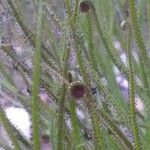
Drosophyllum lusitanicum
Portuguese Sundew · Yellow sundew
Description
Source: leafsnapDrosophyllum ( DROSS-oh-FIL-əm, rarely drə-SOF-il-əm) is a genus of carnivorous plants containing the single species Drosophyllum lusitanicum, commonly known as Portuguese sundew or dewy pine. In appearance, it is similar to the related genus Drosera (the sundews), and to the much more distantly related Byblis (the rainbow plants).
Care Guide
💧 Water
Dewy pine, native to the Mediterranean region, thrives in dry, sunny environments and needs only occasional watering. For optimal health, it's best to water it twice a week. As an evergreen plant adapted to nutrient-poor soils, dewy pine excels at conserving water, making it an excellent choice for xeriscaping.
How do you water your Dewy pine tree in the best way?
To keep your Dewy pine adequately moist, grow it in a pot with good drainage holes and place a plastic dish or tray underneath. Fill the dish with about a third to half an inch of water, which will naturally be drawn up by the roots as the soil dries. Avoid letting the dish dry out completely and adjust the amount of water based on how quickly the plant absorbs it. Avoid using terra cotta pots for growing Dewy pine, unless you place the pot inside a larger one. Terra cotta allows water to seep through and filter out dissolved solids, so only pour water into the outer pot. The mineral content of the water you use is crucial for watering your Dewy pine properly. If possible, collect rainwater to use on your plant, as it is the safest option. Alternatively, distilled water or water from a reverse osmosis system are suitable choices. Purified water can also be used, but it may contain some minerals within a tolerable range for Dewy pine. Tap water with less than 50 parts per million of total dissolved solids is safe, and you can purchase a meter to measure this inexpensively. Before using tap water, fill your watering device 24 hours in advance to allow the chlorine to evaporate.
What should I do if I give too much or too little water to Dewy the pine?
If you notice brown spots on the undersides of the leaves, white mold in the soil, and a wilted appearance, it may indicate that your Dewy pine is being overwatered. The plant is unable to absorb water into its stem, which causes the wilted look. Overwatering can also lead to root rot. If the roots are rotten and have a bad odor, you should remove the plant from the soil. Rinse it with distilled water and cut away any rotted roots or affected leaves. After another rinse with distilled water, replant it in fresh soil. On the other hand, if your plant is underwatered, the leaves may become brittle. In this case, you should cut away any affected leaves, ensure that the soil is damp, and mist the leaves. If your Dewy pine is underwatered, it will gradually recover if you resume watering as soon as possible. However, due to root damage, the leaves may turn yellow and dry out in the short term.
How often do I need to water my Dewy pine tree?
The tray method is the most common way to water insectivorous plants. To do this, you should pot the Dewy pine in a container with several drainage holes and place it in a tray filled about one-third with water. This allows the plant to naturally absorb water as the soil dries. It's important to add more water promptly after the water level drops, but don't let the tray dry out completely. This will help you understand how often the plants need to be watered. Since Dewy pines are native to humid environments, finding the right balance between watering and keeping the soil from drying out is important. During the active seasons (spring to autumn), you should water your Dewy pine 2-3 times per week, and more frequently in the summer to maintain moist soil. However, during the winter and early spring when the plant is dormant, you'll need to reduce the amount of water you give it. Allow the soil and water level in the tray to dry out for a few days before adding more water. If you live in a naturally dry area, you may find it necessary to mist the Dewy pine to replicate its humid growing conditions. Misting should be done in the morning, and it's especially important in dry environments.
How much water does my pine tree need?
Dewy pine is a type of carnivorous plant that is highly sought after as a houseplant. To successfully care for one, it is important to create the same humid environment it thrives in naturally. Maintaining high humidity levels is the key to ensuring your Dewy pine thrives. If you live in an area with naturally high humidity, you can choose to grow it outside in a bog garden, which is a great way to create a humid environment for multiple plants. However, most people prefer to grow them indoors as houseplants. To cater to their needs, opt for a pot that retains moisture, such as a plastic or self-watering pot. For watering, the tray method works best for these insectivorous plants. Ensure that the water level in the tray pots covers the small hole at the bottom, and replenish the water in a timely manner to prevent the trays from drying out. Adding enough water to keep the pots from drying out will provide the necessary hydration for your Dewy pine to grow well.
Do I need to water Dewy pine in a special way when I plant it inside but not outside?
Indoor dewy pine plants generally need less water due to receiving less sunlight. As the plant receives more light, it will require more water to grow. To keep the plants healthy, it's important to provide sufficient light and water. Additionally, maintaining a humid environment is crucial for indoor plants. One effective way to do this is by growing them in a terrarium or as part of a plant display in an aquarium. The enclosed sides of these structures help prevent the escape of vital humid air, but it's essential to ensure good circulation as well.
☀️ Light Full sun
Originating from dry regions, Dewy pine does best in full sun, its native habitat marked by intense sunlight and scarce shade. It can also tolerate partial sun, giving it some flexibility in where it can grow.
What are the sunlight requirements for Dewy Pine?
Dewy Pine, or Drosophyllum lusitanicum, thrives in environments with ample sunlight, requiring above 6 hours of sunlight daily. It prefers full sun but can tolerate partial sun conditions as well. To ensure your Dewy Pine's happiness, observe the movement of sunlight through your garden, selecting spots that offer an ideal balance of light and shade.
What are the essential needs of Dewy Pine regarding sunlight and artificial lighting?
Originating from sunny wetlands and open bogs, Dewy Pine necessitates full to partial sun exposure for optimal growth. When natural sunlight is not sufficient, especially in less sunny spaces or during winter, artificial lighting becomes essential. For indoor plants, LED lights are recommended as they can be tailored to provide specific light wavelengths needed by the plants. The requirements for artificial light intensity vary; full sun plants need 30-50W/sq ft, partial sun plants need 20-30W/sq ft, and full shade plants need 10-20W/sq ft. Lighting should be placed 12-36 inches above the plant, mimicking the natural sunlight duration most plants require, which is 8-12 hours per day.
What are the symptoms of insufficient light in Dewy Pine?
Dewy Pine shows several symptoms when exposed to inadequate lighting, including smaller new leaves, leggy or sparse growth, faster leaf drop, slower or no new growth, and lighter-colored new leaves. Additionally, chlorosis, sunscald, leaf curling, wilting, and leaf scorching can occur due to excessive sunlight exposure. These symptoms indicate the plant's struggle with either too little or too much light, affecting its growth and health.
What solutions can be applied for Dewy Pine facing insufficient sunlight?
To address insufficient sunlight for Dewy Pine, gradually increase its exposure to natural light by moving it to a sunnier location each week, aiming for at least 6 hours of direct sunlight. Utilizing south-facing windows and keeping curtains open during the day can help. If moving the plant is not feasible, consider using artificial light, like a desk or ceiling lamp, for at least 8 hours daily, or investing in professional grow lights. For outdoor plants, a gradual relocation to sunnier spots is recommended to prevent sunburn. Reducing obstructions, such as pruning nearby trees, or transplanting to a brighter location with good drainage, are effective solutions for ground-planted Dewy Pines.
🌡️ Temperature 20–37.8°C
Dewy pine does best in warm conditions and needs higher temperatures during the growing season to encourage growth and metabolic activity. It favors abundant sunlight, proper moisture, and good air circulation. However, it is vulnerable to harm from very low temperatures and from overwatering. Maintaining a balance is important, and one should avoid both excessively high temperatures and overly dry conditions.
What temperature does Dewy pine prefer?
To ensure Dewy pine stays healthy, it's best to maintain a temperature range of 70-85℉ (21-30℃). Within this range, the foliage is less likely to suffer from extreme cold or heat. However, if you notice changes in leaf color, it may be a sign that Dewy pine is unhappy. While it's important to stay within the preferred temperature range, don't worry if the temperature occasionally exceeds 85℉ (30℃) during the day or drops to 70℉ (21℃) at night.
How can I keep Dewy pine safe from very hot or very cold weather outside?
If you have a Dewy pine planted outside, it may be difficult to move it indoors. However, you can take steps to protect it from extreme temperatures. For hot weather, you can create a shade tent using stakes and cloth to block the intense heat of direct sunlight. Likewise, you can build a small greenhouse around the plant to shield it from cold temperatures and windy conditions. Using garden stakes and clear plastic, such as polycarbonate greenhouse plastic, you can create a greenhouse effect to keep the plant warm. Once the nighttime temperatures reach 40℉(10℃), you can remove the greenhouse.
Does the plant called Dewy pine require different temperatures in each season?
Dewy pine prefers a certain temperature range throughout the year. However, its care needs may vary depending on the season. During the hottest months, it benefits from additional shade and wind to handle the high temperatures. On the other hand, in colder climates where temperatures drop below 40℉(10℃), it may need to be moved away from windows and doors during the cooler months.
How can I keep my Dewy pine at the correct temperature?
Caring for your Dewy pine and maintaining the right temperature can be easy, depending on where you grow it. For indoor growing, you can simply move the plant to different locations within your indoor space that provide the ideal temperature. Just avoid placing it near air conditioning vents, heaters, frequently opening doors, or drafty windows. Managing the temperature for your Dewy pine outdoors is a bit more challenging. If it's in a pot, you can bring it indoors when it's too hot or cold outside. Otherwise, you'll need to take extra precautions to shield it from extreme heat or cold that could harm it permanently. One option is placing it under cover to protect it from intense sunlight and cold winds that could be dangerous for the plant.
💨 Humidity dry (<40%)
This plant prefers dry conditions, so don't mist it. However, watering it less often can also thrive in higher humidity.
🪴 Soil 5-6
🌱 Fertilizer
For Dewy pine, light doses of fertilizer 1-2 times a year during the growing season are sufficient. Refrain from fertilizing in winter and summer when the plant is dormant. Use less fertilizer for repotted plants and wait a couple of months after repotting before applying fertilizer. Fertilizing promotes healthy growth and encourages blooms.
🪴 Pot & Repot 2-3 years
When repotting a Dewy pine, select a pot 1–2 inches (2.5–5.1 cm) larger with good drainage. Use a well-draining potting mix. Repot in spring or fall, making sure the root ball sits slightly below the rim of the pot. Water thoroughly after repotting and place it in a warm spot with indirect sunlight.
✂️ Pruning
To maintain a healthy dewy pine, it's important to prune it carefully, ideally between early and late spring. Begin by removing any dead or diseased branches to encourage healthy growth, improve air circulation, and reduce the risk of disease. Be sure to use clean, sharp tools when trimming to avoid causing damage. This will also help maintain the plant's shape and prevent overcrowding.
🌿 Propagating
🐛 Diseases & pets
☠️ Toxicity
Characteristics
- Plant Type
- Herb, Succulent
- Life Cycle
- Perennial
- Genus
- Drosophyllum
- Family
- Drosophyllaceae
- Hardiness Zone
- 9-11
- Mature Height
- 20 cm to 49 cm
- Mature Spread
- 30 cm to 61 cm
- Leaf Color
- Light Green, Yellow
- Leaf Type
- Evergreen
- Flower Size
- 2.03 cm to 3.05 cm
- Bloom Time
- Mid spring, Late spring, Early summer
- Planting Time
- Spring, Summer
- Harvest Time
- Summer
- Native Area
- Morocco, Spain, Portugal