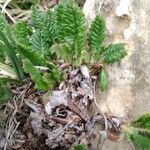
Dryas octopetala
Eight-petal mountain-avens · Mountain dryas · White mountain-avens · Eightpetal mountain-avens · Mountain Avens
Description
Source: leafsnapDryas octopetala, the mountain avens, eightpetal mountain-avens, white dryas or white dryad, is an Arctic–alpine flowering plant in the family Rosaceae. It is a small prostrate evergreen subshrub forming large colonies. The specific epithet octopetala derives from the Greek octo (eight) and petalon (petal), referring to the eight petals of the flower, an unusual number in the Rosaceae, where five is the normal number. However, flowers with up to 16 petals also occur naturally. As a floral emblem, it is the official territorial flower of the Northwest Territories and the national flower of Iceland.
Care Guide
💧 Water Every week
Hooker's mountain-avens flourishes in alpine and arctic tundra due to its exceptional drought tolerance. To maintain its health, it benefits from weekly watering, which replicates its natural environment. As an evergreen plant, Hooker's mountain-avens is efficient at retaining moisture and thrives in cooler climates. When grown outdoors, it relies on natural precipitation to support its growth.
How should I water my Hooker's mountain-avens?
To care for the Hooker's mountain-avens, it's best to use filtered water at room temperature or slightly warmer. Tap water may contain harmful particles, so filtered water is preferred. The plant comes from a warm environment, so water that is too cold can be a shock to its system. Avoid overhead watering, as it can cause foliage issues. Instead, thoroughly water the soil with filtered, room temperature water until it is completely soaked. This is beneficial for the plant as it provides moisture to the roots and helps them spread and absorb nutrients from the soil.
What should I do if I give too much or too little water to my Hooker's mountain-avens plant?
Both overwatering and underwatering can harm your Hooker's mountain-avens, but overwatering is more common. Overwatering causes wilting, yellowing leaves, and may lead to diseases like root rot, mold, and mildew, which can be fatal. Underwatering is less common due to the plant's drought tolerance, but it can result in brittle, brown leaves. It's important to promptly address overwatering symptoms as some diseases may be irreversible if not caught early. Reduce watering immediately if you notice signs of overwatering and consider using well-draining soil. If underwatering is detected, simply increase watering until the symptoms subside.
How often should I water my Hooker's mountain-avens? How often should I give water to my Hooker's mountain-avens?
If your Hooker's mountain-avens plant is in a pot, the most precise way to determine if it needs water is by checking the soil. Simply plunge your finger into the soil and if the first two to three inches feel dry, then it's time to water it. For those who grow their Hooker's mountain-avens plant outdoors in the ground, you can use a similar method to test the soil. Once the first few inches of the soil have dried out, it's time to give it some water. Usually, during the spring and early fall, watering once a week is enough. However, when the weather gets extremely hot, you may need to increase the frequency to twice or more per week. Nevertheless, mature and well-established Hooker's mountain-avens plants have an impressive ability to withstand drought.
How much water does my Hooker's mountain-avens plant need?
To properly water your Hooker's mountain-avens, don't hold back on the amount of water you give. Wait until the top few inches of soil are dry, then water thoroughly. Make sure to soak the soil completely, allowing excess water to flow through the drainage holes at the bottom of the pot. If you don't see any excess water draining, you may have not provided enough water. However, be careful not to let water accumulate inside the soil, as this can harm the plant. On the other hand, if water is not draining properly, it could be a sign of poorly draining soil, which is not good for the plant's health. If the plant is outdoors, one inch of rain per week should be sufficient.
How should I water my Hooker's mountain-avens as they grow?
The watering needs of Hooker's mountain-avens can vary depending on its growth stages. When the plant is young or has just been transplanted, it requires more water to support root development and future growth. As the plant matures, its water needs decrease. Additionally, during the bloom period, the plant may need more water to support flower development.
☀️ Light Full sun
Hooker's mountain-avens needs plenty of sunlight to grow best, yet it can remain healthy with reduced sun exposure, reflecting the strong light of its native habitat. Too much sun does not damage the plant; however, insufficient sunlight can hinder its development.
What are the sunlight requirements for Hooker's mountain-avens?
Hooker's mountain-avens thrives best in full sunlight, requiring more than 6 hours of sunlight per day to maintain optimum growth. It can also adapt to partial sun conditions, receiving about 3-6 hours of sunlight. This plant's robust nature allows it to remain healthy even with lesser sun exposure, similar to its native habitat. Additionally, excessive sunlight does not harm the plant; however, insufficient sunlight may impede its development. It's essential to monitor the movement of sunlight through your garden carefully, choosing locations that offer an ideal balance of light and shade to ensure the plant's wellbeing.
How can artificial lighting be used for Hooker's mountain-avens?
Indoor plants like Hooker's mountain-avens require adequate lighting for optimal growth, especially when natural sunlight is scarce, such as during winter or in less sunny locations. Artificial lights can provide a crucial source of light, promoting faster and healthier growth. LED lights are recommended because they can be customized to supply specific light wavelengths plants need. For full sun plants, a range of 30-50W/sq ft is necessary; partial sun plants need 20-30W/sq ft, while full shade plants require 10-20W/sq ft. The light source should be placed 12-36 inches above the plant to mimic natural sunlight effectively. To simulate natural daylight hours, most plants will benefit from 8-12 hours of light per day.
What are the symptoms of light deficiency in Hooker's mountain-avens?
When Hooker's mountain-avens does not receive adequate light, several symptoms may appear, indicating light deficiency. These include smaller newly grown leaves compared to previous ones, leggy or sparse growth due to longer spaces between leaves or stems, premature leaf drop to conserve resources, slower growth or complete cessation of new growth indicating survival mode, and leaves developing a lighter color or irregular color patterns, representing insufficient chlorophyll and nutrients. These symptoms signal the need to adjust the plant's light exposure to ensure its health and vigor.
What solutions can address light deficiency problems for Hooker's mountain-avens?
To remedy light deficiency in Hooker's mountain-avens, gradual relocation to sunnier spots is recommended. For indoor plants, this can mean moving the plant to a south-facing window where it can receive at least 6 hours of direct sunlight daily, or using artificial lighting, such as desk, ceiling lamps, or professional plant grow lights for a minimum of 8 hours per day. For outdoor plants, a gradual transition to the best sunlight spots prevents sunburn, promoting adaptation to increased light exposure. If natural light is obstructed, pruning or relocating the plant during its dormant period to a sunnier location with good drainage can improve sunlight access. Note that while parts of the plant that suffered from insufficient light may not recover, new growth following these adjustments should be healthy.
🌡️ Temperature 0–25°C
Hooker's mountain-avens is a hardy, resilient species native to habitats where temperatures range from 32 to 77 °F (0 to 25 ℃). It does best in cool climates and is not very tolerant of hot summers. In warmer months, providing shade is recommended to keep growth conditions optimal.
What is Hooker's mountain-avens?
Hooker's mountain-avens, botanically known as Dryas octopetala, is a resilient plant native to environments where temperatures range between 32 to 77 °F (0 to 25 °C). It thrives in cool climates and is less tolerant of hot summers. This plant is known for its toughness and resilience, particularly in cold conditions where it does not require additional frost protection during winter. However, it's advisable to water the plant generously before the first freeze in autumn to keep the soil moist.
How does Hooker's mountain-avens respond to temperature changes?
Hooker's mountain-avens is highly tolerant of cold, thriving in temperatures well below freezing and not requiring additional protection in winter. It can successfully endure winter temperatures down to -35°C. However, its tolerance for high temperatures is limited. Growth may cease and the plant becomes more susceptible to problems like rot if temperatures exceed 25°C (77°F). To maintain optimal growth conditions during the warmer months, it's recommended to provide shade to the plant.
How should I care for Hooker's mountain-avens in extreme temperatures?
In extreme cold, Hooker's mountain-avens typically does not need special care due to its high cold tolerance. However, if winter temperatures fall below -35°C, the plant may show decreased sprouting in spring or fail to sprout at all. It's suggested to remove parts that fail to sprout come spring. For extreme heat, when the temperature exceeds 25°C, trim sunburned and dried parts of the plant. Moving the plant to a shaded area or using a shade cloth can protect it from midday and afternoon sun. It's also beneficial to water the plant in the morning and evening to keep the soil moist and reduce heat stress.
💨 Humidity
🪴 Soil 6-7
🌱 Fertilizer
For Hooker's mountain-avens, the primary time to fertilize is in early spring when the flowers are forming. The proper fertilizer promotes better blooms and helps Hooker's mountain-avens produce attractive flowers. Fertilizing in early spring ensures strong flowering during the season and supplies energy for dormant growth phases.
Why should I fertilize my Hooker's mountain-avens?
The leaves of the Hooker's mountain-avens are crucial to its overall structure, and fertilization is an important way to ensure the leaves both look great and fulfill their purpose. Proper fertilization contributes to consistent leaf color and a healthy texture. It also has benefits below the soil's surface, aiding in the development of new roots and maintenance of existing roots. This not only promotes immediate plant health but also enhances the plant's ability to absorb nutrients from the soil in the future.
When should I fertilize my Hooker's mountain-avens?
If you grow your Hooker's mountain-avens outdoors, it will produce new growth in early spring. This signals that it's time to start fertilizing for the year. Usually, one application of fertilizer in the spring is sufficient. However, if you want your Hooker's mountain-avens to grow as much as possible, you can fertilize multiple times in the spring and early summer. In this case, you can feed it every month to a month and a half.
When should I not use fertilizer on my Hooker's mountain-avens?
During the late fall and winter, your Hooker's mountain-avens will go into a dormant phase and stop producing new growth. It's important to note that you should avoid fertilizing your Hooker's mountain-avens during this time. In the spring and summer, if you choose to fertilize multiple times, it's recommended to gradually reduce the amount of fertilizer as summer approaches since the growth rate of your Hooker's mountain-avens will also slow down. It's important to never fertilize your Hooker's mountain-avens during extremely hot weather or when the soil is very dry, as doing so can cause unnecessary stress and lead to premature death of the plant.
What kind of fertilizer does my Hooker's mountain-avens plant need?
Choosing the best fertilizer for a Hooker's mountain-avens is fortunately a simple task. These plants will thrive with a general-purpose garden fertilizer that has equal amounts of nitrogen, phosphorus, and potassium, such as a ratio of 10-10-10. Avoid fertilizers with excessive nitrogen if unsure. Granular fertilizers that are slow-release are most recommended and can be easily applied to the soil. Additionally, using organic soil amendments like compost can be beneficial when feeding your Hooker's mountain-avens.
How can I fertilize my Hooker's mountain-avens?
To ensure the healthy growth of your Hooker's mountain-avens, start by waiting until its first leaves emerge in early spring. Once you see this, apply a balanced granular slow-release fertilizer to the soil around the base of the plant. You can repeat this process later in the season if desired. Remember to apply the fertilizer to the soil, not directly to the plant itself. To reach the soil, you may need to move some leaves aside. Additionally, it is beneficial to water your Hooker's mountain-avens before and after fertilizing.
🪴 Pot & Repot
✂️ Pruning
Pruning Hooker's mountain-avens is essential for maintaining their shape and promoting healthy growth. Techniques include removing damaged stems and lightly trimming the plant after it has finished flowering. The best time to prune is from early to late spring, when the plant is actively growing. This timing enhances flowering and helps prevent legginess. For the best results, consult reliable horticultural sources for detailed pruning practices.
🌿 Propagating
🐛 Diseases & pets
☠️ Toxicity
Characteristics
- Plant Type
- Herb, Shrub
- Life Cycle
- Perennial
- Genus
- Dryas
- Family
- Rosaceae
- Hardiness Zone
- 3-6
- Mature Height
- 0 cm to 30 cm
- Mature Spread
- 91 cm
- Leaf Color
- Green
- Leaf Type
- Evergreen
- Flower Color
- White
- Flower Size
- 2.54 cm to 5.08 cm
- Bloom Time
- Late spring, Early summer, Mid summer
- Planting Time
- Spring, Summer
- Harvest Time
- Mid summer