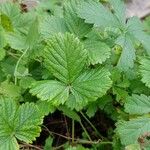
Drymocallis rupestris
Rock Cinquefoil · Siberian-tea · Prairie-tea
Description
Source: leafsnapDrymocallis rupestris, the rock cinquefoil, is a small plant of Eurasia.
Care Guide
💧 Water
Rock cinquefoil is perfect for rocky terrains, as it thrives in well-drained, drought-tolerant conditions. It requires only weekly watering, as it efficiently uses limited water resources. This plant is ideal for outdoor settings and can often rely solely on natural rainfall, making it a low-maintenance choice for rock gardens or arid landscapes.
How should I water my Rock cinquefoil plant?
To properly water the Rock cinquefoil, it is important to use filtered water at room temperature. Tap water should be avoided due to potential harmful particles. The Rock cinquefoil prefers warm water as it is native to a warm environment and cold water can be a shock. Overhead watering should be avoided to prevent foliage issues. Instead, pour filtered room temperature water onto the soil until it is completely soaked. This helps moisten the roots and encourages nutrient absorption.
What can I do if I give my Rock cinquefoil too much or too little water?
Rock cinquefoil can be harmed by both overwatering and underwatering, but overwatering is more common. Too much water causes wilting, yellowing leaves, and can lead to diseases like root rot, mold, and mildew. Underwatering is less likely, as this plant can tolerate drought, but it can still happen and shows as brittle, brown leaves. It's important to recognize signs of overwatering early, as some diseases are irreversible if not addressed promptly. Reduce watering if you see early signs, and check if the soil drains well. Replace it with a loose, well-draining mix if it drains poorly. If your plant lacks water, simply water more regularly until signs improve.
How frequently should I water my Rock cinquefoil?
If your Rock cinquefoil is in a pot, the most precise way to determine if it needs water is to check the soil by dipping your finger in it. If the top two to three inches of soil feel dry, it's time to water it. If you grow your Rock cinquefoil outdoors in the ground, you can use a similar method to test the soil. Again, if the top few inches of soil are dry, it's time to water it. Typically, during spring and early fall, you'll need to water this plant about once a week using this method. During extremely hot weather, you may need to increase watering to about twice or more per week. However, mature and well-established Rock cinquefoil plants can endure drought quite well.
How much water does my Rock cinquefoil plant need?
When watering your Rock cinquefoil, don't hesitate to give it a generous amount of water. Make sure the first two to three inches of soil are dry before watering. It's best to thoroughly soak the soil, allowing excess water to drain out through the bottom of the pot. If there's no excess water draining, it means you haven't watered enough. However, be careful not to let water accumulate in the soil, as it can be harmful to the plant. On the other hand, if water doesn't drain through the pot, it might indicate poorly draining soil, which is not good for the plant's health. If the plant is outdoors, it typically needs about 1 inch of rain per week.
How do I water my Rock cinquefoil as it grows?
The water needs of the Rock cinquefoil change depending on its growth stages. When it is in the early years or has just been transplanted, it requires more water. During these stages, the plant focuses on developing new roots for future growth, which require extra moisture. As the Rock cinquefoil matures, it will need less water. Additionally, during the bloom period, when the plant is producing flowers, it may need more water to support the development of the blooms.
☀️ Light Full sun
Rock cinquefoil requires a generous amount of sunlight during the day for optimal growth, reflecting its natural environment where sun is plentiful. It can tolerate conditions with somewhat filtered light. Excessive or insufficient sunlight can adversely affect its health.
What are the sunlight requirements for Rock Cinquefoil?
Rock Cinquefoil (Drymocallis rupestris) thrives in environments where it can receive a generous amount of sunlight, similar to its natural habitat that boasts copious sun exposure. It requires full sun, defined as above 6 hours of sunlight daily, but can also grow under partial sun, with about 3-6 hours of sunlight. Notably, while the plant is tolerant to somewhat filtered sunlight conditions, both overexposure and underexposure to sunlight can have adverse effects on its health. It’s essential to monitor your garden's sunlight patterns to choose locations that offer a suitable balance of light and shade, ensuring the well-being of your plants.
How should artificial lighting be used for Rock Cinquefoil?
When natural sunlight is insufficient, especially during winter or in areas that receive less sunlight, artificial lighting becomes a crucial factor in maintaining the health of indoor Rock Cinquefoil plants. Adequate artificial lighting supports optimal growth, where LED lights are often recommended due to their ability to offer the specific wavelengths needed by plants. Full sun plants require 30-50W/sq ft of artificial light, partial sun plants need 20-30W/sq ft, and full shade plants should have 10-20W/sq ft. Place the artificial light source 12-36 inches above the plant to mimic the conditions of natural sunlight and ensure it's on for 8-12 hours a day to simulate natural daylight hours for the species.
What are the symptoms of improper sunlight exposure in Rock Cinquefoil?
Symptoms of improper sunlight exposure in Rock Cinquefoil include the growth of smaller than usual leaves, leggy or sparse growth leading to a plant that looks thin and stretched, faster leaf drop as a resource conservation measure, slower or halted new growth indicating the plant is in survival mode, lighter-colored new leaves suggesting chlorophyll and nutrient deficiency, and chlorosis where leaves lose their green hue and turn yellow. Additionally, excessive sunlight exposure can cause sunscald, which damages plant tissue, leaf curling as a protective measure against water loss, wilting due to increased transpiration, and leaf scorching, characterized by brown, dry leaf edges. These symptoms highlight the importance of providing the right balance of sunlight.
What solutions are available for addressing sunlight-related issues in Rock Cinquefoil?
To address sunlight-related issues in Rock Cinquefoil, indoor solutions include gradually moving plants to sunnier locations until they receive at least 6 hours of direct sunlight daily, using a south-facing window for maximum exposure, or providing additional light using artificial sources like desk or ceiling lamps for at least 8 hours daily. Outdoors, plants should be moved to optimal sunlight spots gradually to prevent sunburn. Pruning obstructions like trees can allow more sunlight to reach the plants. For smaller plants, consider transplanting during their dormant period (late winter or early spring) to a location with ample sunlight and good drainage. It is important to note that while parts of the plant affected by past insufficient sunlight may not recover, new growth should be healthy after adjusting light exposure.
🌡️ Temperature 5–32.2°C
Rock cinquefoil can tolerate a wide range of temperatures, but its distribution may still be restricted by different combinations of moisture and heat. It performs best in warm summer climates with sufficient rainfall or watering. Extended periods of cloudy, rainy weather or prolonged high temperatures increase the chance of Rock cinquefoil dying. In winter, adequate protection from the cold can improve the plant’s survival.
💨 Humidity
🪴 Soil 5-7
🌱 Fertilizer
The best time to fertilize a Rock cinquefoil is in early spring, as it comes out of dormancy and begins active growth. Fertilization supplies essential nutrients needed for healthy growth. Although Rock cinquefoil requires relatively little fertilizer, giving it an annual application can improve its survival and encourage better, longer-lasting flowers.
🪴 Pot & Repot
✂️ Pruning
To encourage dense growth and vibrant blooms, it's beneficial to prune rock cinquefoil annually in early to late spring. Begin by removing any dead stems to improve air circulation. Next, trim back overgrown branches and eliminate suckers to maintain the plant's shape. Pruning in the spring also aids the plant in healing and promotes strong growth for the upcoming season.
🌿 Propagating
🐛 Diseases & pets
☠️ Toxicity
Characteristics
- Plant Type
- Herb
- Life Cycle
- Perennial
- Genus
- Drymocallis
- Family
- Rosaceae
- Hardiness Zone
- 4-8
- Mature Height
- 30 cm to 61 cm
- Mature Spread
- 15 cm
- Leaf Color
- Dark Green, Forest Green
- Leaf Type
- Deciduous
- Flower Color
- White, Yellow
- Flower Size
- 1.52 cm to 2.03 cm
- Bloom Time
- Late spring, Early summer, Mid summer
- Planting Time
- Spring
- Harvest Time
- Mid summer, Late summer, Early fall
- Native Area
- Turkey, Sweden, Austria, Czech Republic, Slovakia, Montenegro, Bulgaria, Armenia, Poland, Greece, Croatia, Slovenia, Morocco, Belarus, Serbia, Russia, China, Norway, Hungary, Germany, Italy, Spain, Switzerland, France, Albania, Azerbaijan, United Kingdom, Romania, Belgium, Portugal