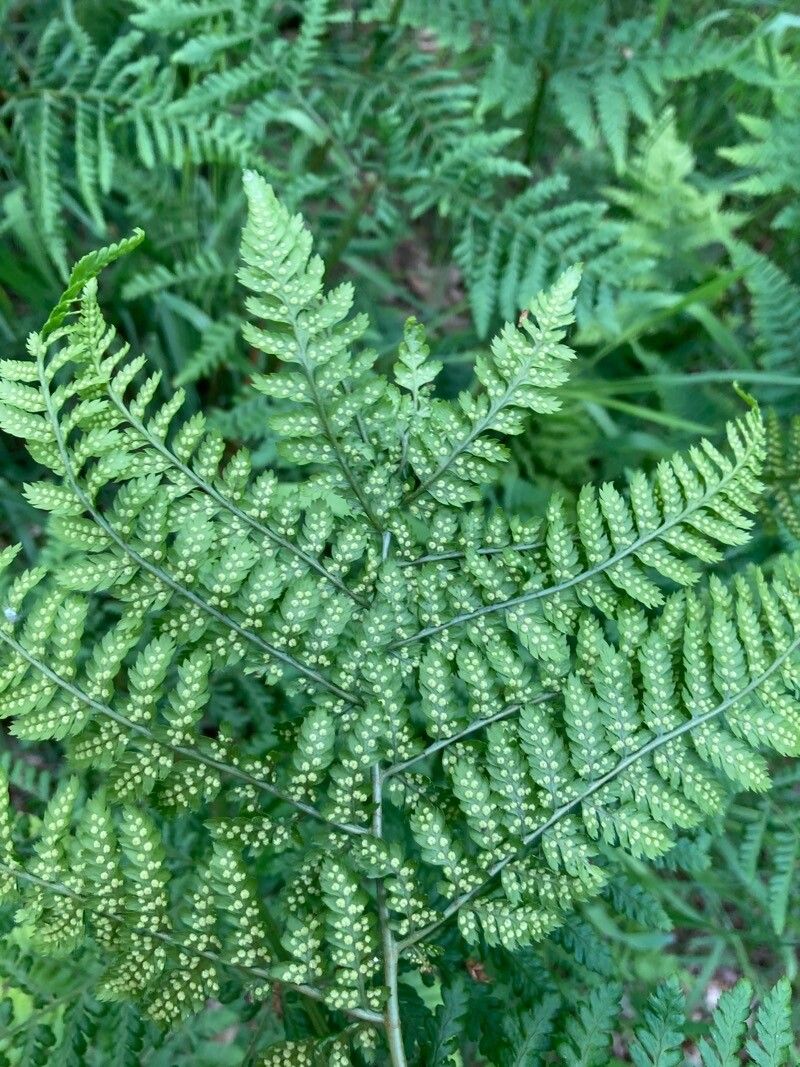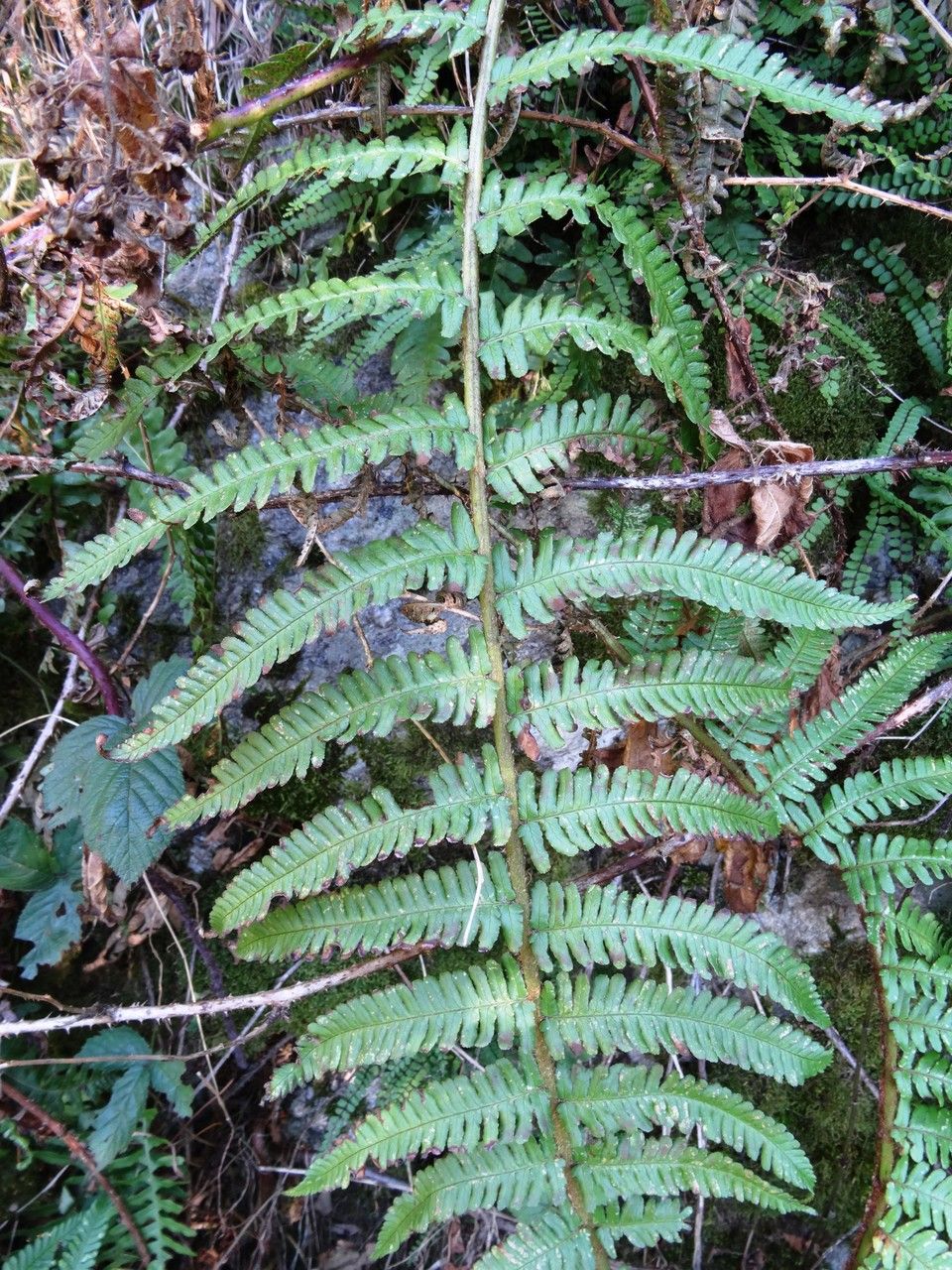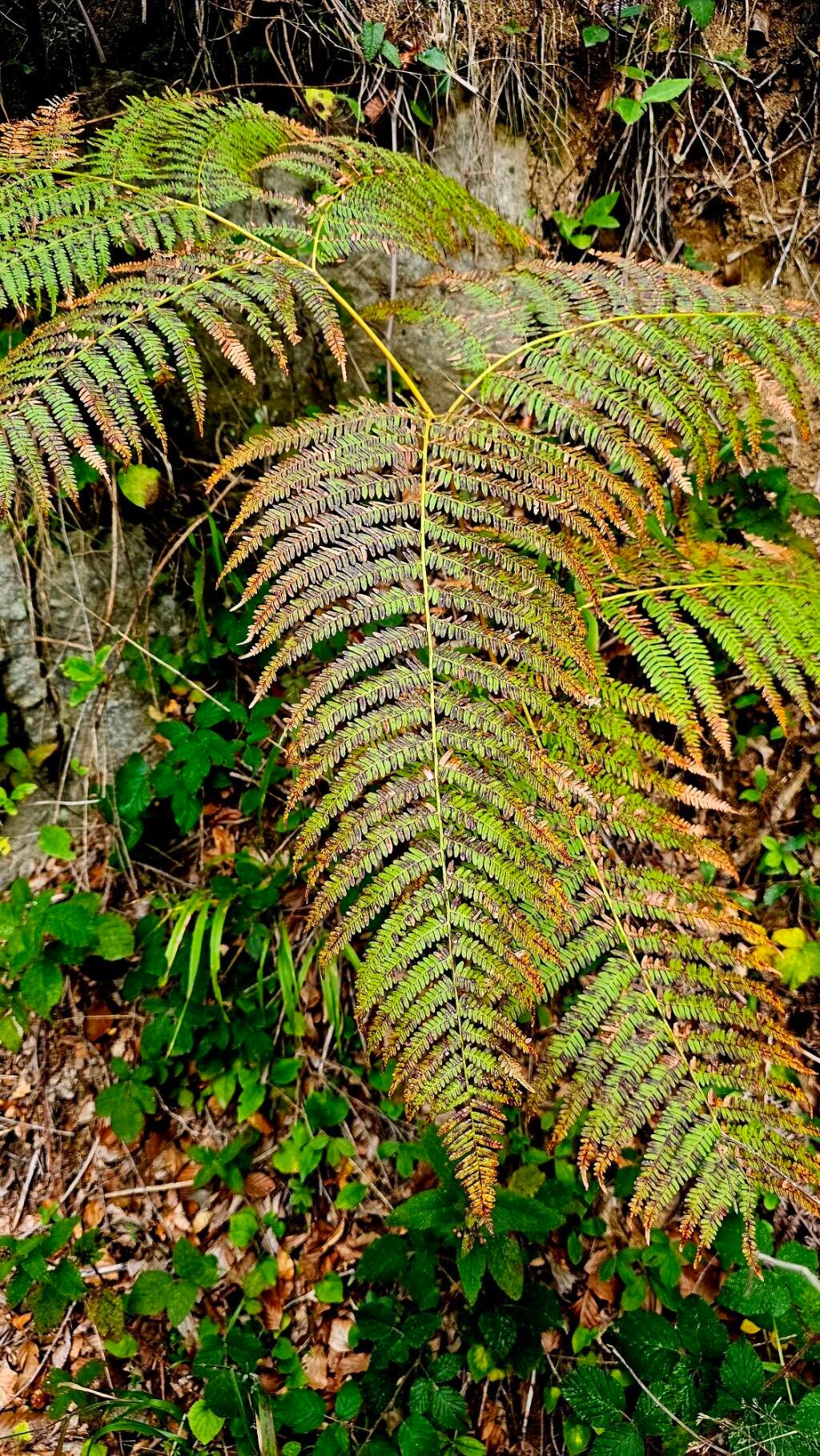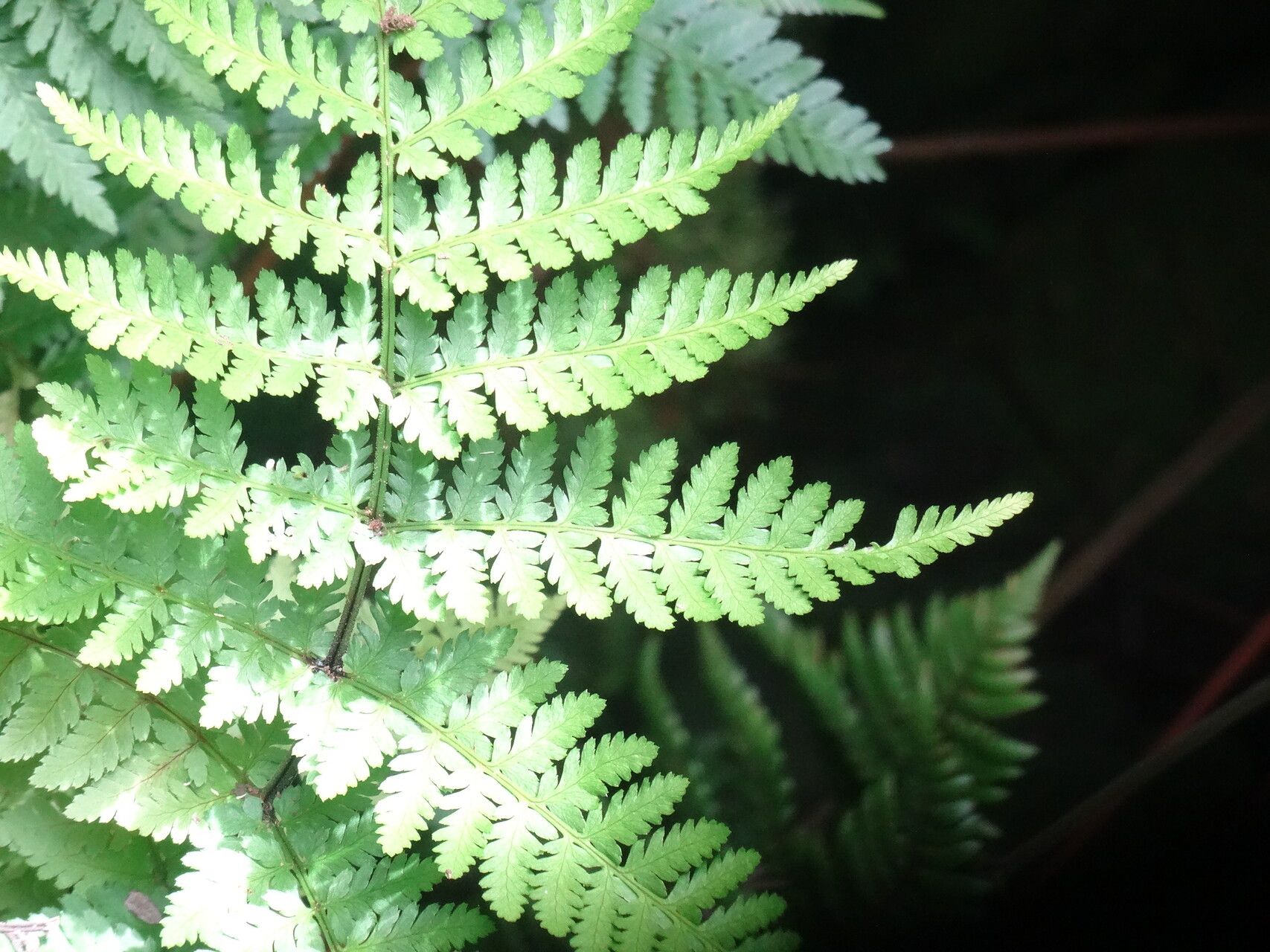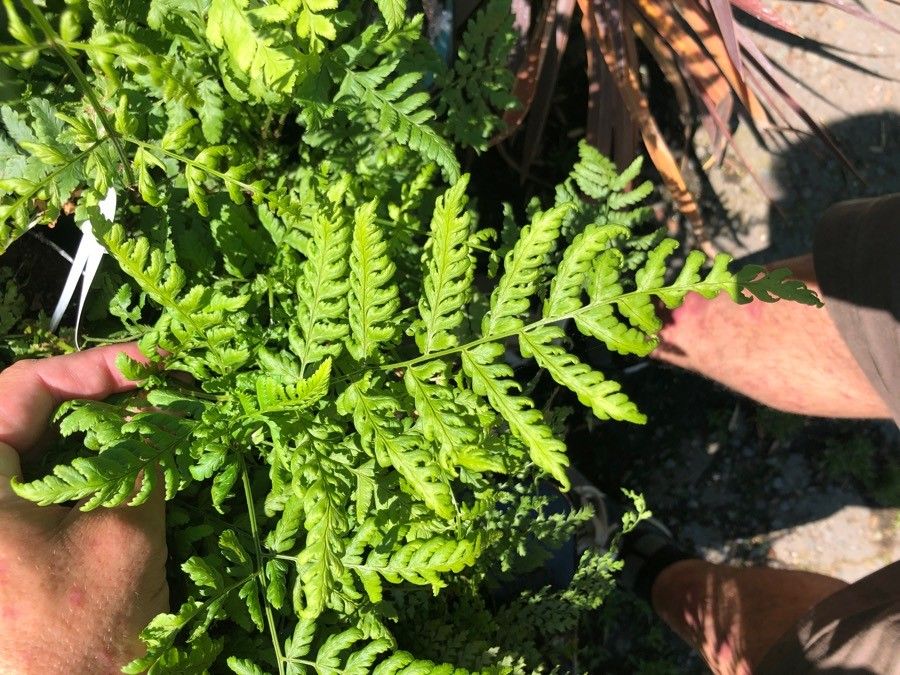
Dryopteris campyloptera, also known as the mountain wood fern, is a large American fern of higher elevations and latitudes. It was formerly known as Dryopteris spinulosa var. americana. This species also has been mistakenly referred to as D. austriaca and D. dilatata. A distinctive feature of this fern is that the bottom innermost pinnule on the basal pinnae spans approximately the first two top innermost pinnules on the same pinnae. This fern is a tetraploid species of hybrid origin, the parents being Dryopteris intermedia and Dryopteris expansa. Phenotypologically, the fern greatly resembles the second parent. In West Virginia, this species may only be found above 3800 feet elevation, but is a part of the normal flora in northern New England.
Mountain wood fern has good disease resistance and is generally not prone to illnesses. However, it can be vulnerable to pests and diseases present in its surroundings, though these problems are usually mild. In terms of care, this plant needs moderate maintenance and should be pruned regularly to maintain a good appearance and healthy growth. Fertilizing can also help encourage flowering. Mountain wood fern is suitable for anyone with outdoor space, such as a garden or patio, and does not require extensive care experience. It may need more attention when grown indoors.
How to keep Dryopteris Austriaca.
Light
Mountain wood fern thrives in settings such as forest understories or rocky regions, offering natural shade. It is best suited to Full Shade but can withstand Partial Sun.
Temperature
Mountain wood fern possesses the capacity to adjust to a diverse range of temperature situations, however, the confluence of varying water and heat conditions may still restrict its dispersal. It prospers optimally in temperate climates during the summer provided there's sufficient rain or hydration. Extended spans of overcast and damp weather, in addition to extended high temperatures, can enhance the chance of Mountain wood fern's demise. During the winter, appropriate safeguards against the cold can elevate the plant's rate of survival.
Fertilizer
Typically, a one-time application of fertilizer in the spring is all that is needed for Mountain wood fern, but applying it multiple times could lead to optimal growth. Apply it every one to one and a half months. The fertilization process not only improves the look and function of the foliage, ensuring a constant color and maintaining a good texture, but also encourages the roots to grow and absorb nutrients, contributing to the overall wellbeing of the plant in the long run.
Botanical profile.
- Plant Type
- Herb
- Life Cycle
- Perennial
- Genus
- Dryopteris
- Family
- Dryopteridaceae
- Hardiness Zone
- 3-7
- Mature Height
- 30 cm to 91 cm
- Mature Spread
- 30 cm to 61 cm
- Leaf Color
- Green, Dark Green
- Leaf Type
- Deciduous
- Planting Time
- Spring, Summer, Autumn