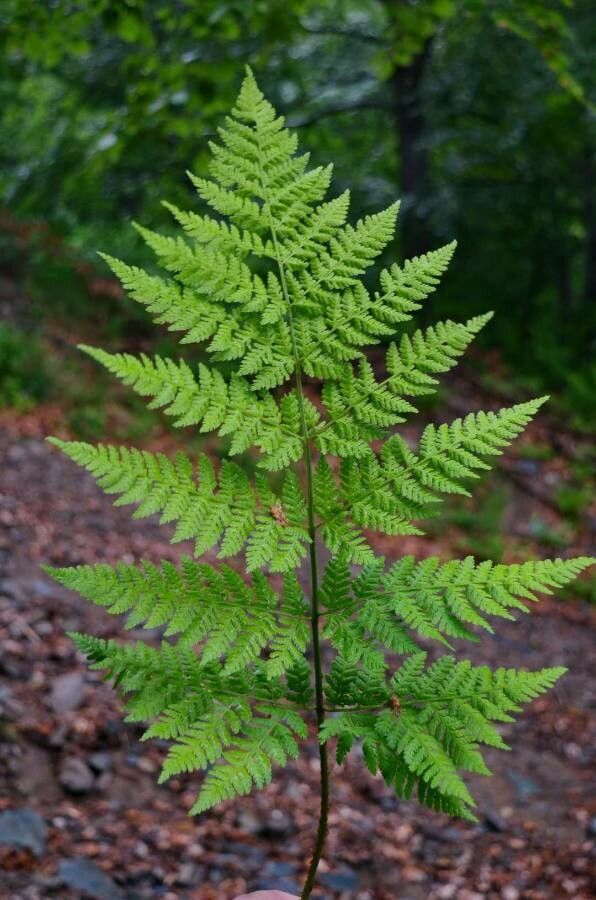
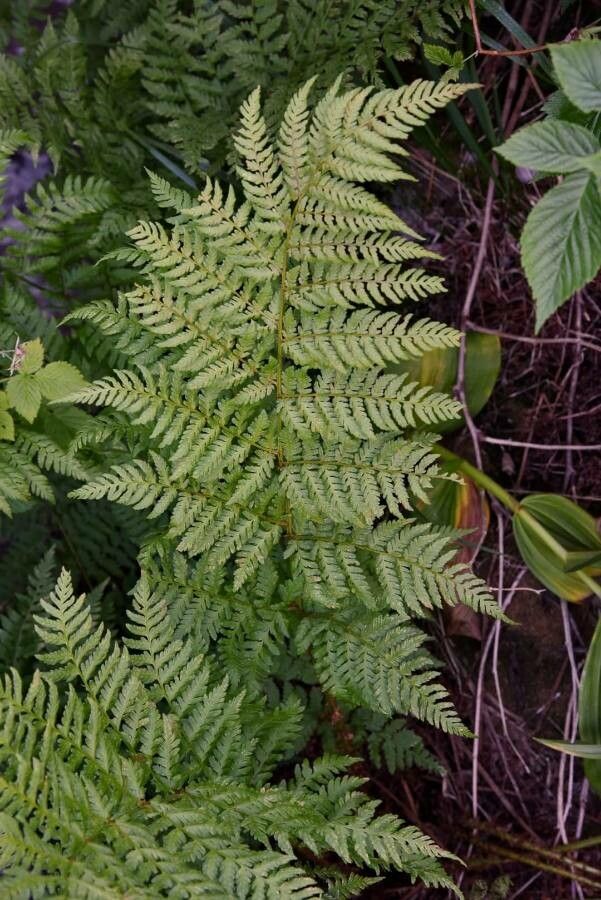
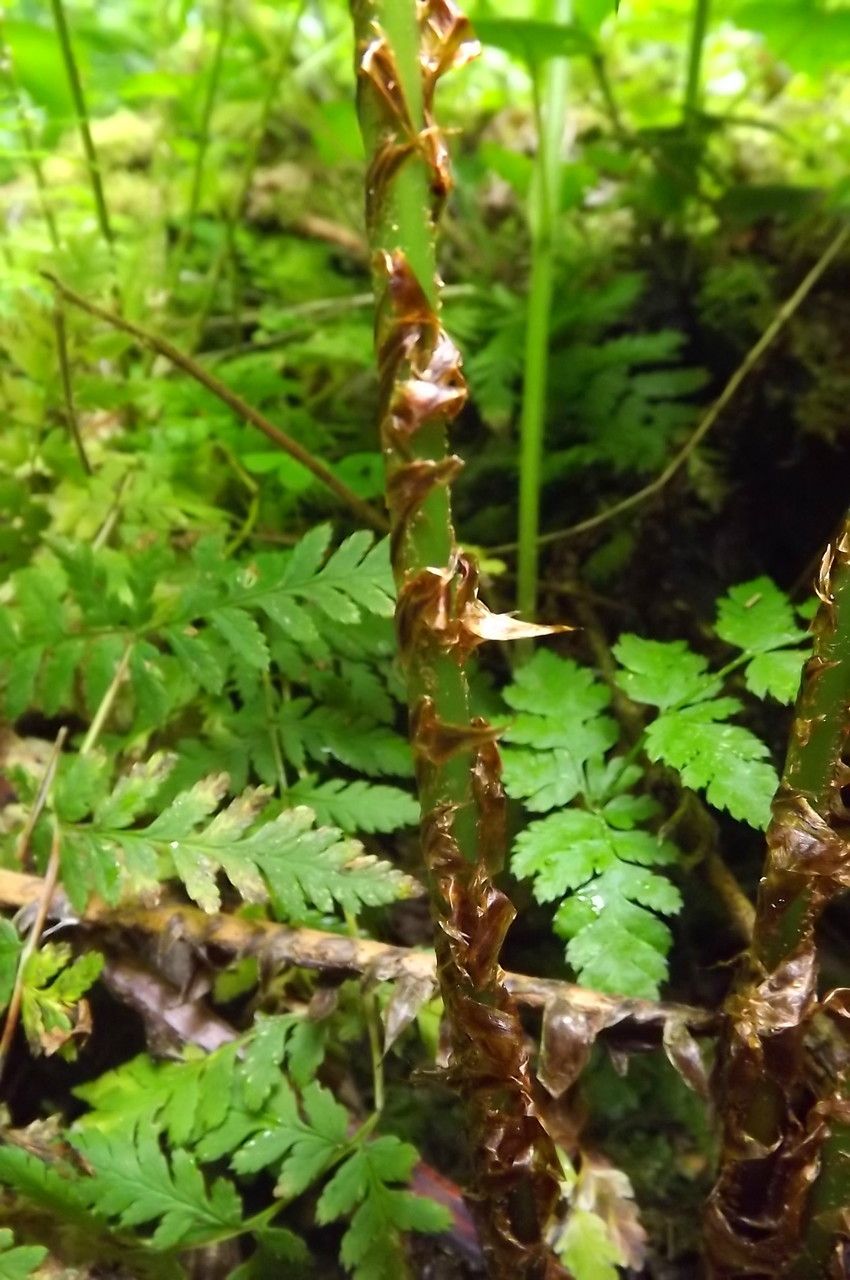
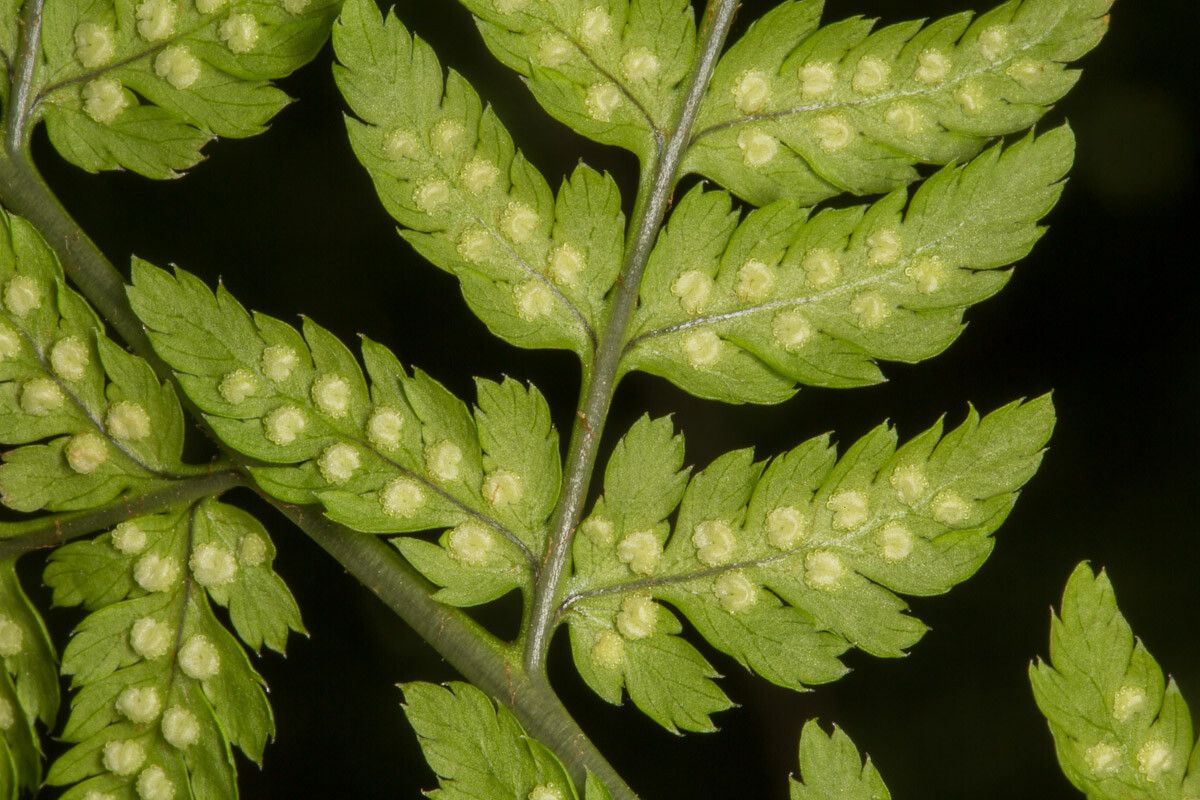
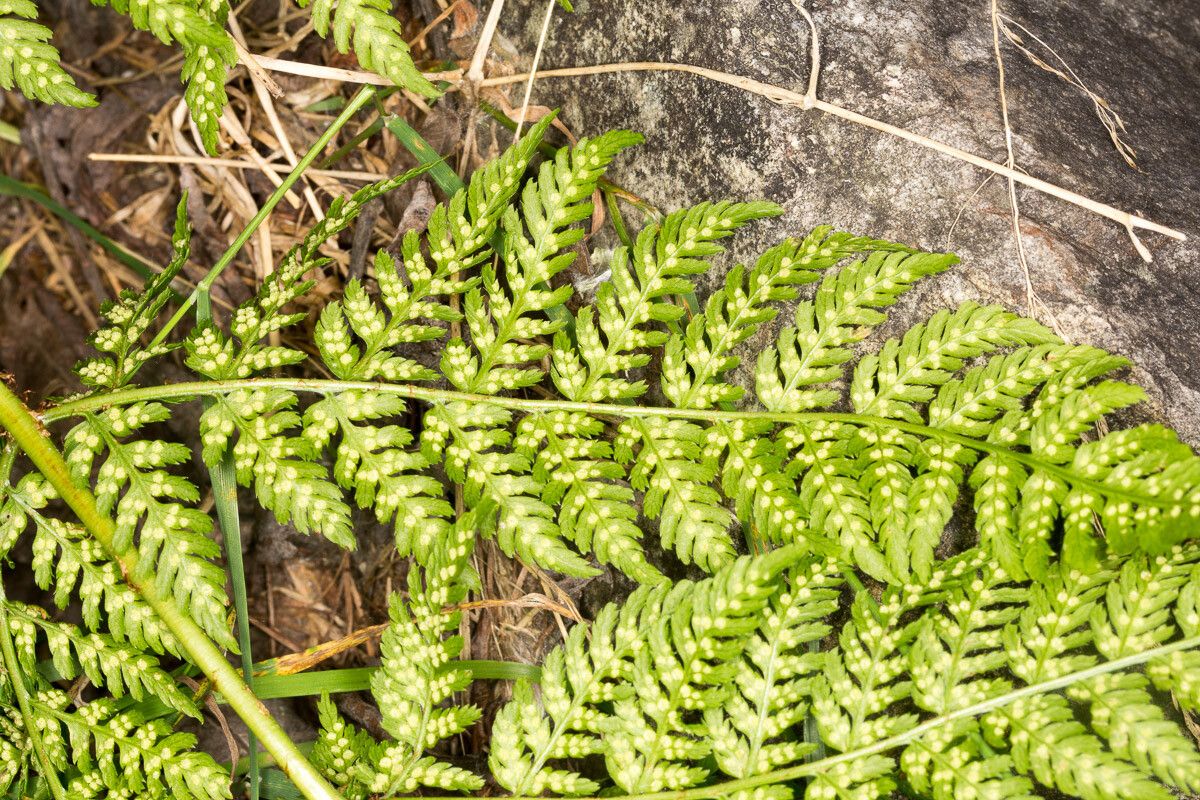
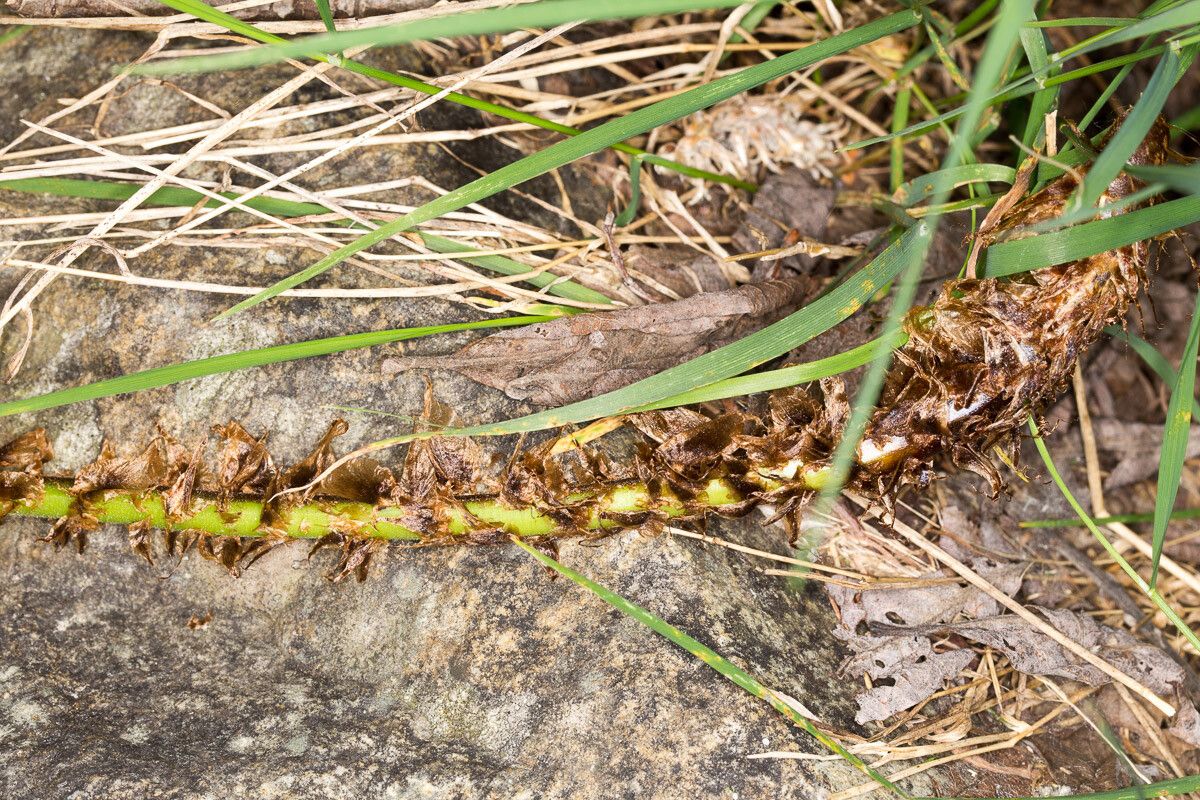
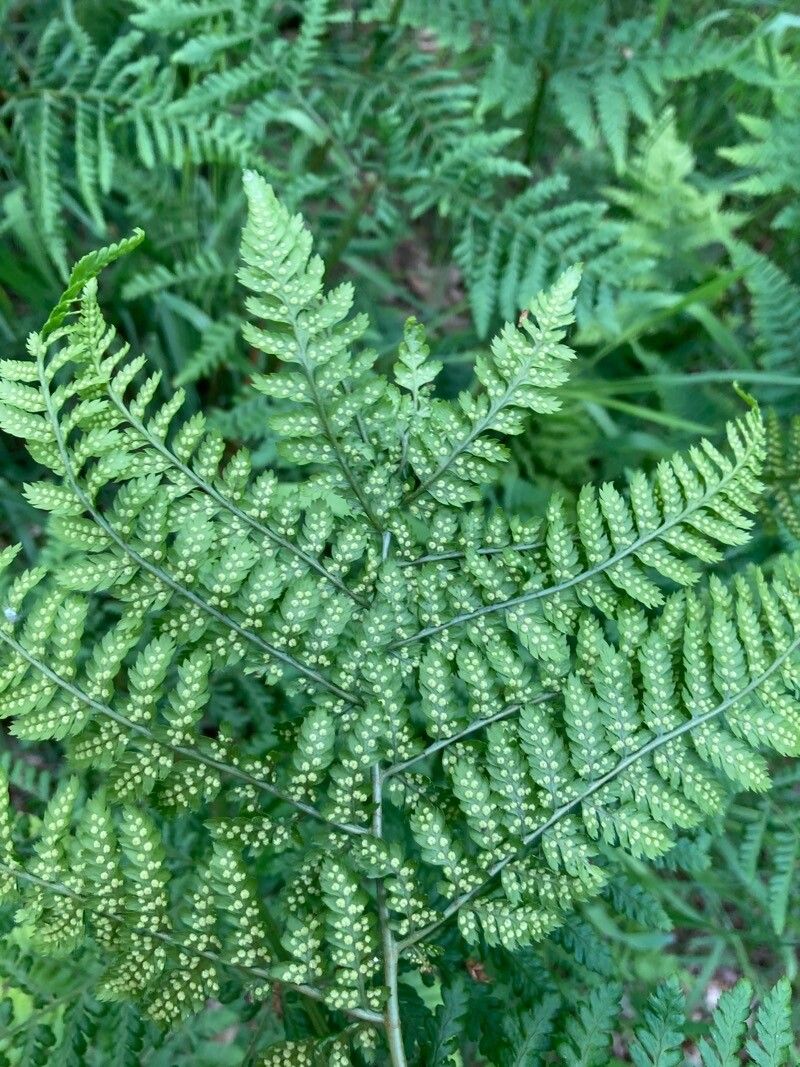
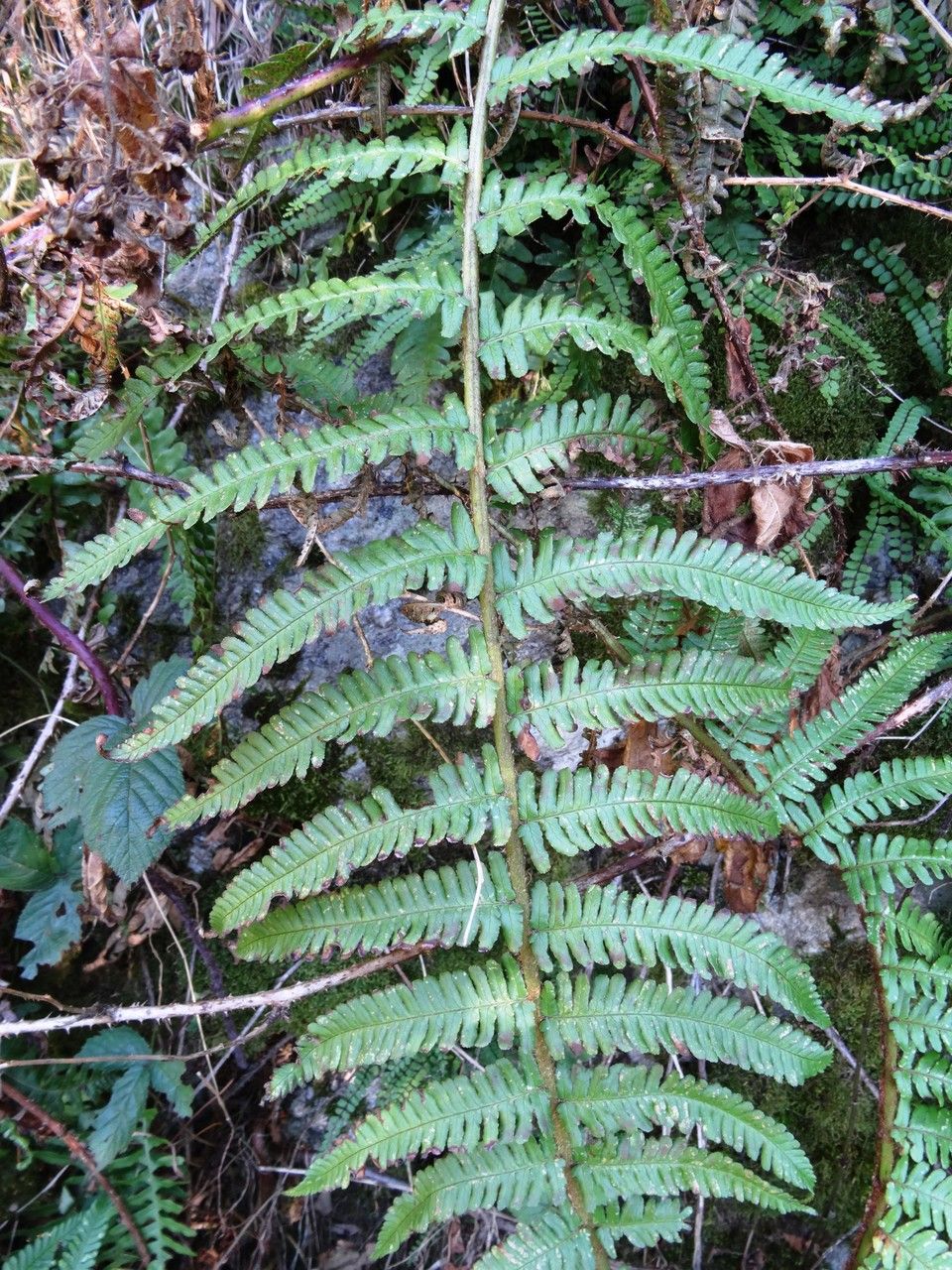
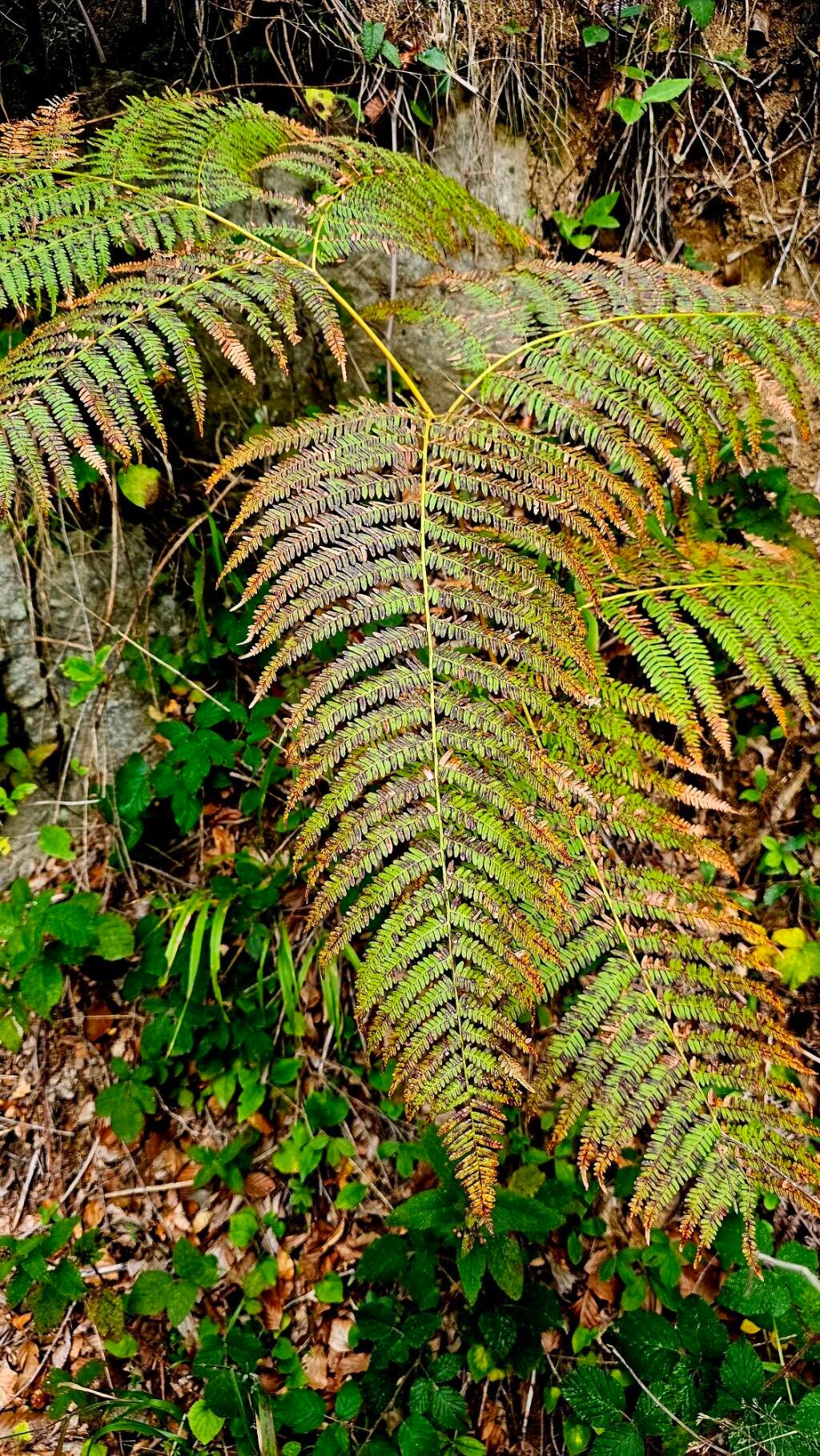
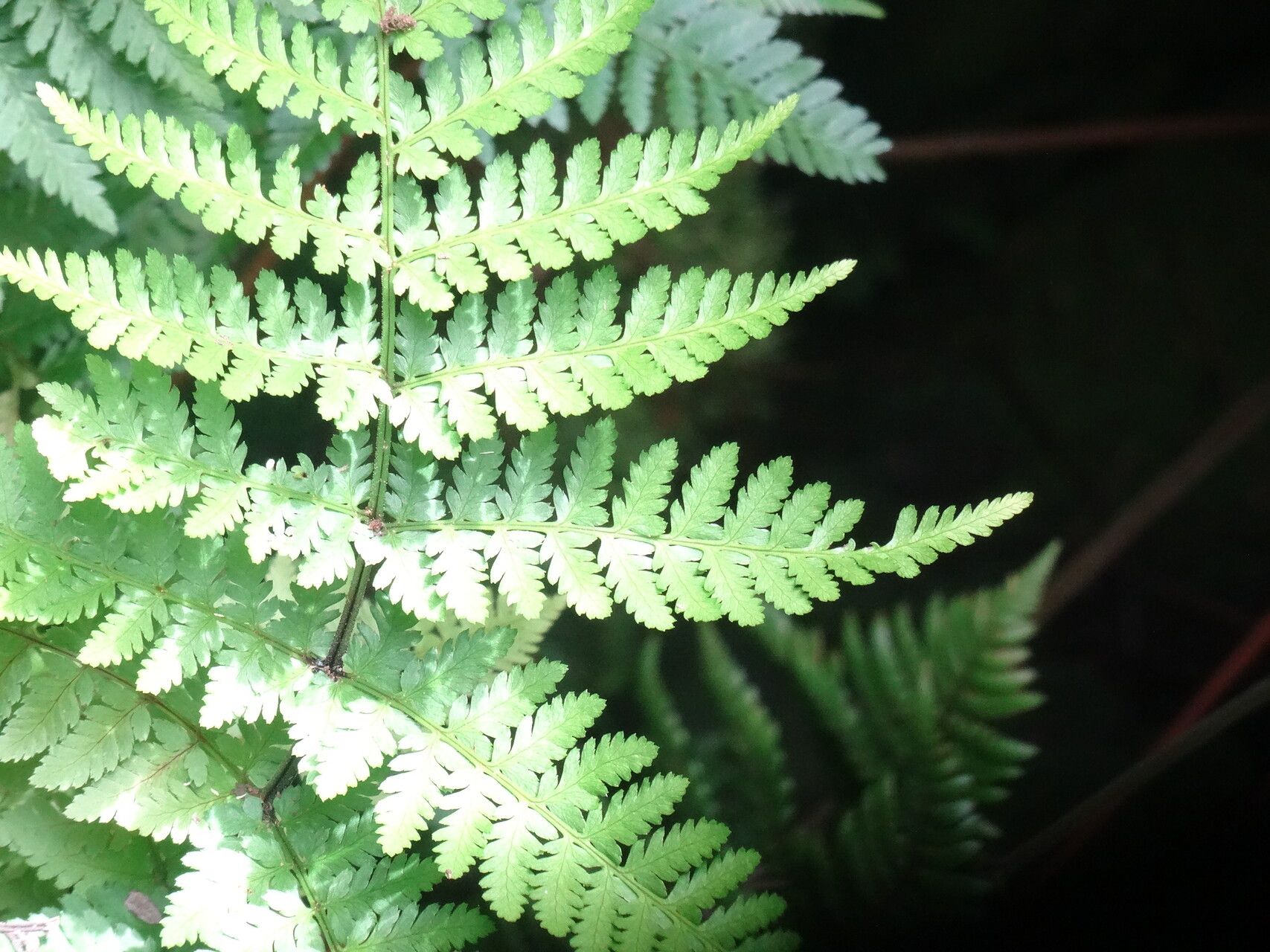
Dryopteris expansa, the alpine buckler fern, northern buckler-fern or spreading wood fern, is a species of fern native to cool temperate and subarctic regions of the Northern Hemisphere, south at high altitudes in mountains to Spain and Greece in southern Europe, to Japan in eastern Asia, and to central California in North America. The species was first described from Germany. It prefers cool, moist mixed or evergreen forests and rock crevices on alpine slopes, often growing on rotting logs and tree stumps and rocky slopes. It is characteristically riparian in nature, and is especially associated with stream banks.
The spreading woodfern is quite resistant to disease and usually not prone to illnesses. That said, it can be affected by pests and diseases present in its environment. These problems are typically not serious. As for care, this plant requires moderate maintenance. It should be pruned regularly to keep a neat appearance and encourage healthy growth. Fertilizing can also aid in promoting flowering. The spreading woodfern is well suited to anyone with outdoor space, such as a garden or patio, and does not need extensive experience in plant care. It may demand more attention if grown indoors.
How to keep Dryopteris Expansa.
Light
The Spreading woodfern, spreading woodfern, usually fares better in locations with a moderate amount of sun. Its growth is best in spots that are not continuously exposed to sunlight but are instead kept partly shaded. Excessive exposure can impede its growth, yet it is hardy enough to survive with only minimal light. Its habitat traditionally offered those light conditions.
Water
Spreading woodfern thrives in consistently moist and humid environments, needing weekly watering to stay healthy. As an understory plant, it prefers moderate light and benefits from occasional misting, which increases humidity. This practice helps maintain its lush foliage and mimics the conditions of its natural woodland habitat.
Temperature
The spreading woodfern is suited to moderate climates and does best at temperatures of 68 to 95 °F (20 to 35 °C). Its natural habitat indicates it can handle small temperature variations, but major swings should be avoided to maintain healthier growth.
Fertilizer
One application of fertilizer in spring is typically enough for Spreading woodfern, though repeated feedings can maximize growth. Apply fertilizer at intervals of about one to one and a half months. Fertilizing improves the leaves' appearance and function, helping maintain even color and a healthy texture. It also promotes root development and enhances nutrient uptake to support long-term plant health.
Pruning
The spreading woodfern is a resilient plant known for its arching fronds. To ensure healthy growth and better air circulation, prune any dead or damaged fronds from early to late spring. Regular pruning helps prevent disease and keeps the plant looking its best. Always use clean, sharp tools, and refer to trustworthy sources for care instructions.
Botanical profile.
- Plant Type
- Herb
- Life Cycle
- Perennial, Annual, Biennial
- Genus
- Dryopteris
- Family
- Polypodiaceae
- Hardiness Zone
- 3-7
- Mature Height
- 30 cm to 91 cm
- Mature Spread
- 30 cm to 61 cm
- Leaf Color
- Green
- Leaf Type
- Deciduous
- Flower Color
- White
- Bloom Time
- Summer
- Planting Time
- Spring, Summer
- Native Area
- Turkey, Sweden, Austria, Slovakia, Montenegro, Slovenia, Croatia, Belarus, Russia, Germany, Iceland, Estonia, Koppen, South Korea, Latvia, Romania, Belgium, Portugal, Netherlands, France, Czech Republic, Bulgaria, Poland, Greece, Ukraine, Serbia, China, Lithuania, Norway, Italy, Spain, Switzerland, Denmark, Japan, Mongolia, Finland, Albania, United Kingdom, Hungary
Other names.
Reader questions.
How should I water my Spreading woodfern?
To ensure the health of the Spreading woodfern, it is best to use filtered water at room temperature for watering. Tap water may contain harmful particles, so filtering is recommended. The plant should be watered with room temperature or slightly warmer water because it is used to a warm environment and cold water can shock it. Overhead watering should be avoided as it can cause problems with the foliage. Instead, water the plant by pouring filtered room temperature water directly onto the soil until it is thoroughly soaked. This will benefit the plant by keeping the roots moist and allowing them to spread and absorb nutrients from the soil.
Why should I add fertilizer to my Spreading woodfern?
The main structure of the Spreading woodfern is made up of its leaves. Fertilizing is important for maintaining the appearance and function of these leaves. Proper fertilization can help the leaves maintain a consistent color and healthy texture. Fertilization also has benefits below the soil's surface, such as promoting the growth of new roots and maintaining the existing ones. This not only keeps the plant healthy in the present, but also improves its ability to absorb nutrients from the soil in the future.
What are the sunlight requirements for Spreading woodfern?
Spreading woodfern thrives in conditions that offer moderate exposure to sunlight. It requires a habitat that provides a balanced amount of light and shade, with optimal growth in areas not constantly bombarded by direct sun rays. However, it's resilient enough to grow with minimal sunlight. The plant benefits from about 3-6 hours of sunlight for partial sun conditions and less than 3 hours of sunlight for full shade. Remember, observing the movement of sunlight through your garden helps in choosing the best spots for your plants, ensuring they receive the light they need without being overexposed.
What are the optimal growing conditions for Spreading Woodfern?
Spreading woodfern thrives optimally in moderate climates, with ideal temperatures ranging between 68 to 95 °F (20 to 35 °C). It is accustomed to its native habitat conditions, which implies it can handle slight temperature fluctuations. However, drastic temperature changes should be avoided to ensure healthier growth. Additionally, the spreading woodfern is highly cold-tolerant, eliminating the need for additional frost protection measures. To prepare for winter, it is advisable to water the plant generously before the first freeze in autumn, ensuring the soil remains moist and enters a frozen state, which helps prevent drought and water scarcity during winter and early spring.
What do I do if I give my Spreading woodfern too much or too little water?
Overwatering can harm your Spreading woodfern, causing wilting, yellowing, and diseases like root rot, mold, and mildew. This is a common issue. On the other hand, underwatering is less common because the plant can tolerate drought. Signs of underwatering include brittle, brown leaves. It's important to recognize signs of overwatering early to prevent irreversible damage. Reduce watering if you notice such signs and check the soil's drainage. Replace poorly draining soil with a well-draining potting mix. If your plant lacks water, increase watering until signs of dryness disappear.
When should I fertilize my Spreading woodfern?
Growing your Spreading woodfern outdoors each year will result in new growth appearing in early spring. This is a signal to start fertilizing. While a single application of fertilizer in spring is usually sufficient, you can enhance the growth of your Spreading woodfern by feeding it multiple times throughout spring and early summer. If you opt for this approach, feed your Spreading woodfern once every month to a month and a half.
Can artificial lighting be used for Spreading woodfern, and how?
Yes, artificial lighting can be used for Spreading woodfern, especially when natural sunlight is insufficient, like during winter or in less sunny spaces. For optimal growth indoors, LED lights are recommended as they can provide specific wavelengths of light needed by the plant. The amount of artificial light required varies by sunlight need: full sun plants need 30-50W/sq ft, partial sun plants 20-30W/sq ft, and full shade plants 10-20W/sq ft. The light source should be placed 12-36 inches above the plant to mimic natural sunlight conditions, and plants usually need 8-12 hours of light per day.
How does Spreading Woodfern react to low temperatures?
Spreading woodfern is extremely cold-tolerant, with the ability to withstand winter temperatures down to -35°C. Although it may not show any noticeable changes during the winter even if temperatures dip below this threshold, there can be a decline in sprouting or a complete lack of sprouting during springtime. In the spring, it's recommended to remove any parts of the plant that have failed to sprout to encourage new growth and maintain plant health.
How often should I pour water on my Spreading woodfern?
If you have a potted Spreading woodfern, the best way to tell if it needs water is to stick your finger into the soil. If the top couple inches are dry, it's time to water. The same method can be used if you have your Spreading woodfern planted outdoors. Typically, you'll need to water once a week in the spring and early fall. During extremely hot weather, you may need to water twice a week or more. However, mature Spreading woodferns are pretty good at surviving without much water.
When is the best time to not use fertilizer on my Spreading woodfern?
During late fall and winter, your Spreading woodfern will go into a dormant phase and stop growing. It's important to avoid fertilizing it during this time. In spring and summer, if you choose to fertilize, start reducing the frequency as summer gets closer because the growth rate of the Spreading woodfern will also slow down. It's not recommended to fertilize when the weather is extremely hot or the soil is very dry, as this can put stress on the Spreading woodfern and cause it to die prematurely.
What are some symptoms of light deficiency or overexposure in Spreading woodfern?
When Spreading woodfern does not receive adequate light, symptoms such as smaller new leaves compared to mature ones, leggy or sparse growth, faster leaf drop, slower or halted new growth, and lighter-colored or chlorotic new leaves may appear. Overexposure to sunlight can cause symptoms like sunscald, which appears as pale or necrotic areas on plant tissue, leaf curling as a defense against water loss, wilting due to increased transpiration, and leaf scorching characterized by brown, dry edges on leaves. Both insufficient light and excessive sunlight negatively affect the plant's health and growth.
What should I do if Spreading Woodfern is exposed to high temperatures?
Spreading woodfern is sensitive to high temperatures, particularly above 35°C, at which point its growth will halt and it may become more susceptible to rot. To mitigate damage from high temperatures, sunburned and dried-up parts of the plant should be trimmed away. Relocating the plant to a shaded area or using a shade cloth to protect it from the midday and afternoon sun can also help. Additionally, watering the plant in the morning and evening will help keep the soil moist, further protecting the plant from heat stress.