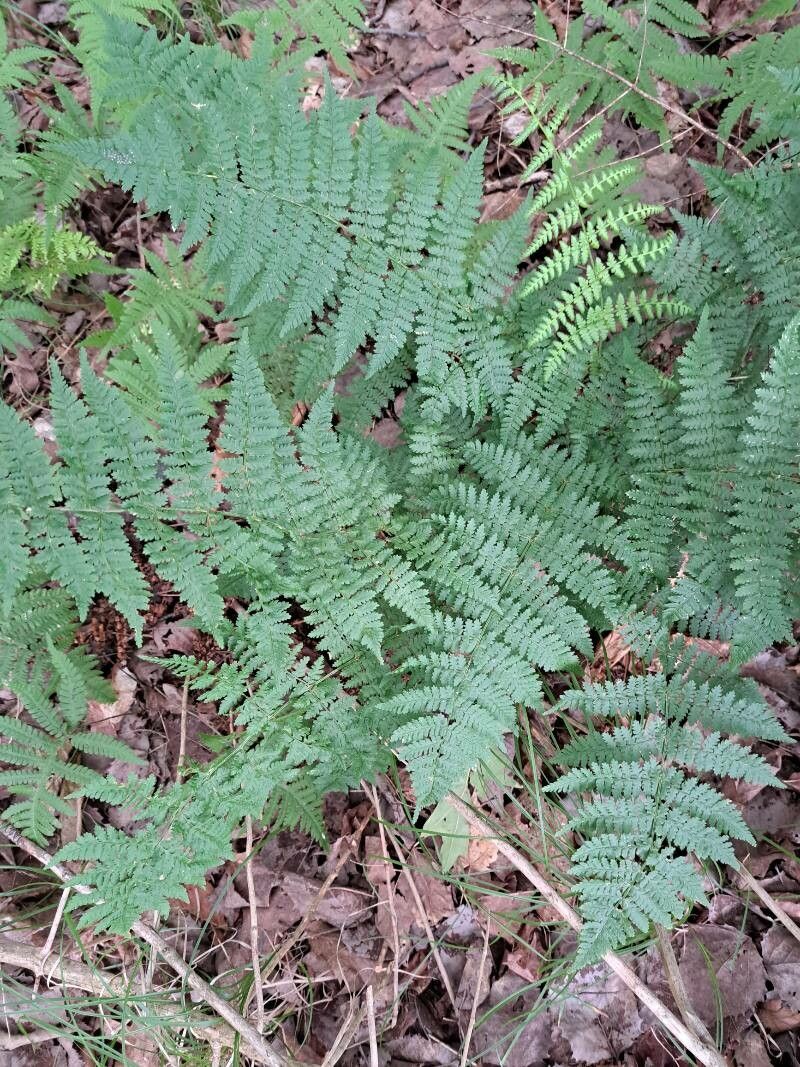
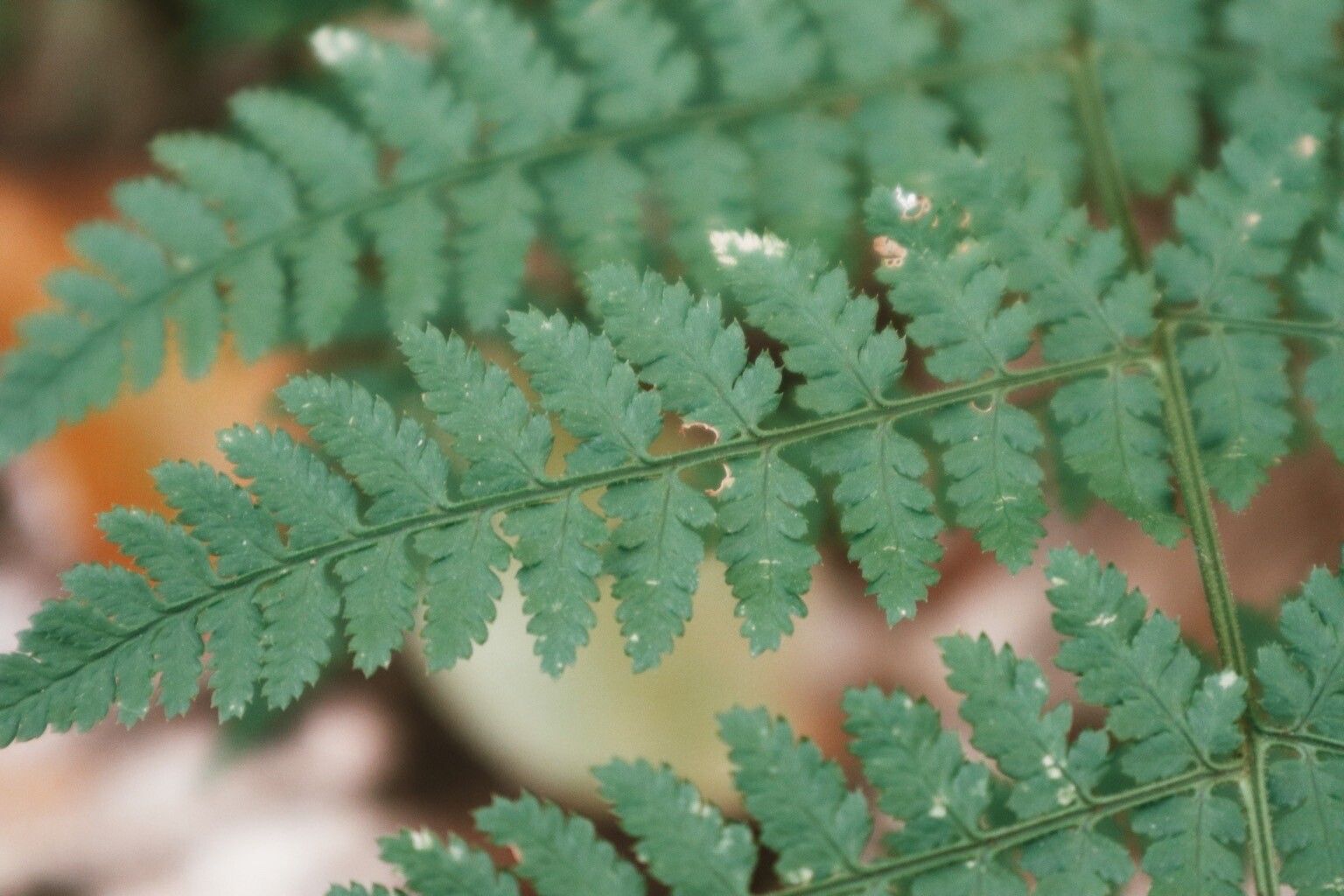
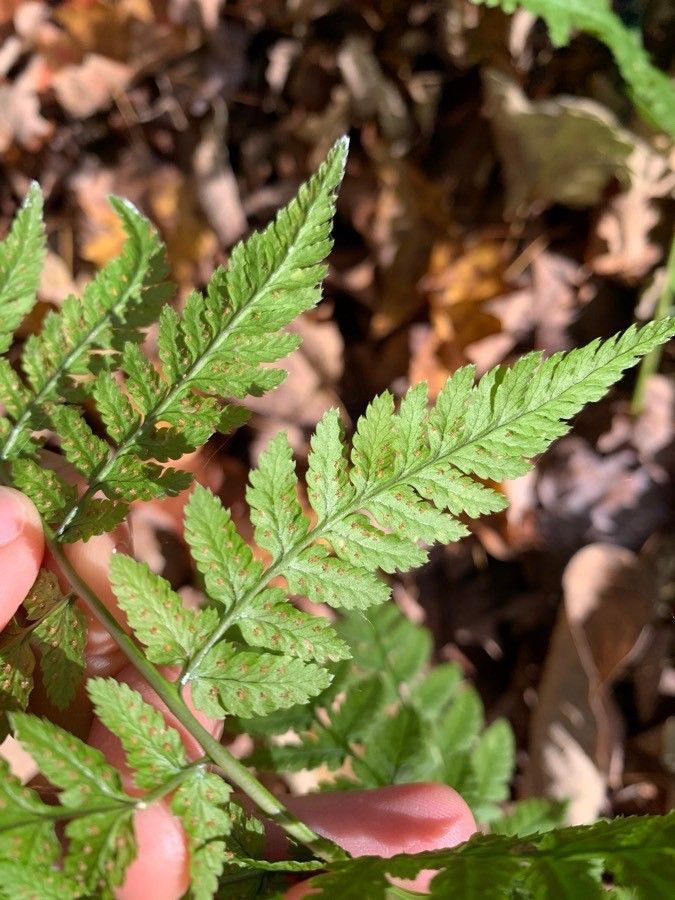
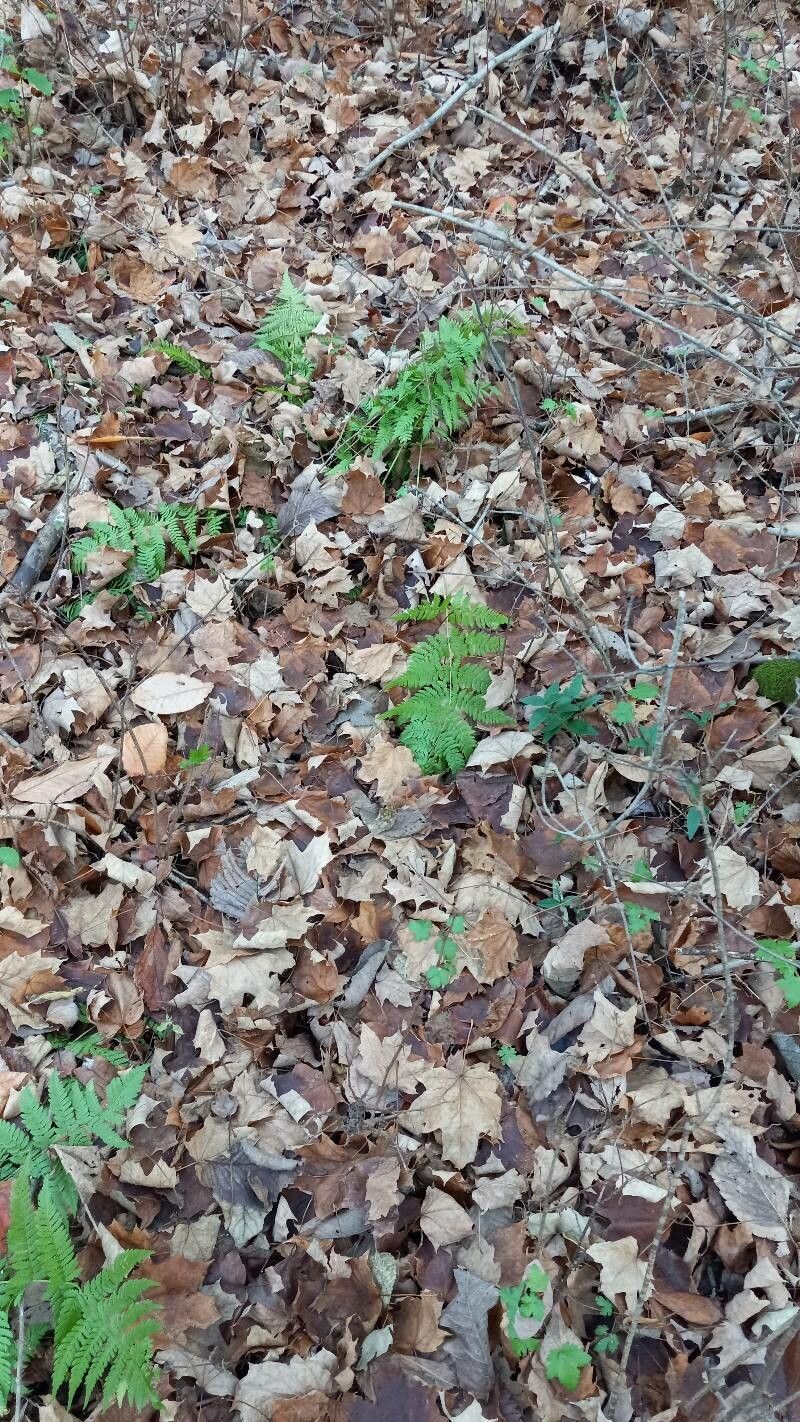
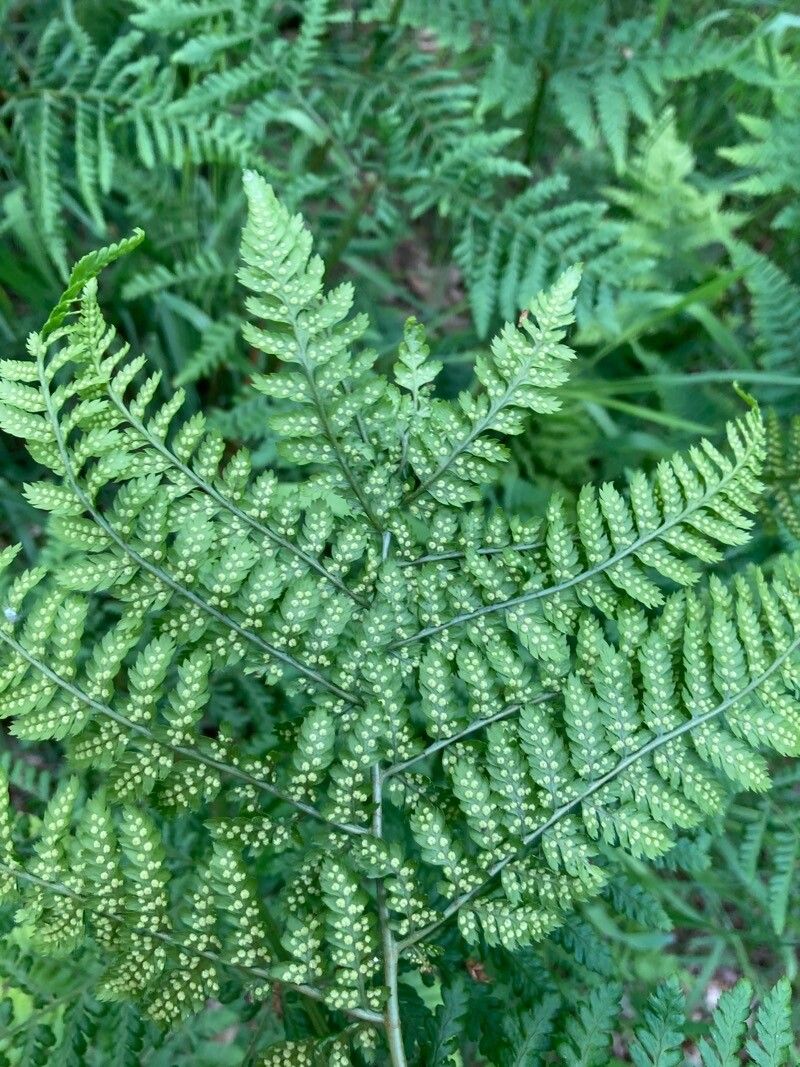
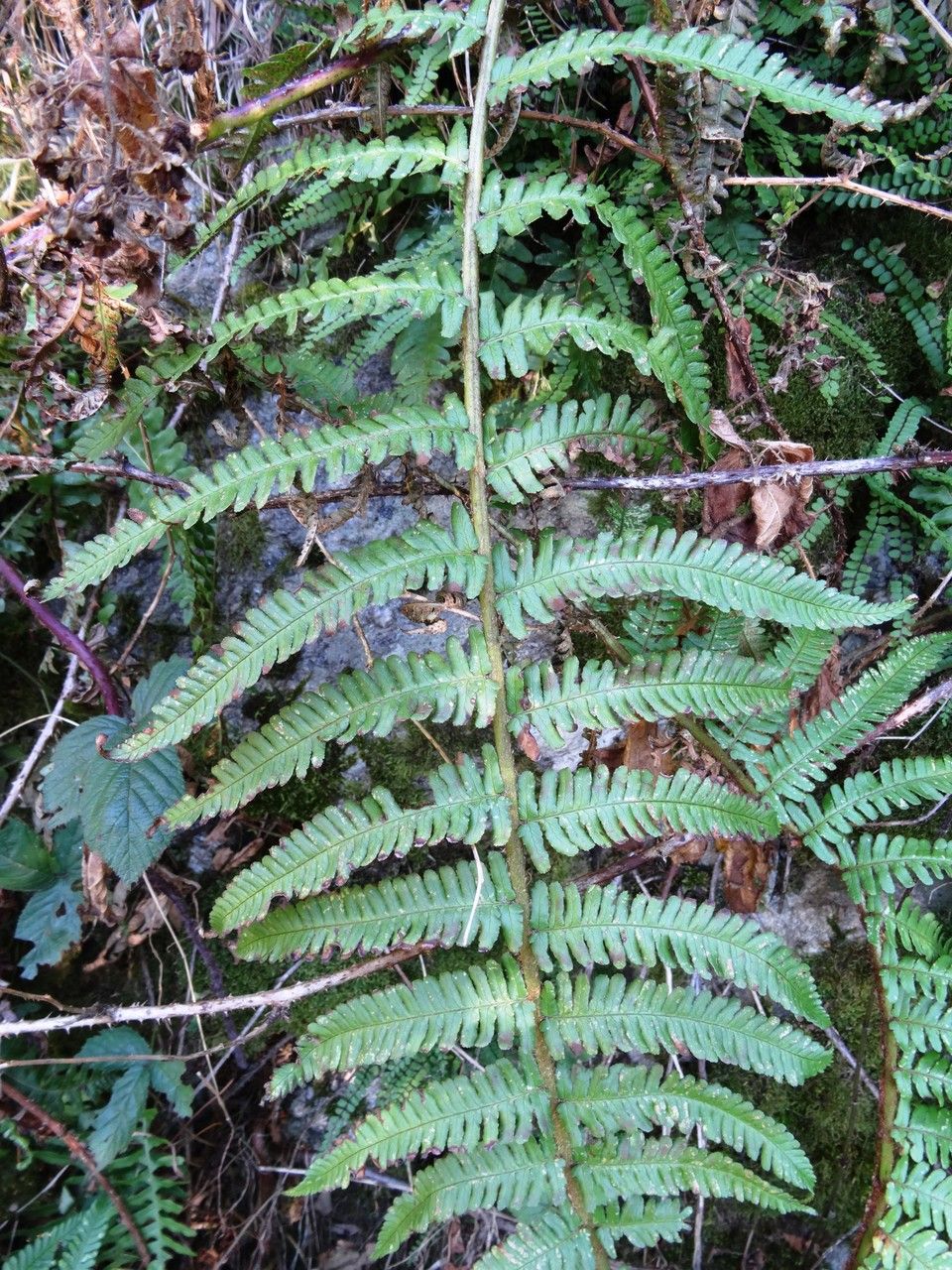
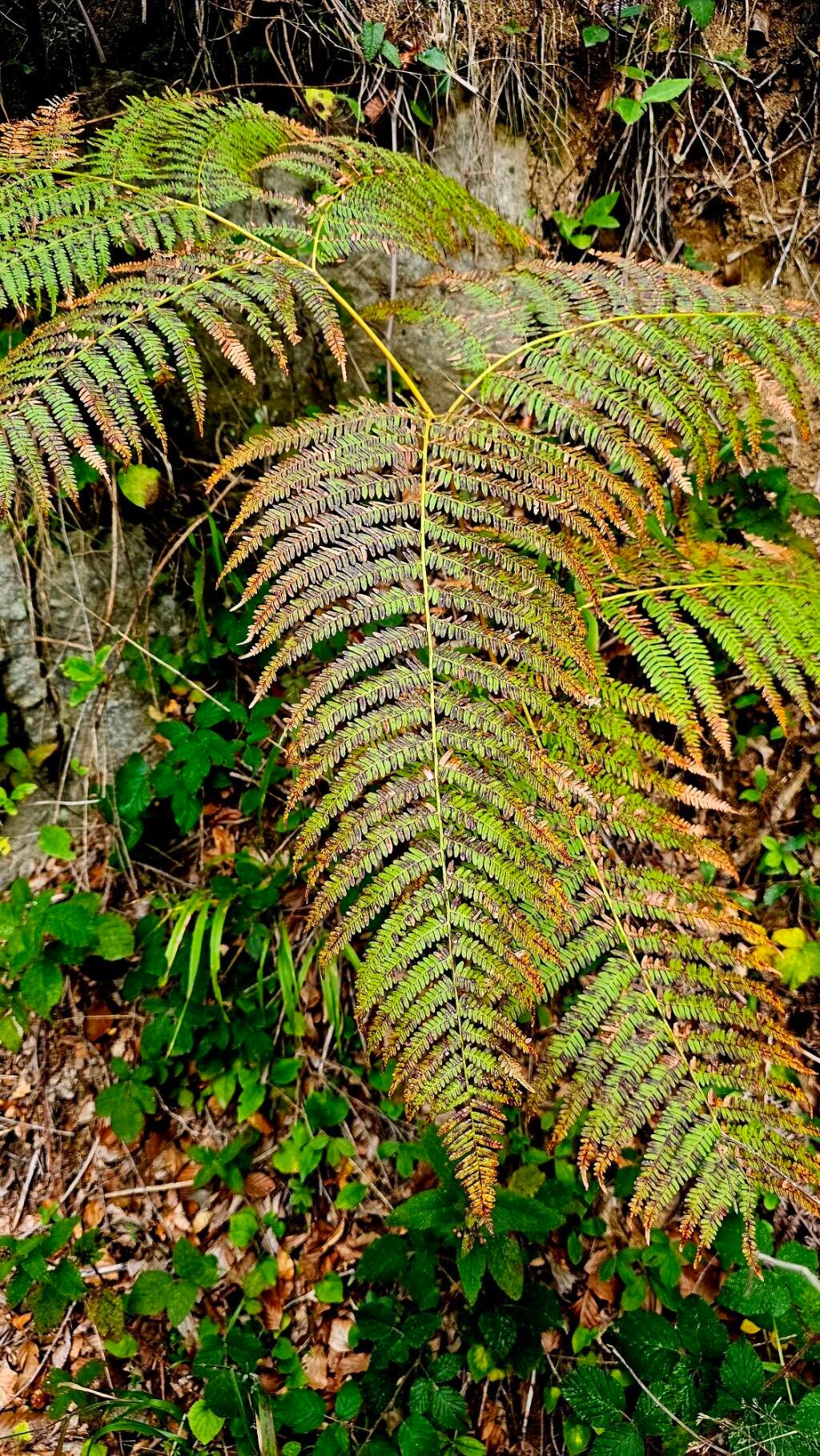
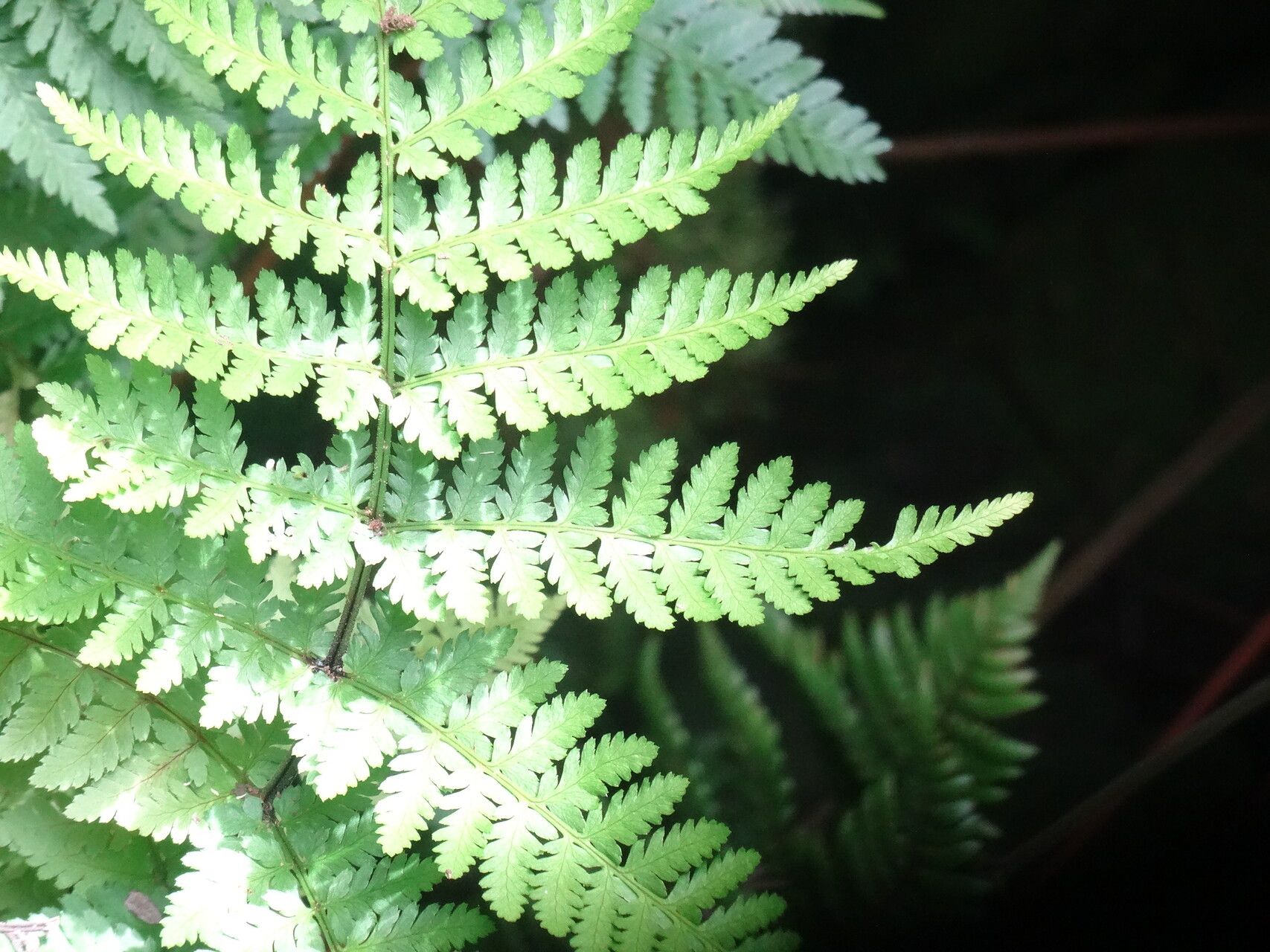
Dryopteris intermedia, commonly known as the intermediate wood fern, is a species of fern belonging to the family Dryopteridaceae. Native to North America, it thrives in diverse habitats, including forests, wetlands, and rocky slopes. The intermediate wood fern is notable for its striking fronds, which can grow up to 60 cm in length and 20 cm in width. These fronds are bipinnate, featuring dark green, lance-shaped leaflets with serrated edges. The fern is also characterized by its rhizome system, which enables it to spread horizontally underground. This plant prefers moist soil conditions but can tolerate some drought once established. While it is tolerant of shade, it also grows well in partial sun. In addition to its aesthetic appeal, the intermediate wood fern has medicinal properties. It contains compounds such as flavonoids, which have antioxidant properties that protect cells from damage caused by free radicals. Overall, Dryopteris intermedia is an attractive plant with unique foliage, ideal for adding texture and interest to any garden or landscape. It also provides ecological benefits, enhancing wildlife habitats.
Intermediate wood fern is fairly disease-resistant and generally not prone to illnesses. However, it can be vulnerable to pests and diseases present in its surroundings. These infections are typically not severe. For care, this plant requires a moderate level of maintenance. It should be pruned regularly to maintain a tidy appearance and support healthy growth. Fertilizing can also aid in encouraging flowering. Intermediate wood fern is appropriate for anyone with outdoor space, such as a garden or patio, and does not need extensive care experience. It may demand more attention when kept indoors.
How to keep Dryopteris Intermedia.
Light
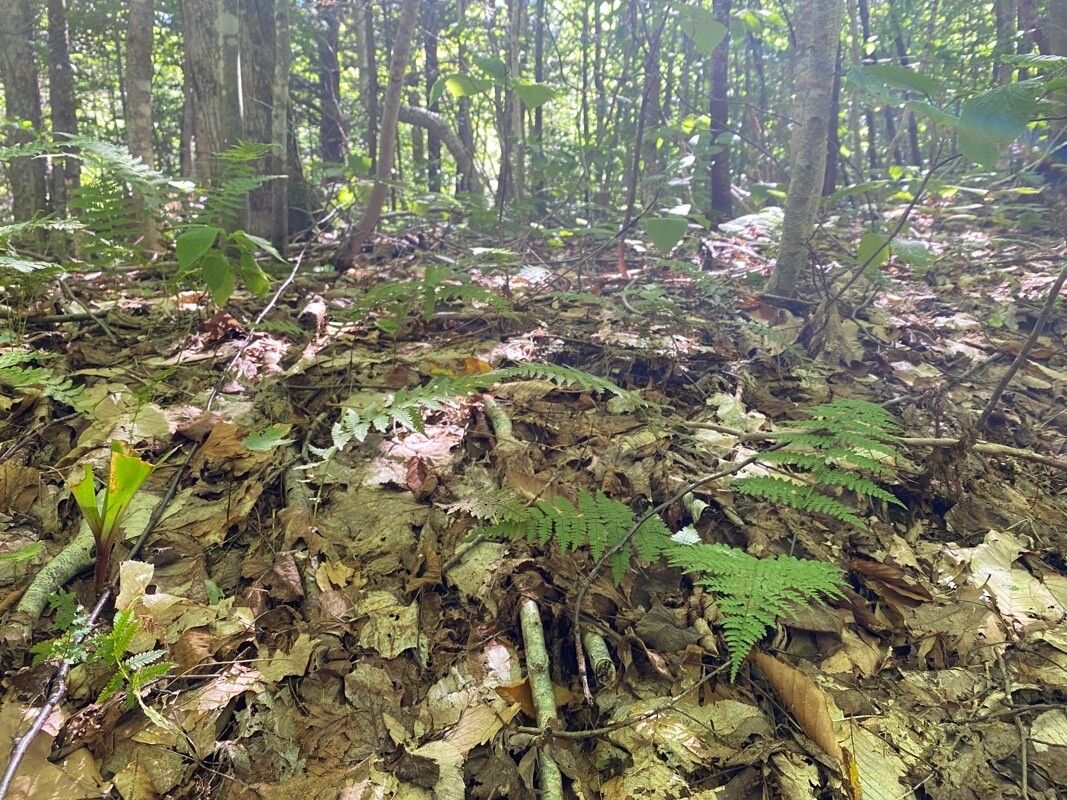
The intermediate wood fern tolerates varying light conditions. It prefers moderate light but can also do well in relatively darker, shaded environments. Insufficient light may cause it to grow less vigorously. It originates from habitats where light is filtered through tree canopies and there is no heavy exposure.
Water
The intermediate wood fern thrives in a humid environment with consistent moisture and has a low tolerance for drought. To maintain its health, it is essential to water it weekly. Although this evergreen plant is usually grown outdoors and retains its foliage year-round, it still requires regular watering, even during the colder months.
Temperature
The intermediate wood fern thrives in its native forest undergrowth where temperatures range from 32 to 77 °F (0 to 25 ℃). When cultivated, seasonal adjustments may be required to regulate temperatures, especially during extreme weather.
Fertilizer
Generally, a single application of fertilizer in spring is enough for Intermediate wood fern, though multiple feedings can maximize growth. Feed it once every month to a month and a half. Fertilization improves leaf appearance and function, promoting even color and a healthy texture. It also encourages root growth and nutrient uptake for long-term plant health.
Pruning
To help intermediate wood ferns thrive, prune them in early to late spring. Remove dead fronds at the base to encourage new growth. Be careful not to prune too heavily, as it can stress the plant. Proper pruning improves air circulation, reduces the risk of disease, and keeps the plant looking tidy. For more detailed care instructions, refer to horticultural guides.
Botanical profile.
- Plant Type
- Herb
- Life Cycle
- Perennial
- Genus
- Dryopteris
- Family
- Polypodiaceae
- Hardiness Zone
- 3
- Mature Height
- 46 cm to 91 cm
- Mature Spread
- 61 cm to 91 cm
- Leaf Color
- Green, Brown
- Leaf Type
- Evergreen
- Planting Time
- Spring, Summer, Autumn
- Native Area
- Georgia
Other names.
Reader questions.
How should I water my Intermediate wood fern?
To properly water the Intermediate wood fern, it is recommended to use filtered water at room temperature. Tap water may contain harmful particles that can affect the plant's health. The water should be at room temperature or slightly warmer since the fern is accustomed to warm environments and cold water may shock it. Avoid watering the foliage from above as it can cause problems. Instead, thoroughly soak the soil with filtered room temperature water. This helps to moisturize the roots and promote their growth, allowing them to collect necessary nutrients.
How much sunlight does Intermediate wood fern need to grow?
Intermediate wood fern thrives with 3-6 hours of direct sunlight daily. However, it also needs some shade during the hottest parts of the day to avoid sun damage. Morning sunlight is ideal, though the fern can tolerate some afternoon sun if it's not too hot. For the right balance, plant Intermediate wood fern in a partially sunny area, like under a tree or on the east side of a building.
What temperature is best for Intermediate wood fern?
The Intermediate wood fern grows best in cooler weather and thrives within a specific temperature range. To ensure optimal health, maintain a temperature between 65-75℉ (18-25℃). While the fern can tolerate higher and lower temperatures, it's advised to keep the growing area within a few degrees of this range. Deviating from the ideal temperature doesn't halt growth, but excessive heat or cold can cause damage or hinder growth. Temperatures between 75-85℉ (25-30℃) are acceptable on the higher end, while it can withstand temperatures as low as 5℉ (-15℃). However, it's crucial to prioritize the lower temperature range, as the Intermediate wood fern prefers cooler environments. Allowing temperatures above 85℉ (30℃) can result in slowed growth or even the death of the plant.
What should I do if I give too much or too little water to my Intermediate wood fern?
Overwatering is more common and harmful to the health of your Intermediate wood fern. When this happens, the stems and leaves may wilt, turn yellow, and it can lead to diseases such as root rot, mold, and mildew. Underwatering is less common but can still occur. In this case, the leaves will become brittle and brown. It is important to notice signs of overwatering early because some diseases, like root rot, cannot be corrected if you wait too long. Reduce watering immediately if you see early signs of overwatering and consider replacing poorly draining soil. If your fern is not receiving enough water, simply water more regularly until the signs of underwatering have subsided.
What happens if Intermediate wood fern doesn't get enough sunlight?
The leaves of the Intermediate wood fern may turn yellow, dry out, or burn if it receives excessive direct sunlight. In addition, the plant may wilt or become stunted. To avoid sun damage, it is important to provide shade during the hottest times of the day. This can be achieved by using a shade cloth or planting the Intermediate wood fern near taller plants that can offer natural shade.
Does Intermediate wood fern need different temperatures for its different growing stages?
To ensure the healthy growth of Intermediate wood fern, it is crucial to maintain a growing space temperature between 65~75℉(18~25℃). It is recommended to stay on the colder side of this range, but avoid going below -5℉(-20℃). Extremely cold temperatures can hinder growth at any stage, although they are not as harmful as excessively hot temperatures. If the temperatures are too high during the budding stage, Intermediate wood fern may not flower.
How often should I give water to my Intermediate wood fern?
If your Intermediate wood fern is in a pot, you can check if it needs water by sticking your finger into the soil. If the top two to three inches of soil are dry, it's time to water it. If you have the fern planted outside, you can use the same method to check the soil. When the first few inches of soil are dry, it needs water. In the spring and early fall, watering once a week is usually sufficient. In very hot weather, you may need to water the fern twice a week or more. However, mature and well-established Intermediate wood ferns can tolerate drought well.
What happens if Intermediate wood fern gets too much sunlight?
If the Intermediate wood fern does not receive sufficient sunlight, it may become tall and thin, with few leaves. The leaves may also become yellow or pale green, which shows that the plant is not making enough chlorophyll due to the lack of sunlight. To fix this issue, you can try relocating the Intermediate wood fern to a sunnier area or trimming nearby foliage to let more light reach the plant.
Here are three tips for maintaining the right temperature for Intermediate wood fern.
Here are some tips to help you grow Intermediate wood fern indoors: Tip #1: Choose the coldest room: Pick the coldest room in your home to grow Intermediate wood fern. Typically, this room will be on the side of your house that doesn't get as much intense sunlight during the middle of the day. However, make sure the room still receives a healthy amount of sunlight, as zero sunlight can hinder the fern's growth. Tip #2: Watch out for high temperatures: During the growing season (spring and early summer), Intermediate wood fern may encounter high temperatures that can negatively impact its flowering. These temperatures can cause the buds to become non-flowering or partially open, resulting in a loss of aesthetic quality. To avoid this, keep the room temperature in the range of 65-75℉(18-25℃) for optimal flowering. Tip #3: Protect from frost: While Intermediate wood fern can tolerate temperatures as low as -5℉(-20℃), it cannot withstand significant frost. If exposed to freezing temperatures during late fall or winter, the fern will show signs of frost damage. Look out for wilting and discoloration, which will eventually turn brown or black. If any parts of the fern exhibit these colors, they cannot be saved and should be pruned to keep the plant alive.
How much water does my fern need?
To properly water your Intermediate wood fern, it is recommended to be generous with the amount of water you give. Wait until the first two to three inches of soil are dry before watering, and then thoroughly soak the soil. It is important to add enough water to ensure it flows through the drainage holes at the bottom of the pot. If excess water is not draining, it is likely that you haven't watered enough. However, be careful not to let water accumulate in the soil, as this can be harmful to the plant. If there is no drainage, it may indicate poorly draining soil, which is bad for the plant's health. If the fern is located outdoors, about 1 inch of rainfall per week should suffice.
Does the Intermediate wood fern require varying temperatures throughout the different seasons?
To maintain optimal growing conditions regardless of the season, it is important to regulate the temperature in your growing area. If you reside in an area with harsh winters or scorching summers, it is advisable to bring your plants indoors. By doing so, you can provide them with a cool room where Intermediate wood fern can thrive. Alternatively, if you choose to keep your plants outside, closely monitor the temperature. In climates where summers can become extremely hot, ensure that the temperature does not exceed 85℉(30℃) to prevent dehydration and damage to the Intermediate wood fern. Exposing them to such high temperatures will cause them to wither and perish.
How do I water my Intermediate wood fern as it grows?
The water requirements of the Intermediate wood fern can vary depending on its growth stages. When the fern is young or has just been transplanted, it needs more water than usual. This is because it is focusing on growing new roots that will support future growth. During this stage, the roots require extra moisture. However, as the fern matures over a few seasons, it will require less water. Another growth stage when the fern may need more water is during the bloom period. This is because flower development consumes a significant amount of moisture. Therefore, it might be necessary to provide more water to the fern during this time.