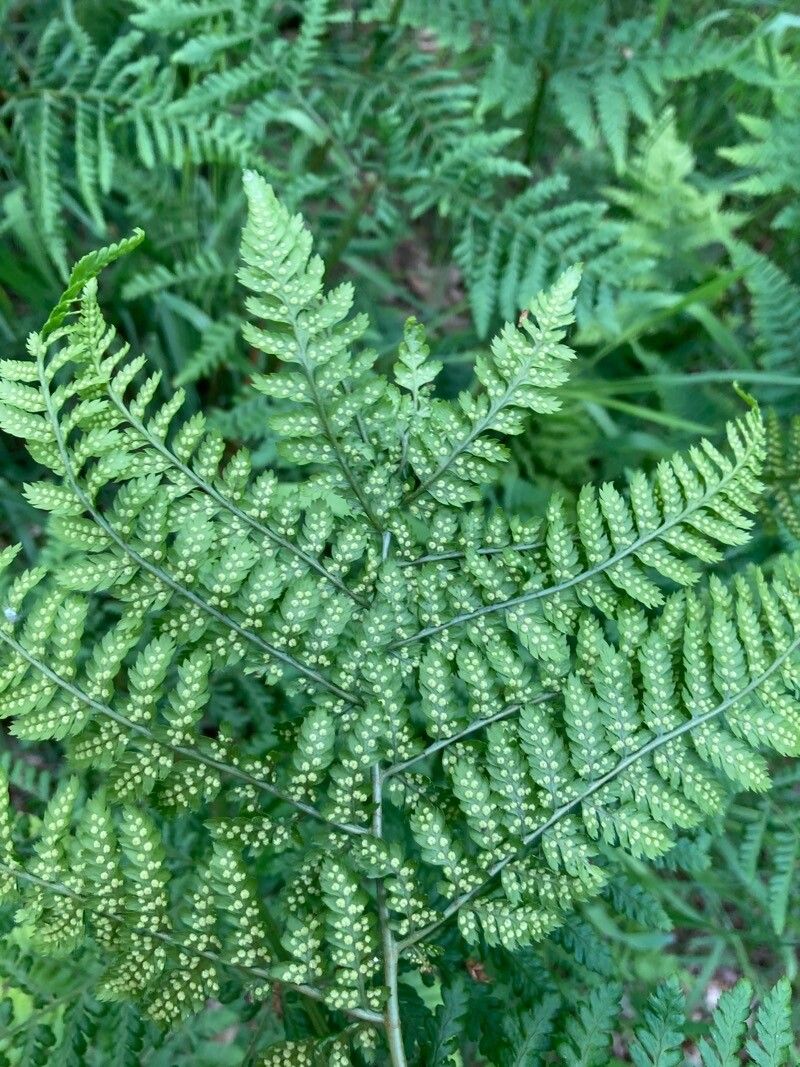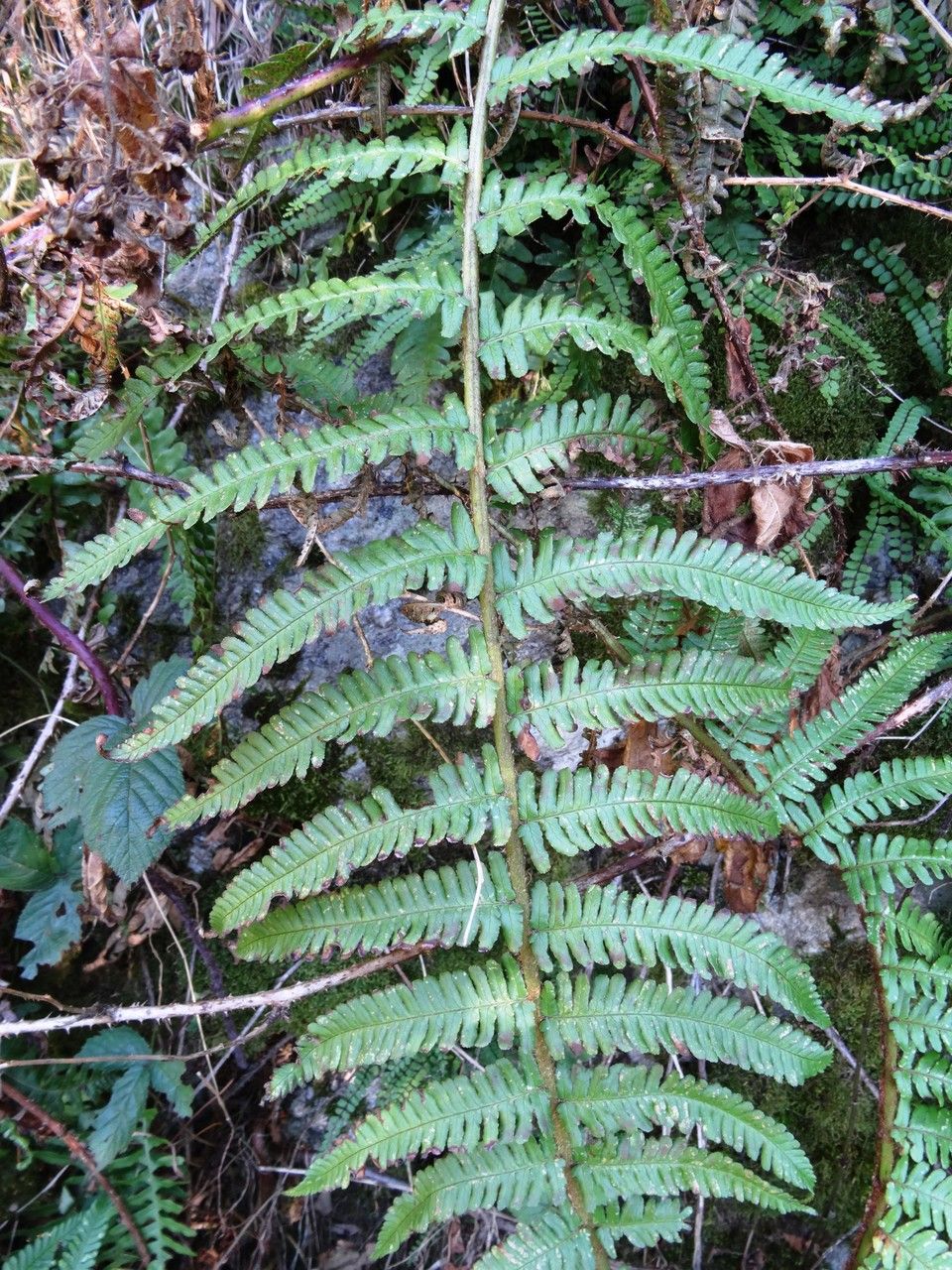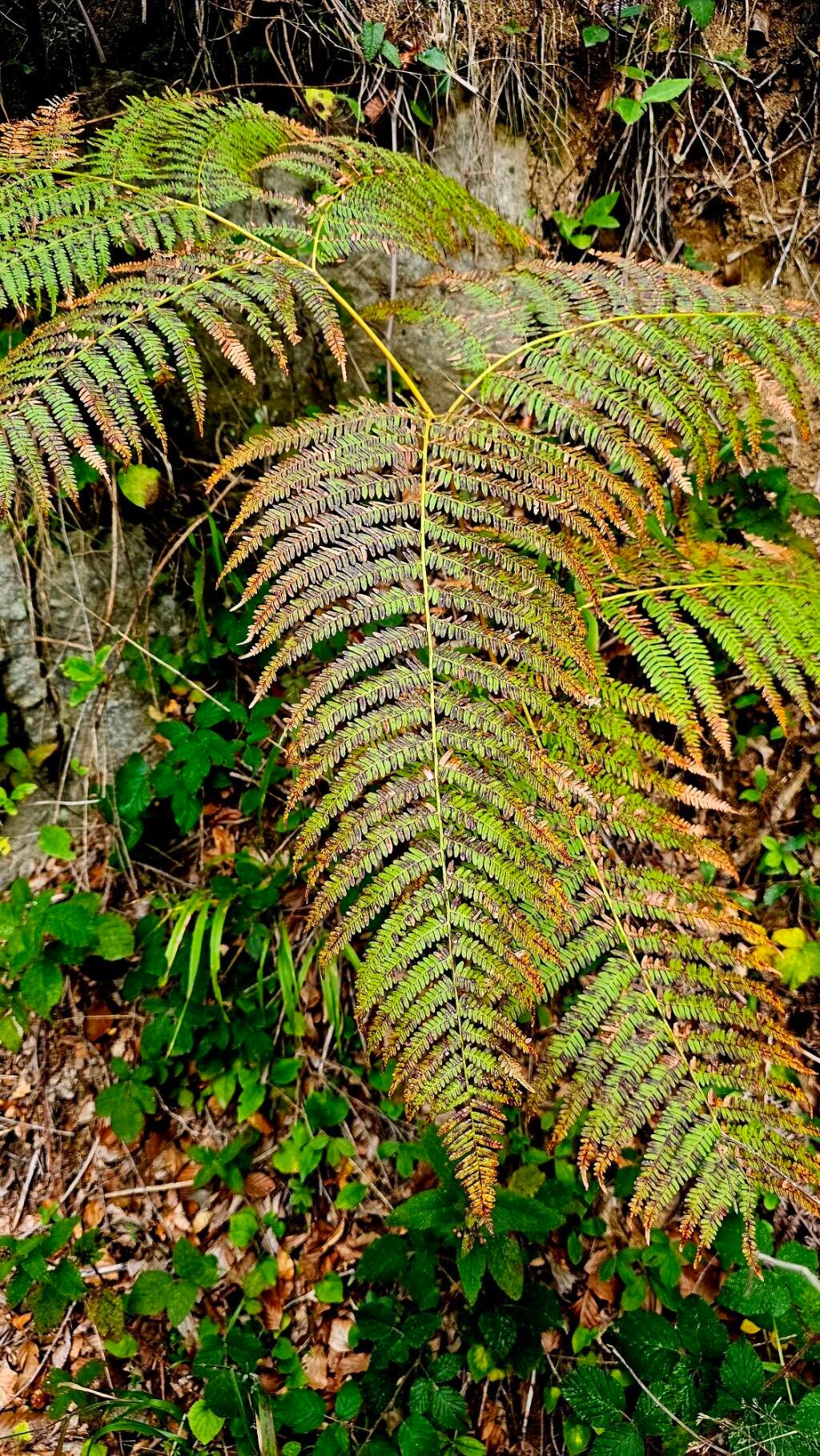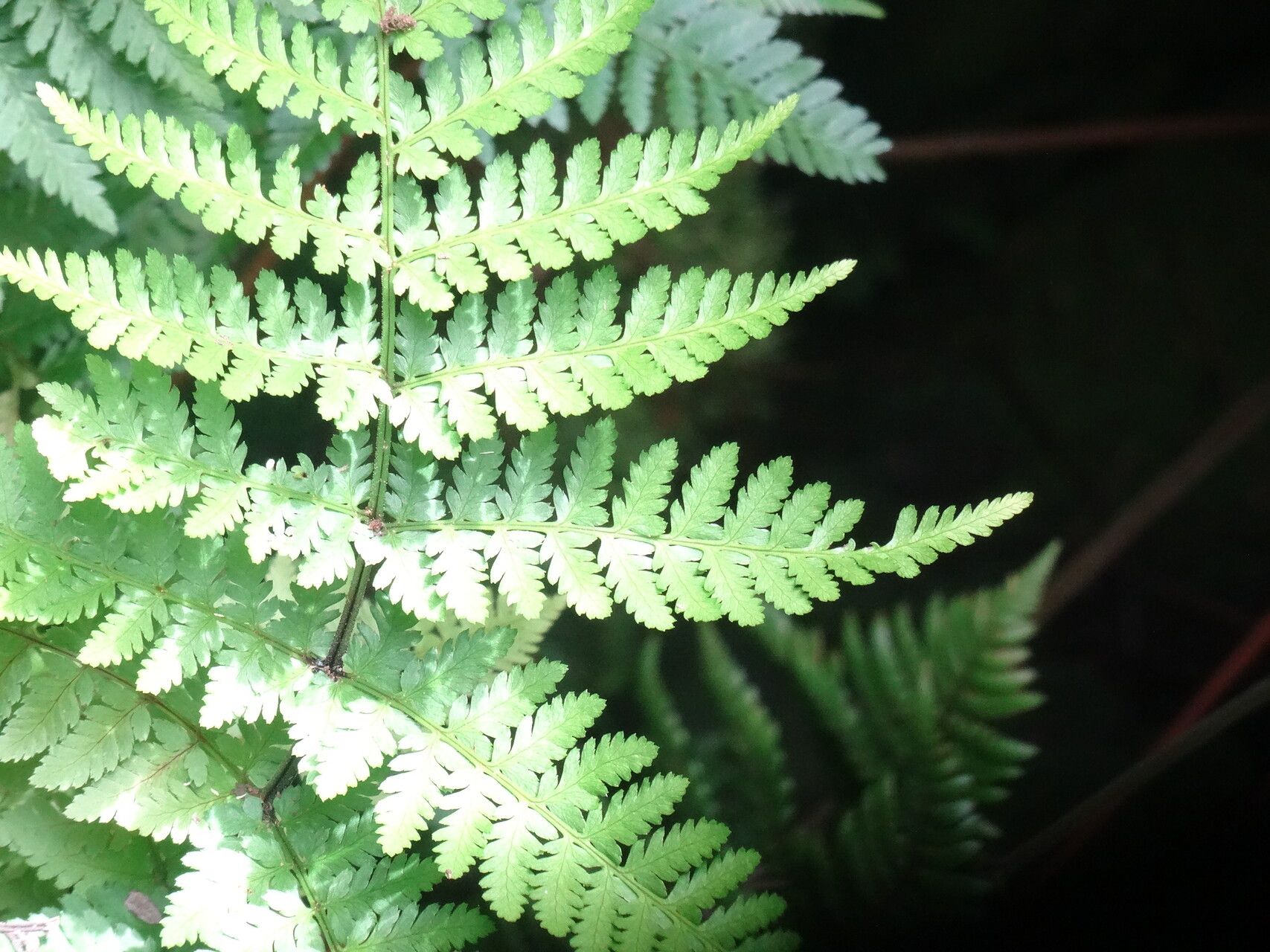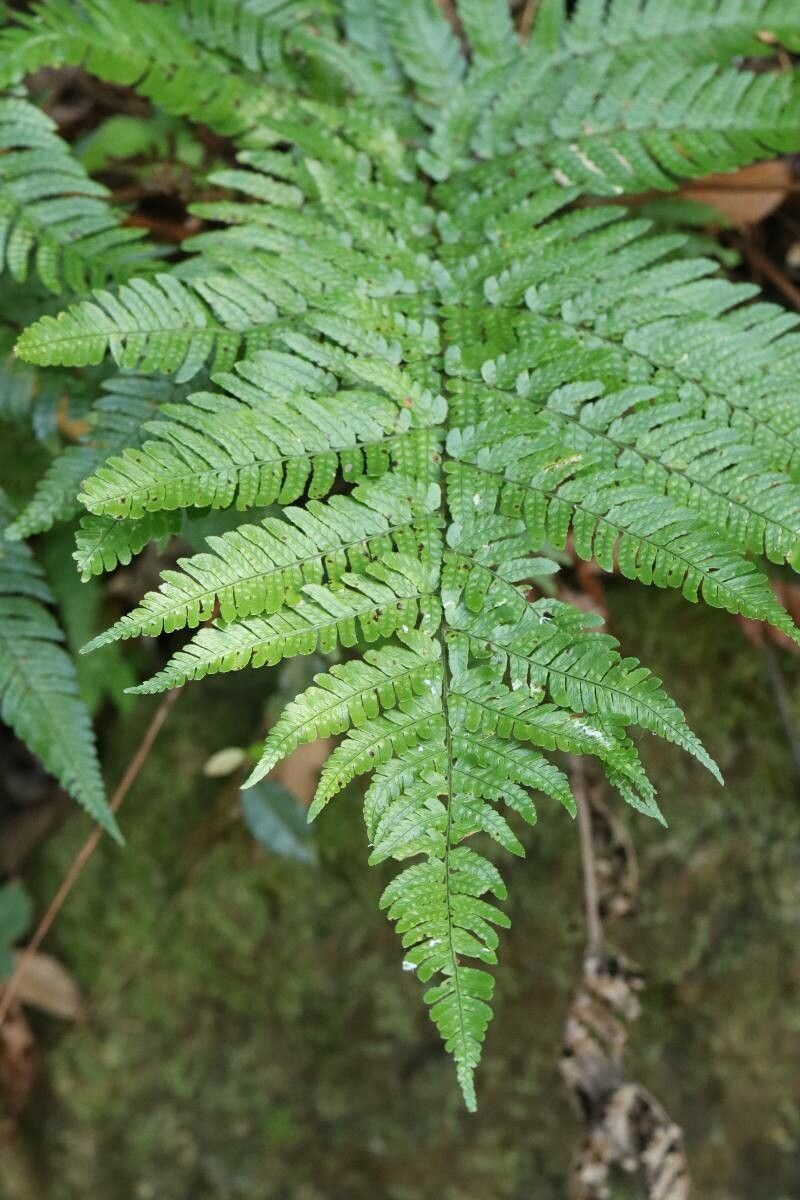
Autumn fern is generally resistant to disease and is affected by relatively few insect pests. Its care is considered difficult, because it needs a consistently moist environment and frequent watering. At the same time, its roots can rot if it is overwatered or if the surroundings are poorly ventilated. Autumn fern is best suited to growers with some experience, as most people can keep it alive for a certain period. However, it may still struggle to thrive, and its leaves can dry out and become less healthy over time.
How to keep Dryopteris Nipponensis.
Light
Autumn fern performs best with moderate sunlight, though it can also grow well in complete shade. Too much sunlight reduces its vigor, while too little can stunt its growth. Its native environment offers filtered light, a condition reflected in its light requirements.
Temperature
Autumn ferns are native to temperate regions and need a cool environment to thrive. They prefer temperatures between 41 to 95 ℉ (5 to 35 ℃), with cool nights. In warmer seasons, they benefit from partial shade to avoid overheating.
Pot & Repot
When repotting Autumn fern, select a container 1-2 inches (2.5–5 cm) larger with good drainage. Use a well-draining potting mix. Repot in spring or fall, making sure the root ball sits slightly below the rim of the flower pot. Water thoroughly after repotting and place in a warm spot with indirect sunlight.
Botanical profile.
- Plant Type
- Fern
- Life Cycle
- Perennial
- Genus
- Dryopteris
- Family
- Polypodiaceae
- Hardiness Zone
- 5-9
- Mature Height
- 46 cm to 61 cm
- Mature Spread
- 61 cm to 91 cm
- Leaf Color
- Green, Red, Bronze, Orange
- Leaf Type
- Evergreen
- Flower Color
- Purple, Black
- Planting Time
- Spring, Summer
- Harvest Time
- Mid winter, Late winter
- Native Area
- South Korea, Japan, China