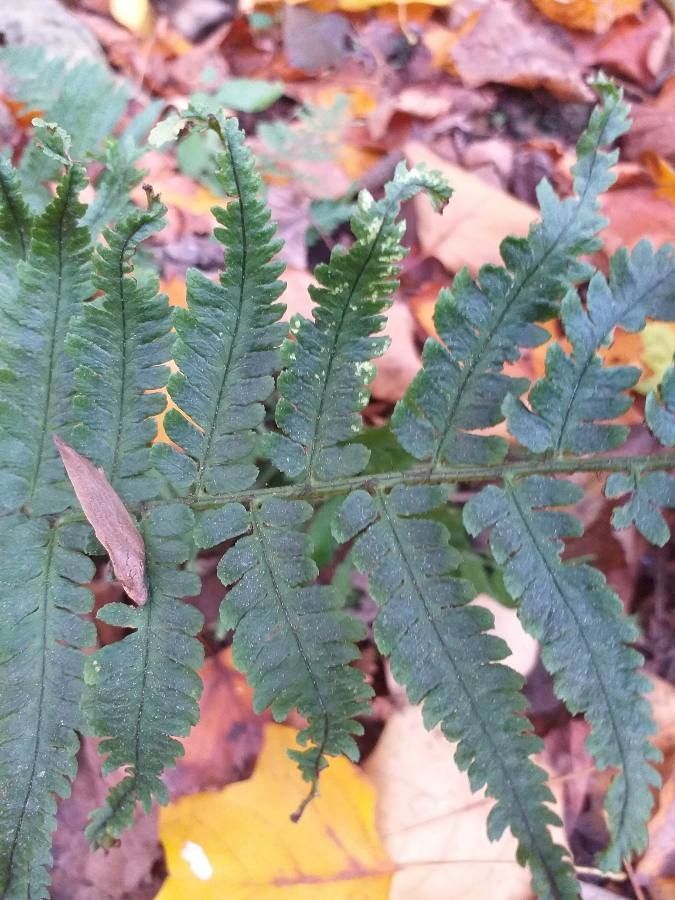
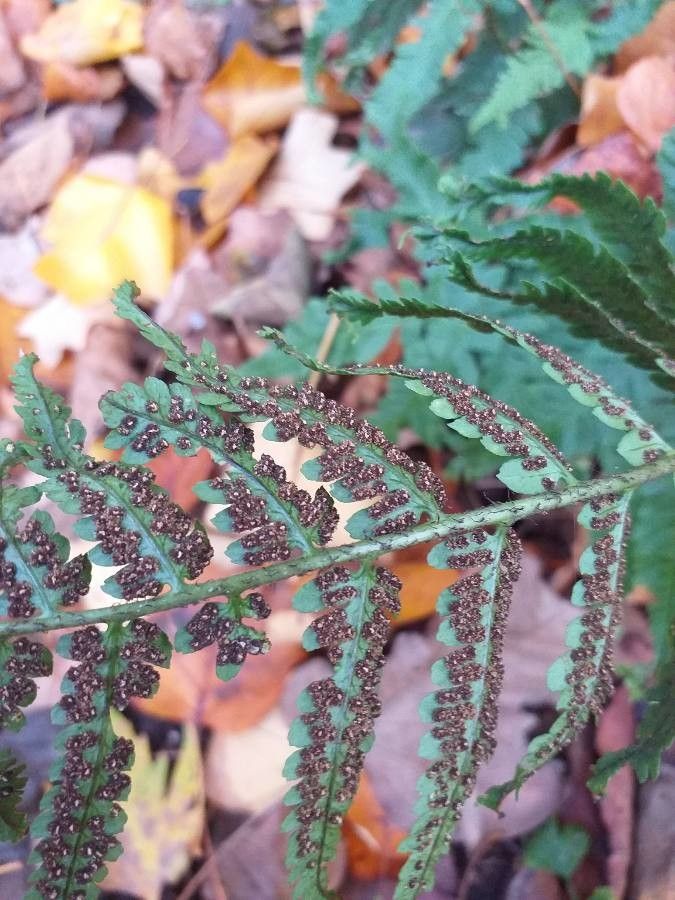
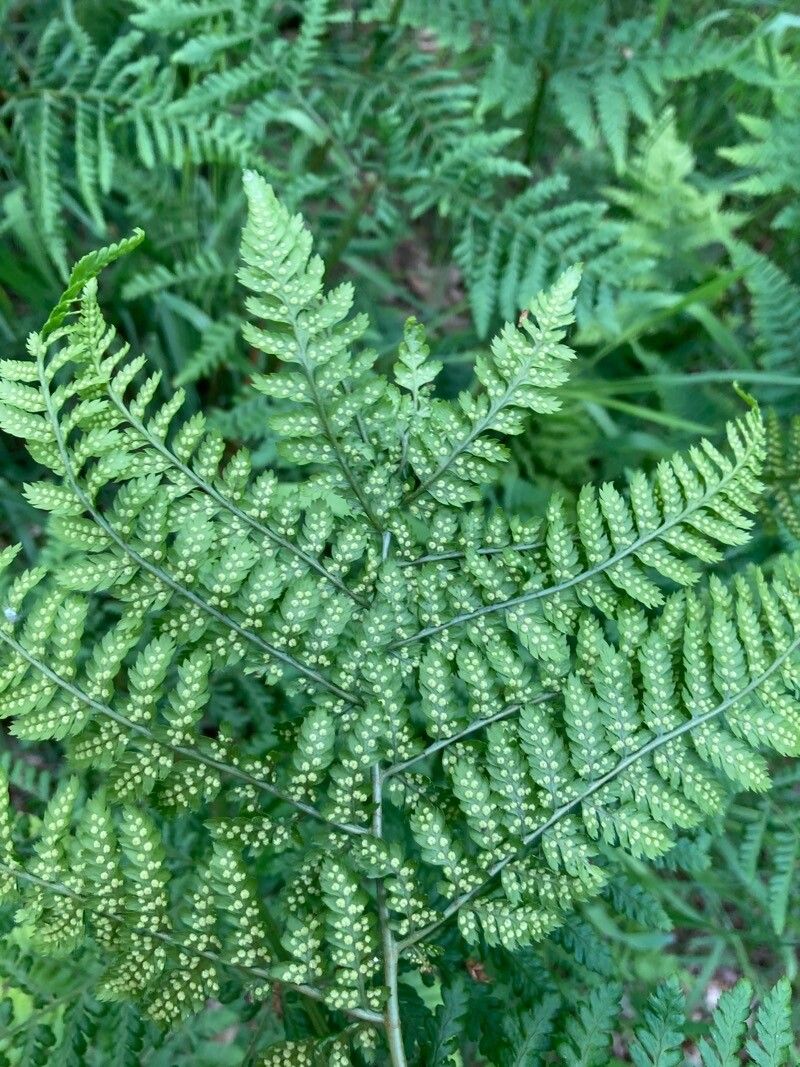
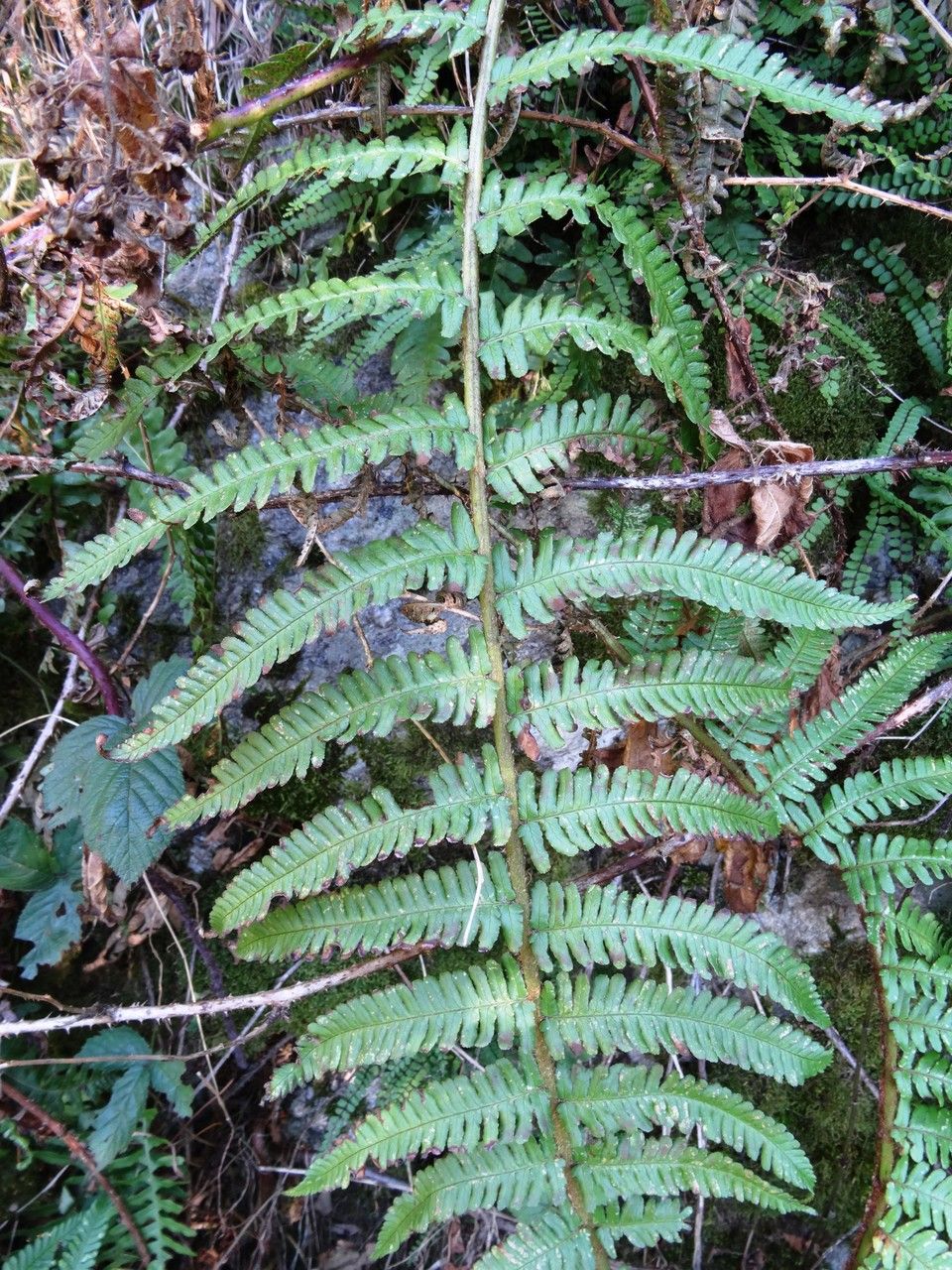
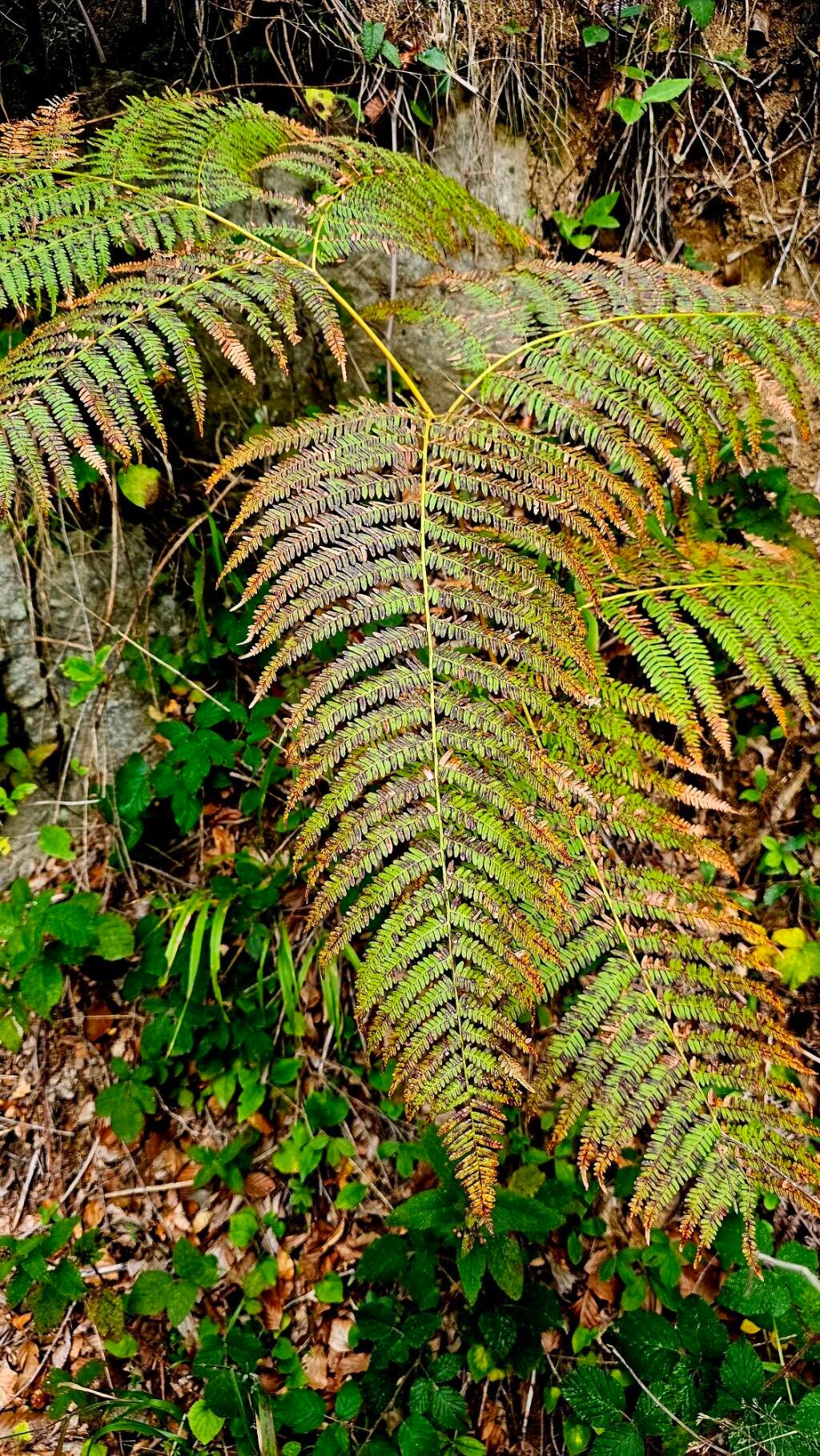
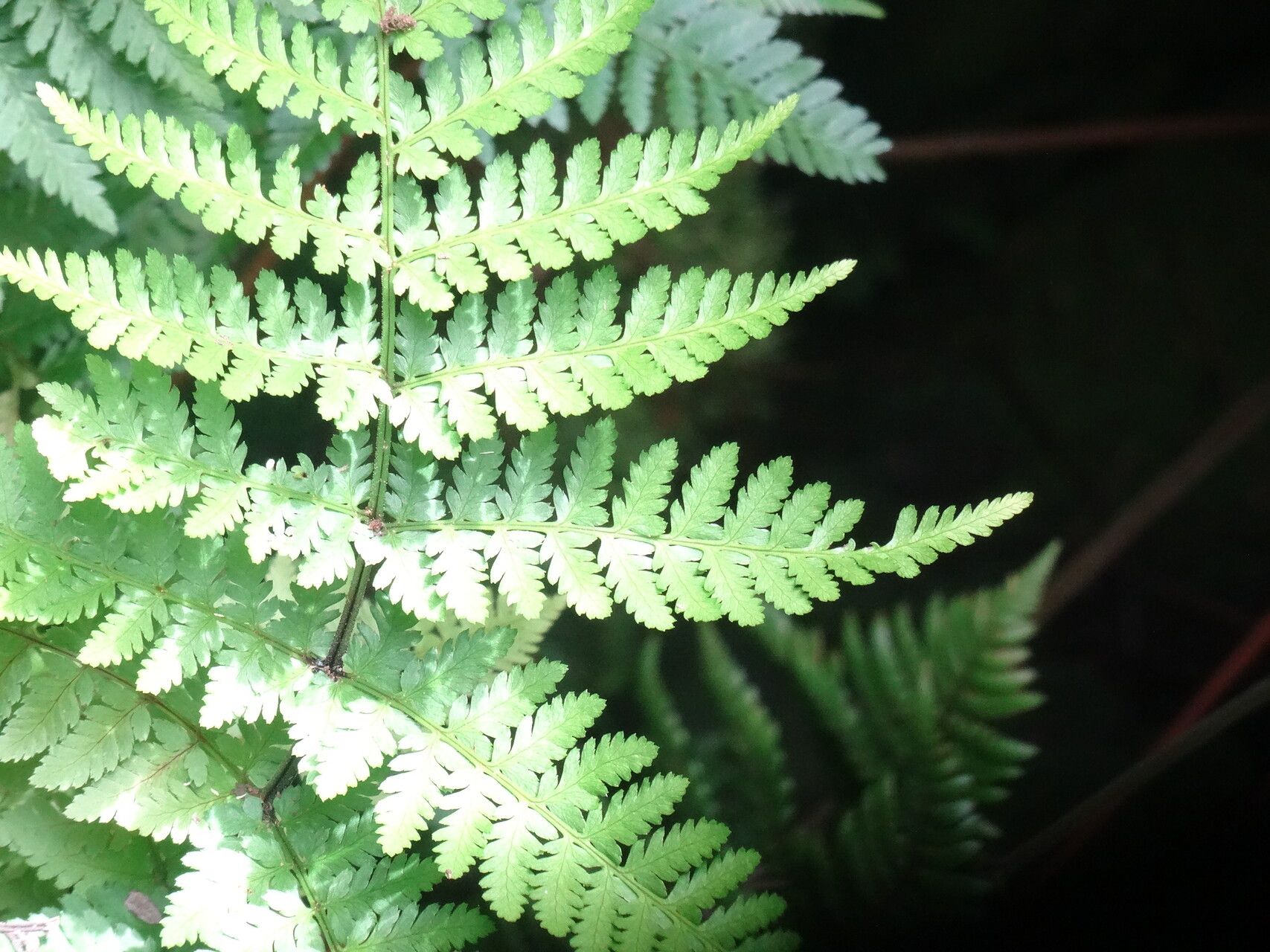
Uniform wood fern typically resists disease well and is subject to relatively few insect pests. Its care is considered difficult because it needs a consistently moist environment and frequent watering. At the same time, the roots can rot if the plant is overwatered or kept in poor ventilation. Uniform wood fern is suitable for people with some growing experience, since most individuals can keep it alive for a period of time. However, it may struggle to thrive and its leaves can dry out and become less healthy over time.
How to keep Dryopteris Uniformis.
Light
Uniform wood fern is native to habitats such as forest understories and rocky areas, where it provides natural shade. It prefers Full Shade but can tolerate Partial Sun.
Water
The uniform wood fern flourishes in moist conditions and needs regular watering, as it cannot tolerate drought. It's best to water it twice a week to ensure adequate moisture. Being an evergreen fern, it retains its leaves all year, so it's important to maintain proper soil moisture even during the colder months.
Temperature
Uniform wood fern grows well in forest thickets. It is very sensitive to temperature and humidity, and high heat, dry conditions, and strong sunlight can all stress the plant. In summer it needs adequate shading and a humid environment. Generally, Uniform wood fern does not require special care in winter, but an extended winter drought can still be fatal.
Pruning
The uniform wood fern is known for its feathery fronds and does well in shady areas. To keep the plant healthy, prune it in early spring to remove any dead fronds. This will improve airflow and help reduce the risk of disease. Be careful not to prune too heavily, as this can stress the plant. For more detailed advice, consult reputable horticultural resources.
Botanical profile.
- Plant Type
- Fern
- Life Cycle
- Perennial
- Genus
- Dryopteris
- Family
- Polypodiaceae
- Hardiness Zone
- 5-8
- Mature Height
- 30 cm to 61 cm
- Mature Spread
- 40 cm
- Leaf Color
- Dark Green, Forest Green
- Leaf Type
- Deciduous
- Planting Time
- Spring, Summer, Autumn
- Native Area
- South Korea, Japan, China
Other names.
Reader questions.
What should I do if I give too much water or too little water to my Uniform wood fern?
Uniform wood ferns love water, but be careful not to overwater them. This can happen if you leave the plant sitting in water or use a planter without drainage holes. Too much water prevents the roots from absorbing nutrients and moisture, and it can also lead to fungal or bacterial diseases. Look for wilted and yellow leaves as signs of overwatering. The stems may droop, feel soft, or fall over. However, be sure to check for other causes of these symptoms too, as it's hard to give this plant too much water. On the other hand, underwatering can also be a problem. Unless you're using a self-watering planter, you need to stay vigilant in keeping the plant moist. Many fern owners accidentally let their plant become too dry. In dry conditions, the fern can quickly turn brown and crispy. In severe cases, it may seem like all the fronds have died, but the plant may still have healthy roots. To save it, remove all the dry and dead stems, water thoroughly, and place the plant back in its regular spot. With proper care, the fern can recover and start growing new fronds, although it may take several months to regain its previous size.
Why should I add fertilizer to my Uniform wood fern?
The reason why you should fertilize Uniform wood fern is straightforward. Providing your plant with extra nutrients is necessary for promoting healthy new growth. These additional nutrients not only support the wellbeing of the existing foliage but also enhance your plant's resistance against diseases and pests.
What are the sunlight requirements for plants?
Plants have differing needs for sunlight, critical for their growth and health. Full shade plants thrive with less than 3 hours of direct sunlight per day, while partial sun plants need about 3-6 hours of sunlight. It's essential to observe the movement of sunlight in your garden, selecting locations that offer the ideal balance of light and shade to ensure your plants flourish.
What is the Uniform wood fern?
The Uniform wood fern, known botanically as Dryopteris uniformis, is a species of fern. Details regarding its essentials, such as care, habitat, and other specific characteristics, have not been provided in the data.
How should I water my Uniform wood fern correctly?
To keep your Uniform wood fern healthy, it is important to maintain consistently moist soil that resembles its natural habitat. This may require watering every one to two days to prevent the plant from drying out. When the top layer of soil starts to feel slightly dry, it is a sign that it is time to water again. To achieve the right level of moisture, it is recommended to fully saturate the soil until water drains from the bottom of the pot. After this, make sure to remove any excess water so that the pot is not left sitting in a puddle. Following this watering method will ensure that the soil remains adequately moist and prevents it from becoming too dry.
When should I fertilize my Uniform wood fern to make it grow best?
The feeding schedule of Uniform wood fern depends on its growth location. Although not excessively hungry, this plant does require some extra nutrients. Outdoor plants should be fertilized once in the spring, while indoor specimens need monthly feeding from spring to summer.
What are the essentials for growing a Uniform wood fern?
The Uniform wood fern, or Dryopteris uniformis, generally grows in forest understories or rocky areas that naturally provide shade. Its optimal sunlight condition is full shade, although it can tolerate partial sun. For indoor plants where natural sunlight might be insufficient, particularly in winter or in darker spaces, artificial lighting serves as an essential growth booster. LED lights are recommended due to their customizable wavelengths, with full sun plants requiring 30-50W/sq ft, partial sun plants needing 20-30W/sq ft, and full shade plants benefiting from 10-20W/sq ft. The correct positioning is about 12-36 inches above the plant, and the duration should mirror the plant's natural daylight hours, typically 8-12 hours per day.
What should I think about when watering my Uniform wood fern?
The frequency of watering your Uniform wood fern depends on the humidity in the air. Higher humidity means less watering as evaporation is slower. To avoid drying out your fern, keep it away from heating or cooling vents. The fern prefers dappled and indirect sunlight with temperatures between 55-80 degrees F (13-27 degrees C). Placing it on a warm and sunny windowsill can cause dehydration. Rainwater or distilled water is ideal, but tap water works in most places. Tap water may contain minerals and chemicals that can cause brown leaf tips due to the fern's delicate leaves. Small pots can dry out quickly due to their limited potting medium, so allow more space for the fern in the pot. Consider using a self-watering planter for the fern, as it keeps the soil consistently moist. This type of pot eliminates the need for constant watering and provides a steady water supply for the roots.
When is the best time to not fertilize my Uniform wood fern?
To prevent excessive growth before winter, avoid fertilizing after early autumn. Similarly, refrain from fertilizing Uniform wood fern during hot and dry periods as dry soil is not as effective at delivering fertilizer. Fertilizing during this time can also stimulate growth that requires more water, which may not be readily available. It is advisable to apply fertilizer earlier in the season when temperatures are cooler. Finally, be cautious about unintentionally providing ferns with an additional amount of fertilizer as Uniform wood fern can absorb nearby fertilizers applied to other plants or lawns.
What are the important symptoms of light deficiency in Uniform wood fern?
Uniform wood fern, accustomed to shady environments, displays several symptoms when deprived of adequate light. These include the development of smaller leaves after maturity, leggy or sparse growth due to longer spaces between leaves or stems, faster leaf drop to conserve resources, a halt in growth indicating entry into a survival mode, and irregular color patterns or pale leaves due to insufficient chlorophyll. Additional signs of excessive light include chlorosis, sunscald, leaf curling, wilting, and leaf scorching, highlighting the importance of providing the right amount of light.
What kind of fertilizer does my Uniform wood fern require?
When choosing a fertilizer for Uniform wood fern, you have a few options. The choice will depend on whether the plant is growing indoors or in the garden. Outdoor plants will thrive with a layer of mulch or compost. For indoor plants, it is best to use a fertilizer with an N-P-K ratio of 3-1-2. However, in some cases, a general-purpose fertilizer with an even blend of nutrients can work well too. Regardless of the type of fertilizer chosen, the ratio number representing the volume of each nutrient should be at 3 or lower.
How can I address insufficient or excessive sunlight exposure for my plants?
To manage insufficient or excessive sunlight exposure for plants, ideal placement and the use of artificial light are key strategies. For indoor plants requiring more light, moving them to a spot with ample filtered light, including brief direct morning sunlight about 1-2 meters away from a window, is beneficial. Also, using artificial grow lights for at least 8 hours daily can support plants that are large or not easily movable. Outdoors, gradually adapting plants to sunnier conditions by moving them weekly helps avoid sunburn. Pruning obstructions or transplanting to sunnier locations with good drainage can also improve sunlight access. Note that parts of the plant damaged by insufficient light may not recover, but new growth should be healthy with better light conditions.