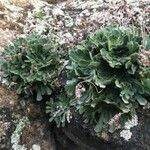
Dudleya candelabrum
Candleholder liveforever · Candleholder dudleya
Description
Source: leafsnapDudleya candelabrum is a species of succulent plant known by the common names candleholder liveforever or candleholder dudleya. Endemic to California, this species grows wild only on the northern Channel Islands, where it is found in open rocky places and north-facing slopes. It is characterized by thin, spade-shaped green leaves and an inflorescence covered in long, reflexed bracts, with pale yellow flowers. It has been threatened by poachers shipping plants to South Korea.
Care Guide
💧 Water
The Candleholder Liveforever is a drought-tolerant plant species native to rocky coastal cliffs. It thrives with minimal watering, needing moisture only once a week. This plant prefers well-draining soil and benefits from periods of dryness, which allow it to flourish in arid conditions and survive during drier seasons.
☀️ Light Partial sun
Candleholder liveforever comes from habitats with dappled light, such as the understory of forests or rocky areas where natural shade occurs. It favors partial sun but can also tolerate full sun.
🌡️ Temperature 20–37.8°C
Although Candleholder liveforever tolerates some heat, it mainly thrives and grows in cooler seasons and becomes dormant during summer. In hot summer temperatures, provide shade to prevent scorching from intense sunlight. Watering should be reduced or stopped during the hottest season to avoid root rot. Candleholder liveforever exhibits vigorous growth in winter and spring. As long as the temperature does not drop too low, it will continue growing steadily.
💨 Humidity
🪴 Soil 0-0
🌱 Fertilizer
For Candleholder liveforever, give light applications of fertilizer once or twice a year during the growing season. Do not fertilize in winter or in summer when the plant is dormant. Cut back on fertilizer for repotted plants and wait a couple of months after repotting before fertilizing. Fertilizing helps maintain healthy growth and encourages blooms.
🪴 Pot & Repot
✂️ Pruning
The candleholder liveforever plant, known for its rosette shape and succulent leaves, requires minimal pruning. The best time to prune is from early to late spring. To improve air circulation and the plant's appearance, remove any damaged leaves, making sure to use clean tools. Pruning helps maintain the plant's health, prevents it from becoming leggy, and increases its resilience.
🌿 Propagating
🐛 Diseases & pets
☠️ Toxicity
Characteristics
- Plant Type
- Succulent, Herb
- Life Cycle
- Perennial
- Genus
- Dudleya
- Family
- Crassulaceae
- Hardiness Zone
- 9-11
- Mature Height
- 20 cm to 30 cm
- Mature Spread
- 30 cm to 46 cm
- Leaf Color
- Pale Green, Light Gray
- Leaf Type
- Evergreen
- Flower Color
- Yellow, White
- Flower Size
- 1.02 cm to 1.52 cm
- Bloom Time
- Mid spring, Late spring, Early summer
- Planting Time
- Summer
- Harvest Time
- Mid summer, Late summer, Early fall