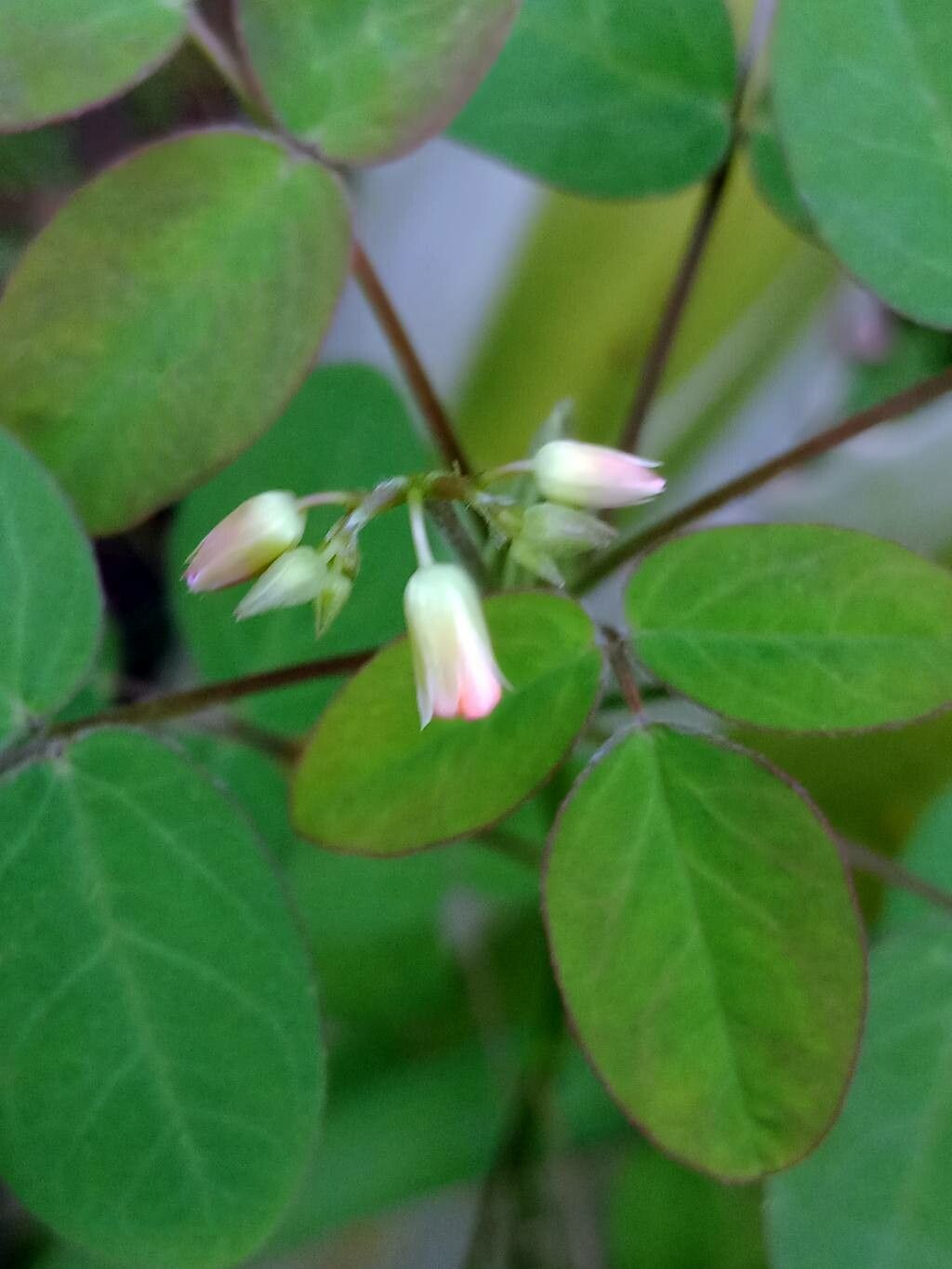
Himalayan dumasia is resistant to disease and generally not susceptible to illnesses. Regarding care, this plant is fairly low maintenance. When grown outdoors it needs only minimal watering, and larger plants typically do not require pruning. However, smaller plants should be pruned after they bloom. Himalayan dumasiat is suitable for anyone with an outdoor area, such as a garden or deck, and does not need extensive plant-care experience.
How to keep Dumasia Villosa.
Light
The Himalayan dumasia flourishes in locales drenched in sunlight for the greater part of the day, however, it can also prosper in spots that only receive partial sunshine daily. This plant's initial environments were characterized by plentiful sunlight. Excessive or insufficient exposure can result in sub-optimal growing conditions.
Temperature
Himalayan dumasia comes from temperate zones where temperatures fluctuate from 59 to 90° F (15 to 32°C). The plant favors mild climates. Throughout different seasons, monitor temperatures to make sure they stay within this range.
Fertilizer
It is vital to time the fertilization of Himalayan dumasia properly. Begin fertilization in the early spring, and continue on a monthly basis until the early summer. Fertilizer is beneficial for creating beautiful flowers and supplying energy during both dormant and active periods of growth.
Botanical profile.
- Plant Type
- Vine
- Life Cycle
- Perennial
- Genus
- Dumasia
- Family
- Fabaceae
- Hardiness Zone
- 8
- Mature Height
- 1.52 m to 3.05 m
- Mature Spread
- 0 cm
- Leaf Color
- Green, Dark Green
- Leaf Type
- Evergreen
- Flower Color
- Yellow
- Flower Size
- 1.52 cm to 1.78 cm
- Bloom Time
- Summer, Early fall
- Planting Time
- Spring, Summer, Autumn, Winter
- Harvest Time
- Late summer, Fall