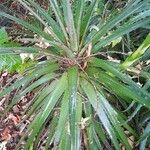
Dyckia brevifolia
Sawblade
Description
Source: leafsnapDyckia brevifolia, a species of flowering plant in the Bromeliaceae family, is native to Brazil. This small, evergreen perennial forms rosettes of stiff, spiky leaves that are green-grey in color with sharp teeth along the edges. In late spring to early summer, the plant produces tall spikes of bright yellow flowers. Dyckia brevifolia is drought-tolerant and thrives in well-draining soil with full sun exposure. It is commonly used as an ornamental plant for its unique appearance and low maintenance requirements.
Care Guide
💧 Water Every 7 days
Originating from arid regions, the dyckia bromeliad is highly drought-tolerant and efficiently stores water. It requires watering only every 2-3 weeks, allowing the soil to dry out completely between waterings. Although it is typically grown outdoors, the dyckia bromeliad thrives in bright light and can withstand varying amounts of rainfall.
How should I water a Dyckia bromeliad plant?
To produce a healthy Dyckia bromeliad, there are two effective methods. First, place a saucer under the potted plant to prevent the roots from sitting in excessive water. This also provides consistent humidity and allows for water evaporation. Second, practice the soak and dry approach. This helps the bromeliad develop a robust root system that can efficiently absorb moisture during periods of drought. Imagine the plant's natural habitat on rocky cliffs and crevices. It experiences heavy rainstorms lasting up to 24 hours, followed by weeks of drought. Mimicking these conditions can greatly benefit the plant.
What should I do if I give my Dyckia bromeliad too much or too little water?
Overwatering can harm the Dyckia bromeliad by causing root rot. This can happen if the soil is always wet or if the potting mix gets too compacted. Signs of overwatering include yellowing leaves that feel mushy and soft, as well as drooping, wilting, and yellowing leaves. Lack of air due to excessive watering can lead to root or plant death. To prevent this, water the plant only when the soil is dry. On the other hand, under watering can hinder the plant's growth. It will give the plant a wilted appearance, but it can recover quickly with adequate water. To promote optimal growth, allow the plant to dry out between waterings. Symptoms of under watering include wilting, dead leaf tips, slow growth, and sagging, where the plant cells lose their rigidity. Brown leaf tips can lead to the death of the entire leaf, and new growth may be smaller and less vibrant than existing leaves.
How often do I need to water my Dyckia bromeliad?
The Dyckia bromeliad is not a succulent, but a xerographic plant that can survive for weeks without water by going dormant. They do not store water in their leaves, so it's important to balance the moisture they receive. Only water when the container is dry but slightly moist. In the fall, watering is not necessary if there is enough rain. Stop watering when the temperature is below 40 ℉ to prevent the soil from drying out too quickly. In winter, the plants go dormant and do not need watering. In the spring, water deeply and thoroughly once every two weeks to encourage new leaf growth. In the summer, water once a week during hot and dry weather. While drought-tolerant, it's not optimal for their growth to go without water for a few weeks.
How much water should I give to my Dyckia bromeliad?
To effectively care for your Dyckia bromeliad, it is important to provide the right amount of moisture. Ideally, the plant requires between 5% and 24% of moisture to thrive. When you notice that the soil is dry either in the pot or on the ground, it is time to water your bromeliad. Water it sufficiently until you observe water dripping from the bottom of the pot. It is important to not pour water on the soil until the soil inside the pot is very dry. Remember, these plants prefer not to have constantly wet feet. Therefore, it is advisable to provide them with water only when they really need it. If you have planted your Dyckia bromeliad in the garden, particularly during hot weather, make sure to water them at least once a week. Keep in mind that they might already be receiving some moisture from nearby trees or an ample amount of rainwater. In such cases, only water them when the soil is very dry, typically once a week.
How can I make sure I'm giving my Dyckia bromeliad enough water?
To ensure even water distribution in the pot, generously water the soil until it starts to drip out from the bottom. It is important to use well-draining soil and follow the soak and dry method. For Dyckia bromeliad, check the soil once a week to make sure the roots are not too dry. Consider keeping track of your watering schedule through apps or taking notes.
☀️ Light Full sun
Originating from dry areas, the Dyckia bromeliad grows best in full sun, since its native habitat has intense sunlight and very little shade. It can also tolerate partial sun, providing some adaptability in its growth.
What are the sunlight requirements for Dyckia bromeliad?
Dyckia bromeliad thrives best in environments that replicate its natural habitat, which includes forest understories offering natural shade. It prefers partial sun, meaning about 3-6 hours of sunlight per day, but can tolerate full sun conditions, which is above 6 hours of sunlight per day, especially in cooler weather. However, it's important to observe how sunlight moves through your garden to ensure you choose a spot that provides the perfect balance of light and shade for the plant, ensuring its happiness and health.
How can artificial lighting be used for Dyckia bromeliad?
Indoor Dyckia bromeliad plants require adequate lighting for optimal growth, especially when natural sunlight is insufficient, like in winter or less sunny spaces. Artificial lights, such as LED lights, are beneficial as they can be customized to provide the specific wavelengths of light that the plant needs. For full sun plants, 30-50W/sq ft of artificial light is recommended, partial sun plants need 20-30W/sq ft, and full shade plants require 10-20W/sq ft. The artificial light source should be placed 12-36 inches above the plant to mimic natural sunlight, and the duration should mimic the length of natural daylight hours, typically 8-12 hours per day for most plant species.
What are some symptoms of light deficiency in Dyckia bromeliad?
In conditions of poor lighting, Dyckia bromeliads may exhibit several symptoms indicating light deficiency. These symptoms include smaller new leaves compared to mature ones, leggy or sparse growth due to elongated spaces between leaves or stems, faster leaf drop as the plant sheds older leaves early to conserve resources, slower or halted new growth as the plant enters survival mode, and lighter-colored or pale new leaves which indicate a lack of chlorophyll and essential nutrients.
What are the symptoms of too much sunlight on Dyckia bromeliad?
Overexposure to sunlight can cause several symptoms in Dyckia bromeliad, including chlorosis, where leaves lose their green color and turn yellow, indicating a breakdown of chlorophyll; sunscald, characterized by pale, bleached, or necrotic areas on plant tissue; leaf curling or twisting as a defense mechanism to minimize water loss; wilting due to increased water loss through transpiration; and leaf scorching, visible as brown, dry, and crispy leaf edges or patches due to excessive sunlight.
How can you improve light intake for Dyckia bromeliads?
To optimize light intake for Dyckia bromeliads, gradually move plants to a sunnier location, aiming for at least 6 hours of direct sunlight daily for indoor plants. Use south-facing windows and keep curtains open during the day. If moving the plant isn't feasible or for additional light, consider using artificial lighting, keeping a desk or ceiling lamp on for at least 8 hours daily or investing in specialized plant grow lights. For outdoor plants, move them gradually to avoid sunburn. Minimize obstructions like trees by pruning, and for smaller plants, consider transplanting during their dormant period to a location with better sunlight and drainage.
🌡️ Temperature 20–37.8°C
A Dyckia bromeliad prefers warm conditions. If temperatures fall too low, the plant may stop growing or suffer frost damage. It tolerates high heat and humidity well and needs a steady level of moisture in its surroundings. However, very high temperatures and humidity can increase its susceptibility to fungal infections. In dry environments, regular watering and misting are required to maintain sufficient air humidity. The plant is sensitive to sudden temperature changes, so keeping the temperature fairly consistent is important.
What are the ideal temperature conditions for Dyckia bromeliad?
Dyckia bromeliad, botanically known as Dyckia brevifolia, thrives in warm environments and requires temperatures above 5°C to grow optimally. During winter, it is crucial to ensure the temperature does not drop below -20°C. If your area experiences temperatures below -25°C, it’s recommended to move the plant indoors to protect it from frost damage. A south-facing window is ideal for providing sufficient sunlight while indoor, but avoid placing the plant close to heaters or air conditioners to prevent air from becoming excessively dry.
How does Dyckia bromeliad react to temperature fluctuations?
Dyckia bromeliad is sensitive to sudden temperature changes, which can halt its growth or cause frost damage in cold conditions. On the other hand, extremely high temperatures and humidity can make the plant susceptible to fungal infections. Maintaining a stable temperature is essential for the plant’s health. In case of exposure to temperatures below -25°C, the leaves initially show no symptoms but will wither and droop after three to five days, possibly leading to the plant drying up.
What are the watering and humidity requirements for Dyckia bromeliad?
Dyckia bromeliad requires a consistent level of moisture around it, thriving in high humidity and temperatures. In dry conditions, regular watering and misting are necessary to maintain adequate air humidity. During colder months or when indoor temperatures fall below 5°C, it's important to reduce watering and wait until the soil surface is dry before watering again. This practice helps to prevent root rot and keeps the plant healthy.
How should I care for Dyckia bromeliad in extreme temperatures?
For high temperatures above 35°C, protecting Dyckia bromeliad involves moving it to a shaded location, away from the midday and afternoon sun, and watering it during cooler times of the day. If temperatures fall below -20°C, moving the plant indoors is recommended, where it should be placed near a south-facing window but away from direct heat sources to prevent dryness. During very low winter temperatures, additional measures like wrapping the plant in fabric or setting up a temporary greenhouse can help. It’s also advised to trim any frostbitten areas immediately and reduce watering to keep the soil slightly moist.
💨 Humidity
🪴 Soil 0-0
🌱 Fertilizer
For a Dyckia bromeliad, light applications of fertilizer once or twice a year during the growing season are sufficient. Do not fertilize in winter or in summer when the plant is dormant. Cut back on fertilizer for repotted plants and wait a couple of months after repotting before applying any. Fertilizing promotes healthy growth and encourages blooming.
Why should I put fertilizer on my Dyckia bromeliad?
Ensuring that the leaves of your Dyckia bromeliad look great and serve their purpose is essential, and fertilization is a highly effective way to achieve this. Proper fertilization will result in consistently colored leaves with a healthy texture. Additionally, fertilization also benefits your Dyckia bromeliad below the soil's surface by stimulating the growth of new roots and maintaining the existing root system. This means that fertilizing your plant not only promotes its current health but also increases its ability to absorb nutrients from the soil in the future.
When should I fertilize my Dyckia bromeliad?
If you grow your Dyckia bromeliad outdoors, it will start growing new leaves in early spring. This is the time to start fertilizing the plant for the year. Usually, one application of fertilizer is enough for the plant to thrive. However, if you want to maximize its growth, you can feed it multiple times during spring and early summer. In this case, you can fertilize the plant every month to a month and a half.
When is it not a good idea to fertilize my Dyckia bromeliad?
During the late fall and winter, your Dyckia bromeliad goes into a dormant phase and stops growing. It's best to avoid fertilizing it during this time. In spring and summer, if you decide to fertilize, start reducing the amount as summer approaches because the growth rate of the Dyckia bromeliad slows down too. It's generally not a good idea to fertilize when it's unusually hot or when the soil is very dry, as this can cause stress and premature death for your Dyckia bromeliad.
What kind of plant food does my Dyckia bromeliad require?
Choosing the best fertilizer for a Dyckia bromeliad is fortunately a straightforward task. A general-purpose garden fertilizer with equal amounts of nitrogen, phosphorus, and potassium is perfect for these plants. A fertilizer with a 10-10-10 ratio or something similar will be very effective. If you're unsure, avoid fertilizers with high nitrogen levels. Granular fertilizers are most recommended for a Dyckia bromeliad and should be slow-release for easy application to the soil. Adding an organic soil amendment like compost can also be beneficial for feeding your Dyckia bromeliad.
How should I give my Dyckia bromeliad plant nutrients?
To ensure proper growth of your Dyckia bromeliad, wait until early spring when the first leaves emerge from the soil's surface. Once you see this, apply a granular slow-release fertilizer with a balanced formula to the soil surrounding the base of the plant. You can repeat this process later in the season if desired. Remember to apply the fertilizer to the soil and not directly to the plant itself, which may require moving some leaves to access the soil above the roots. It's also recommended to water the bromeliad before and after fertilizing.
🪴 Pot & Repot Every 12 months
✂️ Pruning
The Dyckia bromeliad features rigid, spiky leaves that form dense rosettes. To improve air circulation and encourage growth, prune any dead or overcrowded leaves in early spring. Be sure to wear gloves for protection, and sterilize your tools to prevent the spread of disease. Regular pruning not only maintains the plant's health but also enhances its appearance.
🌿 Propagating
🐛 Diseases & pets
☠️ Toxicity
Characteristics
- Plant Type
- Herb
- Life Cycle
- Perennial, Annual
- Genus
- Dyckia
- Family
- Bromeliaceae
- Hardiness Zone
- 9-11
- Mature Height
- 91 cm
- Mature Spread
- 91 cm
- Leaf Color
- Green
- Leaf Type
- Evergreen
- Flower Color
- Orange, Yellow
- Flower Size
- 2.03 cm to 3.05 cm
- Bloom Time
- Early summer, Mid summer
- Planting Time
- Spring, Summer
- Harvest Time
- Late summer, Early fall
- Native Area
- Brazil