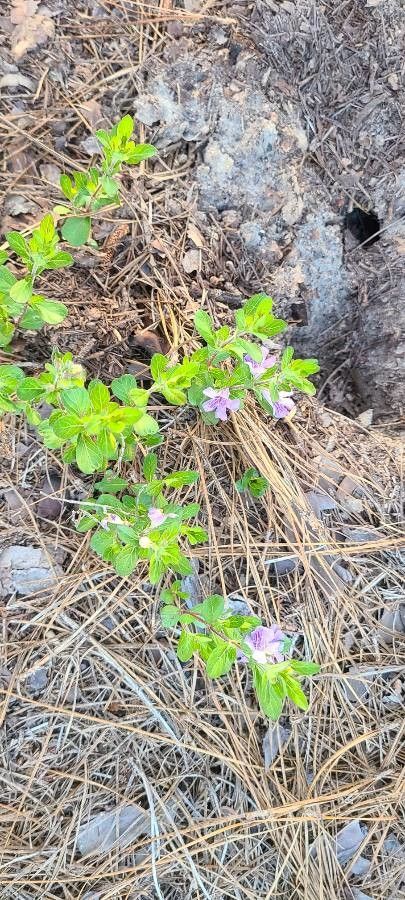
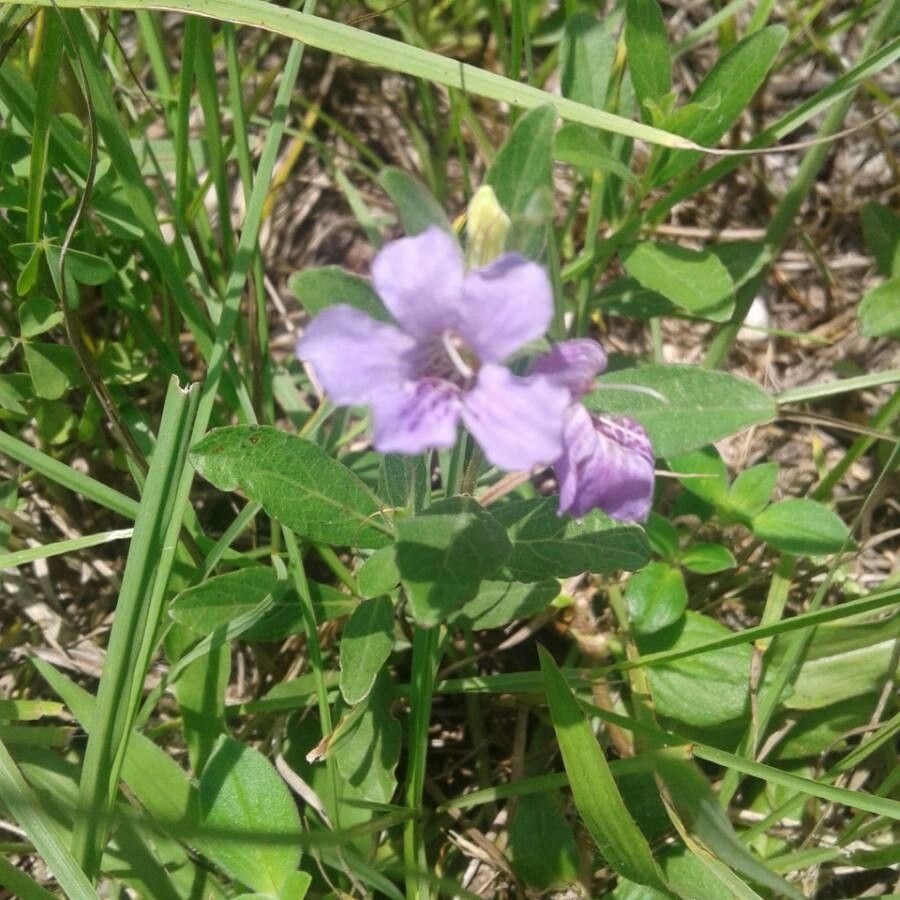
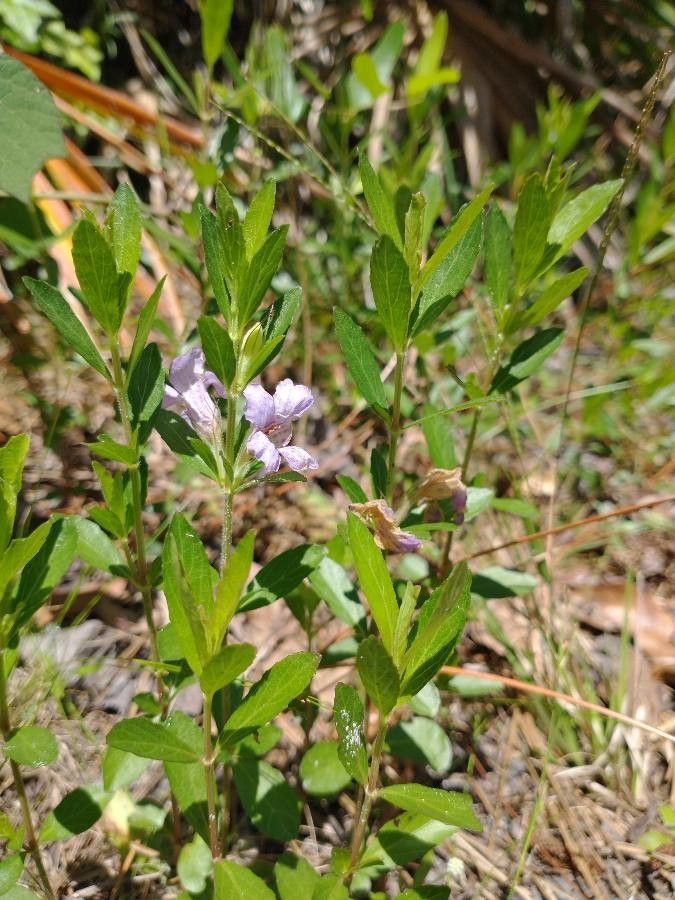
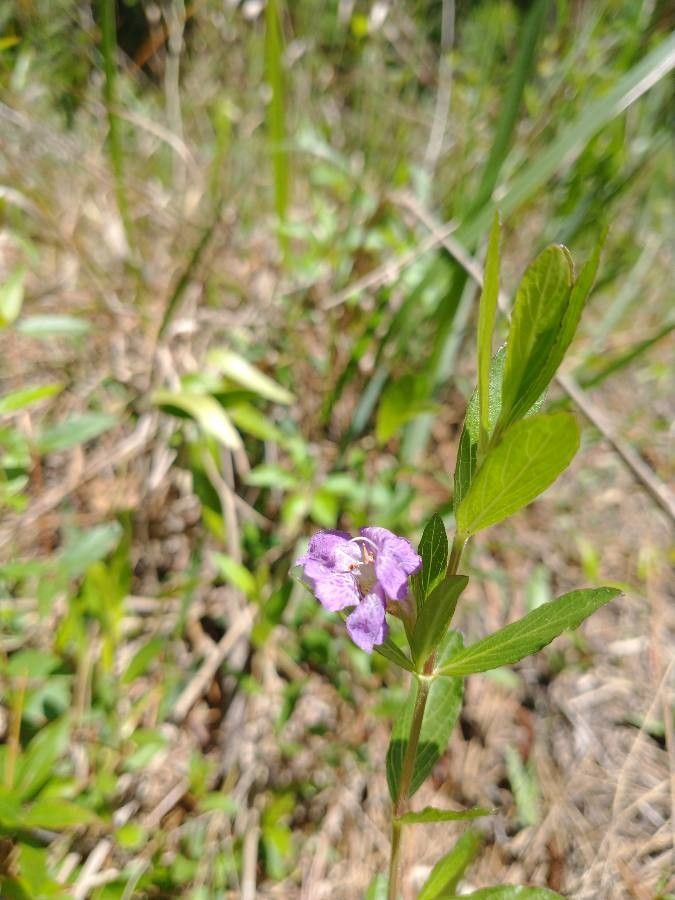
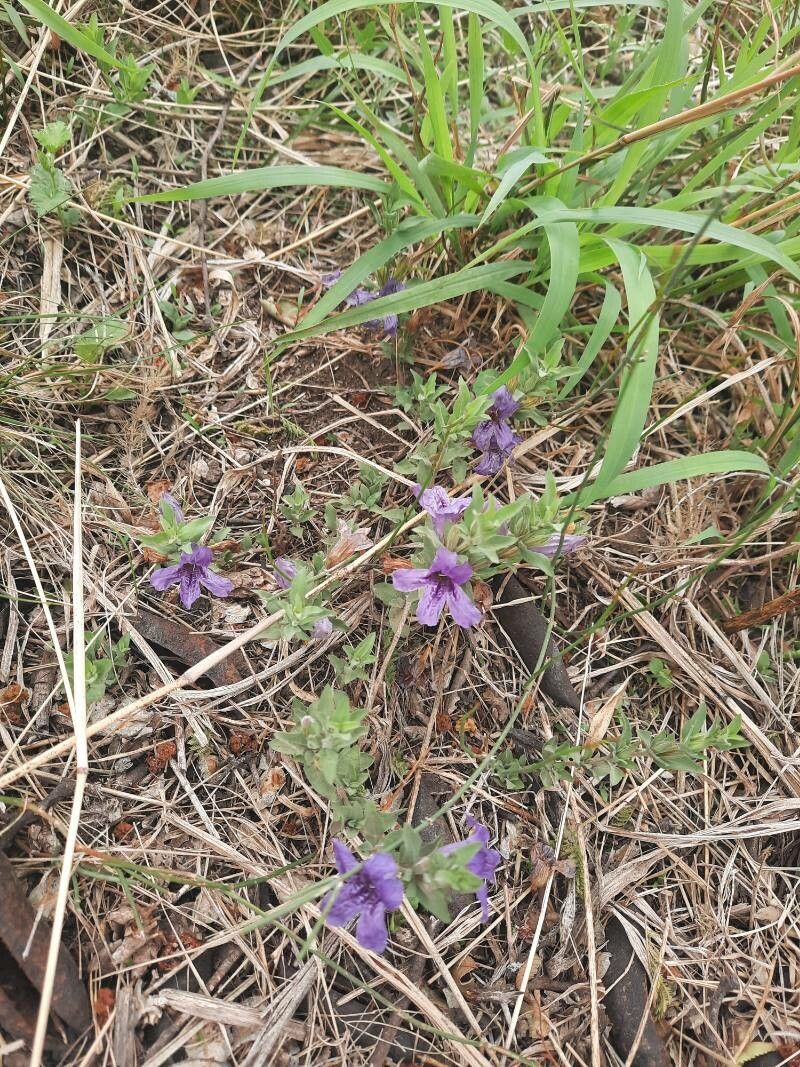
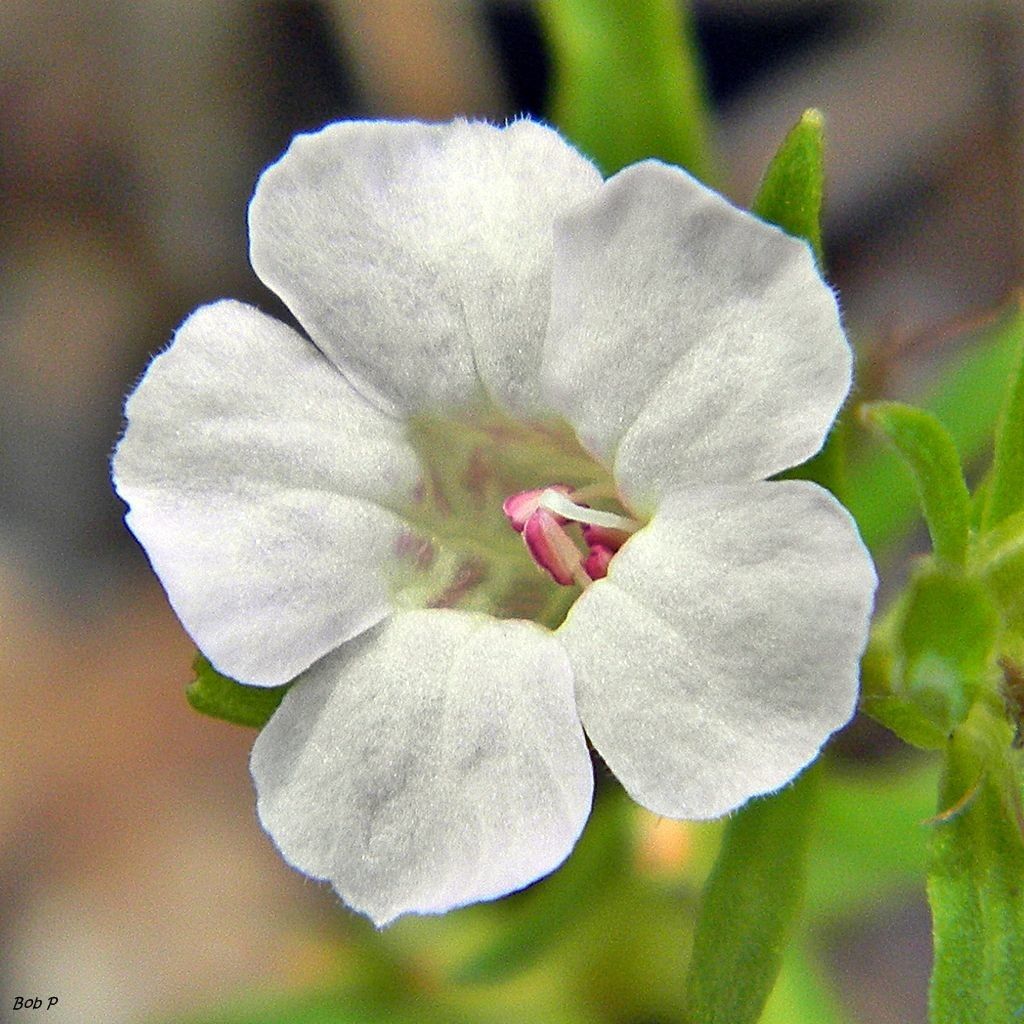
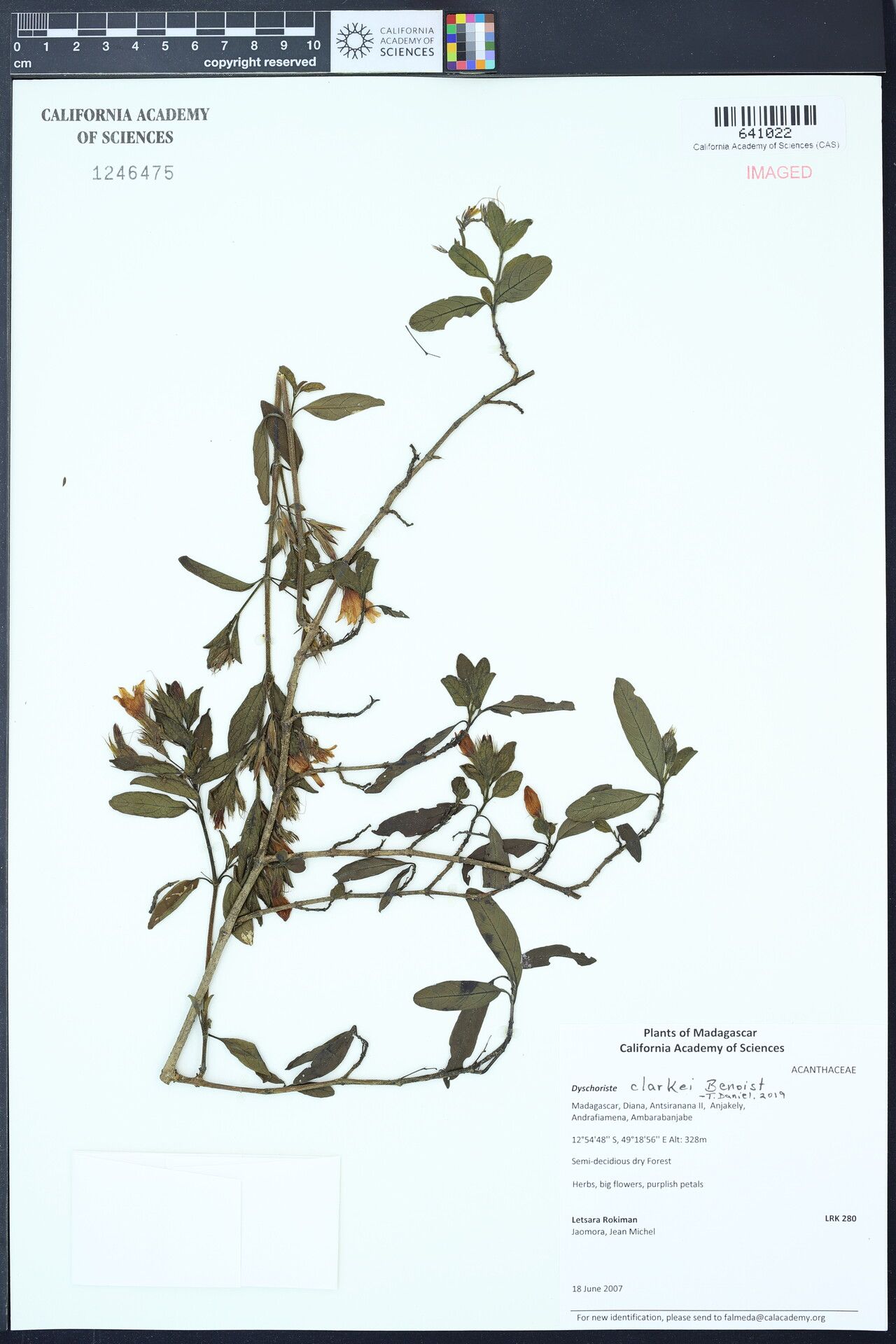
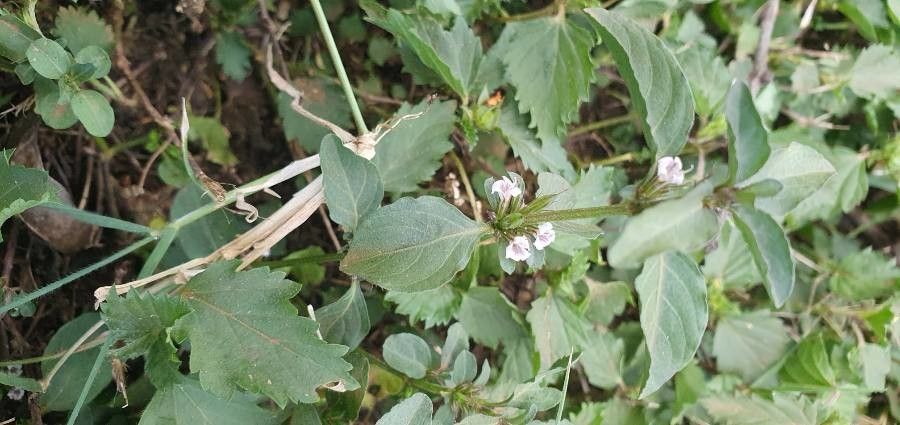
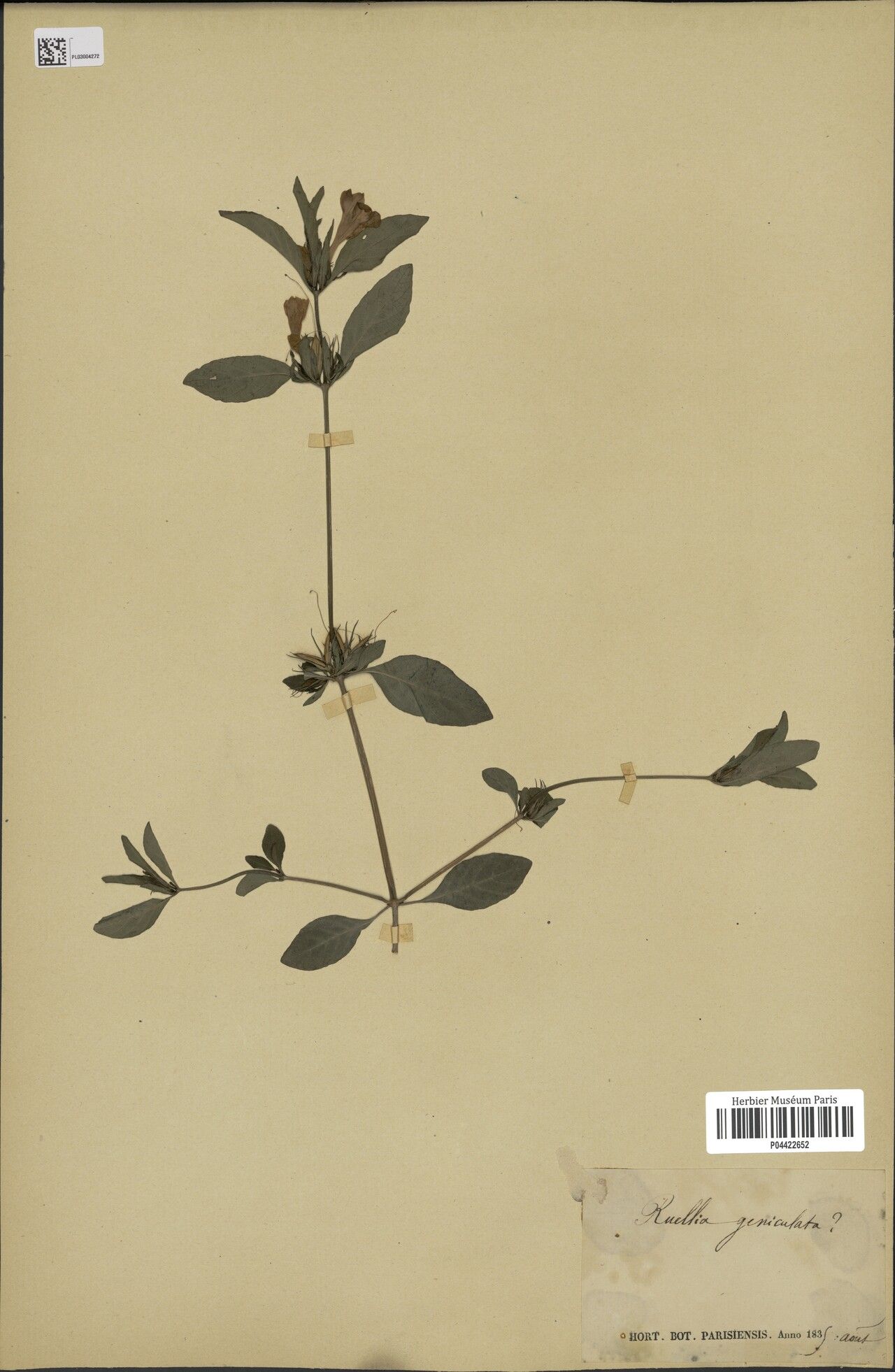
Dyschoriste oblongifolia is a species of the genus Dyschoriste, in the family Acanthaceae. Dyschoriste oblongifolia is also called oblongleaf snakeherb or twinflower.
Oblongleaf snakeherb is fairly disease-resistant and usually not prone to illnesses. However, it can be affected by pests and diseases present in its surroundings. These infections are typically not severe. For care, this plant requires moderate maintenance. It should be pruned regularly to preserve a good appearance and support healthy growth. Fertilizing can also encourage flowering. Oblongleaf snakeherb is suitable for anyone with outdoor spaces, such as a garden or patio, and does not demand extensive care experience. It may need more attention when grown indoors.
How to keep Dyschoriste Oblongifolia.
Light
Oblongleaf snakeherb is indigenous to habitats like forest understories or rocky areas, where it receives natural shade. It favors partial sun but can also tolerate full sun or full shade, illustrating its versatile and hardy nature.
Temperature
Oblongleaf snakeherb is fairly adaptable to temperature, able to endure higher heat and wider temperature swings. In hot conditions, care should be taken with watering and providing some shade to avoid sunburn. Conversely, Oblongleaf snakeherb is less tolerant of low temperatures; although it can handle some cold, very low temperatures may cause frost damage.
Fertilizer
The ideal time to fertilize an Oblongleaf snakeherb is in early spring, as it emerges from dormancy and begins active growth. Fertilization supplies essential nutrients for healthy growth. Although Oblongleaf snakeherb has relatively low fertilizer needs, annual fertilization can enhance its survival and promote better, longer-lasting flowers.
Pruning
The oblongleaf snakeherb is characterized by its oblong leaves and vibrant purple flowers. To promote healthy growth, prune the plant in early spring. This involves removing old stems and cutting off spent blooms, which encourages continuous flowering. Be careful not to over-prune, as too much pruning can stress the plant. Keeping pruning minimal will help strengthen the plant and improve its resistance to pests.
Botanical profile.
- Plant Type
- Herb
- Life Cycle
- Perennial
- Genus
- Dyschoriste
- Family
- Acanthaceae
- Hardiness Zone
- 8-11
- Mature Height
- 15 cm to 30 cm
- Mature Spread
- 20 cm to 40 cm
- Leaf Color
- Green, Dark Green
- Leaf Type
- Evergreen
- Flower Color
- Lavender, Purple
- Flower Size
- 1.02 cm to 2.03 cm
- Bloom Time
- Mid spring, Late spring, Summer, Early fall
- Planting Time
- Spring, Summer
- Harvest Time
- Summer, Fall
- Native Area
- Georgia
Other names.