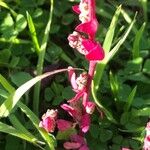
Dysphania ambrosioides
Jerusalem-tea · Epazote · Spanish-tea · Wormseed · American wormseed
Description
Source: leafsnapDysphania ambrosioides, formerly Chenopodium ambrosioides, known as Jesuit's tea, Mexican-tea, payqu (paico), epazote, mastruz, or herba sanctæ Mariæ, is an annual or short-lived perennial herb native to Central America, South America, and southern Mexico.
🎭 Wealth, Bravery, Might
Care Guide
💧 Water
Mexican tea, which originates from semi-arid climates, thrives in moderate watering and well-drained conditions. For optimal health, water the plant weekly. While it is typically grown outdoors, Mexican tea adapts well to natural rainfall patterns, making it an excellent choice for regions that prioritize water conservation.
How should I water my Mexican tea plant?
To water Mexican tea, you have several options. You can use a garden hose with a spray nozzle or a watering can, or any other common watering tool. Mexican tea isn't too particular about how it gets its water - it can survive on rainwater, tap water, or filtered water. However, it's generally not recommended to water this plant from above, as it can harm the leaves and flowers and potentially cause disease. One effective way to water Mexican tea is through a drip irrigation system, which distributes water evenly and directly to the soil. If you have a potted Mexican tea plant, the watering approach is similar but you can use a cup, watering can, or tap to directly water the soil in the container.
What should I do if I give my Mexican tea too much water or too little water?
If you see that your Mexican tea plant is not getting enough water, the solution is simple - water it more often. Overwatering, on the other hand, is a more serious issue that can lead to diseases and the eventual decline and death of the plant. To avoid this, choose a location for your plant that gets plenty of sunlight and has good drainage. If your Mexican tea is in a pot and you have overwatered it, consider transferring it to a new pot with better drainage. When you repot, use loose soil and a pot that drains water efficiently.
How often do I need to water my Mexican tea?
Mexican tea requires regular watering throughout the growing season. In the beginning of spring, it's best to water this plant once a week. As the season progresses and temperatures rise, you may need to increase watering to two or three times a week. However, watering too much can harm the Mexican tea, so be cautious. It's important to keep the soil moist but not wet, regardless of how often you water. Watering Mexican tea in a pot is slightly different. Potted plants tend to dry out faster, so you'll generally need to water them more frequently than plants in the ground. In most cases, plan to water a potted Mexican tea a few times per week, whereas an in-ground plant only needs watering once a week.
How much water does my Mexican tea require?
There are a few different approaches to figuring out how much water to give to your Mexican tea plant. One way is to check the moisture level of the soil by feeling it. This method suggests watering until the top six inches of soil feel moist. Another option is to use a specific measurement to determine the amount of water needed. Generally, giving your Mexican tea around two gallons of water per week is a good guideline, depending on the temperature and how quickly the soil dries out. However, be cautious about strictly following this guideline, as it could result in overwatering if your plant actually needs less water. When growing Mexican tea in a container, the method for determining water quantity is different. In this case, it is recommended to water enough to moisten all the layers of dry soil. You can check for moisture by inserting your finger into the soil or observe if a small amount of excess water drains out through the pot's holes.
How do I know if I'm giving enough water to my Mexican tea plant?
Avoiding overwatering your Mexican tea can be a bit tricky. These plants have deep roots, so weekly watering is necessary to keep the soil moist. However, Mexican tea is highly vulnerable to root rot and may show browning due to overwatering. Underwatering is less of a concern as these plants can survive without additional watering for some time. However, prolonged lack of water can cause wilting and dry leaves.
☀️ Light Full sun
Mexican tea requires ample sunlight to thrive but can survive with moderate light. Native to areas with abundant light, the plant’s health and growth can suffer if it doesn't get enough sun. Either too much exposure or too little sunlight can cause stress and impede its growth and development.
What are the sunlight requirements for Mexican tea plants?
Mexican tea plants require generous amounts of sunlight exposure, thriving best in full sun conditions, which means they should receive above 6 hours of sunlight daily. However, they can also manage in partial sun with about 3-6 hours of sunlight. When planning your garden, it's important to observe the movement of sunlight to ensure that your plants get the perfect balance of light and shade, crucial for their health and growth.
How can artificial lighting support the growth of indoor Mexican tea plants?
Indoor Mexican tea plants benefit significantly from adequate lighting, especially when natural sunlight is insufficient. During winter or in less sunny spaces, artificial lighting can be a vital solution. For optimal growth, the use of LED lights is recommended as they can be tailored to provide specific wavelengths needed by the plants. Full sun plants require 30-50W/sq ft, partial sun plants 20-30W/sq ft, and full shade plants 10-20W/sq ft of artificial light. The light source should be placed 12-36 inches above the plant, initializing for 8-12 hours per day to mimic natural sunlight conditions.
What are the common symptoms of light deficiency in Mexican tea plants?
When Mexican tea plants are grown indoors or in conditions with inadequate light, they may exhibit several symptoms indicative of light deficiency. These symptoms include smaller new leaves, leggy or sparse growth, faster leaf drop, slowed or halted growth, lighter-colored new leaves, chlorosis (leaves turning yellow), sunscald, leaf curling, wilting, and leaf scorching. Each of these symptoms points to the plant's struggle with insufficient sunlight, affecting its growth and health negatively.
What solutions can address light deficiency symptoms in Mexican tea plants?
To combat light deficiency in Mexican tea plants, several steps can be taken. For indoor plants, gradually moving them to sunnier locations each week until they receive at least 6 hours of direct sunlight daily is beneficial. Using a south-facing window or investing in professional plant grow lights for at least 8 hours daily can also provide the necessary light. Outdoors, gradually move plants to better sunlight spots, avoiding sudden changes to prevent sunburn. Reducing obstructions like pruning trees and transplanting smaller plants to sunnier locations can also help ensure that plants receive ample sunlight. While parts of the plant that suffered from low light may not recover, new growth should be healthy with increased light exposure.
🌡️ Temperature 15–37.8°C
Mexican tea is naturally suited to temperate climates, with temperatures ranging from 68 to 100 °F (20 to 38 ℃). It tolerates high heat and commonly grows in zones that experience intense warmth. Adjust care when temperatures are cooler.
What is the ideal temperature range for growing Mexican tea?
Mexican tea, botanically known as Dysphania ambrosioides, thrives in a temperate climate with a preferable temperature range of 68 to 100 °F (20 to 38 °C). It is well-suited to high temperatures, often flourishing in zones that experience intense heat. However, care should be adjusted in cooler temperatures. When conditions are cooler but still above the tolerable growing minimum temperature, Mexican tea usually does not require special attention. Nevertheless, should temperatures fall below this minimum threshold, temporary cold protection measures, such as wrapping the plant in plastic film, fabric, or other suitable materials, are necessary. These protections should be removed once temperatures rise to appropriate levels again.
How does Mexican tea respond to low temperatures?
Mexican tea exhibits moderate tolerance to low temperatures, performing best when temperatures remain above a specific minimum suitable for its growth. Through winter months, it's advised to maintain temperatures above the minimum tolerable growing point. If temperatures drop below a certain growth limit, the plant's leaves may begin to droop; this is an initial sign of distress. In mild situations, recovery is possible, but in severe cases, leaves will wilt and may eventually fall off. To manage such conditions, trim off the frost-damaged parts. Before experiencing low temperatures again, protect the plant by wrapping it with non-woven fabric or cloth and build a wind barrier to shield it from cold winds.
What should be done if Mexican tea experiences high temperatures?
In the summer, it is crucial to ensure that Mexican tea is maintained below the maximum suitable growth temperature. Exceeding the tolerable maximum can lead to symptoms such as the leaves becoming lighter in color, dry and withered leaf tips, curled leaves, and an increased risk of sunburn. To mitigate these issues, trim away any sunburned and dried parts of the plant. Relocate the plant to an area that is shaded during the intense midday and afternoon sun or utilize a shade cloth. Additionally, water the plant during cooler times of the day, such as in the morning and evening, to maintain soil moisture.
💨 Humidity normal (40-60%)
This plant will thrive in moderate humidity, which is probably the level in your home. However, misting it a few times a week can be very beneficial. Make sure the room has good ventilation.
🪴 Soil 6-7
🌱 Fertilizer
Mexican tea benefits from regular, dilute applications of fertilizer to encourage healthy leaf growth. You should fertilize Mexican tea about once a month during the summer. Nitrogen is important for foliage, and providing nitrogen-rich sources helps Mexican tea thrive.
🪴 Pot & Repot Every 12 months
✂️ Pruning
🌿 Propagating
🐛 Diseases & pets
☠️ Toxicity
Characteristics
- Plant Type
- Herb
- Life Cycle
- Annual, Perennial
- Genus
- Dysphania
- Family
- Amaranthaceae
- Hardiness Zone
- 8-11
- Mature Height
- 1.22 m
- Mature Spread
- 46 cm
- Leaf Color
- Green, Yellow, Red, Gold
- Leaf Type
- Deciduous, Semi-evergreen
- Flower Color
- Green, Yellow
- Flower Size
- 1.02 cm to 2.03 cm
- Bloom Time
- Late spring, Early summer, Mid summer
- Planting Time
- Spring
- Harvest Time
- Summer
- Native Area
- Belize, Honduras, Mexico, Guatemala, Georgia, Peru, Panama, Uruguay, Colombia, Paraguay, Argentina, Bolivia, Venezuela, Brazil, Guyana, El Salvador, Nicaragua, Costa Rica