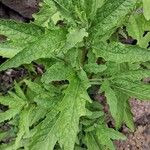
Dysphania anthelmintica
Wormseed · Wormseed Goosefoot
Care Guide
💧 Water
☀️ Light Full sun
Wormseed is native to luminous, open areas where it flourishes in unfiltered sunlight. While it can withstand some shade, it favors the full sun for best growth. Recognized for its preference for sunlight, this plant, which can be an annual or biennial, embodies a sun-loving disposition.
🌡️ Temperature 20–37.8°C
Wormseed can acclimate itself to varying temperature conditions, although its proliferation may be curtailed by a variety of water and heat conditions. It fares best in warm weather during the summertime provided there is sufficient rain or manual watering. Unusually long durations of overcast and rainy conditions, or extended high temperatures, can heighten the risk of Wormseed perishing. During the colder months, safeguarding against frost can enhance the plant's chances of survival.
💨 Humidity
🪴 Soil 6-8
🌱 Fertilizer
To stimulate healthy leaf development, Wormseed can benefit from regular, mild applications of fertilizer. During the summer months, you should provide fertilizer to Wormseed about once monthly. Nitrogen is vital for leaf growth, and adding fertilizers rich in nitrogen can aid the vigorous growth of Wormseed.
🪴 Pot & Repot
✂️ Pruning
🌿 Propagating
🐛 Diseases & pets
☠️ Toxicity
Characteristics
- Plant Type
- Herb
- Life Cycle
- Annual
- Genus
- Dysphania
- Family
- Amaranthaceae
- Hardiness Zone
- 9-11
- Mature Height
- 30 cm to 91 cm
- Mature Spread
- 20 cm to 49 cm
- Leaf Color
- Green, Dark Green
- Leaf Type
- Deciduous
- Flower Size
- 0.10 cm to 0.20 cm
- Bloom Time
- Summer, Early fall, Mid fall
- Planting Time
- Spring
- Harvest Time
- Late summer, Fall, Early winter
- Native Area
- Colombia, Mexico, Guatemala, Georgia