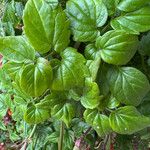
Eccremocarpus scaber
Chilean glory-flower · Glory Flower
Description
Source: leafsnapEccremocarpus scaber, commonly known as the Chilean glory flower or flame vine, is a fast-growing perennial vine native to Chile. Belonging to the family Bignoniaceae, this plant is celebrated for its striking clusters of tubular flowers that bloom in vibrant shades of orange, red, and yellow. The vine can reach heights of up to 10 feet, boasting slender stems adorned with small, paired leaves. Chilean glory flower thrives in full sun or partial shade and prefers well-drained soil. While it is a hardy plant capable of withstanding drought conditions once established, it requires regular watering during its initial growth period. Propagation can be achieved through seeds or stem cuttings. Because of its climbing nature, Eccremocarpus scaber is often used as an ornamental plant on trellises, fences, walls, or other support structures. Its vivid flowers are a magnet for hummingbirds and butterflies, making it a delightful addition to any garden landscape. Beyond its ornamental appeal, Eccremocarpus scaber has traditionally been utilized in Chilean medicine to treat respiratory ailments such as asthma and bronchitis, thanks to alkaloids found in the leaves. In summary, Eccremocarpus scaber is a stunning flowering vine that offers both aesthetic beauty and medicinal benefits, making it an excellent choice for gardeners seeking a blend of visual appeal and functionality in their plants.
Care Guide
💧 Water Every 7 days
The Chilean glory flower, native to arid regions, is drought-tolerant and requires weekly watering to prevent over-saturation. As an evergreen climber, it thrives outdoors, climbing towards light with minimal rainfall for moisture.
How should I water my Chilean glory flower in the best way?
To promote excellent root development, it's best to place a garden hose at the base of the plant. Avoid spraying water directly onto the leaves, as they require more watering when exposed to direct sunlight outdoors. Using bubblers or soaker hoses can help moisten the roots, and you can also use soaker hoses to ensure thorough watering when adding or removing plants. Be sure to drain any excess water and allow the soil to dry before watering again. Watering at ground level is recommended to prevent diseases. On a sunny day, it may be beneficial to spray the entire bush with water. Whether the Chilean glory flower is potted or in the ground, remember that it prefers deep watering rather than light sprinkling.
What should I do if I give too much/not enough water to Chilean glory flower?
When a Chilean glory flower is overwatered, it may display yellowing, wilting leaves that eventually drop off. The plant might also appear dull and unhealthy, with mushy stems. To address these issues, it's best to adjust your watering schedule. Wilting can also occur due to under watering, resulting in crispy, dry leaves, while overwatered leaves will be wilted and soft. When the soil is dry and regular watering is insufficient, provide a thorough watering in a timely manner. Sufficient water will help the Chilean glory flower recover, but the plant may still have dry, yellow leaves for a few days due to root damage. Once the plant returns to normal, the yellowing of leaves will cease. Indoors, it's important to check the moisture levels in the pot for the Chilean glory flower and avoid overwatering. Look out for black spots, and if present, allow the soil to dry by withholding water for a few days. Overwatering can lead to root rot, so if you notice discolored and slimy roots, consider transferring the plant to a different pot. Prevent root rot by avoiding excessively soggy soil. When planting the Chilean glory flower outdoors, dig a little deeper and check the soil moisture level with your fingers. If the soil is too dry, it indicates underwatering, and adequate watering is necessary for the plant's recovery.
How frequently should I water my Chilean glory flower?
To care for Chilean glory flowers, it's important to water them deeply and infrequently. This is especially crucial if they are planted in pots, as the soil in pots dries out quickly. To determine when to water, check the soil and water when the top 2-3 inches are dry. In colder regions, water every 3 to 5 days, preferably in the morning. During hot days, check the soil moisture daily to prevent it from drying out. If you have a garden, water once a week in hot climates. Avoid overwatering, as excessive moisture can lead to root rot. In sandy soil, water more frequently, while in clay soil, water less frequently to avoid root rot. Lastly, add mulch around the plants outdoors to conserve water. Keep track of watering dates to ensure the plants are properly hydrated. Pay attention to drooping leaves, as they may indicate a need for water.
How much water should I give my Chilean glory flower?
The Chilean glory flower typically needs about a gallon of water on a regular basis. For potted plants, water them deeply until you see water dripping from the bottom of the pot, and then wait for the soil to dry before watering again. You can use a water calculator or a moisture meter to track how much water you've given your plant throughout the week. During the flowering period, provide ample water but allow the moisture to evaporate afterwards to avoid root rot. If the Chilean glory flower is planted outdoors and receives sufficient rainfall, it may not need extra watering. When the flower is young or newly planted, ensure it gets 1-2 inches of rain per week. As it grows, it can rely solely on rainfall. Only in extremely hot weather or if there is no rainfall for 2-3 weeks should you consider giving the plant a thorough watering during the cooler parts of the day to prevent heat damage. Additional watering may be necessary during long dry periods.
Should I water my Chilean glory flower more or less depending on the time of year or the weather?
The Chilean glory flower needs outdoor conditions with rain, but if it's consistently dry, it will need watering. During spring and fall, keep the soil moist but not soggy, alternating between dry and moist conditions. In the summer, hot weather can cause water to evaporate quickly, so you may need to water more often if there's no rainfall. In winter, the Chilean glory flower needs less water and can be put in well-draining soil. Once it goes dormant, you can rely on fall and winter rains. When the plant is in a pot, ensure good drainage to avoid ponding or drought. Water the entire root system deeply once or twice a week, avoiding shallow sprinkles that reach the leaves. Don't let the plant dry out completely in the fall or winter. Avoid overwatering and provide mulch to reduce stress, conserve water, and promote healthy blooms.
☀️ Light Full sun
The chilean glory flower does best in plenty of sunlight but can tolerate moderate shade. Native to sun-drenched habitats, it takes advantage of those conditions for optimal growth. However, if the light is either too weak or too intense, its vigor may be reduced, which can affect its overall health and ability to bloom.
How much sunlight does the Chilean glory flower need to grow?
Tropical ornamental plants that thrive in full sun require at least 6 hours of direct sunlight each day. These plants are well-suited to areas with strong and direct sunlight, as they need this light to flourish. In their natural habitats, they tend to grow in open fields or along forest edges, where they can enjoy abundant sunlight all day long.
What happens if the Chilean glory flower doesn't get enough sunlight?
Tropical ornamental plants that need full sun may face issues if they don't receive enough sunlight. They might become leggy and weak, and their leaves could turn yellow or pale. Furthermore, they may stop producing flowers. Ultimately, if these plants continue to lack the required amount of direct sunlight, there is a possibility that they may die.
What happens if the Chilean glory flower gets too much sunlight?
Tropical ornamental plants that thrive in full sun require ample direct sunlight, but excessive exposure to intense sunlight can harm them. Prolonged periods of direct sunlight can cause sunburned leaves or the development of unsightly brown spots. Additionally, if the soil dries out too rapidly in full sun, these plants may become dehydrated.
How can you keep the Chilean glory flower safe from too much sunlight?
To protect tropical ornamental plants that thrive in full sun, it's important to find a spot with ample direct sunlight but some shield from the intense midday heat. If you're growing these plants in containers, you can move them to a shadier area during the hottest hours to shield them from excessive sunlight. Another option is to offer shade using a shade cloth or umbrella during the peak heat of the day.
🌡️ Temperature 20–35°C
The Chilean glory flower is native to habitats where temperatures range from 68 to 95 °F (20 to 35 ℃). It prospers in those conditions, so it's important to maintain a comparable environment, making seasonal adjustments when necessary.
What temperature is best for Chilean glory flower?
Plants are affected by colder temperatures because they match the temperature of the air around them. While exposure to the sun can warm them up, this is not the case in winter. The Chilean glory flower thrives in temperatures ranging from 70 to 85℉ (21 to 30℃). It can tolerate lower temperatures such as 20 to 30℉ (-6 to 0℃), or even 15℉ (-10℃) for a short duration, but prolonged exposure can cause damage from frost. To ensure their well-being, maintain maximum temperatures between 70 to 85℉ (21 to 30℃) and provide occasional water sprays and shade to prevent wilting.
Should I change the temperature for the Chilean glory flower when it is growing at different stages?
To ensure successful growth of the Chilean glory flower, it is important to research and maintain the right temperature. Some growers may choose to lower the plants' temperature during the growing season to save on HVAC costs. However, it is crucial to understand that temperature can impact flowering, pest management, and plant quality. During winter, some species of the Chilean glory flower may enter a dormant state and stop growing. As the season changes and the temperature rises, the base temperature increases, resulting in faster growth. Species that naturally thrive in warmer environments have higher optimal temperatures compared to those that prefer cooler climates. When exposed to cool temperatures, the seeds of the Chilean glory flower may experience decreased uniformity and delayed growth. Lowering the temperature during flowering may be beneficial, but it should not be done during other phases. Cooler night temperatures also require less watering, so the irrigation should be adjusted accordingly.
How can I keep the Chilean glory flower warm when it's cold outside?
To help the Chilean glory flower withstand colder temperatures, stop fertilizing it to prevent new growth. This will allow the existing flowers to adapt and become hardier. To provide warmth, consider constructing cages or trellises around the plant. Another option is to use heat mats, which can gently warm the soil and maintain the ideal temperature range for the Chilean glory flower.
How can I protect Chilean glory flower from being damaged by temperature?
To protect the Chilean glory flower from frost in winter, you can cover it with cloths, tarps, burlaps, sheets, or plastic buckets. Just be sure to keep them secured to act as insulators and prevent them from blowing away. However, avoid letting the plastic sheets or burlap covers touch the fruit or foliage, as this can cause burns due to the transfer of cold temperatures. When the daytime temperatures start to increase, make sure to remove the covers.
Do I need to change the temperature for Chilean glory flower during different seasons?
In spring, when growing the Chilean glory flower, it is important to maintain humidity levels due to the cooler air temperature. Dry conditions can be stressful for various plant species. However, when summer arrives, the greenhouse's large cover and warm temperature naturally increase humidity. Pay attention to signs such as condensation on the greenhouse walls, as this can lead to problems with pollination and infections when water falls on the leaves. Adjustments should be made based on the temperature, and spraying should be done on hotter days of the year.
💨 Humidity
🪴 Soil 6-7
🌱 Fertilizer
The timing of fertilizing the Chilean glory flower is important. Apply fertilizer in early spring and then monthly until early summer. Fertilizer promotes attractive blooms and supplies energy during both dormant and active growth periods.
Why should I add fertilizer to my Chilean glory flower?
To help your Chilean glory flower produce beautiful blooms, it's important to fertilize it. The best time to do this is in early spring, as it will ensure excellent flowers during that season. Additionally, fertilizing provides the flower with energy that can be stored in the ground during dormant growth phases. By giving your Chilean glory flower extra nutrients during fall planting or late spring, it will have more energy to use once active growth resumes.
When should I fertilize my Chilean glory flower to get the best results?
To ensure effective use of fertilizer, it is important to time the application correctly for Chilean glory flower. If fertilizer is used too early, while the flower is still dormant, it will be ineffective and washed away by rainwater, leading to waste and pollution. The first application of fertilizer should be in early spring, followed by monthly applications until early summer.
When is not a good time to add fertilizer to my Chilean glory flower?
To ensure optimal growth, avoid using fertilizers high in nitrogen for the Chilean glory flower. Excessive nitrogen can result in an abundance of leaves but few blooms. Instead, opt for fertilizers with lower levels of nitrogen relative to other nutrients. During the early autumn, refrain from fertilizing the plant as it can lead to excessive growth right before winter. Similarly, avoid fertilizing the Chilean glory flower during hot and dry periods. Dry soil does not effectively deliver the fertilizer, and stimulating growth during this time may require additional water that may not be available. It is advisable to apply fertilizer earlier in the season when temperatures are cooler. Lastly, be cautious about unintentionally over-fertilizing nearby plants or lawns. The Chilean glory flower can absorb fertilizer applied to its surroundings, potentially resulting in a double-dose.
What kind of fertilizer does my Chilean glory flower require?
To help your Chilean glory flower thrive, it is recommended to use a fertilizer with a balanced mix of plant nutrients, with slightly more phosphorus. Another option is to enrich the soil with organic materials like compost, worm castings, and manure. Some experienced gardeners also use water-soluble fertilizers with phosphorus when the flower buds appear, promoting better growth, larger blooms, and longer blooming periods. There are various forms of fertilizers available, but liquid and powdered ones are considered to be the best for Chilean glory flowers. No matter which type you choose, it's important to dilute the fertilizer and apply it while watering the plant.
How can I help my Chilean glory flower grow better?
To properly fertilize your Chilean glory flower, it's crucial to follow the specific instructions for the fertilizer type and do some research. Avoid over-fertilizing by determining the correct amount to use. Typically, you can use the age of the tree or the trunk diameter as a guide. A general rule of thumb is to apply about one-tenth of a pound of fertilizer per year or per inch of trunk, with a maximum of one pound. Granular and organic fertilizers like blood meal can be sprinkled around the tree's base, extending out to the drip line (the outermost branches). Avoid direct contact with the trunk. Over time, the granules will break down and be absorbed by the roots through the soil. After fertilizing, spread a one-inch layer of compost around the base and thoroughly water the tree.
🪴 Pot & Repot 2-3 years
Repot your Chilean glory flower every 2-3 years in the spring to encourage healthy growth. Choose a medium-sized pot with good drainage. After repotting, place the plant in bright, indirect light and maintain consistent moisture to aid its recovery. With the right care, this flowering vine will flourish and produce beautiful tubular blooms.
✂️ Pruning
The Chilean glory flower is known for its vibrant tubular blooms and climbing growth habit. To maintain its health and appearance, prune in early spring to remove any dead growth and stimulate the development of new shoots. Thinning the plant will also enhance air circulation, which helps reduce the risk of disease. For rejuvenation, cut older stems down to ground level to promote healthier growth and lead to more impressive blooms.
🌿 Propagating
🐛 Diseases & pets
☠️ Toxicity
Glory Flower is not considered toxic. It has no known harmful effects on people or pets and is generally safe as an indoor or outdoor houseplant.
Characteristics
- Plant Type
- Vine
- Life Cycle
- Perennial, Annual, Biennial
- Genus
- Eccremocarpus
- Family
- Bignoniaceae
- Hardiness Zone
- 9-10
- Mature Height
- 3.05 m
- Mature Spread
- 1.83 m
- Leaf Color
- Green
- Leaf Type
- Evergreen
- Flower Color
- Orange, Red
- Flower Size
- 2.03 cm to 3.05 cm
- Bloom Time
- Late spring, Summer, Fall
- Planting Time
- Spring, Summer
- Harvest Time
- Mid summer, Late summer, Fall, Early winter
- Native Area
- Peru