Echeveria peacockii
Description
Source: leafsnapEcheveria peacockii is a scientific name that has been used for two plants: Dudleya pulverulenta, for which it is a synonym Echeveria desmetiana, for which it is an illegitimate name
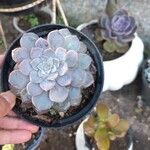
💡 Echeveria peacockii 'Desmetiana' is a beautiful succulent with spoon-shaped leaves arranged in a lotus-like formation. At the front of each leaf, there's a small tip. The plant displays a striking bluish-pink or bluish-purple hue, making it visually appealing.
🌳 Although its main function is as an ornamental, peacock echeveria fills a distinct niche in xeriscaping, a landscaping technique that lowers irrigation requirements. With water scarcity becoming more common, peacock echeveria presents an attractive choice by contributing exotic character and durability to gardens designed for water conservation. Its impact goes beyond mere appearance, as it can help shape sustainable gardening practices and may aid in easing water-use pressures in arid regions.
🎭 Love more powerful than stone
Care Guide
💧 Water Every 2-3 weeks
The Peacock Echeveria is a hardy plant that excels in dry conditions, demonstrating excellent drought tolerance. It should be watered every 2-3 weeks, allowing the soil to dry completely between waterings to prevent root rot. This evergreen succulent is perfect for indoor settings and thrives in well-draining soil, which suits its low moisture requirements and enhances its visual appeal.
How should I water my Peacock echeveria?
To properly water a Peacock echeveria plant, you need to follow a few steps. First, wait until spring when new leaves are growing before watering. Once it's time to water, do so when the soil in the pot is completely dry. You can use either tap or distilled water. Avoid watering from above and instead water at the base of the plant, evenly spreading water across the soil's surface. This method ensures all parts of the soil are moist without wetting the above-ground parts. You can keep adding water until you see excess water draining from the pot's hole.
What should I do if I give my Peacock echeveria plant too much or too little water?
Overwatering is a common problem for Peacock echeveria plants and can quickly lead to plant death. To prevent overwatering, it is important to let the soil dry completely before watering. Many people mistakenly water their plants too much, especially during the dormancy period. In this guide, we will focus on how to fix the issue of overwatering. If your Peacock echeveria shows signs of overwatering, it's recommended to remove it from its current pot. Check the roots for any signs of rot or moisture-related disease and remove them. Some roots may be salvageable after a thorough cleaning. Then, repot the plant in well-draining soil to prevent future overwatering. Although less common, underwatering can also occur. In this case, simply water the plant more frequently, taking care not to overcorrect and overwater it.
How often should I water my Peacock echeveria plant?
The Peacock echeveria is a type of succulent plant that requires very little water due to its natural habitat, which is hot and dry. To properly care for this plant, allow the soil to completely dry out between waterings. This usually takes around two weeks to a month. The frequency of watering varies depending on the season. During the spring and summer, when the plant is in a growing state, water every 2-3 weeks. In the summer, the soil may dry out faster. However, when the temperature drops below 60 degrees or rises above 85 degrees Fahrenheit, the plant will be dormant and does not need watering. In this case, reduce or stop watering until the temperature is suitable for growth, and then resume watering.
How much water does my Peacock echeveria plant require?
Peacock echeveria typically requires a minimal amount of water, as it can sustain itself without frequent watering. However, when it is time to water the plant, it is important to give it a substantial amount of water. While there is no specific measurement, you should water the plant until the soil is completely soaked. To ensure this, especially if the plant is in a pot, water it until you see water draining out of the bottom. Another method is to test the soil's moisture by inserting a pencil or similar object into the soil; if it comes out damp, you have provided enough water.
How do I know if I'm giving enough water to my Peacock echeveria?
Overwatering is a bigger problem than underwatering. When overwatering happens, you'll notice right away as the leaves lose their form, become mushy, and change colors. Healthy living stone leaves would be durable and maintain their shape. Peacock echeveria rarely suffers from underwatering since it can often survive with no water. But if underwatering does occur, you'll typically see leaf discoloration and dryness.
☀️ Light Full sun
Peacock echeveria needs ample sunlight to do well, mirroring the strong sun of its native habitat. It can tolerate spots with less light, but excessive sun can scorch the leaves, while too little light can cause stunted growth and faded color.
How much sun does Peacock echeveria need to grow?
The Peacock echeveria needs a minimum of 6 hours of sun per day, but it can benefit from even more sunlight. The exact number of hours may depend on the intensity of sunlight and other factors, but it is unlikely for the Peacock echeveria to receive excessive sunlight. In fact, it can tolerate up to 14 hours of sun per day with no issues.
What kind of sunlight does Peacock echeveria need?
Peacock echeveria thrive in bright sunlight and prefer direct light or bright indirect sun. While some types can survive in partial sun, they generally do best with more sunlight.
Should I keep the Peacock echeveria out of direct sunlight?
Peacock echeveria thrives in scorching, sunny areas and is well-suited to that kind of environment, which means it can handle the sun without needing any special protection. However, if your Peacock echeveria isn't used to a very sunny location, it's important to make the transition gradually. Plants need time to adjust to new conditions, so start by exposing this plant to a couple of hours of sun each day, then gradually increase the duration. Once it has adapted, most types of Peacock echeveria can handle full sun without any extra precautions.
What happens if Peacock echeveria doesn't receive enough sunlight?
Peacock echeveria needs enough sunlight to grow well. If it doesn't get enough sunlight, it can have some common signs like pale coloring, wilting leaves, and leaf drop. Another thing to look out for is etiolation or legginess, which happens when the plant tries to reach for more light and ends up looking thin and having weak stems.
What will happen if the Peacock echeveria gets too much sunlight?
Peacock echeveria can change colors to protect themselves from too much sun. To achieve this, many people like to give these plants a little bit of sun stress during the summer. Don't worry, this doesn't harm them, and they will go back to their normal colors when the light decreases in the fall and winter. However, be careful not to move them too quickly into direct sunlight, as they can get sunburned. If a plant gets sunburned, you should move it to a shadier spot and water it if needed. You can remove the damaged leaves, and new growth will replace them over time.
🌡️ Temperature 20–37.8°C
Peacock echeveria's native temperature conditions are a hot, dry climate with temperatures from 20 to 38 ℃ (68 to 100.4 ℉). The plant prefers warmth and can tolerate winter lows down to 10 ℃ (50 ℉). During summer, keep it in a well-ventilated spot and avoid subjecting it to temperatures over 38 ℃ (100.4 ℉).
What temperature is best for Peacock echeveria?
To provide the best conditions for Peacock echeveria, it is recommended to grow them in temperatures between 60-75℉ (15-25℃). Although they can tolerate slightly higher or lower temperatures, this range encourages optimal growth. Temps below 40℉(10℃) or above 95℉(35℃) will cause the plants to enter dormancy and stop growing. Prolonged exposure to high temperatures above 95℉ (35℃) can damage or even kill the plants.
Does the Peacock echeveria need different temperatures at different stages of growth?
Peacock echeveria go through different phases of life depending on the temperature. During summer, they enter a dormant phase, while in winter, they go through a growing phase. To actively grow, peacock echeveria need cooler temperatures, but not too cold. If the temperature drops below 40℉(10℃) at any time of the year, they will enter a state of dormancy. On the other hand, high temperatures can also induce dormancy and reduce the plant's watering needs. During dormancy, it's important to avoid overwatering the plant, as that can cause root rot. Instead, only water the soil when it feels dry.
Three suggestions for managing the temperature of Peacock echeveria.
Here are some simplified tips for taking care of Peacock echeveria plants in different temperature conditions: Tip #1: Don't over-water in high temperatures. During summer, Peacock echeveria actually need less water. To check if the soil is dry enough, put your finger two inches below the surface. If it's already wet, avoid watering as it can cause root rot. Tip #2: Don't panic about temperature fluctuations. While it's best to keep the plants in the optimal range, they can survive temporary drops or rises in temperature. Fluctuations usually induce dormancy, resulting in reduced water usage. Return the plants to the correct range when possible, but don't worry if a sudden shift occurs. Tip #3: Avoid extreme heat exposure. Prolonged high temperatures cause Peacock echeveria to change and suffer damage. These changes may initially look pleasing, with leaves turning shades of red, yellow, or orange. However, the plant will eventually wither and cease growth, leading to death.
Does Peacock echeveria require varying temperatures depending on the time of the year?
Peacock echeveria typically grow during winter, but their flowers don't bloom until spring when temperatures are warmer. If you're planting these succulents indoors, their temperature requirements are not affected much by the seasons. Instead, the focus should be on ensuring they receive the right amount of sunlight. In winter, it can be challenging for Peacock echeveria to get sufficient light, while summers may provide too much. Excessive sunlight can harm the leaves and stems, impeding or stopping their growth. To achieve optimal results, place your Peacock echeveria in an area with bright, indirect light.
How can I make sure my Peacock echeveria stays at the right temperature?
If you are growing your Peacock echeveria indoors, it's important to keep them in an area with climate control. Depending on where you live, this could be an air conditioning unit for warmer regions or a heater for colder regions. However, make sure that the air from these systems doesn't directly hit the plants. It's best to have some natural air flow without drastically changing the temperature around them. Also, be mindful of the sunlight they receive indoors by placing them in rooms with ample, indirect window lighting. On the other hand, if you are keeping your Peacock echeveria outside, controlling the temperature becomes a matter of positioning them for optimum sunlight. This means avoiding direct sunlight and heat during midday. Peacock echeveria plants thrive in full sun or partial shade, so it's best to provide them with dappled sunlight filtered through a tree, plant, or fabric structure. Too much sunlight can expose them to high temperatures, which can lead to dormancy and damage.
💨 Humidity dry (<40%)
This plant prefers dry conditions, so don't mist it. However, watering it less often can also thrive in higher humidity.
🪴 Soil 6-7
🌱 Fertilizer
Peacock echeveria needs only light fertilizer applications once or twice a year during the growing season. Do not fertilize in winter or in summer when it is dormant. Cut back on feeding for recently repotted plants and wait a couple of months after repotting before applying fertilizer. Fertilizing helps maintain healthy growth and encourages flowering.
Why should I add fertilizer to my Peacock echeveria plant?
When fertilizing Peacock echeveria, nutrients are added to the growing medium. Although it stores water and nutrients, applying plant food during the growing season supports healthy growth. Additionally, fertilizing can encourage mature specimens to produce blooms in the growing season.
When should I fertilize my Peacock echeveria plant?
Peacock echeveria plants do best with a small amount of fertilizer during their growing season, which should be applied 1-2 times a year. It is recommended to fertilize them in the spring and autumn, but not during the winter or summer when they are dormant. If you have repotted your plants, be cautious with the amount of fertilizer and decrease it accordingly. It's also wise to wait a few months after repotting before beginning to use fertilizer.
When is the best time to not fertilize my Peacock echeveria?
Peacock echeveria, like most plants, goes through a dormancy period. During this time, it is best to avoid fertilizing the plant. The dormancy periods occur in the summer and winter when the plant stops growing. Additionally, it is recommended to not fertilize the plant for a couple of months after repotting in the spring.
What kind of fertilizer does my Peacock echeveria plant need?
When fertilizing Peacock echeveria, it's recommended to use a liquid plant food specifically made for succulents and cacti. Be sure to dilute the fertilizer with water to half-strength to prevent the buildup of fertilizer in the soil. Apply the fertilizer to the base of the plant and water it thoroughly, making sure any excess moisture drains away.
How can I nourish my Peacock echeveria plant?
When fertilizing Peacock echeveria, using liquid plant food is generally easier, but granules can also be used. Follow the directions on the packaging and remember to dilute liquid fertilizers to half-strength. Whether you choose granules or liquid plant food, make sure to apply it to the soil. In the case of granules, cover them with a thin layer of soil and water the plant.
🪴 Pot & Repot Every 2 years
When repotting a peacock echeveria, choose a pot just a bit larger than the current one that has good drainage. Use a gritty, well-draining cactus or succulent mix. Gently remove the plant from its old pot, brush off excess soil, and set it at the same depth in the new pot. Wait a few days before watering to allow any root damage to heal. Repot in spring or fall, and place it in a brightly lit area.
✂️ Pruning
To keep your peacock echeveria looking its best, prune it in the spring and fall by removing any dense or redundant branches. If you wish to propagate the plant, cut a sturdy stem with 5-6 leaves. Apply sulfur powder to the cut to protect it, and let it heal before planting it in slightly moist soil.
🌿 Propagating
🐛 Diseases & pets
☠️ Toxicity
Parents and pet owners rejoice! Echeveria peacockii are non-toxic to pets and humans, and pose no risk if ingested. They are so safe that many varieties of Echeveria are even used on wedding cakes as decorations. That being said, they are not necessarily considered edible so we don’t encourage snacking!
Characteristics
- Plant Type
- Succulent, Herb
- Life Cycle
- Perennial
- Genus
- Echeveria
- Family
- Crassulaceae
- Hardiness Zone
- 9-12
- Mature Height
- 6 cm to 30 cm
- Mature Spread
- 10 cm to 15 cm
- Leaf Color
- Blue, Green, Red
- Leaf Type
- Evergreen
- Flower Color
- Red, Pink
- Flower Size
- 1.02 cm to 1.52 cm
- Bloom Time
- Late spring, Early summer, Mid summer
- Planting Time
- Spring, Summer, Autumn
- Harvest Time
- Mid summer
- Native Area
- Mexico