Echeveria pulvinata
Chenilleplant · Plushplant · Rosy hens-and-chicks · Ruby Slippers · Cats & kittens
Description
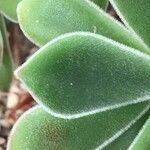
Source: leafsnapEcheveria pulvinata is a succulent plant belonging to the Crassulaceae family. Native to Mexico, it thrives in rocky areas and on cliffs. The plant features a rosette shape with fleshy, green leaves that have distinctive red tips and are covered in fine white hairs, giving it a velvety appearance. During the summer months, Echeveria pulvinata produces small, bell-shaped flowers on tall stems. These flowers are typically orange or yellow and attract pollinators such as bees and butterflies. This succulent is easy to care for and can be grown both indoors and outdoors, provided it receives plenty of sunlight. It prefers well-draining soil that is allowed to dry out between waterings. Echeveria pulvinata has become popular among succulent enthusiasts due to its unique appearance and ease of care. It makes an excellent addition to any indoor or outdoor plant collection, adding texture, color, and interest wherever it is planted.
💡 The entire Echeveria pulvinata plant is covered in soft, short hairs. When it receives enough sunlight during the colder months, the tips of its leaves develop a striking red color. In addition, a cluster of beautiful orange-red flowers blooms in winter and early spring.
🌳 The chenille plant is often disregarded for anything beyond its ornamental use. However, the chenille plant shows potential in ecological roles, such as serving as a bioindicator of soil health. Researchers have observed that certain Echeveria species can reveal the presence of specific minerals in the soil. Similarly, their rosettes can capture dust and pollutants, implying they may contribute to air purification in urban settings. Additionally, the plant’s visual appeal makes it a popular option for green roof installations, improving not only aesthetics but also providing insulation and habitat for urban wildlife.
🎭 Hardworking housekeeper
Care Guide
💧 Water Every 7 days
The Chenille plant is well-suited for semi-arid environments due to its high drought tolerance, needing water only once every three weeks. As an evergreen succulent, it stores moisture in its leaves. When grown indoors, it requires well-draining soil to prevent root rot and ensure proper hydration.
How do I water my Chenille plant properly?
To properly water a Chenille plant, timing is important. Wait until spring when new leaves are starting to grow before adding water. Only water when the soil in the pot is completely dry. You can use tap water or distilled water. Avoid watering from above; instead, water at the base of the plant, ensuring the water is applied slowly and evenly across the soil. This will keep the soil consistently moist without wetting the plant's above-ground parts. You can keep adding water until you see a light stream of excess water draining from the pot's hole.
What can I do if I give my Chenille plant too much or too little water?
An overwatered Chenille plant is a common problem and can be very harmful to its health, potentially leading to death. To avoid overwatering, it is important to let the soil completely dry before watering. Many people mistakenly water the Chenille plant incorrectly, especially during its dormancy period. In this guide, we will focus on how to address the issue of overwatering. When you notice signs of overwatering, it is best to remove the plant from its current pot and examine the roots. Any rotten or diseased roots should be removed, while others can be cleaned and restored to health. After this, it is recommended to repot the Chenille plant in well-draining soil to prevent future overwatering. Although less common, underwatering can also happen. In such cases, it is important to supply the plant with water more frequently, avoiding the mistake of overcompensating and overwatering it.
How frequently do I need to water my Chenille plant?
The Chenille plant is a succulent that requires less water than most other plants because it comes from a hot, dry region. To properly care for this species, you should allow the soil to completely dry out before watering again. Generally, it takes about two weeks to a month for the soil to dry out completely. The frequency of watering depends on the season. During the spring and summer, when the plant is actively growing, you can follow a watering schedule of every 2-3 weeks. In the summer, the soil may dry out faster. However, when the temperature drops below 60 degrees or goes above 85 degrees Fahrenheit, the plant goes into a dormant or semi-dormant state and requires less water. During this time, you should reduce or stop watering until the temperature is suitable for the Chenille plant to resume growth, and then you can start watering again.
How much water does my Chenille plant require?
The Chenille plant does not need a lot of water. It can go without water for a period of time. However, when it is time to water the plant, you should give it a generous amount of water. There is no specific amount, but continue watering until the soil is completely moist. To ensure this, if you have the plant in a pot, water it until water starts coming out of the drainage holes at the bottom. You can also test by inserting a pencil into the soil, and if it comes out moist, then you have watered enough.
How can I know if I am giving enough water to my Chenille plant?
Overwatering is a bigger problem than underwatering for Chenille plants. When overwatering happens, you'll quickly see the leaves losing their form, becoming mushy, and changing colors. This is quite different from healthy living stone leaves, which are usually sturdy and maintain their shape. Underwatering is rare for Chenille plants because they can often survive without any water. But if underwatering does occur, you'll typically notice leaf discoloration and dryness.
☀️ Light Full sun
The chenille plant flourishes in conditions resembling its native habitat, where sunlight is continuous but not intense. It prefers light throughout the day yet can tolerate when sunshine is filtered or diffused. Excessive exposure can cause dehydration or sunburn, while insufficient light can impede growth and vitality.
What are the sunlight requirements for a Chenille plant?
Chenille plants require specific sunlight conditions to thrive. They need full sun, which amounts to more than 6 hours of sunlight daily, or partial sun, approximately 3-6 hours of sunlight. It's essential to watch how sunlight moves through your garden to place your plants in areas that offer the perfect balance of light and shadow, catering to their needs and ensuring their growth and happiness.
What conditions do Chenille plants thrive in?
Chenille plants thrive in conditions similar to their native habitat, where the sun is abundant but not harsh. They prefer areas that are well-lit throughout the day but can also adapt to situations where sunlight is filtered or dispersed. While these plants can manage in different lighting conditions, overexposure to the sun may lead to dehydration or sunburn, and inadequate light exposure can inhibit their growth and overall vitality.
How can artificial lighting support Chenille plant growth?
When natural sunlight is insufficient, particularly during winter or in spaces that do not receive enough sunlight, artificial lighting can be a lifesaver for Chenille plants. Adequate artificial lighting promotes faster and healthier growth. Ideal options include LED lights, which can be customized to emit specific wavelengths necessary for plant growth. Full sun plants require 30-50W/sq ft of artificial light, partial sun plants need 20-30W/sq ft, and full shade plants need 10-20W/sq ft. The artificial light source should be placed 12-36 inches above the plants to mimic natural sunlight, and plants typically need 8-12 hours of light per day.
What are the common symptoms of inadequate light in Chenille plants?
Chenille plants may exhibit several symptoms when exposed to suboptimal lighting conditions, including lighter-colored new leaves, indicating insufficient chlorophyll and nutrient absorption; leggy or sparse growth, making the plant appear thin and weak; slower or halted growth as the plant enters survival mode due to poor light conditions; chlorosis, where leaves lose their green color due to chlorophyll breakdown; sunscald, resulting from intense sun exposure; leaf curling as a defense mechanism against excessive sunlight; wilting due to increased water loss through transpiration; and leaf scorching, characterized by brown, dry edges on leaves caused by too much sunlight.
What solutions can address light-related issues in Chenille plants?
To address light-related issues in Chenille plants, gradually acclimatize them to receive at least 6 hours of direct sunlight daily by moving them closer to a sunnier spot each week. For indoor plants that are large or difficult to move, consider using artificial light, keeping a desk or ceiling lamp lit for at least 8 hours daily or investing in dedicated plant grow lights. Outdoors, avoid sudden changes in light exposure to prevent sunburn and gradually relocate your plants to sunnier areas. If sunlight is blocked, identify and minimize obstructions, such as pruning trees, or consider transplanting smaller plants to a brighter location during their dormant period. Note that parts of the plant already affected by insufficient light may not recover, but new growth will be healthy after improving light exposure.
🌡️ Temperature 20–37.8°C
The chenille plant thrives in temperatures from 68 to 100 ℉ (20 to 38 ℃) and comes from regions with comparable climates. In winter, it’s advisable to keep the plant in an area around 50 to 60 ℉ (10 to 15 ℃) so it can enter proper dormancy.
What is the optimal temperature range for a Chenille plant?
The Chenille plant thrives in temperatures ranging from 68 to 100°F (20 to 38°C), which is reflective of its native habitat that features similar temperature ranges. During winter, it’s essential to keep the plant in a cooler environment, specifically within 50 to 60°F (10 to 15°C), to facilitate proper dormancy. Given that winter marks the growth season for the Chenille plant, maintaining temperatures above 20°C is crucial for optimal growth. Should the outdoor temperature fall below 0°C, it is advisable to bring the plant indoors to a well-lit area, adjusting watering based on the temperature—increasing it as temperatures rise and decreasing it as they approach freezing. For those overwintering the plant outdoors, a sheltered location with plentiful sunlight is recommended, and if consistently low temperatures are expected, setting up a temporary greenhouse can offer protection while keeping the plant adequately moist.
How should I care for my Chenille plant in low temperatures?
The Chenille plant is sensitive to extremely cold temperatures and displays optimal growth between 20°C and 38°C. In winter, it's crucial to ensure the temperature remains above 0°C. Exposure to temperatures below -5°C may lead to water-soaked necrosis and wilting of the leaves. While mild frost damage might not immediately show symptoms, affected leaves will significantly wilt and eventually fall off within a week. To combat frost damage, trim away frost-bitten areas and move the plant to a warm, indoor environment or set up a makeshift greenhouse to protect it from the cold. If moving the plant indoors, placing it near a south-facing window ensures ample sunlight. For those using a greenhouse, proper ventilation is vital to prevent plant decay due to poor airflow.
What should I do if my Chenille plant is exposed to high temperatures?
During the summer, it's important to keep the Chenille plant's environment below 38°C to prevent it from entering a dormant state. Temperatures exceeding 43°C increase the risk of the plant becoming dormant and more susceptible to rot, especially in high humidity conditions. If your Chenille plant is exposed to such high temperatures, remove any dry or rotten parts and relocate the plant to a partially shaded area to shield it from direct midday and afternoon sun. Watering should be halted until the weather cools down, to further mitigate stress and prevent rot.
💨 Humidity dry (<40%)
This plant prefers dry conditions, so don't mist it. However, watering it less often can also thrive in higher humidity.
🪴 Soil 6-7
🌱 Fertilizer
For the chenille plant, light applications of fertilizer once or twice a year during the growing season are adequate. Do not fertilize in winter or in summer when it is dormant. Reduce feeding for repotted plants and wait a couple of months after repotting before applying fertilizer. Fertilizing helps maintain healthy growth and encourages blooms.
Why should I put fertilizer on my Chenille plant?
Fertilizing the Chenille plant is beneficial as it adds nutrients to the growing medium. Despite its ability to store water and nutrients, applying plant food during the growing season helps promote healthy growth. Moreover, fertilizing can also stimulate mature specimens to produce blooms.
What is the best time to add fertilizer to my Chenille plant?
Chenille plants only require a small amount of fertilizer during the growing season, about 1-2 times per year. It is recommended to fertilize them in the spring and autumn, but not during the dormant periods in winter and summer. When repotting, be cautious with the amount of fertilizer used and wait a few months before applying it.
When is a good time to not use fertilizer on my Chenille plant?
The Chenille plant, like many other plants, goes dormant at certain times of the year. During the summer and winter, it stops growing and this is when you should avoid using fertilizer. Additionally, it's recommended to refrain from fertilizing for the first few months after repotting in the spring.
What kind of fertilizer should I use for my Chenille plant?
To properly fertilize a Chenille plant, it is recommended to use a liquid plant food specifically made for succulents and cacti. It is important to dilute the fertilizer by mixing it with water at a half-strength concentration. This precaution is necessary to avoid excessive build-up of fertilizer in the soil. When applying the fertilizer, direct it towards the base of the plant. Afterward, make sure to thoroughly water the plant, allowing any excess moisture to drain from the container or soak into the ground.
How can I make my Chenille plant grow better?
When fertilizing Chenille plants, liquid plant food is the easier option, although granules can also be used. Just follow the directions on the packaging and remember to dilute liquid fertilizers to half-strength. Whether you choose granules or liquid plant food, always apply it to the soil. Make sure to cover the granules with a thin layer of soil and water the plants, regardless of the type of plant food you are using.
🪴 Pot & Repot Every 2 years
When repotting a Chenille plant, pick a pot slightly larger than the current one that provides good drainage. Use a gritty, well-draining succulent or cactus mix. Gently remove the plant from its old pot, brush off excess soil, and place it back in at the same depth. Delay watering for a few days to allow any root injuries to heal. Repot in spring or fall and keep the plant in a brightly lit spot.
✂️ Pruning
To keep large succulent plants like the chenille plant looking their best, prune them in the spring and fall. Remove any dense or redundant branches. For propagation, cut a sturdy stem with 5-6 leaves, apply sulfur powder to the cut wound, and let it heal before planting it in slightly moist soil.
🌿 Propagating
🐛 Diseases & pets
☠️ Toxicity
Both humans and animals are not poisoned by the Echeveria pulvinata plant. Handling plants like Echeveria pulvinata can cause a reaction in sensitive people, especially those who have allergies. Calcium oxalate crystals found in its sap have the potential to irritate and hurt the skin when they come into touch with it. But only if these components come into touch with your skin or eyes will this become a concern.
Characteristics
- Plant Type
- Succulent, Herb
- Life Cycle
- Perennial
- Genus
- Echeveria
- Family
- Crassulaceae
- Hardiness Zone
- 9-12
- Mature Height
- 15 cm to 20 cm
- Mature Spread
- 30 cm
- Leaf Color
- Green, Red
- Leaf Type
- Evergreen
- Flower Color
- Yellow, Red, Orange
- Flower Size
- 1.02 cm to 5.08 cm
- Bloom Time
- Mid spring, Late spring, Early summer
- Planting Time
- Winter, Spring
- Harvest Time
- Early summer, Mid summer
- Native Area
- Mexico