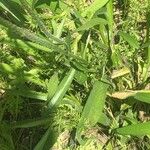
Echinacea pallida
Pale echinacea · Pale purple-coneflower · Pale-flower echinacea · Pale purple cone-flower · Pale coneflower
Description
Source: leafsnapEchinacea pallida, the pale purple coneflower, is a species of herbaceous perennial plant in the family Asteraceae. It is sometimes grown in gardens and used for medicinal purposes. Its native range is the central region of the United States.
Care Guide
💧 Water Every week
The Purple Coneflower thrives in dry prairie environments and is drought-tolerant, but it prefers consistent moisture. Watering it weekly mimics its natural conditions. This plant is usually grown outdoors and enters dormancy in the colder months, which reduces its water needs as it conserves resources.
How should I water my Purple Coneflower?
To properly water the Purple Coneflower, it is recommended to use filtered water at room temperature. Tap water may contain harmful particles, so filtered water is preferable. The plant is adapted to warm conditions, so it is best to avoid using cold water to prevent any shock. Moreover, overhead watering should be avoided as it can cause issues with the foliage. Instead, it is advised to thoroughly soak the soil with filtered room temperature water. This helps to moisten the roots and supports their growth and nutrient absorption.
What should I do if I give my Purple Coneflower too much water or too little water?
Overwatering and underwatering both harm the health of Purple Coneflower, but overwatering is more common. Excessive water causes wilting, yellowing of stems and leaves, as well as diseases like root rot, mold, and mildew that can kill the plant. Purple Coneflower is drought-tolerant, making underwatering less likely, but it can result in brittle, brown leaves. Detecting overwatering signs early is crucial as some diseases may become irreversible if ignored. Reduce watering immediately and check the soil drainage. Replace poorly draining soil with a loose, well-draining potting mix. If the plant lacks water, increase watering until signs disappear.
How frequently should I water my Purple Coneflower?
If your Purple Coneflower is in a pot, you can check if it needs water by poking your finger into the soil. If the top two to three inches of soil are dry, it's time to water it. If you have your Purple Coneflower planted in the ground, you can use the same method to check the soil. If the top few inches of soil are dry, it needs water. Normally, you'll need to water this plant about once a week during spring and early fall. However, during extremely hot weather, you may need to water it twice a week or more. It's worth noting that mature, well-established Purple Coneflowers can handle drought well.
How much water does my Purple Coneflower plant need?
To water your Purple Coneflower effectively, make sure the top two to three inches of soil are dry. Give the plant a long and thorough watering, making sure to soak the soil entirely. The amount of water should be enough to create excess water that drains through the holes at the bottom of the pot. If you don't see excess water draining, you may have given too little water. However, be cautious not to let water accumulate in the soil, as it can harm the plant. If there is no water draining through the pot, it could indicate poor drainage, which is bad for the plant's health. If the plant is outside, about 1 inch of rain per week is sufficient.
How do I water my Purple Coneflower as it grows?
The water requirements of the Purple Coneflower vary based on its growth stages. In the early years or after transplantation, it requires more water. During these stages, the plant focuses on developing new roots for future growth, which need additional moisture. However, as the plant matures over a few seasons, it requires less water. Another period when it requires more water is during the blooming phase, as flower development uses up significant moisture.
☀️ Light Full sun
Purple Coneflower does best in locations with sunlight all day, but it can tolerate areas where light is somewhat reduced. Excessive sunlight can cause leaf bleaching, while insufficient light can limit flower production. Native to sunny regions, this species has adapted to use that energy efficiently.
What are the sunlight requirements for Purple Coneflower?
Purple Coneflower requires full sun, which means it thrives in areas that receive more than 6 hours of direct sunlight per day. However, it can also adapt to partial sun conditions, with about 3-6 hours of sunlight. It's important to observe the movement of sunlight through your garden to find spots that offer a good balance of light and shade, ensuring the plants' optimal growth and happiness.
How does Purple Coneflower respond to different lighting conditions?
Purple Coneflower is best suited for environments with abundant sunlight throughout the day but can tolerate areas with somewhat less light. Inadequate sunlight may lead to leaf bleaching due to excessive exposure or reduced bloom production if the light is too limited. This plant originates from regions with plentiful sunlight and has evolved to effectively utilize solar energy for its growth.
Can artificial lighting be used for Purple Coneflower, and if so, how?
Yes, artificial lighting can support the growth of Purple Coneflower, especially indoors or in areas with insufficient natural sunlight. Optimal growth under artificial lighting requires choosing the right light type, like LED, which can be customized to provide specific wavelengths needed by the plant. For full sun plants, 30-50W/sq ft is recommended; partial sun plants require 20-30W/sq ft; and for full shade plants, 10-20W/sq ft. The light source should be placed 12-36 inches above the plant to mimic natural sunlight, ensuring 8-12 hours of light per day.
What are the symptoms of inadequate lighting for Purple Coneflower?
Symptoms of light deficiency in Purple Coneflower include smaller new leaves, leggy or sparse growth, faster leaf drop, slower or halted growth, lighter-colored new leaves, chlorosis, sunscald, leaf curling, wilting, and leaf scorching. These symptoms indicate the plant is not receiving enough light, leading to significant health impacts and reduced ability to photosynthesize.
What solutions can improve lighting conditions for Purple Coneflower?
To improve lighting conditions for Purple Coneflower, consider gradually moving plants to sunnier locations, ensuring at least 6 hours of direct sunlight daily. Utilize south-facing windows and keep curtains open for maximum exposure. Artificial lighting, such as desk lamps or professional grow lights, can provide supplemental light if needed. For outdoor plants, slowly adjust them to brighter areas to prevent sunburn. Minimizing obstructions, such as pruning trees, and transplanting to sunnier spots with good drainage can also help. Note that parts of the plant affected by poor light may not recover, but new growth should be healthy with improved lighting.
🌡️ Temperature 0–32.2°C
Purple Coneflower originates from temperate regions and is therefore adapted to a moderate climate with temperatures of 68 to 95°F (20 to 35℃). It favors sunlight and warmth but can adjust to cooler conditions with proper care.
What is the native climate of the Purple Coneflower?
The Purple Coneflower, known botanically as Echinacea pallida, is native to temperate regions, thriving in a moderate climate with temperatures ranging from 68 to 95°F (20 to 35°C). This plant enjoys sunlight and warmth but can also withstand cooler temperatures with appropriate care. Thanks to its strong cold resistance, it generally doesn't require special frost protection measures in winter. However, in regions where temperatures might plummet below -35°C, some form of cold protection, such as covering the plant with soil or straw, is advised. Additionally, watering the plant abundantly before the first freeze of autumn to maintain moist soil can help prevent drought and water scarcity during the colder months.
How does low temperature affect Purple Coneflower, and what are the solutions?
The Purple Coneflower is quite tolerant to cold conditions and performs best when temperatures stay above 20°C. Throughout the winter, it's crucial to keep the plant above 0°C. Exposure to temperatures below -35°C might not lead to visible changes during the winter itself, but it could result in decreased sprouting or a lack of sprouting come spring. To mitigate this, remove any parts in the spring that have failed to sprout, allowing for healthier, new growth.
How does high temperature affect Purple Coneflower, and what are the solutions?
During the summer months, it's important to keep the Purple Coneflower below 35°C. Exposures to temperatures above 38°C can cause the plant's leaves to lighten in color, become prone to curling, suffer from sunburn, and, in severe cases, lead to the entire plant wilting and drying out. Addressing this involves trimming away sunburned and dried-up parts of the plant. Relocating the plant to a shaded area during peak sunlight hours or covering it with a shade cloth can protect it from excess sun. Additionally, watering the plant in the mornings and evenings can help keep the soil adequately moist, supporting the plant's continued health and growth.
💨 Humidity
🪴 Soil 6-7
🌱 Fertilizer
The best time to fertilize a Purple Coneflower is in early spring, as it emerges from dormancy and starts active growth. Fertilization supplies essential nutrients for healthy development. Although Purple Coneflower has fairly low fertilizer requirements, feeding it once a year can improve its survival and encourage stronger, longer-lasting blooms.
Why should I put fertilizer on my Purple Coneflower?
Fertilization is important for the growth of the Purple Coneflower because it provides necessary nutrients for both the above and below ground parts of the plant. Although the Purple Coneflower has low fertilization requirements and can survive without it, annual fertilization is highly beneficial. It not only helps the plant stay healthy but also enhances the quality and longevity of its flowers. Therefore, those who want their Purple Coneflower to thrive should consider investing in annual fertilization.
When should I put fertilizer on my Purple Coneflower?
To ensure healthy growth, it is best to fertilize a Purple Coneflower in late winter to early spring when it is transitioning from dormancy to active growth. This helps the plant start the season strong. While early spring is generally the most advantageous time to fertilize, it is also acceptable to fertilize in the fall. However, it is not recommended to fertilize the plant during summer or winter.
When is the best time to not use fertilizer on my Purple Coneflower?
To properly care for your Purple Coneflower, it is best to only fertilize during late winter and early spring. This plant has low fertilization needs, so a single annual feeding is sufficient. Fertilizing during spring, summer, and fall can result in overfertilization and its associated problems. However, if you missed the opportunity to fertilize in spring, it is acceptable to feed the plant in the fall. Additionally, there is no need to fertilize during the winter when the Purple Coneflower is in a dormant growth phase and not producing new growth.
What kind of plant food does my Purple Coneflower need?
When fertilizing a Purple Coneflower, using a general-purpose fertilizer with balanced levels of the main plant nutrients is suitable. However, certain nutrient blends can be particularly advantageous. Many gardeners believe that a higher amount of phosphorus leads to stronger roots and better flowers. Thus, for a flowering plant like the Purple Coneflower, applying a phosphorus-rich fertilizer may be ideal. Whether in granular or liquid form, any fertilizer with sufficient nutrients will suffice. In addition to commercially made fertilizers, organic options like compost and manure can also greatly enhance the soil for healthy growth of Purple Coneflowers.
How should I make my Purple Coneflower grow better?
To fertilize a Purple Coneflower, the most common method is to use granular or pellet fertilizer and apply it to the soil around the plant. It's important to time this fertilization when the plant is transitioning from its dormant phase to active growth, usually in early spring when shoots begin to emerge from the soil. If you prefer to use liquid fertilizer instead, dilute it with water before applying. Regardless of the type of fertilizer you choose, it's recommended to moisten the soil before, during, and after applying the fertilizer.
🪴 Pot & Repot 2-3 years
To ensure optimal growth for your purple coneflower, refresh its environment every 2-3 years. Repot the plant in early spring, using a pot that's one size larger to support the development of the taproot. After repotting, water the plant thoroughly and place it in indirect light to minimize transplant shock. Regular care can resume shortly afterward.
✂️ Pruning
The Purple Coneflower produces striking, daisy-like blooms with a distinctive conical center. For healthy growth and improved air circulation, prune the plant from early to late spring. To prolong the blooming period and keep the plant looking tidy, remove spent flowers regularly. Avoid excessive pruning to maintain the plant's strength; however, cutting back faded flowers encourages additional blooms and helps maintain an ideal height.
🌿 Propagating
🐛 Diseases & pets
☠️ Toxicity
Characteristics
- Plant Type
- Herb
- Life Cycle
- Perennial, Annual
- Genus
- Echinacea
- Family
- Asteraceae
- Hardiness Zone
- 3-8
- Mature Height
- 61 cm to 91 cm
- Mature Spread
- 30 cm to 46 cm
- Leaf Color
- Green
- Leaf Type
- Deciduous
- Flower Color
- Pink, White, Purple
- Flower Size
- 2.54 cm to 7.62 cm
- Bloom Time
- Early summer, Mid summer
- Planting Time
- Spring
- Harvest Time
- Mid summer
- Native Area
- North America