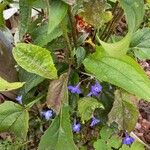
Echinacea purpurea
Purple Coneflower · Echinacea · Eastern purple-coneflower · Broad-Leaved Purple Coneflower · Purple Cone-Flower
Description
Source: leafsnapEchinacea, commonly known as the purple coneflower, is a perennial plant native to North America. As a member of the daisy family, it produces large, striking flowers with distinctive cone-shaped centers. Traditionally valued for its immune-boosting properties, Echinacea remains a popular ingredient in herbal remedies for colds and the flu. Typically, Echinacea plants grow to heights of 2-4 feet and thrive in full sun to partial shade. Once established, they are drought-tolerant but require well-draining soil. The flowers bloom from mid-summer through fall, attracting pollinators such as bees, butterflies, and hummingbirds. Beyond its medicinal uses, Echinacea is valued as an ornamental garden plant thanks to its attractive flowers and low maintenance needs. It can be grown from seed or purchased as established plants from nurseries or garden centers. Overall, Echinacea is a versatile plant, offering both practical benefits in traditional medicine and aesthetic appeal for home gardeners seeking an easy-to-grow perennial with showy blooms.
🌳 Purple coneflower has an important role in ecosystems, serving as a favored nectar source for bees and butterflies. Its bright, showy flowers are both visually appealing and attract pollinators, thereby supporting biodiversity. Additionally, it harbors beneficial insects that help control garden pests.
🎭 Vigor, wellness
Care Guide
💧 Water Every 7 days
The purple coneflower is a North American prairie plant that thrives in areas with moderate moisture and is well-adapted to occasional droughts. To keep it healthy, weekly watering is recommended. During the winter, the plant enters a dormant state, which greatly reduces its need for water.
When Should I Water My Purple Coneflower?
Timely watering is essential for the health and growth of the purple coneflower, scientifically known as Echinacea purpurea. It's important to recognize when to water by observing signs like the dryness of the top layer of soil, about 1 to 2 inches deep, checking if it feels dry to the touch. The condition of the leaves, such as drooping or wilting, can indicate the need for water, especially if they do not revive in cooler evening hours. The appearance of the flowers and the presence of browning leaf tips are also indicators. Excessive watering can lead to root rot, characterized by wilting, yellow leaves, and stunted growth, while insufficient watering may cause leaf burn and diminished vitality of the flowers. Despite being somewhat drought-resistant, neglecting these signs can impact the growth and flowering of the purple coneflower.
How Should I Water My Purple Coneflower?
Purple coneflower requires watering deeply and infrequently, adjusting to allow the top inch of soil to dry out between sessions. This approach ensures the roots are adequately moisturized without promoting soggy soil conditions. When using a watering can, choose one with a narrow spout to target the base of the plant and minimize foliage contact, reducing the risk of fungal diseases. A moisture meter can also aid in watering decisions, providing a more accurate measurement of soil moisture. It's critical to direct water towards the plant's base and to ensure foliage remains dry during watering to foster a healthier growth environment.
How Much Water Does Purple Coneflower Really Need?
The native North American purple coneflower thrives in various habitats and has adapted to moderate to low water levels, preferring well-draining soil. Given its relatively shallow roots, the ideal watering amount is about 1 inch per week, possibly through a single deep watering session or smaller amounts every few days. Properly hydrated plants will display vibrant, green leaves and the topsoil will feel slightly damp - not overly wet or dry. Both overwatering and underwatering can have detrimental effects, such as root rot or plant stress, respectively. It's crucial to provide good drainage, avoid overhead watering, and consider mulching to maintain soil moisture and temperature.
What Kind of Water is Best for Purple Coneflower?
Rainwater is the most beneficial for the purple coneflower, with filtered water as a viable alternative. Tap water should be left to sit for a day or two to allow chlorine evaporation due to the plant's moderate chlorine sensitivity. While it tolerates fluoride better, high levels are still harmful. Distilled water lacks beneficial minerals, hence not deemed optimal. Water treatments, such as dechlorination and avoiding hard water, support the coneflower's growth. Moderate or room temperature water is recommended to avoid plant stress.
How Do Purple Coneflower's Watering Needs Change with the Seasons?
Seasonal changes significantly impact the watering needs of the purple coneflower. In spring, the watering should slightly increase to support new growth, ensuring the soil remains lightly moist. Summer demands more moisture to sustain flowering, particularly during dry spells, with care to avoid waterlogging. As the plant enters dormancy in autumn, reduce watering, focusing on early morning sessions to prevent root freezing. Winter sees a further reduction in watering needs due to dormancy; water sparingly to keep the soil from becoming waterlogged and only if the environment is dry, consider light misting to maintain humidity without over-wetting the soil.
☀️ Light Full sun
The purple coneflower performs best with abundant sunlight throughout the day, yet it can also tolerate conditions where only part of the day receives sun. Native to sunlit habitats, it withstands variable light levels, although too little light can diminish its vigor and excessive sun may cause scorching.
What are the sunlight requirements for growing Purple Coneflower (Echinacea purpurea)?
The Purple Coneflower thrives best in conditions where it can receive generous amounts of sunlight throughout the day. It is adaptable to environments where it gets sun for only parts of the day. Originally from sun-rich habitats, this plant is quite robust against varying light conditions. However, too little light may affect its health and too much direct sunlight could lead to scorching. For healthy growth, it's crucial to find the right balance between light and shade in your garden.
How can artificial lighting be used for Purple Coneflower indoors?
When natural sunlight is insufficient for indoor Purple Coneflowers, especially during winter or in less sunny indoor spaces, artificial lighting can be a vital solution. For optimal growth, choosing the right type of light is essential, with LED lights being a popular choice as they can be tailored to provide specific wavelengths needed by the plant. Full sun plants typically require 30-50W/sq ft of artificial light, partial sun plants need 20-30W/sq ft, and full shade plants should have 10-20W/sq ft. The artificial light source should be placed 12-36 inches above the plant to mimic natural sunlight, and most plants will benefit from 8-12 hours of light per day.
What are the symptoms of inadequate lighting for Purple Coneflower?
Symptoms indicating that a Purple Coneflower is receiving insufficient light include smaller new leaves, leggy or sparse growth, faster leaf drop, slower or halted new growth, lighter-colored new leaves, chlorosis, sunscald, leaf curling, wilting, and leaf scorching. These symptoms help identify whether the plant needs a change in its lighting conditions to maintain health and vigor.
What solutions are available for managing light exposure for Purple Coneflower?
To optimize light exposure for Purple Coneflowers, gradually increase sunlight exposure for both indoor and outdoor plants, ensuring they eventually receive at least 6 hours of direct sunlight daily. For indoor plants, consider using south-facing windows or supplement with artificial light for at least 8 hours daily. Outdoor plants should be transitioned carefully to sunnier spots to avoid shock. If physical obstructions shade your plants, consider pruning or transplanting to sunnier locations. While parts of the plant that have suffered from insufficient light may not recover, new growth should be healthy with improved light conditions.
🌡️ Temperature 5–35°C
Purple coneflower is native to temperate regions and prefers temperatures between 68 and 95 °F (20 to 35 ℃). During cooler seasons, it's advisable to modify the environment to preserve the warmth the purple coneflower requires.
What is the native climate for the Purple Coneflower?
The Purple Coneflower, or Echinacea purpurea, is native to regions with temperate climates. It thrives best in temperatures ranging from 68 to 95 °F (20 to 35 °C). This plant has a preference for warmer conditions and maintains strong cold resistance, allowing it to withstand cooler seasons without requiring special frost protection measures.
How should you protect Purple Coneflower in extremely cold winters?
While the Purple Coneflower has strong cold resistance, it's important to protect it during winters when temperatures are expected to plummet below -30°C. Protection can be provided by covering the plant with soil or straw to shield it from extreme cold. Moreover, before the onset of the first freeze in autumn, it's beneficial to water the plant abundantly. This ensures the soil remains moist, preventing drought and water scarcity for the plant during the winter and early spring months.
What are the important symptoms and solutions for Purple Coneflower in low temperatures?
In low temperatures, the Purple Coneflower remains cold-tolerant, ideally kept above 0°C. However, when temperatures fall below -30°C, the plant may experience a decrease in sprouting or no sprouting at all come springtime. The solution for this issue is to remove any parts of the plant that have failed to sprout in the spring, thus helping to rejuvenate and promote new growth.
How does high temperature affect Purple Coneflower and what are the remedies?
During the summer, it's advisable to keep the Purple Coneflower below 35°C as temperatures above 38°C can cause the leaves to lighten in color, curl, become prone to sunburn, and in severe cases, lead to the entire plant wilting and drying out. To combat these symptoms, trim away the sunburned and dried-up parts of the plant, relocate the plant to a spot that receives shade during the midday and afternoon sun, or use a shade cloth. Additionally, watering the plant in the morning and evening hours can help keep the soil moist, mitigating some of the stress caused by high temperatures.
💨 Humidity normal (40-60%)
This plant will thrive in moderate humidity, which is probably the level in your home. However, misting it a few times a week can be very beneficial. Make sure the room has good ventilation.
🪴 Soil 5-7
🌱 Fertilizer
The best time to fertilize a Purple coneflower is in early spring, as it comes out of dormancy and begins active growth. Fertilizing supplies essential nutrients for healthy development. Although Purple coneflower has relatively modest fertilizer requirements, applying fertilizer annually can improve its survival and encourage healthier, longer-lasting blooms.
Why is it important to put fertilizer on my Purple coneflower?
Fertilization is important for the Purple coneflower due to several reasons. Firstly, it provides essential nutrients for the plant's growth above and below the ground. Despite this, the Purple coneflower has relatively low fertilization needs. While it can sometimes survive without fertilization, annual fertilization is highly beneficial. It helps to sustain the plant and promote the development of longer-lasting, better-quality flowers. Therefore, for those aiming to enhance the appearance of their Purple coneflower, annual fertilization should be maintained.
What is the best time to put fertilizer on my Purple coneflower?
The best time to fertilize a Purple coneflower is in late winter to early spring when it is transitioning from dormancy to active growth. Fertilizing during this time promotes healthy growth and sets the plant up for a successful season. Fertilizing in the fall is also okay, but it's not recommended in summer or winter.
When is the best time to not fertilize my Purple coneflower?
To properly care for your Purple coneflower, it is recommended to only fertilize it during the late winter and early spring. This plant has low fertilization needs, so a single annual feeding is sufficient. It is important to avoid fertilizing throughout the spring, summer, and fall as this can lead to overfertilization and all the associated complications. However, if you missed fertilizing in the spring, it is acceptable to give the plant a feeding in the fall. In addition, there is no need to fertilize the Purple coneflower during the winter months. During this time, the plant is in a dormant growth phase and doesn't produce new growth, so fertilization during most of the winter is not recommended.
What kind of fertilizer does my Purple coneflower require?
Purple coneflowers can thrive with any general-purpose fertilizer that has a balance of the three main plant nutrients. However, certain nutrient blends can be even more beneficial. For example, many gardeners believe that higher levels of phosphorus lead to stronger roots and better flowers. Since Purple coneflower is a flowering plant, using a phosphorus-rich fertilizer may be the best choice. Whether you opt for granular or liquid fertilizer, the important thing is to ensure that there are enough nutrients present. In addition to manufactured fertilizers, you can also use organic methods to improve the soil for your Purple coneflower. Compost, manure, and similar materials can greatly enhance the growing medium and promote a healthy plant.
How should I fertilize my Purple coneflower?
To fertilize a Purple coneflower, the most common method is to apply granular or pellet fertilizer to the soil around the plant. It is important to fertilize when the plant is transitioning from winter dormancy to active growth. Wait until the plant starts to send shoots through the soil in early spring before applying the fertilizer. Alternatively, some people may prefer using a liquid fertilizer, which should be diluted with water before application. Regardless of the type of fertilizer used, it is recommended to moisten the soil before, during, and after fertilization.
🪴 Pot & Repot 2-3 years
When repotting Purple coneflower, select a pot 1-2 inches (2.5–5.1 cm) larger with ample drainage. Use a well-draining potting mix. Repot in spring or fall, making sure the root ball sits slightly below the rim of the flower pot. Water thoroughly after repotting and place it in a warm spot with indirect sunlight.
✂️ Pruning
The purple coneflower is known for its beautiful blooms and medicinal properties. To encourage new growth and continuous blooming, prune the plant in early to late spring. Trim away dead stems and spent flowers during this time. Use clean tools to maintain the plant's size and shape and to prevent disease. For more detailed pruning techniques, consult horticultural guides.
🌿 Propagating
🐛 Diseases & pets
☠️ Toxicity
Purple coneflowers are non-toxic to humans and pets. But, like most non-toxic plants, ingesting a significant amount will likely cause undesirable symptoms.
Characteristics
- Plant Type
- Herb
- Life Cycle
- Perennial, Annual
- Genus
- Echinacea
- Family
- Asteraceae
- Hardiness Zone
- 4-9
- Mature Height
- 0.3 m to 1.52 m
- Mature Spread
- 10 cm to 49 cm
- Leaf Color
- Green
- Leaf Type
- Deciduous
- Flower Color
- Pink, Purple, White, Brown, Red, Orange, Yellow
- Flower Size
- 6.35 cm to 15.24 cm
- Bloom Time
- Summer
- Planting Time
- Spring
- Harvest Time
- Mid summer, Late summer, Early fall
- Native Area
- North America