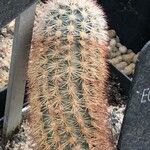
Echinocereus dasyacanthus
Texas rainbow cactus · Texas rainbow hedgehog · Golden rainbow hedgehog cactus · Spiny hedgehog cactus · Yellow-flower pitaya
Description
Source: leafsnapEchinocereus dasyacanthus, commonly known as the Texas rainbow cactus, is a cactus species native to the southwestern United States and northern Mexico. This small, slow-growing plant typically reaches a height of 6-12 inches and spreads up to 8 inches wide. Its cylindrical stem is covered in spines, ranging in color from yellow to red-brown. The cactus produces large, showy flowers with bright pink or magenta petals that bloom in late spring or early summer. The Texas rainbow cactus prefers well-draining soil and full sun exposure, although it can tolerate partial shade. While it is drought-tolerant, it requires occasional watering during the growing season. Echinocereus dasyacanthus can be propagated from seeds or stem cuttings. In its natural habitat, the species faces threats from habitat loss due to urbanization and agriculture, as well as illegal collection for ornamental purposes. However, it is not currently listed as endangered by any conservation organizations. Overall, Echinocereus dasyacanthus is an attractive addition to any desert garden, thanks to its striking spines and vibrant flowers. Moreover, it is relatively easy to care for once established.
Care Guide
💧 Water Every 7 days
The Texas rainbow cactus is perfectly suited for arid climates. It thrives with minimal moisture and needs deep watering only once every three weeks. Its drought tolerance makes it an excellent choice for xeriscaping and low-maintenance containers. With an efficient water storage system, it benefits from dry environments and high temperatures.
How should I water my Texas rainbow cactus in the best way?
To ensure proper watering of this species, it is recommended to water from the bottom. This allows the roots to absorb water and distribute nutrients from the soil throughout the entire plant. When water accidentally spills on the top part, it can lead to the development of diseases and fungi. If you have irrigation systems, use small sprinklers, especially for Texas rainbow cacti in your garden. Opt for revolving sprinklers that allow you to adjust the water delivery patterns as needed. Avoid using sprinklers on windy days. Whether your Texas rainbow cactus is in a pot or garden, use the soak and dry method to evenly distribute moisture across the roots for healthier growth. Some owners may consider installing a built-in drainage system for their succulents, using porous materials like recycled glass or hydro stones placed beneath the soil as a reservoir for excess water. It's important not to overwater these built-in systems.
What should I do if I give my Texas rainbow cactus too much or too little water?
When the Texas rainbow cactus turns yellow, it can be due to underwatering or overwatering. If the soil is too wet, it may suffer from fungal infections. To address these issues, allow the plant to dry and avoid overwatering. Additionally, if the plant is browning and dropping, it is receiving too much moisture. Conversely, yellow tips on stems and branches indicate insufficient watering. When purchasing a Texas rainbow cactus, inquire about the soil's drainage. Insufficient drainage can lead to water inadequacy in the future. Overwatering and excessive rain can cause the plant to die, so consider using rainwater or distilled water to avoid mineral buildup. Squishy stems, drooping growth, and discolored parts are all signs of excess moisture. To address this, give the plant time to recover and allow the pot to dry. If planted outside, transfer the cactus to a pot, especially during winter, to facilitate recovery and prevent root rot and dripping.
How often do I need to water my Texas rainbow cactus?
Watering frequency for succulents can vary depending on the season. In the summer and spring, you typically only need to water them once every two to three weeks. However, during the winter and fall, it's best to reduce or avoid watering altogether since these plants become dormant. It's important to let the soil dry completely before watering again. It's better to slightly underwater than to overwater. When potted, deep watering at intervals promotes healthier soil growth. When planted outdoors, avoid watering lightly as this encourages shallow root growth. Instead, wait a few weeks and only water when the surrounding soil is too dry.
How much water does my cactus in Texas need?
To efficiently water this succulent, cover the entire pot and place a saucer at the bottom to ensure adequate moisture for the roots. Remove the saucer as soon as you notice the soil becoming saturated. The frequency and amount of water needed for your plant will depend on the pot's holes and the amount of soil. For Texas rainbow cacti in pots, a can of water is usually sufficient. When planted in the garden or outdoors, consider the rainwater they receive. A single inch of rainwater can sustain them for a few weeks, so avoid watering during this time. In the morning, when the soil is completely dry, provide about a gallon of water for outdoor plants. This allows the sunlight to help evaporate any excess moisture.
Why do I need to water my Texas rainbow cactus?
Watering the Texas rainbow cactus is crucial for delivering nutrients from the soil to the entire plant. Inadequate moisture can result in the cactus being unhealthy or undernourished. It is important to water the plant when you observe signs of thirst, but avoid overwatering as it can be fatal. The recommended watering method is the soak and dry approach. When the soil appears excessively dry, soak the cactus in water until the pot drips water from the bottom. Subsequently, allow several weeks to pass without watering to allow the soil to recover.
☀️ Light Full sun
The Texas rainbow cactus needs plenty of sunlight to maintain healthy growth. In its native habitat it experiences unrestricted sun exposure without any shade. Although it can tolerate brief periods of reduced light, prolonged inadequate light can lead to stunted growth and poor flowering. Excessive exposure, however, can cause sunburn on its surface.
What are the sunlight requirements for the Texas Rainbow Cactus?
The Texas Rainbow Cactus (Echinocereus dasyacanthus) thrives in full sun environments, requiring more than 6 hours of sunlight daily for healthy growth. Its natural habitat is characterized by direct, unobstructed exposure to the sun's rays, without any shade. While it can withstand periods of less light, consistent insufficient sunlight may lead to poor development and blooming. Conversely, excessive exposure without any protection can result in sunburn. To ensure your cactus gets the right amount of sunlight, observe how sunlight moves through your garden and select locations that offer a good balance of light and shade.
How do I provide artificial lighting for Texas Rainbow Cactus indoors?
For indoor Texas Rainbow Cactus plants, adequate lighting is crucial, especially when natural sunlight is not sufficient. Artificial lights, such as LED lights, are beneficial in providing the necessary wavelengths for optimal growth. The recommended artificial light intensity is 30-50W/sq ft for full sun plants like the Texas Rainbow Cactus. Position the light source 12-36 inches above the plant and ensure it mimics the natural duration of sunlight, which is usually 8-12 hours per day. This approach helps in promoting healthier and faster growth during less sunny seasons or in indoor settings with limited natural light.
What are the symptoms of insufficient light in Texas Rainbow Cactus?
When Texas Rainbow Cactus does not receive enough light, several symptoms may manifest. These include smaller new leaves, leggy or sparse growth, faster leaf drop, slower or no growth at all, and paler new leaves. In extreme cases, the plant might suffer from chlorosis, where leaves lose their green hue and turn yellow, sunscald with damage due to intense light exposure, leaf curling as a protective response, wilting from excessive transpiration, and leaf scorching, indicated by brown, dry edges on leaves. These symptoms highlight the importance of adequate light for the health of your cactus.
What solutions are available for light-related issues in Texas Rainbow Cactus?
To address light-related issues in Texas Rainbow Cactus, gradual adaptation to stronger light is key. For indoor plants, shifting them weekly towards locations that receive at least 6 hours of direct sunlight, such as near a south-facing window, is beneficial. Artificial lighting can also support plants that are large or difficult to move by ensuring they receive around 8 hours of light daily. Outdoors, transitioning your cactus to sunnier spots over weeks can prevent sunburn. If light obstruction is an issue, consider pruning surrounding trees or transplanting smaller plants during their dormant period to areas with better sunlight exposure. Unfortunately, parts of the plant already affected by light deficiency may not recover, but new growth should be healthy with improved lighting.
🌡️ Temperature 10–35°C
The Texas rainbow cactus is native to habitats with temperatures ranging from 50 to 95°F (10 to 35℃). It prefers a moderate climate and may need adjustments as the seasons change. Be sure to monitor extreme weather conditions to ensure optimal growth.
What native environment does the Texas rainbow cactus thrive in?
The Texas rainbow cactus, or Echinocereus dasyacanthus, is native to environments with temperatures ranging from 50 to 95°F (10 to 35°C). This heat-loving plant prefers a moderate climate but requires adjustments with seasonal changes to ensure optimal growth. During the winter, it stops growing and enters a dormant state. To protect the plant from extreme weather, especially when temperatures drop below -15°C, it's advisable to move it indoors and place it near a south-facing window for ample sunlight. Supplementary lighting can be used if natural light is insufficient. As the temperature falls below 10°C, the plant's growth slows, and watering should be reduced or stopped to prevent root rot.
How should you care for Texas rainbow cactus in low temperatures?
In low temperatures, especially when the thermometer dips below 10°C, the Texas rainbow cactus becomes susceptible to stress, and at -15°C, being kept above this threshold is crucial to its survival. Exposure to temperatures below -25°C could result in weakness, wilting, and a higher risk of root rot for the cactus. If frost damage occurs, it's important to trim off the frostbitten areas immediately. Should the roots rot, they must be cut off, and the plant can be propagated through cuttings. During cold periods, move the cactus to a warmer location indoors, near a south-facing window, to ensure it receives sufficient sunlight. If natural light is inadequate, supplementary lighting can be a good alternative.
What care is needed for Texas rainbow cactus in high temperatures?
During the summer, it's crucial to ensure that the Texas rainbow cactus is kept under 35°C to avoid adverse effects. If the temperature surpasses 38°C, the cactus will stop growing, lose water, wilt, and become more prone to sunburn. To assist in recovery and prevent further damage, remove any sunburned or rotten parts immediately. Additionally, it's beneficial to provide shade from the harsh afternoon sun until the plant shows signs of recovery and resumes growth. For cacti affected by root rot, it's important to halt watering until new roots develop.
💨 Humidity
🪴 Soil 6-7
🌱 Fertilizer
For the Texas rainbow cactus, small amounts of fertilizer applied one to two times per year during the growing season are enough. Do not fertilize in winter or summer while it is dormant. Cut back on fertilizer for plants that have been repotted, and wait a couple of months after repotting before fertilizing. Fertilizing promotes healthy growth and encourages flowering.
Why should I put plant food on my Texas rainbow cactus?
To support healthy growth and encourage blooming, it is beneficial to fertilize Texas rainbow cactus during the growing season. While it does store water and nutrients, adding plant food to the growing medium provides additional nutrients for optimal development.
When should I fertilize my Texas rainbow cactus?
Texas rainbow cactus requires minimal fertilizer during its growing season. It is recommended to fertilize it 1-2 times a year, specifically in the spring and autumn when it is actively growing. Avoid fertilizing in the dormant winter and summer months. If you have recently repotted your cactus, reduce the amount of fertilizer and wait a few months before beginning to fertilize it.
When is it not a good idea to fertilize my Texas rainbow cactus?
Texas rainbow cactus, like other plants, goes through a dormancy period. During this time, it is best to avoid using fertilizer. The plant stops growing in the summer and winter, which are also times to refrain from applying fertilizer. It is also advised to hold off on fertilizing for a few months after repotting in the spring.
What kind of fertilizer does my Texas rainbow cactus require?
When fertilizing Texas rainbow cactus, it's recommended to use a liquid plant food specially made for succulents and cacti. Dilute the fertilizer by half with water to prevent it from accumulating in the soil. Apply the fertilizer to the base of the plant and water it well, making sure any extra moisture drains away properly.
How can I give my Texas rainbow cactus the nutrients it needs?
When fertilizing Texas rainbow cactus, using liquid plant food is the easier option. However, you can also choose granules. Just remember to follow the instructions on the packaging and dilute the liquid fertilizer to half-strength. Whether it's granules or liquid plant food, always apply it to the soil. Cover the granules with a thin layer of soil and water, no matter which type of plant food you're using.
🪴 Pot & Repot 2-3 years
Repot your Texas rainbow cactus every 2-3 years during the spring. Use well-draining soil and a snug pot for optimal growth. After repotting, reduce watering for a week to help the cactus settle. Make sure the pot has sufficient drainage holes to prevent root rot.
✂️ Pruning
The Texas rainbow cactus needs very little pruning. The main purpose is to improve nutrient distribution for healthy growth. Removing any withered flowers and branches will help maintain the plant's vitality.
🌿 Propagating
🐛 Diseases & pets
☠️ Toxicity
Characteristics
- Plant Type
- Shrub
- Life Cycle
- Perennial
- Genus
- Echinocereus
- Family
- Cactaceae
- Hardiness Zone
- 6-9
- Mature Height
- 30 cm
- Mature Spread
- 10 cm
- Leaf Color
- Green
- Leaf Type
- Evergreen
- Flower Color
- Yellow, Pink, Purple, Red
- Flower Size
- 7.62 cm to 15.24 cm
- Bloom Time
- Mid spring, Late spring
- Planting Time
- Spring, Summer, Autumn
- Harvest Time
- Early summer, Mid summer
- Native Area
- Mexico