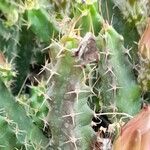
Echinocereus pentalophus
Ladyfinger cactus · Lady-finger Cactus · Lady-finger Hedgehog Cactus · Órgano-pequeño Alicoche Falso
Description
Source: leafsnapEchinocereus pentalophus, commonly known as the Ladyfinger Cactus, is a cactus species native to the southwestern United States and northern Mexico. This small, slow-growing cactus typically reaches about 6 inches in height and 4 inches in width. It features cylindrical stems adorned with small spines and clusters of pink or purple flowers that bloom in the spring or summer. The Ladyfinger Cactus prefers well-draining soil and full sun exposure but can also tolerate partial shade. Due to its unique appearance and low maintenance requirements, it is a popular choice for rock gardens, container gardens, and as an indoor houseplant. However, it is important to note that this cactus species is protected by law in some regions because of over-harvesting for ornamental purposes.
🎭 ability to keep going through tough, tiring situations
Care Guide
💧 Water Every 7 days
The Ladyfinger cactus is well-suited for arid environments due to its high drought tolerance and minimal water needs. It should be watered only once every three weeks, ensuring the soil is allowed to dry out completely between waterings. This evergreen plant thrives in full sunlight and stores water in its fleshy tissues, making it well-equipped to endure long periods without rain.
☀️ Light Full sun
The ladyfinger cactus does best with strong sunlight, similar to the bright environments where it naturally occurs. Light plays a major role in its vigorous growth. At every stage of development, sufficient sun is essential. Conversely, either too much or too little light can impede its growth and produce adverse effects.
What are the sunlight requirements for Ladyfinger Cactus?
Ladyfinger cactus requires above 6 hours of sunlight to flourish optimally. Observing how sunlight moves through your garden will help in choosing spots that assure a perfect balance of light and shade, aiding in the plant's health. Originally thriving in sun-drenched habitats, this cactus benefits significantly from intense solar exposure for robust growth. However, it's important to avoid too much or too little light, as either extreme can negatively impact its development.
Can artificial lighting be used for Ladyfinger Cactus, and if so, how?
Yes, artificial lighting can be a vital solution for Ladyfinger cactus, especially when natural sunlight is insufficient. For indoor plants, it promotes faster, healthier growth. LED lights are recommended because they can provide specific wavelengths needed by the plants. Full sun plants need 30-50 Watts/square foot, partial sun plants 20-30 Watts/square foot, and full shade plants 10-20 Watts/square foot of artificial light. The light source should be placed 12-36 inches above the plant to mimic natural sunlight for 8-12 hours per day.
What are the symptoms of inadequate lighting in Ladyfinger Cactus?
Inadequate lighting can cause several symptoms in Ladyfinger cactus, including smaller new leaves, leggy or sparse growth, faster leaf drop, slower or no new growth, lighter-colored new leaves, chlorosis (leaves turning yellow), sunscald, leaf curling, wilting, and leaf scorching. These symptoms indicate light deficiency or overexposure, both of which can significantly affect the plant's health.
How can I address insufficient light exposure for indoor and outdoor Ladyfinger Cactus?
To combat insufficient light exposure, gradually move your Ladyfinger cactus to sunnier locations, ensuring at least 6 hours of direct sunlight daily. For indoor plants, utilizing a south-facing window or artificial light like desk or ceiling lamps for at least 8 hours daily can help. Outdoors, ensure a gradual transition to sunnier spots to avoid sunburn. Note that while parts of the plant affected by insufficient sunlight may not recover, new growth will be healthy with improved light conditions.
What steps can be taken to minimize obstructions and ensure sufficient sunlight for Ladyfinger Cactus?
Reducing obstructions to sunlight involves observing the environment to identify blockages. If trees are the cause, pruning branches and leaves can help sunlight reach your plants. For smaller plants that can be moved, transplanting during their dormant period (late winter or early spring) to a location with ample sunlight and good drainage is beneficial. This ensures the plant receives sufficient sunlight for healthy growth.
🌡️ Temperature 20–37.8°C
Ladyfinger cactus is native to areas where temperatures fall between 68 and 100°F (20 and 38℃), indicating its preference for warm conditions. It is important to slowly acclimate the plant to temperatures below this range to prevent shock during seasonal changes.
What is the ideal temperature range for growing Ladyfinger cactus?
The Ladyfinger cactus, botanically known as Echinocereus pentalophus, thrives in regions with temperatures ranging from 68 to 100°F (20 to 38°C). This range reflects its preference for warm environments. It's important to acclimate the plant gradually to cooler temperatures to prevent shock during seasonal temperature shifts. As temperatures drop below 20°C, its growth slows, and special care is needed to reduce or stop watering to prevent root rot. When outdoor temperatures fall below 0°C, the Ladyfinger cactus should be moved indoors, ideally near a south-facing window for optimal sunlight exposure. Supplemental lighting can be provided if natural light is insufficient.
How should you care for a Ladyfinger cactus during winter?
During the winter, when growth slows and the Ladyfinger cactus enters a dormant state, it's crucial to halt watering for those grown outdoors to prevent root rot. If the outdoor temperature drops below 0°C, bringing the plant indoors is necessary to continue its cultivation in a warm environment. A south-facing window is ideal to ensure it receives as much sunlight as possible. For added protection against the cold, consider using insulation methods, such as setting up a temporary greenhouse or wrapping the plant with materials like plastic film or fabric.
How do you treat a Ladyfinger cactus affected by low temperatures?
Ladyfinger cactus is vulnerable to low temperatures and best grows when the temperature remains above 20°C. To treat a plant affected by mild frost damage or temperatures falling below -5°C, which can cause wilting and susceptibility to root rot, start by trimming off frostbitten areas. If the roots are rotted, they should be removed, and the plant can be propagated through cuttings. Immediately move the plant to a warmer indoor location, preferably near a south-facing window to maximize sunlight exposure. For insufficient light conditions, supplement with artificial lighting to aid in recovery.
What should you do if a Ladyfinger cactus is exposed to high temperatures?
During summer, it's important to ensure the Ladyfinger cactus is kept below 38°C to prevent heat stress. Exposure to temperatures above 43°C can halt the plant's growth, leading to water loss, wilting, and increased risk of sunburn. To address this, remove any sunburned or rotten parts of the plant. Protect the cactus from direct afternoon sunlight until it shows signs of recovery and growth resumes. In cases of root rot, withhold water until new roots develop to support recovery.
💨 Humidity
🪴 Soil 6-7
🌱 Fertilizer
For Ladyfinger cactus, apply small amounts of fertilizer once or twice a year during the growing season. Do not fertilize in winter or in summer when the plant is dormant. Use reduced fertilizer after repotting and wait a couple of months following repotting before fertilizing. Fertilizing supports healthy growth and encourages blooms.
🪴 Pot & Repot 2-3 years
Repot the ladyfinger cactus every 2 to 3 years during the spring. Use a slightly larger container with well-draining cactus soil, and make sure the pot has adequate drainage holes. After repotting, place the cactus in bright light and water it sparingly. This helps prevent root rot, which the ladyfinger cactus is particularly sensitive to.
✂️ Pruning
The Ladyfinger cactus requires very little pruning. To keep it healthy, regularly remove any withered flowers and branches. This helps the plant direct its nutrients toward new growth.
🌿 Propagating
🐛 Diseases & pets
☠️ Toxicity
Characteristics
- Plant Type
- Succulent
- Life Cycle
- Perennial
- Genus
- Echinocereus
- Family
- Cactaceae
- Hardiness Zone
- 9-11
- Mature Height
- 0 cm to 30 cm
- Mature Spread
- 25 cm
- Leaf Color
- Green
- Leaf Type
- Deciduous
- Flower Color
- Purple
- Flower Size
- 7.62 cm to 10.16 cm
- Bloom Time
- Mid spring, Late spring
- Planting Time
- Spring
- Harvest Time
- Early summer, Mid summer
- Native Area
- North America, Central America