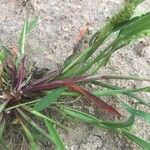
Echinochloa colona
Barnyard millet · Jungle ricegrass · Jungle-rice · Awnless barnyard grass · Corn-panic grass
Description
Source: leafsnapEchinochloa colona, commonly known as jungle rice, deccan grass, or awnless barnyard grass, is a type of wild grass originating from tropical Asia. It was formerly classified as a species of Panicum. It is the wild ancestor of the cultivated cereal crop Echinochloa frumentacea, sawa millet. Some taxonomists treat the two taxa as one species, in which case the domesticated forms may also be referred to as E. colona.
Care Guide
💧 Water
Jungle rice thrives in tropical, humid climates and adapts well to high moisture levels. Although it can tolerate moderate drought conditions, it grows best with weekly watering that imitates natural rainfall. Commonly found in wetlands and rice paddies, jungle rice benefits greatly from natural rainwater during its active growing season.
What should I do if I give my Jungle rice too much or too little water?
Proper watering is essential for the health and performance of this beautiful ornamental grass. When planted in the ground, watering issues can be resolved, whereas in a container, improper watering can quickly kill Jungle rice. Insufficient water can cause the grass to stop growing, resulting in drooping leaves, weakened seed head production, and browning of the leaves. Overwatering, on the other hand, can lead to yellow leaves with brown tips. If you suspect your Jungle rice has been watered incorrectly, you need to determine if it is receiving too much or too little water. If it is overwatered, immediately stop watering and allow time for the soil to dry out. Once new growth appears, check the soil for moisture and adjust the watering accordingly. If the grass is not getting enough water, simply give it a deep drink and observe if it perks up. It is important to note that a long, deep watering is more beneficial than frequent shallow waterings, as it encourages the growth of deep roots, making the grass more resistant to drought and watering issues.
How many times should I water my Jungle rice?
The watering needs of Jungle rice depend on where it is planted. In general, this grass should be watered weekly. However, in hot climates, watering once or twice a week during the summer may be necessary. In moderate climates, watering every seven days or more might be sufficient. Grass in containers usually requires more frequent watering than grasses planted in the ground. Additionally, the location of the grass, whether in full sun or part shade, also affects its watering needs. Shaded grasses need less frequent watering compared to grasses in the ground. When watering Jungle rice, it should only be done when the soil is dry. To determine if the soil is dry, you can press your finger a couple of inches into the soil. For potted grass, you can use a portable scale to check the weight or simply feel the lightness of the pot. Lack of sufficient water can cause the blades of the grass to appear folded and thinner than usual. Despite its ability to withstand drought, regular and deep waterings will result in a beautiful color. In its natural habitat of open scrubland, Jungle rice is exposed to extreme heat, bright sun, and intermittent rain. Although it is drought-resistant, it still requires care and attention. Consistent watering is recommended by gardeners for optimal growth. When newly planted, Jungle rice needs more frequent watering until it has established deep roots. In pots, the soil tends to dry out quickly, especially if exposed to direct sun for most of the day. Testing the soil every 3 to 4 days and watering only when it feels dry is advisable. When growing in the ground, Jungle rice generally requires less watering, depending on the type of soil. Clay soils hold water for a longer time, so even if the surface feels dry, there may be enough moisture below the ground. On the other hand, sandy soils drain quickly and will need more frequent watering.
What should I watch out for when watering my Jungle rice in different seasons, climates, or during different stages of growth?
To determine if you are watering your grass enough, observe the rate of growth. Jungle rice, for example, can double in size within a year, especially during the hottest months. If the weather is hot but the grass isn't growing vigorously, adjust your watering schedule accordingly. In winter, you may only need to water once a month, but check the soil's moisture levels by touching it. During the growth cycle, particularly in warm months, the grass will require more water than usual. However, water needs will decrease significantly during winter and cooler months. Remember to let the soil for Jungle rice dry out completely before watering.
☀️ Light Full sun
Jungle rice needs strong light to grow vigorously. Originating from areas with plentiful daylight, it performs best when given direct sun. At every stage of its development the plant seeks intense sunlight. Too much shade will hinder its growth, while an excessive amount of sun can potentially harm its health.
How many hours of sunlight does Jungle rice need each day to grow well?
To ensure the well-being of these plants, it is important to provide them with a minimum of 6 to 8 hours of sunlight every day. They particularly thrive with greater exposure to morning light, especially during the summer. The Jungle rice, in particular, requires full sun and benefits from as much sunlight as possible. The more light these species receive, the better they can generate food, produce vibrant blooms, and thrive in their environment.
What kind of sunlight does Jungle rice require?
The Jungle rice thrives under full sunlight, so it's important to give them enough space to ensure even sun exposure. The leaves need sunlight in order to grow properly. If planting them in pots, place them in windows that receive direct sunlight throughout the year. Avoid placing them in areas with partial or filtered light, as this can make the stems weak and the flowers unhealthy. Ideally, the Jungle rice should always be exposed to the sun.
Can the sun harm plants? How can I shield Jungle rice from sun and heat damage?
When the temperature goes above 90℉(32℃), the Jungle rice is at risk of getting damaged by extreme temperatures, especially if it's exposed to many hours of sunlight. To protect it, it's always a good idea to provide some shade in the afternoon during the summer. Remember, sunlight in the summer is stronger and lasts longer compared to winter. If the Jungle rice is under a lot of stress from sunlight, it's best to keep them well hydrated. Water them when the top 2 inches of soil are dry and consider moving them indoors if it's too hot outside, especially if they're in containers. It's normal for the plant leaves to wilt during the day, but they should recover at night. However, if you notice that the Jungle rice is still drooping, it means the plant is losing water quickly and needs watering.
Do I need to keep Jungle rice away from the sun?
The Jungle rice thrives in full sun and is even heliotropic, meaning it loves the sun. To maximize their exposure, it's ideal to plant them in south-facing gardens. However, be cautious as some species may get sunburned, especially during the afternoon and midday sun. Consider providing shade from a tree or a wall during these times. Growing the Jungle rice in shady areas is not feasible as the larger flowers require a significant amount of energy to grow and produce. Therefore, it's crucial to always provide ample lighting conditions and choose a location with full sun for optimal results.
What will happen if Jungle rice doesn't get enough sunlight?
If the Jungle rice doesn't receive enough sunlight or isn't placed in a sunny spot, its photosynthesis process will slow down. This lack of sunlight can cause the stems to become long and thin as they try to reach for more light, making them leggy. In the shade, the plant won't bloom or produce seeds. Additionally, insufficient sunlight can lead to older leaves dying, new leaves being lighter in color, and new growth being smaller. Jungle rice thrives in the sun, but excessive heat and ultraviolet light during the summer can cause wilting. To protect the plant, consider using a net with a green shade to prevent the leaves and flowers from scorching. When indoors, use a fan to reduce heat.
🌡️ Temperature 20–35°C
Jungle rice, as a tropical plant, does best in temperatures ranging from 68 to 95 °F (20 to 35 °C). Seasonal adjustments, especially in winter, are necessary for its healthy growth and development.
What is the best temperature for Jungle rice?
To help your tropical plants thrive, it's best to maintain a temperature range of 75℉ to 90℉ (25-32℃). While different species can tolerate temperatures outside this range, sticking within a few degrees of these limits will ensure optimal growth. However, there are extreme temperature limits to be aware of. Anything below 50℉ (10℃) or above 95℉ (35℃) can hinder growth and cause issues with the leaves and stems. Low temperatures are particularly damaging, as even a light frost can lead to the death of your tropical plants. In fact, cellular death can occur rapidly, with some species dying within 12 to 24 hours.
Does Jungle rice need different temperatures at different stages of growth?
Jungle rice grows well without needing temperature changes, but it is important to be consistent. Sudden temperature changes can slow down its growth even if it is in the right phase, so it's best to keep it in a controlled environment. The ideal temperature range is between 75℉ and 90℉ (25-32℃), and it's important to stay above the lower limit. Going above 90℉ (32℃) is not ideal, but it won't harm the plant too much since it is a tropical plant. However, going below 50℉ (10℃), especially below 40℉ (5℃), will start to cause direct damage to this heat-loving plant species.
Does Jungle rice require different temperatures for different seasons?
Jungle rice is a plant that doesn't require different temperatures for different growing seasons. The most important step in taking care of it during each season is to maintain the environment within the optimal temperature range. To achieve this, it is recommended to keep this plant indoors. By doing so, you have control over the temperature regardless of the weather outside. In addition to temperature, light is also crucial for tropical species like jungle rice. These plants prefer a partial side level of sun exposure, meaning they should receive dappled or filtered light. Bright but indirect light is the best option when growing these plants indoors. It's important to avoid too much direct sunlight, as it can have a negative impact on the plant's leaves and reduce its growth potential.
What temperatures should you keep your Jungle rice at to keep it healthy?
Here are three tips to help you take care of your plants: 1. Keep your plants away from windows during colder months: Cold air can leak into your home through cracks in the windows, and any plants placed near them will be affected. Move tropical plants to an area with bright but indirect light, while avoiding potential drafts. 2. Watch out for dry patches, which may indicate too much sunlight or heat: If you notice white or scorched leaves, your plant may be getting too much heat or sunlight. This can lead to dehydration and hinder growth. Dry spots can spread and eventually cause your plants to die if left unaddressed. 3. Be cautious of frost: Colder temperatures and frost can damage plants by disrupting their water circulation. This can lead to a lack of moisture in the stems and leaves. Look out for signs of hydrosis (a water-soaked appearance) and if the issue persists, the plant may shrivel and turn dark brown or black, eventually leading to death.
How can I keep my Jungle rice at the correct temperature?
To maintain the ideal temperature for Jungle rice, it's important to consider both the climate and humidity levels. The best approach is to keep each species in a room with climate control, ensuring that the temperature mimics its natural habitat. Monitoring humidity levels is also crucial, as it directly impacts the temperature. Increasing humidity in your growing space can be achieved through the use of a humidifier or light misting of the leaves. However, if you plan to grow this species outside, it may be challenging to maintain the right temperature and humidity balance. In such cases, it's recommended to move your plant indoors where you have better control over the climate. This will help your plant thrive and reach its full potential.
💨 Humidity
🪴 Soil 5-7
🌱 Fertilizer
🪴 Pot & Repot
✂️ Pruning
Jungle rice is a fast-growing weed that thrives in warm, moist environments. To manage it effectively, begin pruning from early to late spring and mow regularly to prevent the spread of seeds. Make sure to sterilize your tools to prevent the transmission of diseases. Pruning not only helps reduce competition with crops but also maintains the aesthetic appeal of your garden.
🌿 Propagating
🐛 Diseases & pets
☠️ Toxicity
Characteristics
- Plant Type
- Grass
- Life Cycle
- Annual
- Genus
- Echinochloa
- Family
- Poaceae
- Hardiness Zone
- 10
- Mature Height
- 10 cm to 61 cm
- Mature Spread
- 61 cm to 91 cm
- Leaf Type
- Semi-evergreen
- Flower Color
- Yellow, Green, Purple, Brown
- Flower Size
- 5.08 cm to 15.24 cm
- Bloom Time
- Summer, Early fall, Mid fall
- Planting Time
- Spring, Summer, Autumn
- Harvest Time
- Late summer, Fall, Early winter
- Native Area
- Sri Lanka, Libya, Somalia, Lesotho, Turkey, Egypt, Djibouti, Burkina Faso, Angola, United Arab Emirates, Madagascar, Rwanda, Pakistan, Nigeria, Morocco, Yemen, Kenya, Uganda, Tanzania, Niger, Guinea-Bissau, Mali, Fiji, Brunei, Iraq, Benin, Sierra Leone, Equatorial Guinea, Cameroon, Oman, Ethiopia, Qatar, Botswana, Central African Republic, Nepal, Saudi Arabia, Tunisia, South Africa, Sudan, Philippines, Mauritania, Laos, Cyprus, Guinea, Chad, Lebanon, Afghanistan, Syria, Myanmar, Japan, Togo, Bhutan, Senegal, Eswatini, Iran, Côte d'Ivoire, Algeria, Kuwait, Gambia, Congo (DRC), Gabon