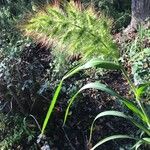
Echinochloa walteri
Coast Barnyard Grass · Walter's Barnyard Grass · Coast Cockspur Grass · Coast cockspur · Water millet
Care Guide
💧 Water
☀️ Light Full sun
Coast cockspur grass is native to bright, open spaces where it flourishes in maximum sunlight. It can endure semi-shade conditions but grows best with direct sunlight. Recognized for its preference for sun, this plant which is either annual or biennial, thrives in sunny conditions.
🌡️ Temperature 10–35°C
Coast cockspur grass possesses the capacity to acclimate to various temperature ranges, however, its spread could be restricted by assorted mixtures of water and heat circumstances. It flourishes optimally in hot weather conditions during the summer, provided there is sufficient water supply either by rainfall or irrigation. Extended durations of overcast and rainy conditions, coupled with persistent high temperatures, can heighten the risk of the grass wilting. In the colder months, appropriate safeguarding against low temperatures can enhance the survival chances of the plant.
💨 Humidity
🪴 Soil 6-8
🌱 Fertilizer
🪴 Pot & Repot
✂️ Pruning
Coast cockspur grass thrives in wet, swampy conditions and can grow up to 1.5 meters (5 feet) tall. For best results, prune the grass in early to late spring by removing dead stems and any excessive growth, which encourages denser foliage. Be sure to use clean, sharp tools to improve air circulation, minimize pest risks, and maintain an attractive shape.
🌿 Propagating
🐛 Diseases & pets
☠️ Toxicity
Characteristics
- Plant Type
- Grass
- Life Cycle
- Annual
- Genus
- Echinochloa
- Family
- Poaceae
- Hardiness Zone
- 6-10
- Mature Height
- 0.61 m to 1.52 m
- Mature Spread
- 30 cm to 61 cm
- Leaf Color
- Green
- Leaf Type
- Semi-evergreen
- Flower Size
- 0.20 cm to 0.25 cm
- Bloom Time
- Mid summer, Late summer, Early fall
- Planting Time
- Summer, Autumn
- Harvest Time
- Early fall, Mid fall
- Native Area
- Cuba, Honduras, Mexico, Guatemala, Bolivia, El Salvador, Jamaica