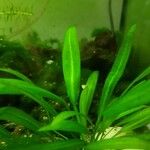
Echinodorus grisebachii
Amazon Sword Plant
Description
Source: leafsnapEchinodorus grisebachii, commonly known as the Amazon sword plant, is a popular aquatic plant native to South America. Belonging to the family Alismataceae, it can grow up to 20 inches in height. The plant's leaves are long, narrow, and pointed, with colors ranging from green to reddish-brown. Amazon sword plants are frequently used in aquariums because they provide excellent hiding places for fish and other aquatic creatures. Additionally, they help maintain water quality by absorbing excess nutrients. Beyond aquarium use, Echinodorus grisebachii has been utilized for medicinal purposes by indigenous people in South America. Traditionally, the plant's leaves have been used as a natural remedy for various ailments, including fever, inflammation, and pain. In summary, Echinodorus grisebachii is an attractive and beneficial aquatic plant, offering both aesthetic and functional advantages.
Care Guide
💧 Water Every 7 days
The Amazon sword plant, which is native to South America, flourishes in humid environments and needs consistent moisture to thrive. Watering it once a week is sufficient to keep it healthy. As an aquatic plant, it is particularly well-suited for freshwater aquariums, where it enhances the ecosystem by oxygenating the water and offering shelter for aquatic life.
How should I water my Amazon sword plant to keep it healthy?
To properly water your Amazon sword plant, it is recommended to use filtered water at room temperature. Tap water may contain harmful particles, so filtered water is preferred. The plant is accustomed to a warm environment, so cold water should be avoided as it can be a shock to the plant. Additionally, overhead watering should be avoided to prevent foliage issues. Instead, apply filtered room temperature water directly to the soil until it is fully soaked. This helps moisten the roots and enables them to spread and absorb nutrients effectively.
What do I do if I give my Amazon sword plant too much water or too little water?
Overwatering and underwatering can both harm your Amazon sword plant, but overwatering is more common. Too much water can cause wilting, yellowing of stems and leaves, and may lead to diseases like root rot, mold, and mildew. Underwatering is less likely, as this plant can withstand drought, but it can still happen. In this case, the leaves will become brittle and brown. It's crucial to recognize signs of overwatering early to prevent irreversible damage. Reduce watering if you notice these signs and consider improving drainage by replacing poorly draining soil. If your plant shows signs of receiving too little water, simply water more regularly until the signs are gone.
How often should I give water to my Amazon sword plant?
If your Amazon sword plant is in a pot, the most precise way to determine if it needs water is by checking the soil. Simply stick your finger into the soil and if the top two to three inches are dry, it's time to water it. If you have your Amazon sword plant growing outdoors in the ground, you can use a similar method to test the soil. Again, if the top few inches of soil are dry, it's time for watering. Typically during spring and early fall, you will need to water this plant about once per week using this method. However, during extremely hot weather, you may need to water it twice or even more per week. It's worth noting that mature, well-established Amazon sword plants have a good ability to withstand drought.
How much water does my Amazon sword plant require?
To effectively water your Amazon sword plant, you should generously water it when the top two to three inches of soil are dry. Take the time to thoroughly soak the soil, ensuring that the water reaches all parts of the pot. Be mindful that you add enough water to allow excess to drain through the pot's holes. If you don't observe any drainage, it's likely that you haven't watered enough. However, be cautious not to let water accumulate in the soil, as this can harm the plant. Additionally, inadequate drainage could imply that the soil doesn't drain well, which is harmful to the plant's health. If the plant is outdoors, one inch of rain per week is adequate.
How do I water my Amazon sword plant as it grows?
The water needs of the Amazon sword plant can vary depending on its growth stage. In the early years or after being transplanted, more water is required. This is because the plant focuses on developing new roots to support future growth, and these roots need extra moisture. As the plant matures, it will need less water. Additionally, during the bloom period, when the plant is producing flowers, it may require additional water to support their development.
☀️ Light Full sun
As a species native to habitats where sunlight is plentiful, the Amazon sword plant does best in areas that receive abundant light. This ample illumination fosters healthy, vigorous growth throughout its life. Still, it can also persist in locations where light is somewhat obstructed, showing resilience. Excessive or insufficient light may result in slowed growth and leaves losing their color.
What kind of sunlight does the Amazon sword plant require?
The Amazon sword plant requires full sun every day, with at least six hours of sunlight to keep its leaves, roots, and blooms healthy. Other perennial plants, like the Orange Daylily or Giant Coreopsis, can survive with as little as three hours of direct sunlight each day. However, they won't thrive as well as they would in sunnier conditions.
Can the sun harm the Amazon sword plant? How can I shield the Amazon sword plant from the sun and heat damage?
In warm climates, some Perennial Flowering Plants may struggle with excessive heat and suffer from sun damage. They can wilt, dry out, or even experience growth problems if they are consistently exposed to the intense afternoon sun. However, not all plants require protection from the light afternoon sun. For those that are harmed by intense afternoon exposure, it is recommended to provide them with some shade in warmer climates. Gardeners can achieve this by planting these plants in areas that do not receive direct heat during the afternoon, such as under trees or behind bushes.
Do I need to keep the Amazon sword plant out of the sun?
Certain perennial plants require ample sunlight to reach their maximum bloom. However, in warmer climates, some of these plants actually benefit from less sun. For instance, individuals residing in hotter regions might find it beneficial to shade their flowering perennials during the intense afternoon sun, especially during summer months. Although many perennial flowering plants prefer partial shade in the hottest climates, there are exceptions. Take the Giant Coreopsis, for example, as it is not bothered by excessive sun exposure. These plants can flourish even when placed in the full sun during scorching weather.
What will happen if the Amazon sword plant doesn't get enough sunlight?
If your Amazon sword plant is not getting enough sunlight, you will notice signs that its needs are not being met. These signs include fewer blooms compared to when the plant is exposed to full sun. While some of the leaves may develop dry spots, most of these plants can still bloom even in inadequate sun. However, the flowers that bloom will be smaller and less full.
Does the Amazon sword plant require specific sunlight care at different stages of growth?
The Amazon sword plant is a wonderful addition to gardens, and it thrives when it receives at least six hours of sunlight each day. However, it's important to note that some flowers tend to remain fresher for a longer period of time if they are partially shaded during the hottest parts of the day. When the Amazon sword plant is still young, it is crucial for gardeners to make sure that these younger plants receive ample sunlight without being subjected to intense heat during the afternoon. On the other hand, if you have a fully mature Amazon sword plant, it is recommended to provide it with plenty of direct sunlight to support its growth.
🌡️ Temperature 20–37.8°C
The Amazon sword plant comes from tropical areas, where the climate is usually warm and humid. Consequently, it is adapted to higher temperatures and humidity. It does not tolerate sudden temperature changes and prefers a constant temperature, so avoiding temperature swings indoors is important. It generally cannot withstand cold and needs warmer conditions for growth. If the surrounding temperature falls too low, the plant may stop growing or even die.
💨 Humidity dry (<40%)
This plant prefers dry conditions, so don't mist it. However, watering it less often can also thrive in higher humidity.
🪴 Soil
🌱 Fertilizer
The Amazon sword plant flourishes when regularly fertilized with balanced fertilizers every 2 to 4 weeks, promoting both healthy foliage and roots. During its growth phase, you should increase the frequency of fertilization. Conversely, during its dormancy period, reduce the frequency to avoid nutrient overload. Use either liquid fertilizers or root tabs, making sure to follow the recommended dosages to safeguard the plant and the surrounding aquatic life.
Why should I fertilize my Amazon sword plant?
Fertilization plays a big role in maintaining the health of your Amazon sword plant. By fertilizing properly, you can ensure that its leaves stay vibrant and serve their purpose effectively. In addition to enhancing leaf strength and appearance, fertilization also promotes root growth. This not only benefits the plant's current health but also improves its ability to absorb nutrients from the soil in the long run.
When should I fertilize my Amazon sword plant?
If you choose to grow your Amazon sword plant outdoors, it will send out new growth in the early spring. This is a sign that it's time to start fertilizing for the year. Usually, a single application of fertilizer in the spring is enough for the plant to thrive. However, if you want to maximize its growth, you can fertilize it multiple times during the spring and early summer. In that case, you can feed your Amazon sword plant once every month to a month and a half.
When is it best to not fertilize my Amazon sword plant?
During the late fall and winter, your Amazon sword plant goes into a dormant phase where it stops growing. It's important to avoid fertilizing the plant during this time. In spring and summer, if you decide to fertilize, gradually decrease the amount as summer approaches because the plant's growth rate slows down. In general, it's not a good idea to fertilize the plant during excessively hot weather or when the soil is very dry. Doing so can stress the plant and lead to its premature death.
Which fertilizer should I use for my Amazon sword plant?
Choosing the best fertilizer for an Amazon sword plant is actually quite simple. These plants thrive on a general-purpose garden fertilizer with equal amounts of nitrogen, phosphorus, and potassium. So, look for a fertilizer with a ratio of 10-10-10 or something similar. Avoid fertilizers with high nitrogen content if you're unsure. The majority of suitable fertilizers for Amazon sword plants are available in granular form and should be slow-release for easy application to the soil. Additionally, using an organic soil amendment like compost can be beneficial in feeding your Amazon sword plant.
How can I give nutrients to my Amazon sword plant?
In early spring, wait until your Amazon sword plant's first leaves just break through the soil's surface. Once you see this, apply a granular slow-release fertilizer with a balanced formula to the soil around the base of the plant. You can repeat this process later in the season if desired. When reapplying fertilizer, remember to apply it to the soil at the base of the plant instead of directly on the plant. Sometimes, you may need to move some leaves to access the soil above the roots. It's also a good idea to water your Amazon sword plant before and after feeding it.
🪴 Pot & Repot 2-3 years
Repot Amazon sword plants every 2-3 years in the spring to maintain their lush growth. Use a large pot to prevent root binding. After repotting, follow a consistent watering schedule and ensure the plant receives plenty of light to promote strong recovery and growth.
✂️ Pruning
The Amazon sword plant is a popular aquatic plant known for its broad leaves. To promote new growth and maintain water quality, it’s important to regularly prune any dead leaves from early to late spring. While doing this, be careful not to trim the roots or the central growing point.
🌿 Propagating
🐛 Diseases & pets
☠️ Toxicity
Characteristics
- Plant Type
- Herb
- Life Cycle
- Perennial
- Genus
- Echinodorus
- Family
- Alismataceae
- Hardiness Zone
- 9-11
- Mature Height
- 20 cm to 49 cm
- Mature Spread
- 20 cm to 30 cm
- Leaf Color
- Green, Olive Drab
- Leaf Type
- Deciduous
- Flower Color
- White
- Flower Size
- 1.02 cm
- Bloom Time
- Summer, Early fall, Mid fall
- Planting Time
- Autumn
- Harvest Time
- Late summer, Fall, Early winter
- Native Area
- Colombia, Cuba, Honduras, Bolivia, Venezuela, Peru, Brazil, Nicaragua, Ecuador, Costa Rica